Optimal Temperature for Growing Cannabis Indoors

Optimal Temperature for Cannabis Growth: The ideal temperature for cultivating cannabis typically ranges from 70-85°F (21-29°C) during daylight hours when lights are on. At night, temperatures should be slightly cooler, ideally 10°F (5.5°C) lower, to promote optimal growth and healthy development. Maintaining these conditions ensures robust plant health and maximizes yield potential.
When cultivating cannabis indoors, temperature plays a crucial role in terpene production and flowering time. Maintaining a stable climate can significantly enhance the aromatic profile and potency of strains like Banana Kush. By optimizing environmental conditions, you can achieve a flowering period of 8-9 weeks, ensuring a high-quality harvest.
Recommended Strains
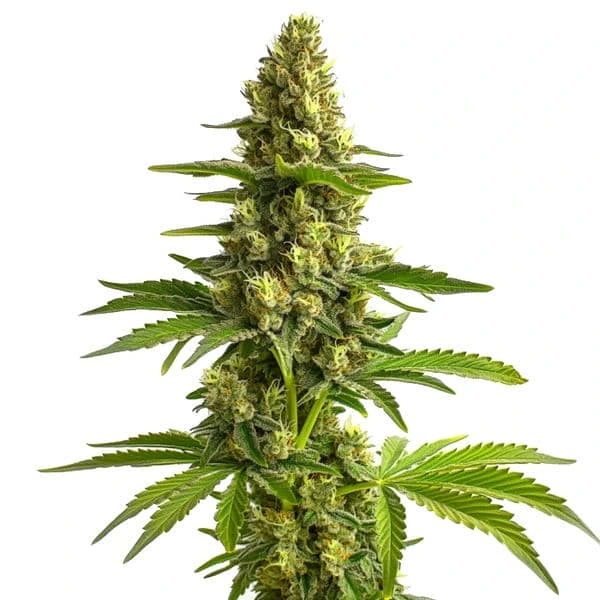
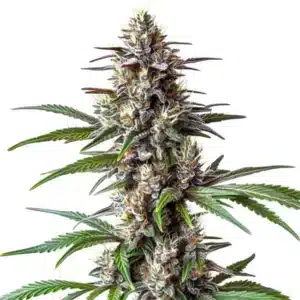
Bruce Banner #3

|
THC | 20% - 29% (High) |

|
Type | Feminized |

|
Yield | High |

|
Phenotype | 50% Indica / 50% Sativa |

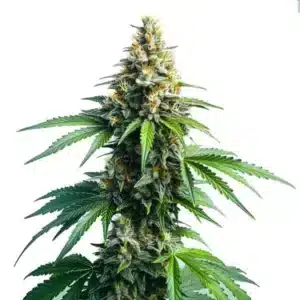
Bruce Banner 2.0
|
|
THC | 25% - 30% (High) |
|
|
Type | Feminized |
|
|
Yield | High |
|
|
Phenotype | 35% Indica / 65% Sativa |
Importance of Temperature in Cannabis Growth
Seedling Stage Temperature
During the seedling stage, cannabis plants are particularly sensitive to temperature fluctuations. Maintaining a consistent temperature between 70-77°F (21-25°C) is crucial for healthy development. This range supports vital metabolic processes, allowing seedlings to establish strong roots and foliage. Deviations can lead to stunted growth or failure to thrive.
Consistent temperatures ensure optimal nutrient uptake and photosynthesis. For example, strains like Afghan Kush thrive in stable environments, promoting vigorous seedling growth. Temperature control tools, such as programmable thermostats, help maintain these conditions, preventing stress and ensuring robust development.
Vegetative Stage Temperature
The vegetative stage requires slightly warmer conditions, typically between 70-85°F (21-29°C). This warmth encourages photosynthesis and nutrient absorption, leading to rapid growth and a strong plant structure. It’s essential to maintain these temperatures consistently to avoid stress and premature flowering.
Using fans and air conditioning can help regulate the environment, ensuring your cannabis plants remain healthy. For instance, Cereal Milk benefits from stable temperatures, maximizing its growth potential during this stage.
Promos & Deals



Temperature and Plant Metabolism
Metabolic Processes and Temperature
Temperature directly influences cannabis plant metabolism, affecting nutrient uptake and photosynthesis. Ideal cannabis growing temperatures enhance these processes, promoting vigorous growth. For example, maintaining 70-85°F (21-29°C) during the vegetative stage ensures efficient nutrient metabolism, critical for strains like Zkittlez Kush.
Excessive heat can lead to nutrient deficiencies or toxicities, impacting overall plant health. Conversely, cooler temperatures slow down metabolism, hindering nutrient absorption. Balancing these factors is essential for optimal growth and yield.
Impact on Yield and Potency
Temperature control is vital for maximizing yield and potency. Cooler temperatures during the flowering stage, around 65-80°F (18-26°C), help preserve terpenes and cannabinoids, enhancing flavor and potency. Strains like Sherbet Auto benefit from these conditions, producing high-quality buds.
Maintaining the right temperature range prevents issues such as airy buds or mold. Using climate control systems can help achieve these conditions, ensuring a successful harvest.
Advanced Temperature Management Techniques
Dynamic Temperature Adjustments
Dynamic temperature control involves adjusting temperatures based on the plant’s growth stage. During the seedling stage, maintaining a cannabis seedling temperature of 70-77°F (21-25°C) is crucial. As plants transition to the vegetative phase, gradually increase temperatures to 70-85°F (21-29°C) to support photosynthesis and robust growth. This method helps prevent shock and ensures seamless development.
Nighttime Temperature Drops
Implementing nighttime temperature drops is an effective strategy to mimic natural conditions. Lowering temperatures by 8-11°C (15-20°F) at night can enhance plant metabolism and improve nutrient uptake. This technique is particularly beneficial during the flowering stage, where maintaining a best temperature for cannabis flowering stage of 65-80°F (18-26°C) is vital for terpene and cannabinoid preservation.
| Feature / Merkmal | Banana Kush | Afghan Kush | ZOG Kush |
|---|---|---|---|
| Optimal Temperature | 70-85°F (21-29°C) | 70-85°F (21-29°C) | 70-85°F (21-29°C) |
| Flowering Time | 8-9 weeks | 8-9 weeks | 8-9 weeks |
| THC Content | 22-26% | 22-26% | 22-26% |
| Dominant Terpene | Myrcene | Caryophyllene | Limonene |
| Yield | 1.5-2 oz/ft² (450-600 g/m²) | 1.5-2 oz/ft² (450-600 g/m²) | 1.5-2 oz/ft² (450-600 g/m²) |
Environmental Control and Adjustments
Indoor vs Outdoor Temperature Management
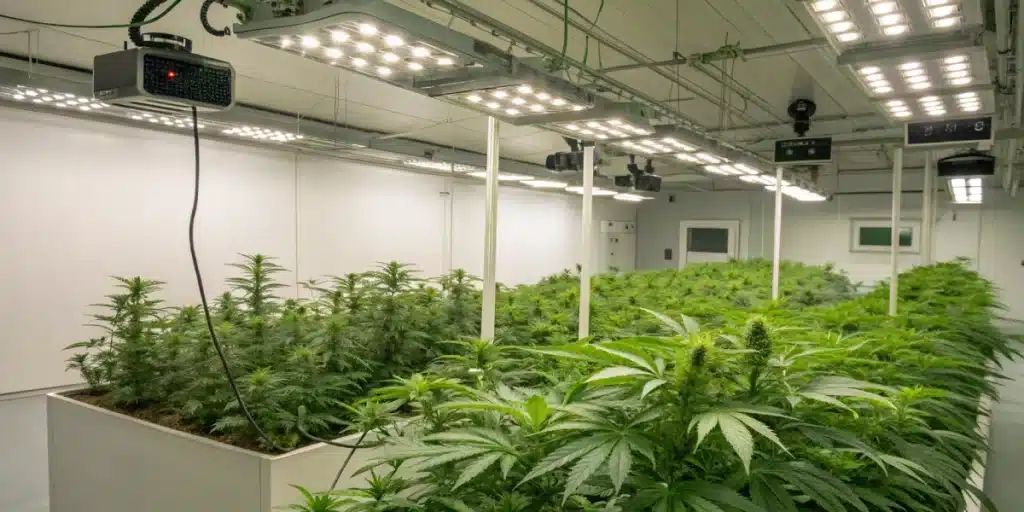
Indoor growers have the advantage of controlling their environment completely. Using heaters, air conditioners, and fans helps maintain the perfect temperature. In contrast, outdoor growers must adapt to natural conditions, using shade cloths or windbreaks to manage temperature extremes.
Monitoring local weather patterns is crucial for outdoor setups. For instance, OG Kush Fast Version can thrive outdoors if temperatures are managed effectively, ensuring optimal growth.
Tools for Climate Control
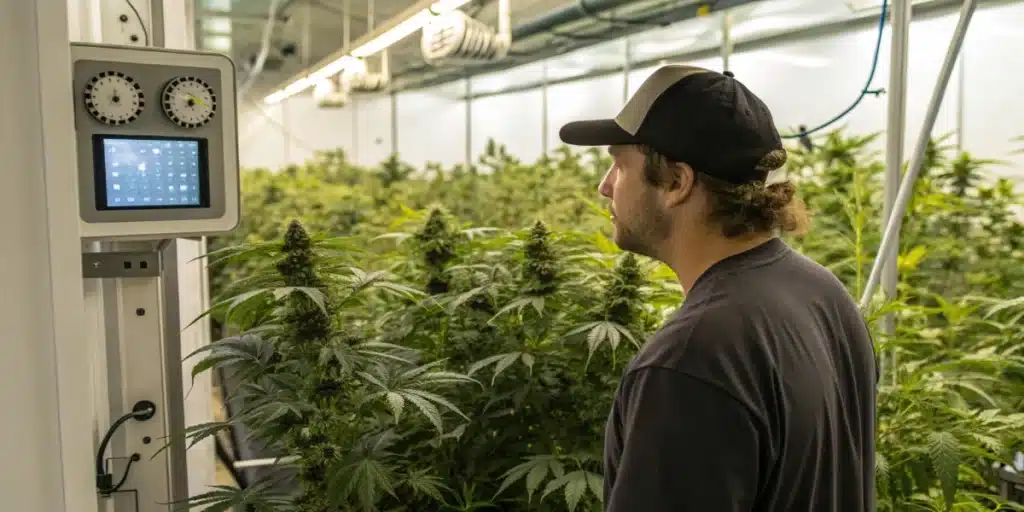
Utilizing climate control tools is essential for maintaining the ideal temperature for cannabis growth. Programmable thermostats, air conditioning units, and heaters provide precise control over your grow space. These tools help create a stable environment, crucial for strains like Black Dominia Fast Version.
Fans and ventilation systems prevent hotspots and ensure even temperature distribution, crucial for early growth stages. Investing in quality equipment can significantly enhance your cultivation efforts, leading to healthier plants and better yields.
Professional Tips for Optimal Cannabis Growth
- Maintain 70-77°F (21-25°C) during seedling stage to ensure strong root development. Avoid fluctuations to prevent stunted growth.
- During vegetative stage, aim for 70-85°F (21-29°C) to maximize photosynthesis. Use fans to regulate temperature and prevent stress.
- Keep flowering stage temperatures at 65-80°F (18-26°C) to preserve terpenes and cannabinoids, enhancing potency and flavor.
- Utilize programmable thermostats for precise temperature control, avoiding common mistakes like overheating.
- For outdoor grows, monitor weather patterns and use shade cloths to manage temperature extremes effectively.
- Invest in quality climate control tools to maintain consistent temperatures, preventing issues like mold or nutrient deficiencies.
FAQs on Cannabis Growing Temperature
Is 82 degrees too hot for a grow tent?
Yes, 82°F (28°C) can be too hot for a grow tent, especially during the flowering stage. High temperatures can lead to heat stress, reducing yield and potency. Aim to keep temperatures below 80°F (26°C) during flowering to preserve terpenes and cannabinoids.
Will cannabis grow in 50 degree weather?
Cannabis struggles to grow effectively in 50°F (10°C) weather. Such low temperatures can slow growth and cause nutrient deficiencies. For optimal growth, maintain temperatures above 60°F (15°C) to ensure healthy development and robust yields.
What is the lowest temperature a cannabis plant can tolerate?
The lowest temperature cannabis plants can tolerate is around 50°F (10°C). Below this, growth slows significantly, and plants may suffer from nutrient deficiencies. Aim to maintain temperatures above 60°F (15°C) for optimal growth and health.
What temperature is too high for cannabis?
Temperatures above 85°F (29°C) are generally too high for cannabis, especially during the flowering stage. Excessive heat can cause heat stress, reducing yield and potency. Keep temperatures below 80°F (26°C) for optimal growth and quality.
How does temperature affect cannabis potency?
Temperature significantly affects cannabis potency by influencing terpene and cannabinoid preservation. Cooler temperatures during the flowering stage, around 65-80°F (18-26°C), help maintain these compounds, enhancing flavor and potency. High temperatures can degrade these compounds, reducing overall quality.