Best EC and pH for Cannabis Nutrient Uptake

Quick answer: For the best nutrient uptake, keep cannabis pH at around 6.0-7.0 in soil and 5.5-6.5 in hydroponics or coco. EC (nutrient strength) should rise with the plant: roughly 0.5-0.8 mS/cm for seedlings, 0.8-1.5 in veg, and 1.2-2.0 in flowering, then near zero for a late flush. pH controls which nutrients the roots can absorb, while EC controls how much is available, get both right and most nutrient problems disappear.
EC and pH are the two numbers that decide whether your cannabis plants can actually use the nutrients you feed them. EC (electrical conductivity) measures how concentrated the nutrient solution is, essentially how much food is in the water, while pH measures how acidic or alkaline that water is. Both matter because a plant can only absorb nutrients when the solution strength and the pH sit in the right window.
Recommended Strains

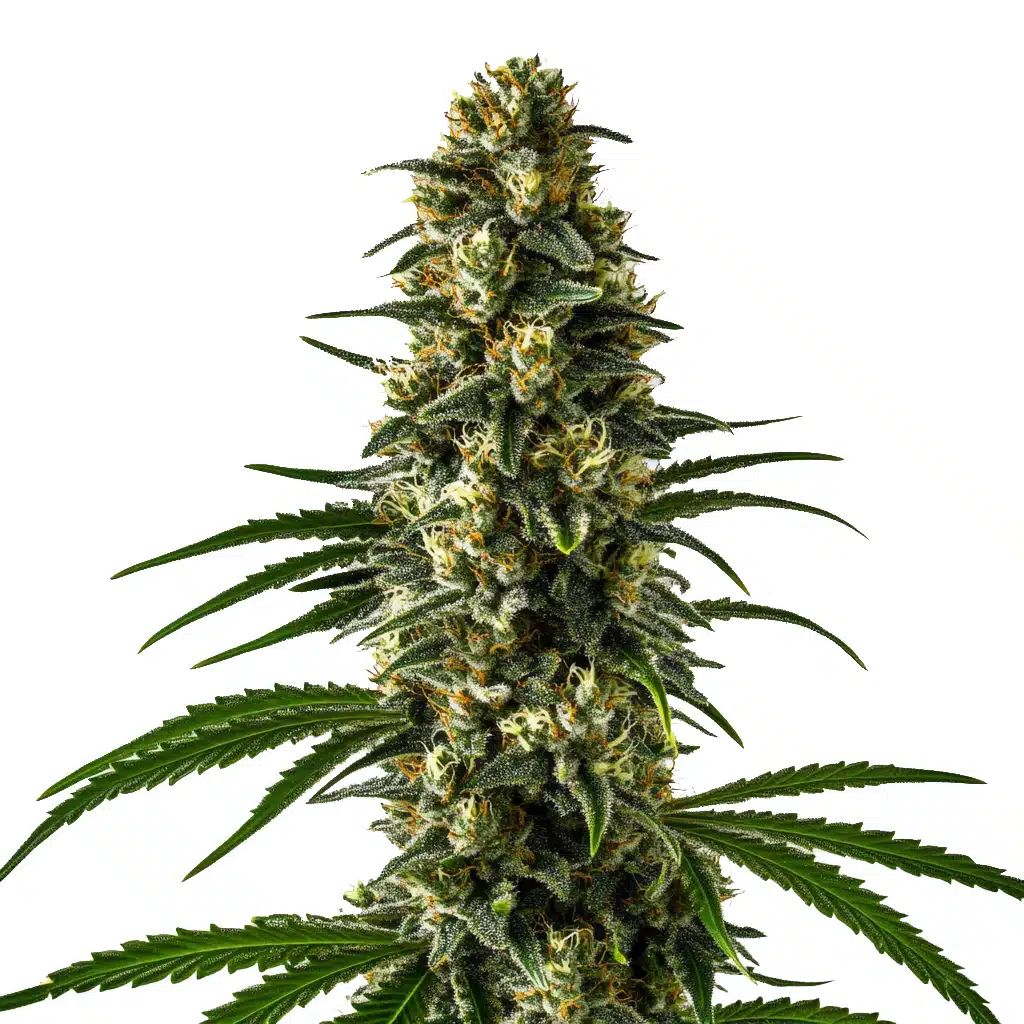
Blue Dream

|
THC | 17% - 24% (High) |

|
Type | Feminized |

|
Yield | High |

|
Phenotype | 50% Indica / 50% Sativa |
Girl Scout Cookies
|
|
THC | 18% - 25% (High) |
|
|
Type | Feminized |
|
|
Yield | High |
|
|
Phenotype | 60% Indica / 40% Sativa |
Get them wrong and you see trouble even with good nutrients: too high an EC burns the roots and tips, too low starves the plant, and an off pH locks out specific nutrients so deficiencies appear despite plenty being present. The good news is that the correct ranges are well established and easy to hit with a cheap pH and EC meter. The chart below sums up the targets by stage and growing medium.
| Stage | Soil pH | Hydro/coco pH | EC (approx, mS/cm) |
|---|---|---|---|
| Seedling | 6.0-6.5 | 5.5-6.0 | 0.5-0.8 (light feed) |
| Vegetative | 6.0-7.0 | 5.5-6.5 | 0.8-1.5 |
| Flowering | 6.0-6.8 | 5.5-6.5 | 1.2-2.0 |
| Late flush | plain water | plain water | near 0 |
Optimal pH for Cannabis (Soil vs Hydro)
pH targets depend on your medium. In soil, aim for roughly 6.0-7.0, with the sweet spot around 6.3-6.8, because soil biology buffers and helps release nutrients across that range. In hydroponics and coco, where there is no soil buffer, keep pH lower and tighter at about 5.5-6.5 (often 5.8-6.2), since the roots take nutrients directly from the solution and are more sensitive to swings.
Within those ranges, different nutrients are absorbed best at slightly different pH points, which is why letting pH drift gently across the range (rather than nailing one fixed number) can actually help the plant access everything it needs. The key mistakes to avoid are a consistently off pH, which locks out nutrients, and large, rapid swings, which stress the roots. Check and adjust pH every time you feed.
Promos & Deals
Setting EC by Stage (and Reading the Plant)
EC should track the plant’s appetite. Seedlings and young clones want a weak solution (around 0.5-0.8 mS/cm) because their small root systems burn easily. Through vegetative growth you can climb to roughly 0.8-1.5, and in flowering, when demand peaks, up to about 1.2-2.0, always watching how the plant responds. Heavy feeders tolerate the top of each range; light feeders and autoflowers prefer the lower end.
Let the plant guide fine-tuning: clawing, dark leaves and burnt tips mean the EC is too high, so dilute; pale, slow growth with correct pH can mean it is too low, so feed a little more. Measure the EC of both your input solution and the run-off to spot salt build-up in the medium. For the water itself and feeding products, see our guides on best pH water for cannabis and the best nutrients for cannabis growth.
EC vs PPM vs TDS: What’s the Difference?
People often mix up EC, PPM and TDS, but they measure the same thing, how concentrated your nutrient solution is, just on different scales. EC is read directly in mS/cm (or EC units). PPM (parts per million) and TDS (total dissolved solids) are conversions from EC, and crucially there are two PPM scales (500 and 700), so the same solution can show two different PPM numbers. That is why many growers prefer EC: it is unambiguous.
If your meter or nutrient chart uses PPM, just convert: roughly, EC 1.0 mS/cm is about 500 ppm (500 scale) or 700 ppm (700 scale). Pick one scale and stick with it to avoid overfeeding. For the PPM side in detail, see our guide on the ideal PPM for cannabis.
Common EC and pH Mistakes to Avoid
A few mistakes cause most nutrient problems. The biggest is ignoring pH entirely: feeding premium nutrients at the wrong pH simply locks them out, so the plant shows deficiencies even though the food is right there. Another is chasing a single fixed pH number rather than letting it move gently within the correct range, which actually helps the plant access the full spectrum of nutrients.
On the EC side, overfeeding is far more common than underfeeding. Growers see a hungry-looking plant and crank up the EC, when the real issue is often pH lockout or overwatering. Always diagnose before adding more food. Finally, not checking run-off EC lets salts quietly build up in the medium until the roots struggle, a periodic plain-water flush and a run-off reading keep that in check.

FAQs
What is the best pH for cannabis?
Keep pH around 6.0-7.0 in soil (ideally 6.3-6.8) and 5.5-6.5 in hydroponics or coco (often 5.8-6.2). Soil has natural buffering, so it tolerates a slightly wider range, while soilless systems need a lower, tighter pH. An off pH locks out nutrients, so check and adjust it every time you feed.
What EC should cannabis be at each stage?
As a guide, use roughly 0.5-0.8 mS/cm for seedlings, 0.8-1.5 in vegetative growth and 1.2-2.0 in flowering, then near zero for a late flush. Start low and raise EC only as the plant grows and shows it wants more. Burnt tips and clawing mean the EC is too high.
What happens if EC is too high?
Too high an EC over-concentrates the solution and causes nutrient burn: brown, crispy leaf tips, clawing, dark leaves and salt build-up in the medium. It can also cause osmotic stress that makes it harder for roots to take up water. The fix is to dilute the solution, flush if salts have accumulated, and feed lighter.
How often should I check pH and EC?
Check both every time you mix and feed, and ideally test the run-off periodically too. pH can drift between feeds, especially in hydroponics and coco, so a quick daily check in soilless systems is wise. In soil you can check each watering. Regular monitoring catches lockout and salt build-up before they damage the plant.