Fixing Nutrient Burn in Cannabis

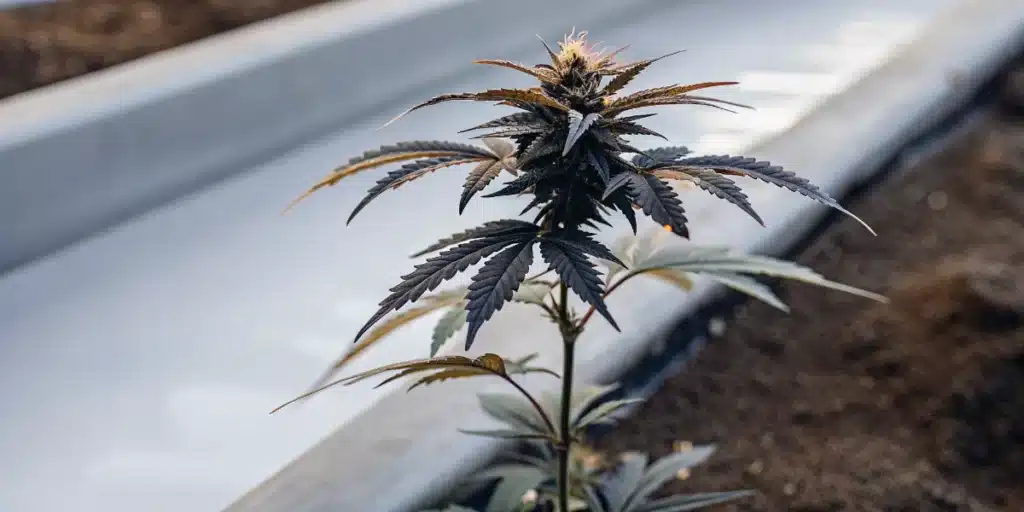
Nutrient burn: Nutrient burn occurs when cannabis plants are stressed by excessive fertilization, leading to salt buildup in the root zone. This disrupts water uptake, causing symptoms like yellow, brown, or crispy leaf tips, curling, and dark green foliage. Resolving this issue often involves flushing the soil to remove excess salts, ensuring your plants regain their health.
Nutrient burn in cannabis can severely impact plant health, manifesting as discolored leaf tips and stunted growth. This issue, often caused by over-fertilization, requires careful management of nutrient levels. By adjusting your feeding schedule and monitoring soil conditions, you can prevent nutrient burn and maintain optimal plant growth, ensuring a successful harvest.
Recommended Strains
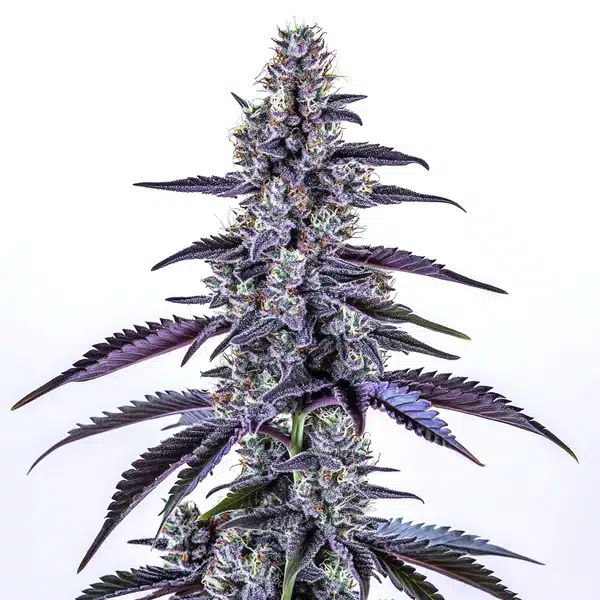
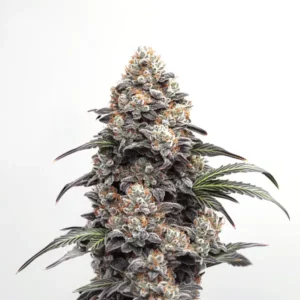
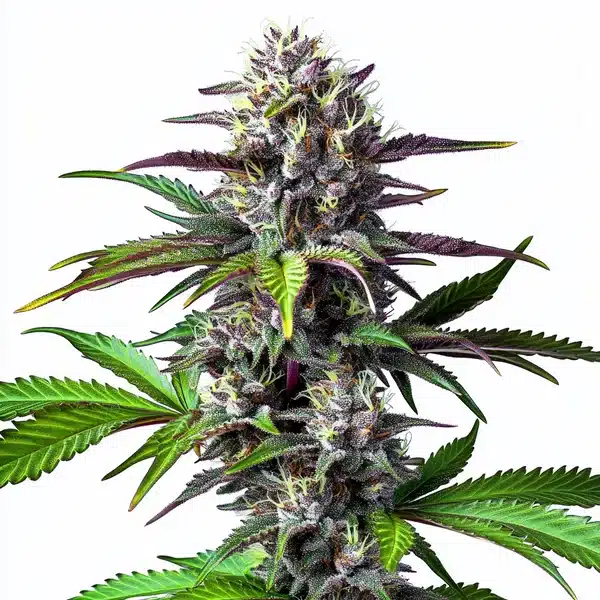
Grape Ape Autoflower

|
THC | 21% - 25% (High) |

|
Type | Autoflowering |

|
Yield | Medium |

|
Phenotype | 85% Indica / 15% Sativa |
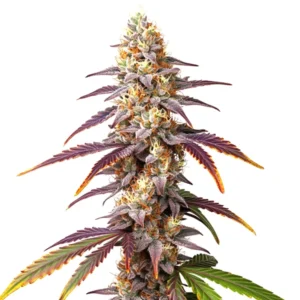
Blue Lobster
|
|
THC | 25% - 26% (High) |
|
|
Type | Feminized |
|
|
Yield | Medium |
|
|
Phenotype | 60% Indica / 40% Sativa |
What is Nutrient Burn?
Causes of Nutrient Burn
Nutrient burn is primarily caused by over-fertilization, where excessive nutrients accumulate in the root zone. This leads to a buildup of salts, disrupting water flow within the plant. When nutrient concentrations exceed what the plant can absorb, it results in stress and damage to the foliage. Most growers experience this when they use a nutrient solution with an N:P:K ratio that is too high, such as 5:1:1 during the vegetative stage.
Experienced cultivators suggest maintaining an electrical conductivity (EC) level of 1.2-1.8 mS/cm during the vegetative phase to avoid nutrient burn. This ensures that the nutrient solution is balanced, preventing the buildup of salts that can lead to leaf damage. Monitoring the pH level, ideally between 6.0 and 6.5, also helps maintain nutrient uptake efficiency.
Identifying Nutrient Burn
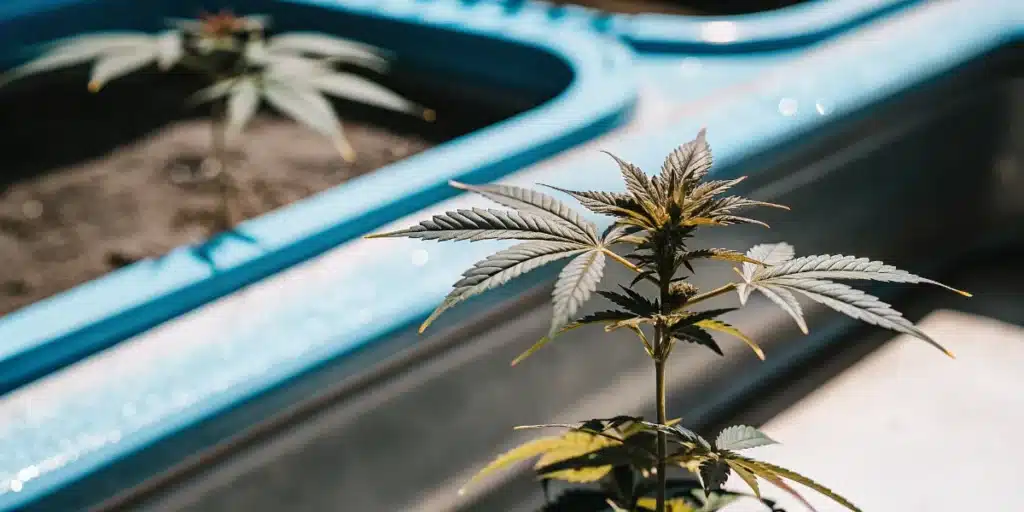
Identifying nutrient burn early is crucial to mitigate its effects. The first signs often appear on the leaf tips, which turn yellow or brown, and may become crispy. This damage can progress to the edges of the leaves, causing them to curl and eventually die. Observing these early signs of nutrient burn allows growers to take corrective action before the plant’s health is severely compromised.
Nutrient burn on leaves is often confused with other issues, such as light burn or deficiencies. However, nutrient burn typically presents as uniform damage across similar-aged leaves. Nutrient burn pictures can be a helpful reference for distinguishing it from other problems. Regularly inspecting your plants and comparing symptoms can help you accurately diagnose the issue.
Promos & Deals
Nutrient Burn vs Deficiency
Distinguishing between nutrient burn and nutrient deficiencies is essential for effective plant care. While nutrient burn results from excess nutrients, deficiencies occur when plants lack essential nutrients. For instance, nutrient burn or potassium deficiency might look similar, but potassium deficiency usually presents as interveinal chlorosis, rather than burnt tips.
To differentiate, consider the plant’s feeding schedule and the symptoms’ progression. Nutrient burn often appears suddenly after a feeding, while deficiencies develop gradually. Monitoring the plant’s response to nutrient adjustments can help you determine the underlying issue. Many cultivators recommend keeping a detailed log of feeding schedules and plant responses.
How to Fix Nutrient Burn
Nutrient Burn Fix During Flowering
Fixing nutrient burn during flowering requires a careful approach to avoid further stress. A common method is flushing the soil with pH-balanced water to remove excess salts. This process involves using about three times the volume of the pot in water, ensuring thorough leaching of accumulated nutrients. It’s crucial to monitor the plant’s recovery and adjust nutrient levels accordingly.
During flowering, maintaining a balanced N:P:K ratio, such as 1:3:2, is vital to support bud development without causing nutrient burn. Many growers find that reducing nutrient concentrations by 25% can prevent further damage. Regularly checking the EC and pH levels helps maintain optimal conditions for flowering plants.
| Feature | Grape Ape Auto | Alien GG | Blue Lobster |
|---|---|---|---|
| THC Content | 21-25% | 23-24% | 25-26% |
| Dominant Terpene | Myrcene | Caryophyllene | Limonene |
| Yield Indoor | 1.31 – 1.47 oz/ft² | 1.31 – 1.97 oz/ft² | 1.31 – 1.47 oz/ft² |
| Flowering Time | 10 – 12 weeks | 8 – 10 weeks | 7 – 8 weeks |
| Height | 4.92 ft | 1.5 m | 4.92 ft | 1.5 m | 4.92 ft | 1.5 m |
Preventing Nutrient Burn
Best Practices for Cannabis Cultivation
Preventing nutrient burn involves careful management of your feeding schedule and nutrient concentrations. Start with a lower nutrient concentration, gradually increasing as the plant grows. Regularly monitor the EC and pH levels to ensure they remain within the optimal range. This proactive approach helps maintain plant health and prevents nutrient-related issues.
Many expert growers recommend using organic fertilizers, which release nutrients slowly and reduce the risk of nutrient burn. Additionally, employing a well-aerated growing medium can enhance nutrient uptake efficiency. Avoiding common mistakes, such as over-fertilizing young plants, is crucial for successful cannabis cultivation.
Professional Tips for Managing Nutrient Burn
- Maintain EC levels between 1.2-1.8 mS/cm during vegetative growth to prevent nutrient overload.
- Flush with pH-balanced water (6.0-6.5) to remove excess salts from the root zone.
- Reduce nutrient concentrations by 25% during flowering to avoid stress on the plants.
- Use organic fertilizers to minimize the risk of nutrient burn due to their slow-release properties.
- Monitor pH levels regularly to ensure optimal nutrient uptake and prevent deficiencies.
- Keep a detailed log of feeding schedules and plant responses to identify and correct issues early.
Frequently Asked Questions
How can I effectively fix nutrient burn in my cannabis plants?
To fix nutrient burn, flush the soil with three times the pot’s volume in pH-balanced water. This removes excess salts. Ensure nutrient concentrations are reduced by 25% in future feedings. Monitor EC levels to maintain a range of 1.2-1.8 mS/cm, preventing further nutrient overload.
What are the key differences between nutrient burn and nutrient deficiencies?
Nutrient burn appears as burnt leaf tips and edges, often after feeding. Deficiencies develop gradually, showing as interveinal chlorosis or pale leaves. Nutrient burn results from excess nutrients, while deficiencies indicate a lack. Monitoring feeding schedules helps distinguish between them.
Where do the first signs of nutrient burn appear on cannabis plants?
The first signs of nutrient burn appear on the leaf tips, which turn yellow or brown and may become crispy. This damage can spread to the edges, causing leaves to curl. Early detection is crucial to prevent further stress and maintain plant health.
What are the best methods to fix nutrient burn in coco coir growing mediums?
In coco coir, flush with pH-balanced water (5.8-6.2) to remove excess salts. Adjust nutrient concentrations to avoid overload. Monitor EC levels, keeping them between 1.0-1.5 mS/cm. Regularly check pH to ensure optimal nutrient uptake and prevent further issues.
Can nutrient burn affect the overall yield of my cannabis plants?
Yes, nutrient burn can significantly reduce yield by stressing plants and damaging foliage. Burnt leaves limit photosynthesis, affecting growth and bud development. Preventing nutrient burn through careful nutrient management and monitoring can help maintain optimal yields.