Expert Insights: How Microbes Affect Cannabis Quality and Safety

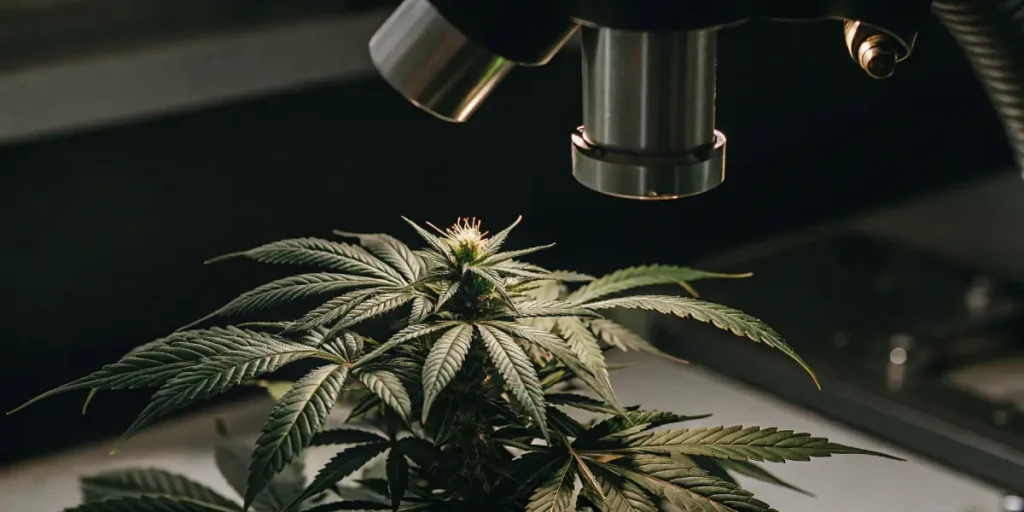
Microbes play a crucial role in the cannabis world. They impact everything from growth to the final product’s quality and safety. By learning how microbes affect cannabis quality and safety, growers can optimize their cultivation processes for better results.
Microbes are tiny living organisms, including bacteria and fungi, that interact with cannabis plants in various ways. Some are beneficial, enhancing growth and potency, while others pose risks. Knowing the difference is key to ensuring high-quality cannabis.
Recommended Strains

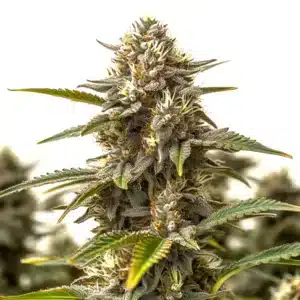
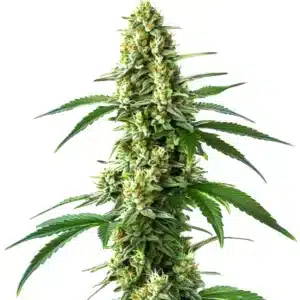
Blue Dream

|
THC | 17% - 24% (High) |

|
Type | Feminized |

|
Yield | High |

|
Phenotype | 50% Indica / 50% Sativa |
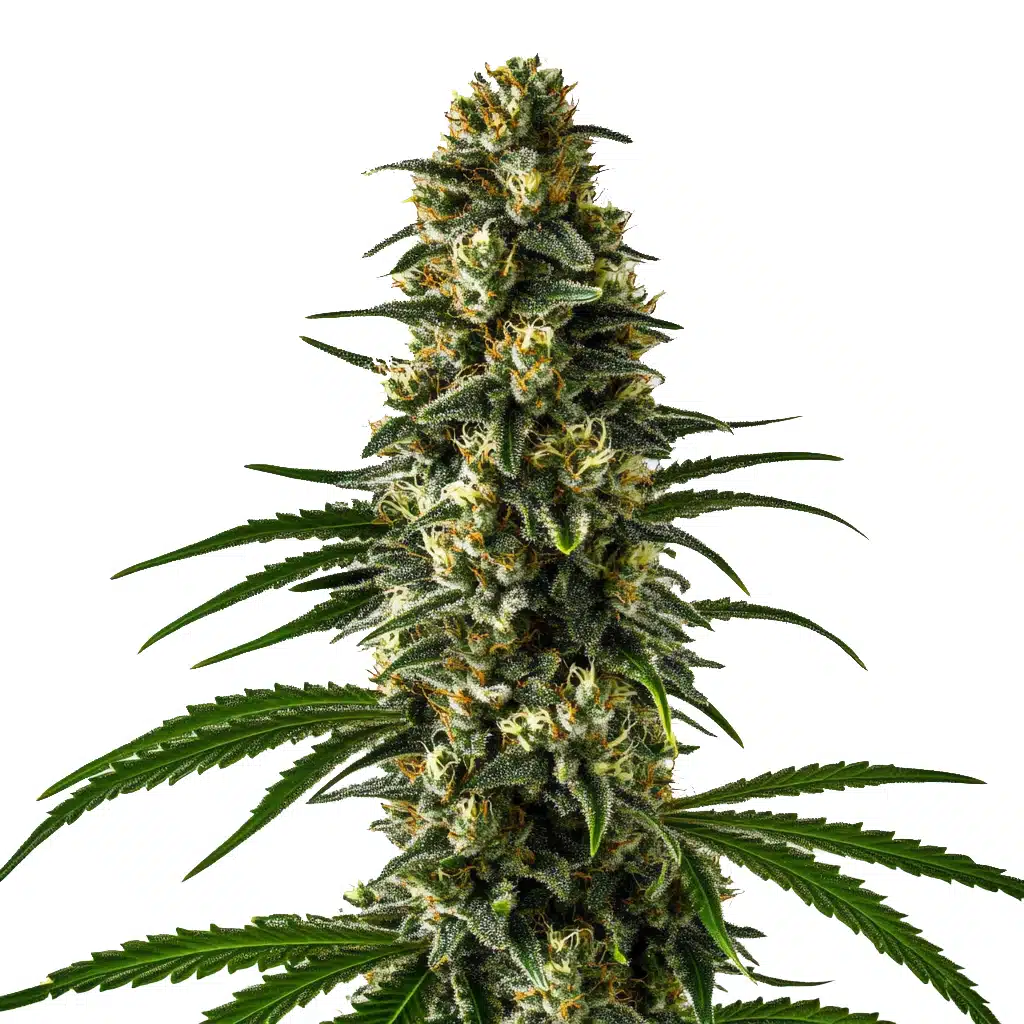
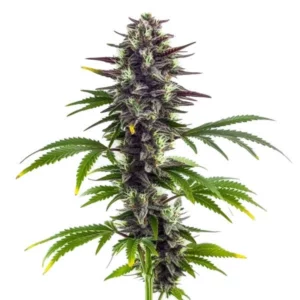
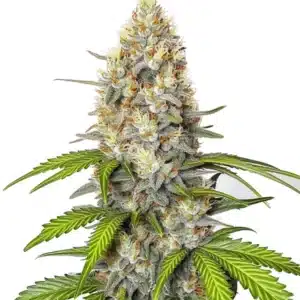
Girl Scout Cookies
|
|
THC | 18% - 25% (High) |
|
|
Type | Feminized |
|
|
Yield | High |
|
|
Phenotype | 60% Indica / 40% Sativa |
Let’s delve into the fascinating world of microbes and their impact on cannabis. Whether you’re a first-time buyer or an experienced grower, knowing these tiny agents can make a big difference.
Beneficial Microbes in Cannabis Cultivation
Bacteria and fungi that benefit cannabis are often called “probiotics” for plants. They help by breaking down organic matter in the soil, making nutrients more accessible to the plant. This boosts growth and overall health.
For example, certain bacteria fix nitrogen, an essential nutrient for cannabis. Others promote root growth, enhancing the plant’s ability to absorb water and nutrients. These beneficial microbes are like little helpers, working behind the scenes to ensure your cannabis thrives.
The function of bacteria in cannabis cultivation quality cannot be underestimated. Bacteria like Bacillus are essential for maintaining soil health and promoting robust plant growth. These microbes support the plant’s immune system, making it more resilient to environmental stressors.
Moreover, the impact of microbes on cannabis potency is significant. Healthy microbial populations can enhance the plant’s ability to produce cannabinoids and terpenes, resulting in a more potent and aromatic end product. This microbial influence on cannabis safety standards ensures that the final product is both high-quality and safe for consumption.
Types of Beneficial Bacteria
Beneficial bacteria include strains like Bacillus and Pseudomonas. Bacillus species can suppress harmful pathogens, reducing the need for chemical pesticides. They also stimulate plant growth hormones, boosting cannabis vigor.
Pseudomonas bacteria are known for their ability to break down complex compounds into simpler forms. This process makes nutrients more available to cannabis plants, enhancing growth and potency.
Bacillus and Pseudomonas not only aid in nutrient absorption but also improve the plant’s stress tolerance. These bacteria help the plant withstand drought conditions or pest attacks, ensuring it remains healthy throughout its growth cycle.
For growers cultivating strains from Blimburn Seeds, these beneficial bacteria can be a game-changer. They help maintain a balanced ecosystem, preventing the overgrowth of harmful microbes and ensuring that the plants achieve their full genetic potential.
Role of Fungi in Cannabis Health
Fungi, like mycorrhizae, form symbiotic relationships with cannabis roots. They extend the root system, allowing plants to access water and nutrients more efficiently. This enhances the plant’s resilience to stress and disease.
Mycorrhizal fungi are particularly beneficial for strains such as Girl Scout Cookies from Blimburn Seeds. These fungi help maintain the strain’s unique chemical profile, ensuring a rich flavor and potent effect.
The function of fungi in cannabis chemical profile is profound. By enhancing nutrient uptake, these fungi also influence the plant’s secondary metabolite production, which includes cannabinoids and terpenes, critical for the plant’s aroma and effects.
Incorporating diverse fungal species into the growing medium can also improve soil structure and fertility. This not only benefits the current crop but also sets the stage for future growing cycles, creating a sustainable cultivation environment.
Promos & Deals




Risks of Microbial Contamination
While beneficial microbes support growth, harmful ones can compromise cannabis quality and safety. Pathogens like mold and bacteria can lead to contamination, posing health risks to consumers.
Contaminated cannabis may cause respiratory issues or infections. Ensuring proper cultivation and storage practices helps mitigate these risks, safeguarding your harvest from potential threats.
Knowing microbial contamination risks in cannabis production is essential for any grower. Common pathogens like mold can proliferate quickly under certain conditions, making regular monitoring and environmental control crucial.
Additionally, the presence of harmful bacteria can be detrimental not just to the plant but also to end consumers. Implementing comprehensive testing and quality assurance protocols can prevent these risks, ensuring that the cannabis produced is both potent and safe.
Common Microbial Contaminants
Pathogenic fungi such as Aspergillus can grow on cannabis, especially in humid conditions. This mold produces toxins that are harmful if inhaled. Regular inspection and maintaining low humidity levels can prevent its growth.
Bacterial contamination, like E. coli or Salmonella, often results from poor hygiene. These bacteria can be introduced during handling or through contaminated water. Applying strict hygiene standards and using clean water sources are vital steps.
Besides to molds, yeast can also be a concern in cannabis cultivation. Yeast can ferment plant material, leading to spoilage and degradation of the product’s quality. Regular microbial testing can help identify and address these issues early.
For cultivators of Blue Dream from Blimburn Seeds, ensuring a contamination-free environment helps preserve the strain’s renowned potency and aroma. This is how fungi affect cannabis chemical profile, impacting the final product’s quality.
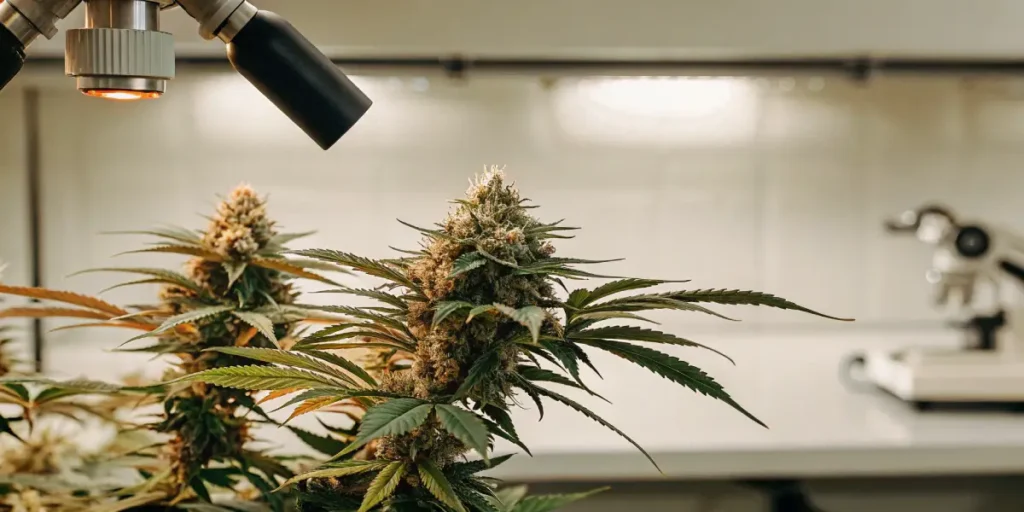
Preventive Measures Against Contamination
Implementing effective preventive measures is crucial. Regularly sterilize equipment and maintain a clean growing environment to minimize risks. These practices help keep unwanted microbes at bay.
Monitoring environmental conditions like temperature and humidity is essential. Use dehumidifiers and fans to circulate air, preventing mold growth. This is particularly important for indoor grows where conditions can quickly become favorable for pathogens.
Incorporating beneficial microbes as part of a biocontrol strategy can be an effective way to outcompete harmful pathogens. These natural allies can help maintain a balanced microbial environment, reducing the need for chemical interventions.
Furthermore, training staff on hygiene and best practices is critical. Ensuring that everyone involved in the cultivation process understands the importance of cleanliness can significantly reduce the risk of contamination.
FAQs about how microbes affect cannabis quality and safety
What are the benefits of using microbes in cannabis cultivation?
Microbes play a vital role in enhancing cannabis growth and health. They break down organic matter, making nutrients more available to plants. This leads to stronger, more resilient plants with better yields.
For instance, beneficial bacteria and fungi can significantly increase the potency and flavor profile of cannabis. Using them in cultivation is a natural way to boost plant performance and ensure high-quality harvests.
Additionally, the role of bacteria in cannabis cultivation quality is fundamental. These microbes not only enhance nutrient uptake but also protect the plant from pathogens, leading to healthier crops and more consistent yields.
By knowing how microbes affect cannabis quality and safety, growers can tailor their practices to maximize the benefits of these tiny organisms. This knowledge is essential for producing premium cannabis that meets consumer expectations.
How do harmful microbes affect cannabis safety?
Harmful microbes, such as certain molds and bacteria, can contaminate cannabis. This poses health risks, especially when consumed. Contaminated cannabis can lead to respiratory issues or infections.
To prevent microbial contamination risks in cannabis production, maintain strict hygiene and environmental controls. Regularly inspect plants and storage areas to ensure they remain free from pathogens.
Knowing the microbial influence on cannabis safety standards is key to producing safe products. By implementing rigorous testing and quality checks, producers can identify potential risks before they reach consumers.
Moreover, adopting preventive measures such as microbial inoculants can help outcompete harmful microbes, creating a safer cultivation environment and ultimately a safer product.
Can microbes improve the potency of cannabis strains?
Yes, beneficial microbes can enhance cannabis potency. By aiding nutrient absorption and promoting plant health, they support optimal cannabinoid production. This leads to more potent and flavorful buds.
Strains like GG4 from Blimburn Seeds benefit from microbial support, resulting in higher THC levels and enhanced resin production. It’s a natural way to maximize the genetic potential of your plants.
The impact of microbes on cannabis potency is evident in the quality of the final product. By fostering a thriving microbial ecosystem, growers can achieve higher cannabinoid concentrations and a more robust terpene profile.
Microbes also play a role in stress resistance, allowing plants to focus more energy on producing secondary metabolites like cannabinoids and terpenes, which are crucial for the plant’s potency and aroma.
What practices help maintain microbial balance in cannabis cultivation?
Maintaining microbial balance involves promoting beneficial microbes while minimizing harmful ones. Use organic soil amendments and microbial inoculants to support beneficial populations.
Ensure proper sanitation and environmental controls to prevent pathogen growth. Regularly test soil and plant health to catch any imbalances early, ensuring a healthy growing environment.
Implementing crop rotation and diversified planting can also help maintain soil health and microbial diversity. These practices prevent the buildup of harmful pathogens and support a balanced microbial ecosystem.
By consistently monitoring and adjusting cultivation practices, growers can maintain an optimal environment where beneficial microbes thrive, directly impacting how microbes affect cannabis quality and safety.
Why is microbial testing important for cannabis products?
Microbial testing ensures cannabis products meet safety standards. It identifies harmful pathogens that could pose health risks to consumers. Testing is a critical step in quality assurance for both medical and recreational cannabis.
By knowing how microbes affect cannabis quality and safety, producers can address potential issues before products reach consumers. This ensures a safe, high-quality experience every time.
Microbial testing also provides valuable insights into the growing environment, allowing producers to make informed decisions about cultivation practices and improvements.
Incorporating regular microbial testing into the production process not only enhances product safety but also builds consumer trust in the brand, reinforcing the commitment to quality and safety.