Proven Insights on Airborne Microbes in Indoor Cannabis Grows

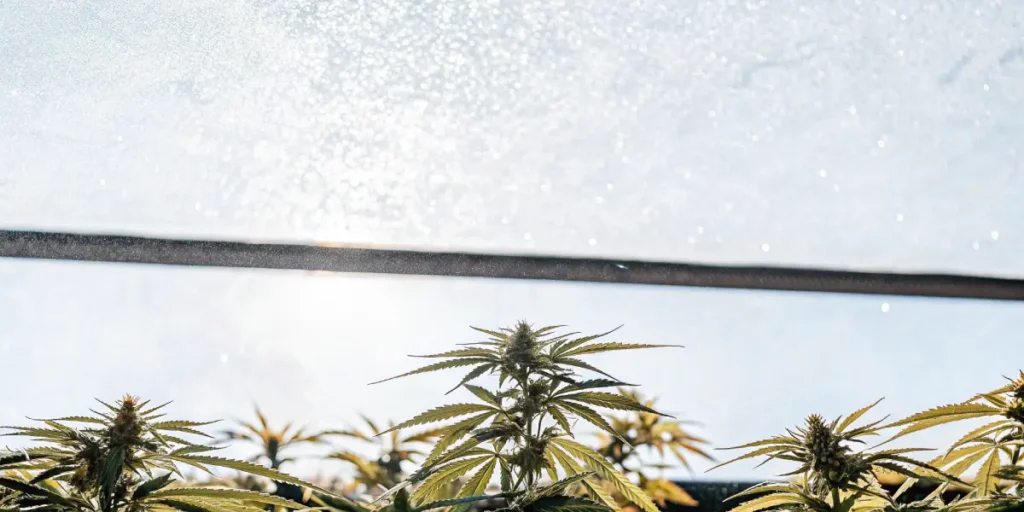
Indoor cannabis cultivation offers many advantages like controlled environments and optimized growth conditions. However, these enclosed spaces can harbor airborne microbes that threaten plant health. Airborne microbes in indoor cannabis grows include bacteria, viruses, and fungi that can affect plant health and yield. Identifying these microbes and implementing effective strategies to control them is crucial for successful cultivation.
One of the most common challenges is managing fungal spores in indoor cannabis cultivation. These spores can lead to mold problems, which hinder plant growth and can ruin entire crops. Thus, knowing indoor cannabis mold prevention strategies becomes essential for growers who want to maintain healthy plants. By focusing on air quality and proper sanitation, growers can significantly reduce the risk of mold and other airborne pathogens.
Recommended Strains

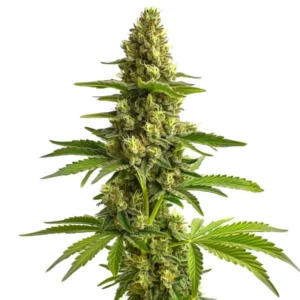
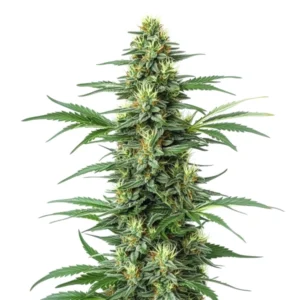
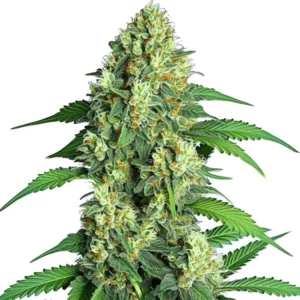
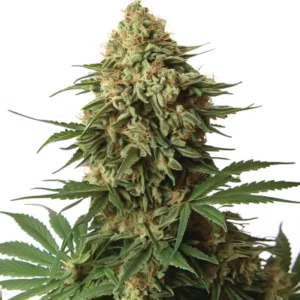
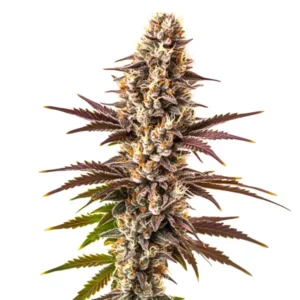
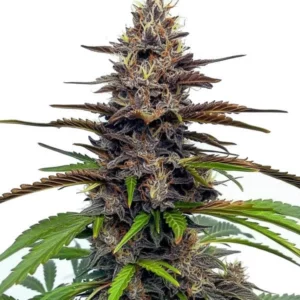
Blackberry Moonrocks

|
THC | 26% - 33% (High) |

|
Type | Feminized |

|
Yield | High |

|
Phenotype | 80% Indica / 20% Sativa |

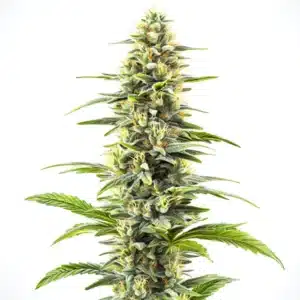
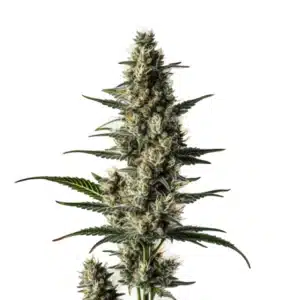
Sour Diesel
|
|
THC | 22% - 25% (High) |
|
|
Type | Feminized |
|
|
Yield | High |
|
|
Phenotype | 30% Indica / 70% Sativa |
Blimburn Seeds offers strains like “Sour Diesel“, “Blackberry Moonrocks“, and “Bruce Banner 3“, each with unique properties that can thrive in well-maintained indoor environments. Cultivating these strains under optimal conditions ensures that growers can achieve the best possible results while minimizing the impact of airborne microbes in indoor cannabis grows.
Identifying Airborne Microbes
Airborne microbes are tiny organisms that can float through the air and settle on your cannabis plants. These include bacteria, viruses, and fungi. If not managed properly, they can lead to diseases and reduced plant vigor. Airborne bacteria control in cannabis grows is vital to prevent potential outbreaks. Regular monitoring can help identify these microbes early.
Using air sampling techniques, growers can assess the types and concentrations of airborne microbes in their grow rooms. This information is crucial for implementing targeted solutions. Installing HEPA filters or UV light systems can be part of an effective cannabis grow room air quality solution, reducing the presence of harmful microbes.
Advanced technologies, such as real-time air monitoring systems, can provide continuous data on microbial levels, allowing growers to quickly respond to any spikes in airborne pathogens. These systems can analyze air samples and alert growers to potential threats, offering an additional layer of protection against microbial outbreaks.
Knowing the specific types of airborne microbes in indoor cannabis grows is also crucial for selecting appropriate management strategies. For instance, identifying a prevalence of fungal spores may prompt more aggressive humidity control measures, while bacterial outbreaks might be addressed through increased sanitation efforts.
Promos & Deals
Preventive Measures in Indoor Grows
Prevention is key in managing airborne microbes. Start by ensuring that the grow room is clean and free from debris. Regular cleaning and sanitation can drastically reduce the number of airborne pathogens in cannabis facilities. Tools, pots, and other equipment should be disinfected regularly to avoid transferring microbes to the plants.
Maintaining proper airflow and humidity levels is another critical strategy. Stagnant air and high humidity create perfect conditions for mold and other fungal spores to thrive. Using oscillating fans and dehumidifiers helps keep the air circulating, making it harder for these organisms to settle and grow.
Another effective preventive measure is the implementation of a regular inspection schedule. By routinely examining plants and the grow environment, growers can catch early signs of microbial issues before they escalate. This proactive approach is essential for maintaining a clean and healthy grow room.
Additionally, educating staff on best practices for indoor cannabis mold prevention strategies can ensure that everyone involved in the cultivation process is aware of the necessary steps to minimize microbial risks. Training sessions and updated protocols can be valuable tools in cultivating a culture of cleanliness and vigilance.
Role of Strain Selection
Choosing the right cannabis strains can improve resilience against airborne microbes. Strains like “Sour Diesel” from Blimburn Seeds are known for their robustness and resistance to common pathogens. This strain, with its strong growth and dense buds, can better withstand minor microbial threats.
Another option is “Blackberry Moonrocks”, which offers a sweet flavor and high THC content. It requires careful monitoring to ensure that conditions do not favor mold growth, yet its hardiness makes it less susceptible to airborne microbes in indoor cannabis grows. Selecting strains that are naturally resistant to mold and pests can significantly reduce the need for chemical interventions.
Strain selection is not only about disease resistance but also about environmental compatibility. Some strains are better suited to specific growing conditions, such as lower humidity or cooler temperatures, making them ideal candidates for indoor cultivation where conditions can be tightly controlled.
Moreover, by choosing strains that align with the intended use, whether for high yield or specific cannabinoid profiles, growers can optimize their operations while maintaining effective airborne bacteria control in cannabis grows. This strategic approach can lead to healthier plants and more successful harvests.

Strategies for Microbial Management
Managing airborne pathogens requires a multi-faceted approach. Start by implementing proper air filtration systems. High-efficiency particulate air (HEPA) filters can remove up to 99.97% of particles, including airborne microbes. Combine this with regular air circulation to reduce stagnant areas where microbes can accumulate.
Sanitation is another crucial component. Clean and disinfect grow spaces regularly. Consider using natural disinfectants like hydrogen peroxide or vinegar, which are effective against many microbes without leaving harmful residues. Regularly inspect plants for signs of microbial infections, such as discoloration or stunted growth, to address issues promptly.
Besides to these strategies, integrating technology such as automated environmental controls can enhance microbial management. These systems can adjust temperature, humidity, and airflow in real-time, creating an unfavorable environment for airborne microbes in indoor cannabis grows.
Furthermore, fostering a balanced ecosystem within the grow room by introducing beneficial microbes can support plant health. By creating competition for resources, these friendly microbes can suppress the growth of harmful pathogens, contributing to a healthier cultivation environment.
FAQs about airborne microbes in indoor cannabis grows
What are the most common airborne microbes in cannabis grows?
The most common airborne microbes include fungal spores, bacteria, and viruses. Fungal spores like those from powdery mildew and botrytis are prevalent in humid, poorly ventilated environments. Bacteria can also be present, potentially leading to diseases like bacterial wilt or leaf spot.
Viruses, although less common, can spread through airborne vectors as well. These microbes can affect plant health by causing diseases that lead to reduced yield and quality. Regular monitoring and preventive measures can help manage their presence in indoor cannabis grows.
Knowing the lifecycle and environmental preferences of these microbes can aid in their management. For example, fungal spores in indoor cannabis cultivation often thrive in specific humidity ranges, so controlling environmental conditions can be a powerful tool in preventing outbreaks.
Moreover, keeping abreast of the latest research and developments in microbial management can provide growers with new insights and tools for controlling these pathogens. Engaging with the broader cultivation community can also lead to the sharing of successful strategies and innovations.
How can I improve air quality in my grow room?
Improving air quality involves a combination of good airflow, filtration, and humidity control. Use fans to keep air circulating and prevent stagnant pockets where microbes can thrive. Consider installing HEPA filters to capture airborne particles effectively.
Maintaining the right humidity levels is also crucial. Use dehumidifiers to keep humidity in check, especially during the flowering stage when plants are more susceptible to mold. Regularly check and maintain air filtration systems to ensure they are functioning effectively in removing airborne microbes in indoor cannabis grows.
Besides to these measures, employing air purification technologies like UV-C light systems can further enhance cannabis grow room air quality solutions. These systems can neutralize airborne microbes, adding an extra layer of protection against potential pathogens.
Creating a grow room design that facilitates easy cleaning and maintenance can also improve air quality. By reducing clutter and ensuring that all areas are accessible, growers can more effectively implement cleaning protocols and reduce microbial habitats.
What are effective mold prevention strategies?
Mold prevention involves maintaining cleanliness and optimal environmental conditions. Regularly clean and disinfect your grow room to eliminate potential mold spores. Ensure that tools and equipment are sanitized before use.
Control humidity and temperature levels to create an inhospitable environment for mold. Strains that are resistant to mold, such as those offered by Blimburn Seeds, can also be an effective part of your mold prevention strategy. Regular inspection of plants for early signs of mold can help in taking prompt action.
Consider implementing a rotational cleaning schedule that addresses all areas of the grow facility, from the grow room to storage areas. This comprehensive approach can prevent the accumulation of mold spores in less frequently accessed zones.
Moreover, using preventive treatments such as organic fungicides can provide an additional safeguard against mold, especially during high-risk periods. These treatments should be used judiciously to avoid disrupting the beneficial microbial balance within the grow environment.
Why is strain selection important for managing airborne microbes?
Strain selection is crucial because some strains have natural resistance to common pathogens. Choosing strains with robust genetics can reduce the impact of airborne microbes on your plants. For example, “Sour Diesel” and “Bruce Banner 3” from Blimburn Seeds offer excellent resilience.
These strains can thrive in less-than-ideal conditions, reducing the need for chemical interventions and allowing growers to focus on maintaining a clean and healthy environment. Selecting the right strain is a proactive step in managing airborne microbes in indoor cannabis grows.
Beyond disease resistance, strain selection can also influence the overall maintenance and care requirements of the grow. By choosing strains that are well-suited to specific cultivation techniques, such as hydroponics or soil-based growing, growers can optimize their operations and improve plant health.
Additionally, collaborating with seed providers like Blimburn Seeds for advice on strain selection can ensure that growers are choosing the most suitable varieties for their specific environmental conditions and microbial management needs.
What are the benefits of using beneficial microbes in cannabis cultivation?
Beneficial microbes can enhance plant health by outcompeting harmful pathogens. They create a balanced microbial environment that supports plant growth and resilience. Products containing beneficial bacteria or fungi can be added to the soil or growing medium.
This approach not only helps in managing airborne microbes but also improves nutrient uptake and overall plant vigor. By incorporating beneficial microbes, growers can establish a more sustainable cultivation practice that naturally curtails the impact of harmful airborne pathogens.
Moreover, beneficial microbes can help in breaking down organic matter in the soil, improving soil structure and fertility. This can lead to healthier root systems and increased plant resilience against environmental stressors.
Incorporating beneficial microbes as part of a comprehensive microbial management strategy can also reduce the need for chemical pesticides, promoting a more environmentally friendly and sustainable cultivation approach. This aligns with the growing demand for organic and eco-friendly cannabis products.