Essential Guide: Cannabis Microbes—Fungi, Bacteria, Yeast & Mold Explained

In the world of cannabis cultivation, cannabis microbes: fungi bacteria, yeast, and mold play a crucial role. These small organisms directly impact the health, nutrient uptake, and overall growth of cannabis plants. For both novice seed buyers and seasoned growers, knowing how these microbes interact with the root zone can mean the difference between a bountiful harvest and a disappointing yield.
Fungi, for instance, can be both beneficial and harmful. While some fungi help plants by improving nutrient absorption, others can cause diseases. Similarly, bacteria can enhance growth by fixing nitrogen, but certain strains might also lead to plant illnesses. Knowing which microbes to encourage and which to control is key to successful cannabis cultivation.
Recommended Strains

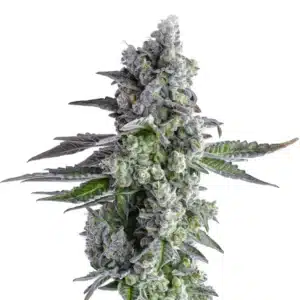
GG4

|
THC | 27% (High) |

|
Type | Feminized |

|
Yield | High |

|
Phenotype | 40% Indica / 60% Sativa |
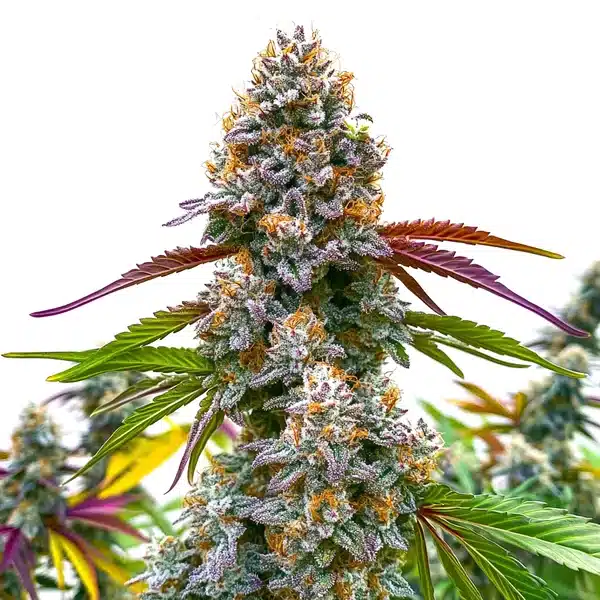
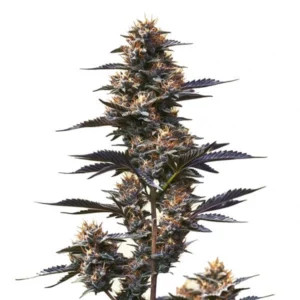
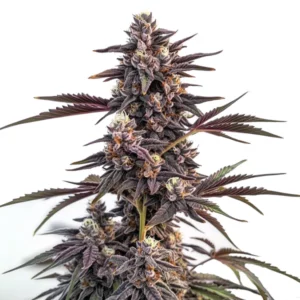
Critical Daddy Purple
|
|
THC | 19% (Medium) |
|
|
Type | Feminized |
|
|
Yield | High |
|
|
Phenotype | 50% Indica / 50% Sativa |
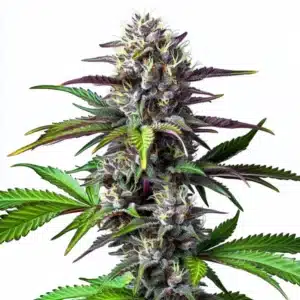
Companies like Blimburn Seeds offer strains that are specifically bred to resist common microbial threats. For example, their potent Critical Daddy Purple strain is not only famous for its effects but also for its resilience against fungi and bacteria.
The Function of Fungi in Cannabis Growth
Fungi are a type of microorganism that can form symbiotic relationships with cannabis plants. These relationships often benefit the plant by enhancing its nutrient uptake. Mycorrhizal fungi, for example, attach to the plant’s roots and extend far into the soil, accessing nutrients that roots alone cannot.
However, not all fungi are beneficial. Some, like powdery mildew, pose a threat to cannabis plants. This type of fungus appears as a white powder on leaves and can severely impact plant health if not managed properly. Regular monitoring and maintaining optimal humidity levels can help prevent such fungal issues.
The function of fungi in cannabis growth is multifaceted. Beneficial fungi can enhance soil structure, improve water retention, and protect plants from certain pathogens by outcompeting them for resources. This holistic approach to enhancing plant health underlines the importance of knowing cannabis microbes: fungi, bacteria, yeast, and mold explained.
Innovations in microbial inoculants have gained traction among growers looking to maximize their yields. By incorporating specific fungi into their cultivation practices, growers can create a resilient environment that supports robust plant development. Strains from Blimburn Seeds, known for their compatibility with beneficial fungi, make an excellent choice for such endeavors.
Impact of Bacteria on Cannabis Plants
Bacteria are single-celled organisms that can be found in vast numbers in the soil. Many bacteria are beneficial, decomposing organic matter into nutrients that plants can absorb. Nitrogen-fixing bacteria, for example, convert atmospheric nitrogen into a form that plants can use, promoting healthy growth.
On the flip side, some bacteria can cause diseases in cannabis plants, leading to symptoms like wilting and discoloration. It’s essential to maintain proper plant hygiene and soil health to minimize harmful bacterial growth. Using strains like GG4 from Blimburn Seeds can help, as they are bred for robustness against bacterial threats.
The impact of bacteria on cannabis plants is profound. Beneficial bacteria can help suppress soil-borne diseases by creating a competitive environment that limits the growth of harmful pathogens. These microorganisms in cannabis cultivation play a vital role in maintaining a healthy ecosystem that supports plant vitality and yield.
Advanced research into bacterial inoculants is shaping the future of sustainable cannabis cultivation. By leveraging the natural abilities of beneficial bacteria, growers can reduce dependency on chemical fertilizers and pesticides. This eco-friendly approach not only supports plant health but also contributes to the overall sustainability of cannabis farming practices.
Promos & Deals
Yeast Applications in the Cannabis Industry
Yeast, while commonly associated with baking and brewing, also has applications in the cannabis industry. These microorganisms can be used in the fermentation process to enhance the flavor and aroma of cannabis products. Yeast can also play a role in the extraction of cannabinoids, offering a more efficient way to produce cannabis concentrates.
For growers and producers, knowing how to utilize yeast can lead to superior product quality. Fermentation techniques that incorporate yeast can result in unique terpenes, adding distinct flavors to cannabis strains. This is particularly useful for artisanal cannabis products looking to stand out in the market.
Yeast applications in the cannabis industry extend beyond flavor enhancement. This versatile microorganism can be employed in bioengineering to create yeast strains that produce cannabinoids. Such innovations could revolutionize the way cannabinoids are manufactured, offering a sustainable and scalable alternative to traditional extraction methods.
For producers seeking to innovate, exploring yeast applications opens new doors to product differentiation. By harnessing the power of yeast in controlled environments, companies can develop products with unique profiles, meeting the evolving demands of consumers looking for novel cannabis experiences. Blimburn Seeds strains, known for their adaptability, are perfect for such experimental endeavors.
Mold Prevention in Cannabis Cultivation
Mold is a common issue in cannabis cultivation and can devastate crops if not controlled. Mold thrives in humid environments, making it essential for growers to manage their grow room conditions carefully. Ventilation, dehumidification, and monitoring are key strategies in mold prevention.
One way to prevent mold is by choosing the right cannabis strains. Strains that are mold-resistant, like Blimburn Seeds’ Critical Daddy Purple, can significantly reduce the risk of mold-related issues. It’s also crucial to remove any infected plant material promptly to prevent the spread of mold spores.
Effective mold prevention in cannabis cultivation begins with environmental control. Growers should monitor temperature and humidity levels closely, adjusting them as needed to create conditions unfavorable for mold growth. Regular inspections of plants and grow spaces help in early detection and swift action against mold outbreaks.
Incorporating biological controls and natural fungicides can also aid in mold prevention. By fostering a balanced ecosystem where beneficial microorganisms thrive, growers can naturally suppress mold and other detrimental microbes. This holistic approach not only ensures healthier plants but also aligns with sustainable cultivation practices.
FAQs about cannabis microbes: fungi bacteria
What are the benefits of fungi in cannabis cultivation?
Fungi, particularly mycorrhizal fungi, play a beneficial role by forming symbiotic relationships with cannabis plant roots. This relationship enhances nutrient uptake, allowing plants to access nutrients beyond their root zone. Fungi facilitate the absorption of phosphorus and other essential minerals, promoting healthier and more robust plant growth.
In practical terms, incorporating beneficial fungi into your cultivation process can lead to increased yields and more vigorous plants. Products containing these fungi are available for growers looking to optimize their soil health and nutrient availability.
The function of fungi in cannabis growth is not limited to nutrient absorption. These microorganisms also help improve soil structure, fostering an environment conducive to root development. As a result, plants become more resilient to stressors such as drought or pest infestations, ultimately enhancing crop quality and yield.
For growers interested in maximizing the benefits of cannabis microbes: fungi, bacteria, yeast, and mold explained, integrating fungal inoculants into their practice is a prudent choice. By doing so, they can exploit the full potential of their soil ecosystem, leading to sustainable and productive cultivation outcomes.
How do bacteria impact cannabis plants?
Bacteria can have both positive and negative effects on cannabis plants. Beneficial bacteria help decompose organic matter, releasing nutrients that plants need to thrive. Some bacteria also fix nitrogen, converting it into a form that plants can absorb, which is crucial for healthy development.
However, harmful bacteria can lead to diseases that affect plant health. It’s important to maintain a balanced soil ecosystem and practice good hygiene to minimize the risk of bacterial infections. Using disease-resistant strains can also help protect against bacterial threats.
The impact of bacteria on cannabis plants can be profound, influencing everything from growth rates to disease resistance. Beneficial bacteria can outcompete pathogenic microorganisms, reducing the incidence of bacterial diseases and promoting a healthier soil microbiome.
Embracing a microbial management approach that includes beneficial bacteria is essential for achieving optimal plant health. By fostering a diverse microbial community within the soil, growers can enhance nutrient cycling and improve plant resilience, paving the way for successful cultivation.
Can yeast be used in cannabis production?
Yes, yeast can be quite beneficial in cannabis production. It is primarily used in the fermentation process to develop unique flavors and aromas in cannabis products. Yeast can also aid in the cannabinoid extraction process, making it more efficient and potentially enhancing the quality of the concentrates produced.
For growers and producers looking to innovate, experimenting with yeast can lead to distinctive products that stand out in the competitive cannabis market. Control of fermentation conditions is essential to maximize the benefits of yeast applications.
Yeast applications in the cannabis industry are expanding with ongoing research into bioengineered yeast strains capable of producing cannabinoids. This cutting-edge technology could reshape production methods, offering a cost-effective and environmentally friendly alternative to traditional cultivation.
By exploring yeast applications, producers can tap into new possibilities for product development. Leveraging yeast’s natural fermentation capabilities allows for the creation of specialized cannabis products with enhanced sensory attributes, appealing to consumers seeking unique cannabis experiences.
What strategies can prevent mold in cannabis cultivation?
Mold prevention is critical in cannabis cultivation to protect crops from damage. Key strategies include maintaining proper air circulation, controlling humidity levels, and ensuring adequate ventilation. Regular monitoring and quick removal of any infected plant material are also essential practices.
Choosing mold-resistant strains, such as those offered by Blimburn Seeds, can further reduce the risk of mold. Implementing these strategies can help ensure a healthy, mold-free cannabis crop, leading to better yields and quality.
Proactive mold prevention in cannabis cultivation involves a combination of environmental controls and strategic planning. Using tools like hygrometers and dehumidifiers helps maintain optimal grow room conditions, preventing the humid environments where mold thrives.
Besides to environmental management, cultural practices such as proper plant spacing and regular pruning are crucial. These practices enhance air circulation around plants, reducing the likelihood of mold development and ensuring a robust, healthy crop.
Are there specific cannabis strains resistant to microbial threats?
Yes, certain cannabis strains are bred for resistance to microbial threats. Blimburn Seeds offers strains like GG4 and Critical Daddy Purple, which are known for their resilience against fungi, bacteria, and mold. Selecting such strains can help mitigate the risks associated with microbial issues.
These strains are ideal for growers in regions prone to high humidity or those looking to minimize the risk of microbial infections. By choosing resistant strains, growers can focus on maximizing yield and quality without the constant worry of microbial threats.
Resistant cannabis strains offer growers a reliable strategy to combat microbial threats without resorting to excessive chemical inputs. By selecting strains with built-in resistance, growers can achieve consistent yields and high-quality crops while maintaining an environmentally conscious approach.
For those looking to delve deeper into cannabis microbes: fungi, bacteria, yeast, and mold explained, choosing the right strains is paramount. Blimburn Seeds’ offerings provide an excellent option for growers seeking robust plants capable of withstanding microbial pressures, ensuring a productive and healthy cultivation experience.