Expert Guide: Photodegradation of Cannabinoids Explained Clearly

Photodegradation of cannabinoids is a crucial topic for anyone interested in cannabis cultivation or consumption. It refers to the breakdown of cannabinoids when exposed to light, particularly UV light. This process can significantly impact the potency and efficacy of cannabis products.
Cannabinoid photodegradation process analysis is essential for growers and users alike. By knowing how cannabinoids degrade under light exposure, individuals can better store and preserve their cannabis products. Factors such as light intensity, duration of exposure, and the type of light all play a role.
Recommended Strains
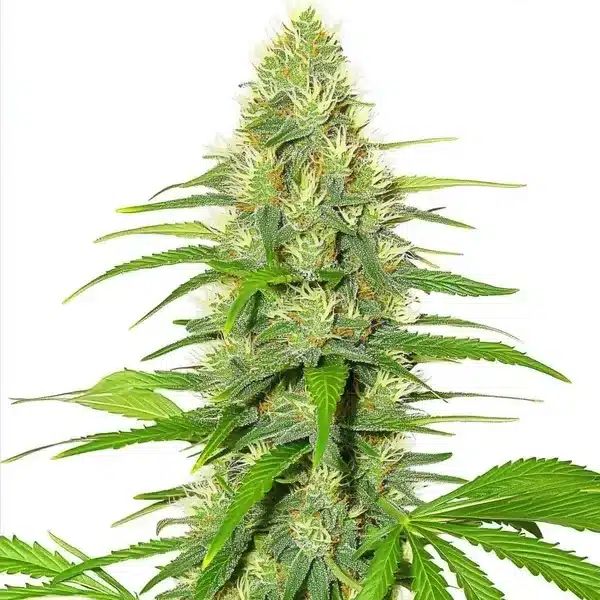
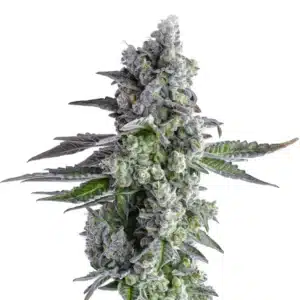
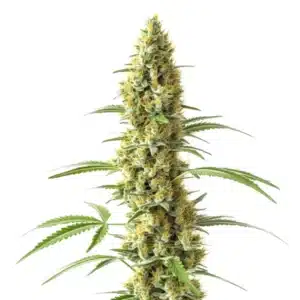
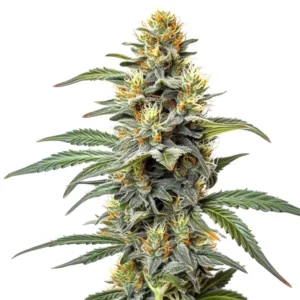
White Widow

|
THC | 18% - 25% (High) |

|
Type | Feminized |

|
Yield | High |

|
Phenotype | 45% Indica / 55% Sativa |

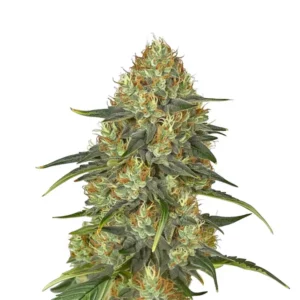
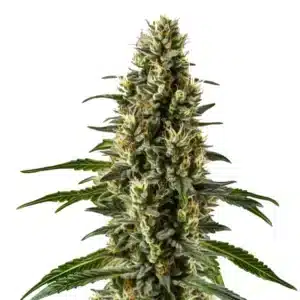
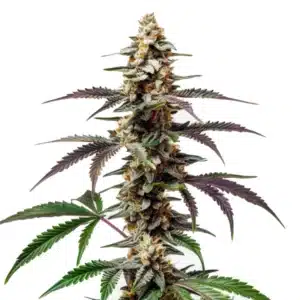
GG4
|
|
THC | 27% (High) |
|
|
Type | Feminized |
|
|
Yield | High |
|
|
Phenotype | 40% Indica / 60% Sativa |
For instance, let’s imagine you have just harvested a batch of White Widow from Blimburn Seeds. To maintain its potency, proper storage away from direct sunlight is recommended. This practice helps to minimize the photodegradation pathways of cannabis compounds, ensuring that the cannabinoids remain stable and effective over time.
Impact of UV Light on Cannabinoid Stability
UV light is a significant factor affecting cannabinoid photodegradation rates. When cannabis is exposed to UV light, the cannabinoids within the plant material begin to break down. This degradation can lead to a loss in potency and efficacy, which is why proper storage is so important.
Growers often take measures to reduce UV exposure by using specialized glass jars or UV-blocking bags. These methods help to shield the plant from harmful rays. Consider growing strains like OG Kush from Blimburn Seeds, which is known for its resilience and quality when stored correctly.
In addition to UV-blocking solutions, some growers implement indoor cultivation techniques where light exposure can be strictly controlled. This approach allows them to manage the photodegradation of cannabinoids explained in detail, ensuring the highest possible retention of potency. Innovative light-filtering technologies are also being developed to further protect cannabis during both storage and growth phases.
Another strategy is the utilization of natural barriers such as shade cloths or the strategic placement of plants in outdoor settings. These practices help mitigate the impact of UV light on cannabinoid stability, making it easier to maintain the desired characteristics of strains like Northern Lights from Blimburn Seeds. Such methods not only preserve cannabinoid content but also enhance the overall growth environment.
Promos & Deals
Factors Affecting Cannabinoid Photodegradation Rates
Several factors influence how quickly cannabinoids degrade under light. Light intensity is one of the primary factors. Higher intensity means more energy, leading to faster degradation. This is why cannabis should always be kept in dark, cool places.
Temperature also plays a significant role. Warmer environments can accelerate the photodegradation process. Therefore, storing cannabis in a cool environment is beneficial. Additionally, the type of packaging used can either protect or expose cannabinoids to degrading elements.
Humidity is another critical factor affecting cannabinoid photodegradation rates. Excessive moisture can exacerbate degradation by creating an environment conducive to mold and mildew growth, which can further compromise the integrity of the cannabis. Utilizing airtight containers is an effective way to control humidity levels and prolong the shelf life of your products.
The age of the cannabis product can also influence its susceptibility to photodegradation. Older cannabis may have already undergone some degree of degradation, making it more vulnerable to further breakdown when exposed to light. For this reason, it is often recommended to consume or process cannabis within a certain timeframe post-harvest to ensure maximum potency.
Environmental Influences on Cannabinoid Photodegradation
Environmental conditions can greatly influence the degradation process. For example, cannabis stored in a humid environment may experience faster degradation due to moisture. This is where the importance of airtight containers becomes evident.
Moreover, environmental influences like temperature fluctuations can also affect cannabinoid stability. Consistency in storage conditions is key to preserving the quality of strains such as Tangie from Blimburn Seeds. This sativa-dominant strain is particularly sensitive to environmental changes.
Another environmental factor to consider is air quality. Poor air quality, characterized by pollutants and airborne contaminants, can accelerate the photodegradation pathways of cannabis compounds. Ensuring that storage areas are well-ventilated and free from contaminants can help preserve the integrity of cannabinoids.
Additionally, the geographical location where cannabis is stored or grown can have a direct impact on its photodegradation. Regions with higher levels of natural sunlight or more extreme environmental conditions may require more robust storage solutions to protect against rapid degradation. This highlights the importance of tailoring storage practices to specific environmental contexts for optimal preservation.
Photodegradation Pathways of Cannabis Compounds
Photodegradation pathways refer to the chemical changes that occur when cannabinoids are exposed to light. One common pathway involves the conversion of THC to CBN, which is less psychoactive. This transformation can reduce the overall potency of the cannabis.
Knowing these pathways helps growers like those cultivating Blimburn Seeds strains to optimize their storage methods. By minimizing light exposure, they can preserve the desired cannabinoid profile of their harvest.
Besides to the conversion of THC to CBN, other cannabinoids like CBD can also undergo structural changes when exposed to light, potentially altering their therapeutic properties. Recognizing these pathways allows for a more comprehensive cannabinoid photodegradation process analysis, enabling more informed decisions regarding cultivation and storage practices.
Interestingly, some photodegradation pathways can lead to the creation of new compounds that might have unique or enhanced benefits. While this is not always the desired outcome, it opens up potential areas for research and development within the cannabis industry. For growers and enthusiasts, knowing these pathways can lead to innovative approaches in harnessing the full potential of cannabis compounds.
FAQs about photodegradation of cannabinoids explained
How does photodegradation affect cannabis potency?
Photodegradation primarily affects the potency of cannabis by breaking down the cannabinoids present in the plant material. When exposed to light, especially UV light, cannabinoids like THC can degrade into less potent compounds such as CBN. This results in a decrease in the overall psychoactive and therapeutic effects of the cannabis.
For example, if you are a grower cultivating GG4 from Blimburn Seeds, you’ll want to ensure that your harvested buds are stored away from direct sunlight to maintain their potency. Proper storage can help slow down the photodegradation process, preserving the strain’s desired effects and quality.
Photodegradation of cannabinoids explained further reveals that light exposure not only affects potency but can also alter the flavor profile of cannabis. Terpenes, the compounds responsible for the aromatic qualities of cannabis, can degrade under light, changing the taste and aroma of your product. Thus, preserving both cannabinoids and terpenes is crucial for a well-rounded cannabis experience.
Moreover, the stability of certain cannabinoids can be influenced by other compounds present within the plant. Synergistic interactions between cannabinoids and terpenes may either mitigate or exacerbate the effects of photodegradation. Knowing these interactions offers a deeper insight into how to maintain the desired attributes of your cannabis products over time.
What are the best storage practices to prevent photodegradation?
To prevent photodegradation, it’s crucial to store cannabis in a cool, dark place. Containers that block UV light, such as amber glass jars or opaque storage bags, are highly recommended. These solutions help minimize light exposure and maintain the stability of cannabinoids.
Additionally, keeping cannabis in an environment with stable temperature and low humidity is essential. For strains like Critical Mass from Blimburn Seeds, these storage practices ensure longevity and potency, allowing you to enjoy the full range of effects without degradation.
Vacuum sealing is another effective storage practice, as it reduces oxygen exposure, which can contribute to the degradation of cannabinoids. By removing excess air, vacuum sealing helps preserve both the potency and freshness of the cannabis, making it a popular choice among dedicated consumers and growers.
For those looking to store cannabis for extended periods, investing in a dedicated storage solution such as a humidor designed for cannabis can provide optimal conditions. These devices often feature built-in humidity and temperature controls, offering an ideal environment to protect against both photodegradation and environmental influences.
Are all cannabis strains equally affected by photodegradation?
While all cannabis strains can experience photodegradation, the rate and extent may vary. Factors such as the strain’s cannabinoid profile and terpene content can influence how sensitive it is to light exposure. Some strains may be more resilient, while others require more careful handling.
For instance, certain strains from Blimburn Seeds may have a unique terpene profile that offers some degree of protection against light. However, regardless of the strain, proper storage remains a critical step in preserving quality and effectiveness.
Genetic variations among cannabis strains can also play a role in how they respond to light exposure. Some strains have been selectively bred to enhance their resistance to environmental stressors, including light, making them better suited for outdoor cultivation where control over light exposure is limited.
Furthermore, the cultivation practices used can impact a strain’s resilience to photodegradation. Techniques such as stress training or adjusting nutrient profiles can influence the robustness of a strain, potentially affecting its vulnerability to light-induced degradation. Knowledgeable growers can leverage these practices to enhance the durability of their cannabis against environmental challenges.
Can photodegradation be reversed once it has occurred?
Unfortunately, once photodegradation has occurred, it cannot be reversed. Cannabinoids that have broken down into less potent compounds remain in that state. This is why preventive measures are so important in cannabis storage and handling.
For long-term storage, it’s essential to implement best practices from the start. By doing so, growers and users alike can ensure that strains from Blimburn Seeds retain their desired potency and flavor, delivering the expected effects.
Once degradation has set in, the only recourse is to utilize the remaining cannabinoids as effectively as possible, perhaps by incorporating them into products where their reduced potency may not be as critical, such as topicals or edibles. This approach allows for the continued use of degraded cannabis, albeit in a modified form.
While reversal is not possible, ongoing research into the stabilization of cannabinoids offers hope for future innovations. Techniques such as encapsulation or advanced preservation methods may provide new ways to protect cannabinoids from degradation, extending the usable life of cannabis products significantly.
What other environmental factors can affect cannabinoid stability?
Beyond light exposure, temperature and humidity are significant environmental factors that can affect cannabinoid stability. High temperatures can accelerate degradation, while fluctuating humidity levels can promote mold growth, compromising the cannabis quality.
By maintaining a consistent environment, you can protect your cannabis from these influences. For example, using dehumidifiers or air conditioners can create a stable setting for storing your favorite Blimburn Seeds strains, ensuring they remain potent and effective.
Air circulation is another environmental factor that can impact cannabinoid stability. Poor airflow can lead to the buildup of heat and moisture, both of which contribute to the degradation of cannabis. Ensuring adequate ventilation in storage areas helps maintain a balanced environment conducive to cannabinoid preservation.
Additionally, the presence of pests or microorganisms can threaten cannabis quality and stability. Regular monitoring and, if necessary, treatment of storage areas can prevent infestations that might otherwise lead to contamination or degradation of stored cannabis, preserving its integrity for future use.