Terpenes: Choosing the Best for Pain Relief

Several cannabis terpenes are studied for pain and inflammation, most often beta-caryophyllene, myrcene, linalool, alpha-pinene and humulene. In early, mostly preclinical research, these aromatic compounds show anti-inflammatory or analgesic activity, and caryophyllene is notable because it interacts with the body’s CB2 receptors. It’s important to be honest, though: this evidence is preliminary and not the same as proven treatment, individual results vary, and terpenes are not a replacement for medical care.
People typically encounter them within full-spectrum cannabis (where they may work alongside cannabinoids), as isolated terpenes, or in topicals. If you’re considering cannabis or terpenes for pain, talk to a qualified healthcare professional. This article is general information, not medical advice.
Recommended Strains

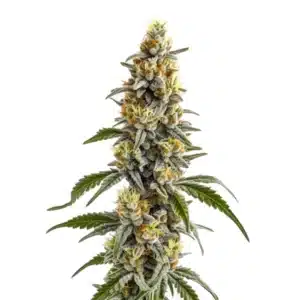
Cannatonic

|
Type | Feminized |

|
THC | 4% - 6% (Low) |

|
Phenotype | 50% Indica / 50% Sativa |

|
Yield | High |

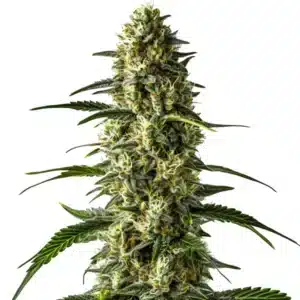
Harlequin
|
|
Type | CBD Feminized |

|
CBD | 6% – 8.5% (Low) |
|
|
Phenotype | 25% Indica / 75% Sativa |
|
|
Yield | High |
Terpenes Studied for Pain and Inflammation
What research has looked at (preliminary, not proven):
| Terpene | Aroma | Studied for (early research) |
|---|---|---|
| Beta-caryophyllene | Peppery, spicy | Anti-inflammatory (acts on CB2 receptors) |
| Myrcene | Earthy, musky | Relaxing, possible analgesic/muscle effects |
| Linalool | Floral (lavender) | Calming, possible anti-inflammatory |
| Alpha-pinene | Pine | Anti-inflammatory potential |
| Humulene | Hoppy, woody | Anti-inflammatory potential |
This is general information, not medical advice; evidence is early and individual.
Promos & Deals
How Terpenes May Help With Pain
Terpenes are the aromatic compounds that give cannabis (and many herbs, fruits and trees) their scent, and beyond smell, researchers are interested in whether some may influence pain and inflammation. The leading example is beta-caryophyllene, which is unusual because it binds to the body’s CB2 cannabinoid receptors, part of the system involved in inflammation, which is why it’s so often studied. Others like myrcene, linalool, pinene and humulene have shown anti-inflammatory or calming activity in laboratory and animal studies.
A popular idea is the ‘entourage effect’, the notion that terpenes and cannabinoids may work better together than alone, though this too is still being researched. The key word throughout is ‘may’: these are promising, plausible mechanisms under investigation, not established medical facts, and how much any of it translates to real pain relief in people is not yet settled.
Ways People Use Terpenes for Discomfort
If you want to explore terpenes, people typically encounter them a few ways. The most common is through full-spectrum cannabis flower or extracts, where terpenes occur naturally alongside cannabinoids, choosing strains described as rich in caryophyllene, myrcene or linalool is one approach. Isolated or added terpenes also appear in some products, and terpene-containing topicals and balms are used on the skin for localized comfort. Methods include inhalation, topicals and edibles, each with different onset and duration.
Because this is a wellness choice with real health implications, it’s worth repeating that there’s no established ‘dose’ of terpenes for pain, products and concentrations vary widely, and you should be cautious, start low, and ideally discuss it with a healthcare provider, especially if you take other medications or have a medical condition. For the chemistry, see our guide to cannabis terpenes.
Choosing Strains by Terpene
Because terpenes occur naturally in the plant, one practical route is choosing strains with the terpene profiles you’re interested in, for example, varieties high in beta-caryophyllene (peppery, often in gassy and kush types), myrcene (earthy, common in relaxing indicas) or linalool (floral, lavender-like). Lab reports or detailed strain descriptions can indicate dominant terpenes, though actual levels vary by plant, grow and batch, so treat profiles as a guide rather than a guarantee, and we don’t quote exact percentages here for that reason.
If a specific terpene interests you, our guide to finding strains with specific terpenes explains how, and for caryophyllene specifically, see our beta-caryophyllene deep-dive. Remember that choosing a terpene-rich strain is a personal wellness decision, not a prescribed treatment.
Important Cautions
A few honest cautions matter here. First, the research on terpenes for pain is still early, largely preclinical (lab and animal studies), so promising findings may not translate directly to reliable relief in people, don’t expect a cure. Second, terpenes are not regulated medicines; product quality, purity and concentration vary, so buy from reputable, lab-tested sources and be wary of bold health claims. Third, more is not better, concentrated terpenes can irritate if misused, so follow product guidance and don’t ingest isolated terpenes casually.
Finally, and most importantly, if you have persistent or significant pain, that deserves proper medical attention: terpenes or cannabis might be part of a conversation with your doctor, but they shouldn’t replace diagnosis and treatment. This article is general information to help you ask better questions, not medical advice.
The Bottom Line on Terpenes for Pain
Terpenes such as beta-caryophyllene, myrcene, linalool, pinene and humulene are studied for anti-inflammatory and pain-related effects, with caryophyllene standing out for acting on CB2 receptors. The science is genuinely interesting but still preliminary, so these are possibilities under research, not proven treatments, and results vary by person.
If you’d like to explore them, you can choose terpene-rich strains or terpene products, start low, buy lab-tested, and, crucially, talk to a qualified healthcare professional, especially for ongoing pain or if you take other medications. Think of terpenes as a wellness avenue to discuss with your doctor, not a substitute for medical care. This is general information, not medical advice.

FAQs
Which terpenes are studied for pain?
Beta-caryophyllene (which acts on CB2 receptors), myrcene, linalool, alpha-pinene and humulene are the terpenes most often studied for anti-inflammatory or analgesic effects. Importantly, this is early, mostly preclinical research, not proof they relieve pain in people. Results vary, and they’re not a substitute for medical care. Consult a doctor; this is not medical advice.
How do terpenes work for inflammation?
Some terpenes show anti-inflammatory activity in lab and animal studies, caryophyllene notably by interacting with CB2 receptors involved in inflammation, and they may work alongside cannabinoids (the ‘entourage effect’). But these are proposed mechanisms under investigation, not established treatment, and how well they translate to people isn’t settled. Discuss any health use with a professional. Not medical advice.
How are terpenes used for pain?
People encounter them through full-spectrum cannabis, isolated terpene products, or topicals, via inhalation, edibles or the skin. There’s no established ‘dose’, and concentrations vary, so start low, buy lab-tested products, and follow guidance. Most importantly, discuss it with a healthcare provider, especially if you take other medications. This is general information, not medical advice.
Can terpenes replace my pain treatment?
No. The evidence is preliminary, terpenes are not regulated medicines, and persistent or significant pain needs proper medical diagnosis and care. Terpenes or cannabis might be something to discuss with your doctor as part of a broader plan, but they shouldn’t replace prescribed treatment. Always consult a qualified professional; this is not medical advice.