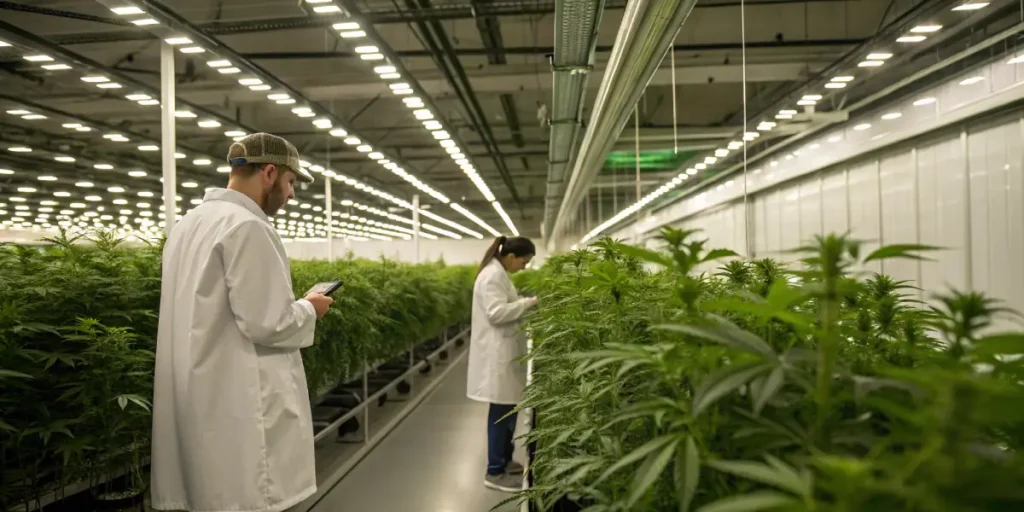
Essential HACCP for Cannabis Cultivation and Processing Guide

HACCP for cannabis cultivation and processing is crucial for ensuring the safety and quality of cannabis products. By implementing a structured plan, cultivators can minimize risks associated with cannabis production. The process involves identifying potential hazards and establishing control measures to address them effectively.
One key aspect of HACCP is developing a comprehensive plan tailored to cannabis cultivation. This includes steps such as identifying hazards specific to cannabis plants, like mold or pests, and setting up preventive measures. Growers should prioritize maintaining a clean environment to prevent contamination.
Recommended Strains
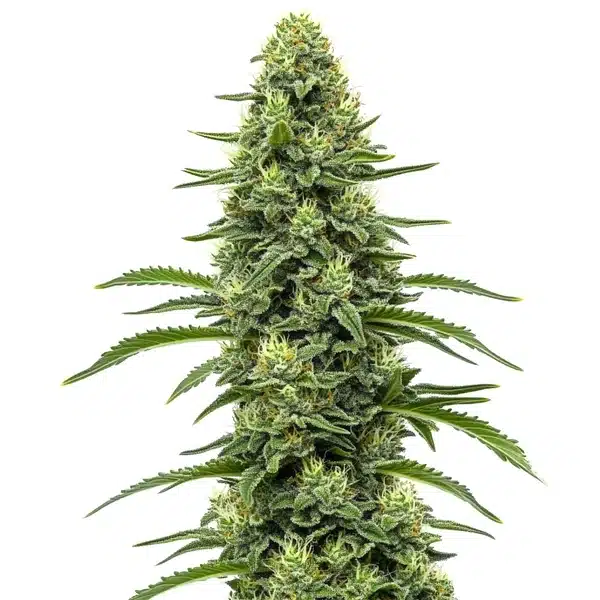
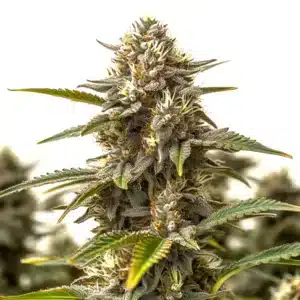
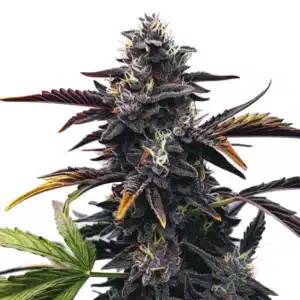
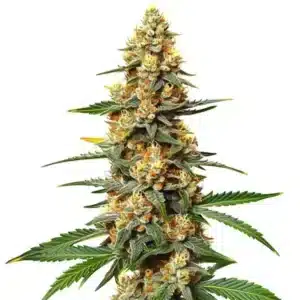
Skywalker

|
THC | 21% (Medium) |

|
Type | Feminized |

|
Yield | Medium |

|
Phenotype | 45% Indica / 55% Sativa |

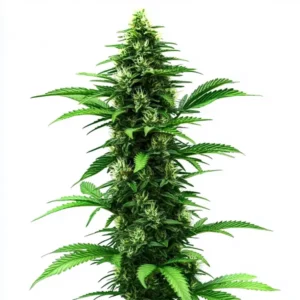
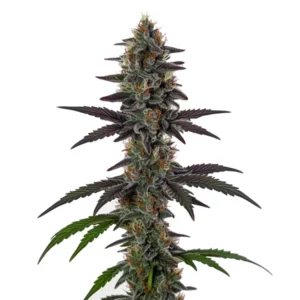
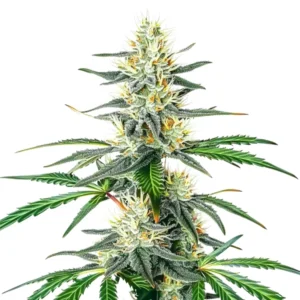
Great White Shark
|
|
THC | 21% - 24% (High) |
|
|
Type | Feminized |
|
|
Yield | High |
|
|
Phenotype | 80% Indica / 20% Sativa |
Practical examples of HACCP in action include monitoring humidity levels and ensuring proper ventilation in grow rooms. These steps help prevent mold growth, which can compromise both plant health and product safety. By following these practices, cultivators can produce high-quality cannabis that meets industry standards.
Key Components of a HACCP Plan for Cannabis Cultivation
A successful HACCP for cannabis cultivation and processing plan starts with a detailed hazard analysis. This involves identifying potential risks that could affect the safety of cannabis plants at every stage. Common hazards include biological threats like pests, chemical risks from pesticides, and physical dangers such as debris.
Once hazards are identified, the next step is to establish critical control points. These are stages in the cultivation process where control can be applied to prevent or eliminate hazards. For example, regular inspections for pest activity can serve as a critical control point, ensuring that any infestations are caught early.
Another component involves setting clear objectives for each critical control point, including target levels and tolerances. This ensures that control measures are not only implemented but also effective. Regular assessments and adjustments are necessary to adapt to changing conditions and to maintain the effectiveness of the HACCP plan for cannabis cultivation.
Documentation plays a vital role in the success of a HACCP plan. Keeping accurate records of all hazard analyses, control measures, and monitoring activities is crucial for demonstrating compliance and facilitating audits. This level of organization allows cultivators to quickly respond to issues and continuously improve their processes.
Implementing Critical Control Points in Cannabis Cultivation
Critical control points are essential for maintaining a high standard of cannabis cultivation. Implementing these measures can significantly reduce the risk of contamination. Regularly cleaning tools and equipment is one practical step. This simple action prevents the spread of pests and diseases.
Another critical control point is the careful monitoring of nutrient levels. Over or underfeeding plants can lead to stress, making them more susceptible to disease. By keeping nutrients balanced, growers ensure robust plant health, which is vital for producing quality cannabis strains like those from Blimburn Seeds.
Introducing automation and technology in monitoring can enhance the efficiency of managing critical control points. Automated sensors and data analytics can provide real-time insights into environmental conditions, enabling prompt interventions when necessary. This technology-driven approach supports the consistent application of HACCP for cannabis cultivation and processing.
Training staff on the importance of critical control points and their roles in executing these measures is another key aspect. Employees should be empowered with the knowledge and skills to identify potential issues and take corrective actions. This not only reinforces the HACCP plan but also fosters a proactive culture of safety and quality in the cultivation environment.
Promos & Deals
Cannabis Processing HACCP Compliance
HACCP compliance in cannabis processing is as important as cultivation. It involves ensuring that the final product is free from contaminants and safe for consumption. Processing stages such as drying, trimming, and packaging all require careful oversight.
During processing, it’s crucial to maintain cleanliness and prevent cross-contamination. This includes using sanitized tools and ensuring that personnel follow hygiene protocols. By adhering to these standards, processors can maintain compliance with HACCP guidelines.
Effective cannabis processing HACCP compliance also involves validating control measures to ensure they are capable of achieving the desired safety outcomes. This might include testing for residual solvents or microbial contaminants in the final product. Such validation steps are essential for confirming that the processing methods are robust and effective.
Continuous improvement is a hallmark of successful HACCP compliance. Processors should regularly review and update their procedures based on new research, technological advancements, and feedback from audits. This iterative approach ensures that the HACCP system remains relevant and effective, keeping pace with the evolving demands of the cannabis industry.
GMP and HACCP for Cannabis Industry
Good Manufacturing Practices (GMP) and HACCP work hand in hand to ensure cannabis product safety. While GMP focuses on the operational aspects of production, HACCP addresses specific safety hazards. Together, they form a robust framework for quality control.
Incorporating GMP into cannabis processing involves maintaining proper documentation and training staff to follow established procedures. This ensures consistency and reliability in product quality. For example, tracking batch numbers can help trace back issues if a product recall becomes necessary.
Both GMP and HACCP for the cannabis industry emphasize the importance of traceability. Being able to track each stage of production from seed to sale not only aids in quality assurance but also in compliance with regulatory requirements. This traceability is vital for consumer safety and building trust in the market.
Integrating GMP and HACCP also encourages a more holistic approach to quality management. By considering both the procedural and hazard-focused aspects, cannabis producers can create a comprehensive system that not only meets regulatory standards but also promotes continuous improvement and innovation in product development.
Hazard Analysis in Cannabis Production
Conducting a thorough hazard analysis in cannabis production is a foundational step in developing an effective HACCP plan. This process involves examining every stage of cultivation and processing to identify potential risks that could compromise product safety.
Biological hazards, such as mold or pests, are often top concerns in cannabis production. Chemical hazards from pesticides or fertilizers also pose significant risks. Physical hazards, although less common, include foreign objects that could contaminate the final product.
An effective hazard analysis in cannabis production should also consider emerging threats and changing environmental factors. Climate variations, for example, can influence pest populations and disease prevalence, requiring adjustments in control strategies. Staying informed about these trends is crucial for maintaining the integrity of the HACCP plan.
Collaboration among stakeholders, including cultivators, processors, and regulatory bodies, can enhance hazard analysis efforts. Sharing knowledge and experiences helps identify common challenges and effective solutions, fostering a community-wide approach to safety and quality in the cannabis industry.
Cannabis Cultivation Critical Control Points
Establishing critical control points in cannabis cultivation is essential for risk management. These points allow growers to apply controls at stages where hazards are most likely to occur. For example, using pest-resistant strains who Skywalker from Blimburn Seeds can serve as a preventive measure against infestations.
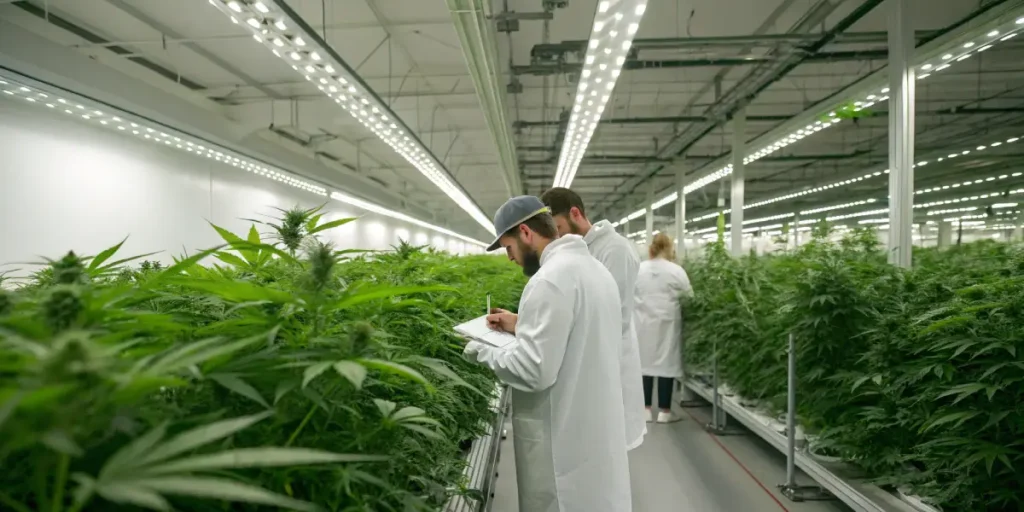
Another example is the use of controlled environments to manage temperature and humidity. This reduces the risk of mold and ensures optimal growing conditions. By maintaining these controls, cultivators can produce high-quality cannabis consistently.
Incorporating regular audits and inspections into the management of cannabis cultivation critical control points can help identify weaknesses and areas for improvement. These evaluations provide valuable feedback for refining control measures and ensuring ongoing adherence to HACCP principles.
Documentation and record-keeping are vital for tracking the performance of critical control points. Detailed logs of monitoring activities, deviations, and corrective actions provide a clear history of the cultivation process, aiding in both compliance verification and continuous improvement efforts.
FAQs about HACCP for cannabis cultivation and processing
What is HACCP, and why is it important in cannabis cultivation?
HACCP, which stands for Hazard Analysis and Critical Control Points, is a systematic approach to identifying and managing risks in food production, now applied to cannabis cultivation. It’s crucial because it helps ensure that cannabis products are safe for consumers by focusing on preventing contamination and other safety hazards throughout the cultivation process.
By implementing HACCP, cannabis growers can proactively address potential risks such as mold, pests, and chemical residues. This not only improves product safety but also enhances quality, meeting both regulatory standards and consumer expectations. It’s a comprehensive strategy that benefits all stakeholders in the cannabis industry.
How does a HACCP plan for cannabis cultivation differ from other crops?
A HACCP plan for cannabis cultivation is tailored to the unique challenges of growing cannabis. Unlike other crops, cannabis has specific requirements for environmental conditions and is subject to stringent regulatory standards. This means the HACCP plan must address these specific needs, such as controlling humidity to prevent mold or ensuring pesticide use complies with legal limits.
Additionally, cannabis cultivation often involves indoor environments, which require precise control over factors like lighting and temperature. These unique aspects necessitate a specialized approach to HACCP, ensuring that all potential hazards are effectively managed to maintain product safety and quality.
How can I ensure HACCP compliance in cannabis processing?
Ensuring HACCP compliance in cannabis processing involves several key steps. First, establish a detailed plan that outlines potential hazards at each stage of processing, from drying and trimming to packaging. Implement critical control points to address these hazards, such as regular equipment cleaning and staff hygiene protocols.
It’s also important to maintain comprehensive documentation of all processes and procedures. This not only helps in monitoring compliance but also provides a traceable record in case of any issues. Regular audits and staff training are essential to keep everyone informed about the latest HACCP practices and to ensure ongoing compliance.
What are critical control points in cannabis cultivation?
Critical control points in cannabis cultivation are specific stages where control measures can be applied to prevent or eliminate hazards. Examples include monitoring pest activity, managing environmental conditions like temperature and humidity, and ensuring proper nutrient balance.
By focusing on these points, growers can effectively manage risks and maintain high standards of safety and quality. Implementing these controls is crucial for producing premium cannabis strains, such as those offered by Blimburn Seeds, that meet both regulatory standards and consumer expectations.
How do GMP and HACCP work together in the cannabis industry?
GMP (Good Manufacturing Practices) and HACCP are complementary systems that together provide a robust framework for ensuring the safety and quality of cannabis products. GMP focuses on the operational aspects, such as maintaining clean facilities and ensuring staff follow standard procedures.
HACCP, on the other hand, specifically targets potential hazards, providing a structured approach to identifying and controlling these risks. By integrating GMP and HACCP, cannabis producers can ensure comprehensive safety and quality management, which is essential for meeting regulatory requirements and gaining consumer trust.