Proven Insights: What Happens to THC in Sunlight Revealed!

Ever wondered what happens to THC in sunlight? Whether you’re a novice or a seasoned grower, knowing sunlight’s impact on THC can help you preserve potency. When cannabis plants bask in the sun, they undergo various transformations, some beneficial, others not so much. Let’s dive into the mechanics of it all and see how you can optimize your growing strategies.
THC, or tetrahydrocannabinol, is the compound in cannabis responsible for its psychoactive effects. When exposed to sunlight, particularly UV light, THC can break down, leading to changes in potency. This process is called THC degradation in sunlight. While sunlight is essential for plant growth, excessive exposure can lead to diminished returns.
Recommended Strains

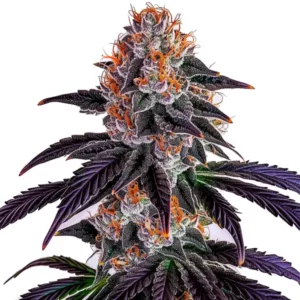
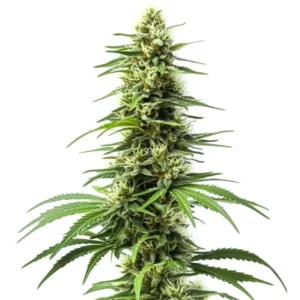
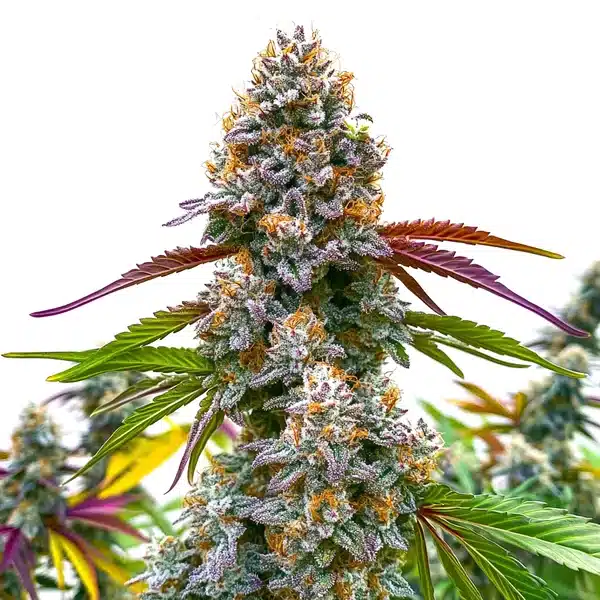
Blackberry Moonrocks

|
THC | 26% - 33% (High) |

|
Type | Feminized |

|
Yield | High |

|
Phenotype | 80% Indica / 20% Sativa |
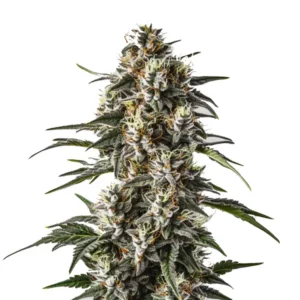
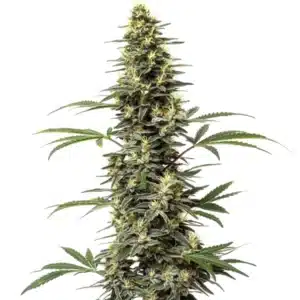
Critical Daddy Purple
|
|
THC | 19% (Medium) |
|
|
Type | Feminized |
|
|
Yield | High |
|
|
Phenotype | 50% Indica / 50% Sativa |
Managing the effects of sunlight on THC potency is crucial. Growers often face the challenge of balancing enough light for growth while minimizing THC loss. Properly managing sunlight exposure can preserve your yield’s quality. Let’s explore how you can achieve this balance effectively.
How Sunlight Affects THC in Cannabis Plants
Sunlight, especially its UV rays, plays a dual role in cannabis cultivation. It promotes growth but can also trigger THC sunlight exposure breakdown. Over time, sunlight-induced THC transformation can lead to a decrease in the compound’s potency. This transformation is a natural process as THC converts to CBN (cannabinol), which is less psychoactive.
To maintain high THC levels, it’s essential to understand the effects of sunlight on THC potency. Strategic planting and harvesting times can help mitigate these effects. For instance, harvesting earlier in the day can reduce prolonged exposure to intense sunlight, preserving more THC in your plants.
Beyond planting and harvesting strategies, utilizing reflective surfaces in your growing area can help manage light exposure. These surfaces can redirect sunlight, minimizing the UV light impact on THC while ensuring your plants receive adequate illumination for healthy growth. Additionally, employing technology such as UV filters can further protect your crops from excessive UV exposure.
Knowing what happens to THC in sunlight also involves recognizing the function of other cannabinoids like CBN. As THC degrades, CBN levels rise, which may alter the overall effects of your cannabis. Monitoring these cannabinoid levels can provide insights into the optimal timing for harvesting and processing to maintain the desired balance and potency in your products.
Promos & Deals
Strategies to Protect Your Cannabis Plants from Sunlight
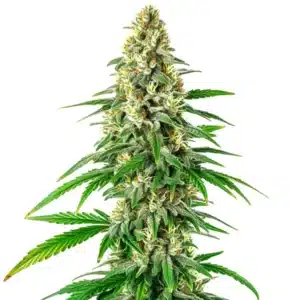
Proper shading and careful timing can be your best allies. Utilize shade cloths during peak sunlight hours to shield your plants from excessive UV light impact on THC. This will help in reducing the rate of THC degradation in sunlight. Another effective strategy is to rotate your plants to ensure even light distribution, preventing any one side from being overexposed.
Additionally, selecting strains that are naturally more resistant to sunlight can be beneficial. Blimburn Seeds offers a variety of strains that thrive in different light conditions. For instance, their Critical Daddy Purple is known for its resilience against harsh sunlight, making it a favorite among outdoor growers.
Incorporating advanced technologies such as smart irrigation systems can further enhance your strategies. These systems adjust watering schedules based on sunlight exposure and plant needs, preventing overexposure and ensuring optimal hydration. Moreover, employing environmental sensors can provide real-time data on light intensity and temperature, allowing you to make informed decisions regarding plant placement and shading.
Educating yourself about what happens to THC in sunlight can empower you to implement additional protective measures. These may include using natural barriers like companion planting to create microclimates or leveraging the natural canopy of taller plants to offer shade. These techniques not only preserve THC levels but also promote biodiversity and ecological balance in your growing environment.
Choosing the Right Cannabis Strains for Sunlight Exposure
When it comes to selecting cannabis strains, consider their natural adaptability to sunlight. Some strains handle UV light impact on THC better than others. For example, Blimburn Seeds GG4 is a robust strain that maintains its potency even under intense sunlight. Its strong genetic makeup makes it less susceptible to THC sunlight exposure breakdown.
Another excellent choice is the Blackberry Moonrocks strain. This strain’s genetic profile allows it to withstand sunlight-induced THC transformation, retaining its potency longer. By choosing such strains, you can ensure your crop remains potent, providing the desired effects.
Exploring hybrid strains that combine the resilience of different genetic backgrounds can also be advantageous. Hybrid strains often offer a unique balance, combining traits that enhance growth under varying sunlight conditions while maintaining high THC levels. This diversity allows growers to experiment with different profiles to find those that best suit their specific environment.
Blimburn Seeds continues to innovate by developing new strains designed to tackle the challenges of THC degradation in sunlight. By keeping abreast of the latest offerings and research, growers can stay ahead of environmental challenges, optimizing their yield and maintaining potency through informed strain selection.
Environmental Factors Affecting THC in Sunlight
Besides sunlight, several environmental factors influence what happens to THC in sunlight. Temperature, humidity, and altitude all play a role. High temperatures can accelerate THC degradation, while excessive humidity may promote mold, further impacting THC levels.
Altitude can also affect THC potency. Plants at higher altitudes receive more direct sunlight, which can increase the UV light impact on THC. However, these plants may also develop a higher THC concentration as a natural defense mechanism against UV light. Knowing your growing environment can help tailor your approach to mitigate these factors.
Soil quality and nutrient availability are additional environmental factors that can influence THC levels. Maintaining a balanced soil composition ensures that plants have access to the necessary nutrients to thrive, potentially enhancing their natural defenses against THC sunlight exposure breakdown. Regular soil testing can help identify nutrient deficiencies and guide timely interventions.
Leveraging technology such as climate control systems can further mitigate adverse environmental effects. These systems can regulate temperature and humidity, creating a controlled microenvironment that minimizes stress on cannabis plants and preserves THC potency. Investing in such technologies can be a valuable step towards achieving consistent, high-quality yields.
Practical Tips for THC Preservation in Sunlight
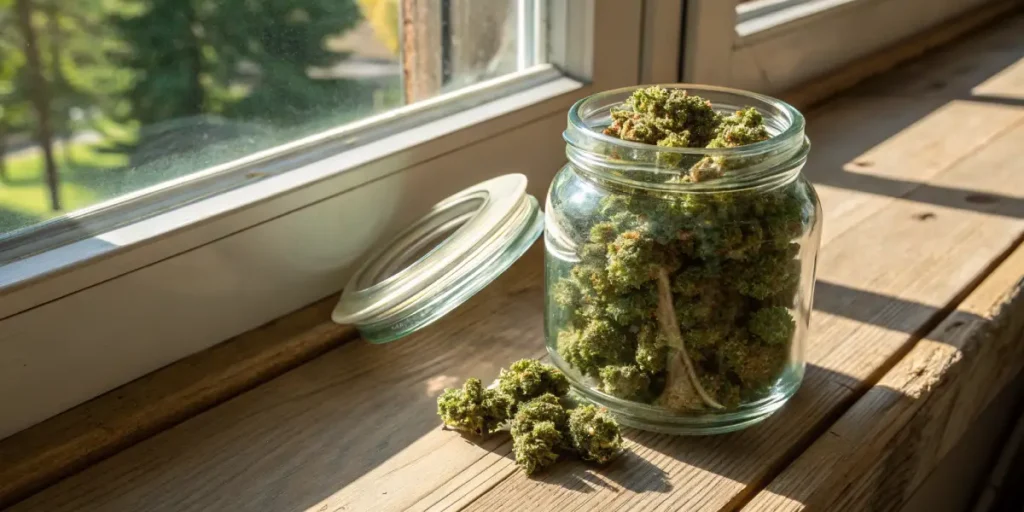
Simple practices can make a significant difference in preserving THC. Regularly check your plants for signs of heat stress, such as wilting or discoloration. These signs indicate overexposure to sunlight and suggest that adjustments are needed. Moving plants to a shadier area or increasing watering frequency can help alleviate stress.
Another practical tip is to use reflective surfaces around your plants. These surfaces redirect sunlight, providing more even exposure without concentrating it too intensely on one section. This technique helps maintain optimal THC levels by reducing the risk of sunlight-induced THC transformation.
Incorporating organic mulches can also aid in reducing soil temperature and conserving moisture, which indirectly supports THC preservation. Mulches act as insulators, maintaining a more stable root environment and minimizing stress from fluctuating temperatures. This stability can be crucial in preventing THC degradation in sunlight.
Engaging in regular pruning and training of your plants can improve air circulation and light penetration, promoting healthier growth. By removing excess foliage, you can reduce shading within the plant canopy, allowing more uniform light distribution and minimizing the UV light impact on THC. This practice is particularly beneficial in dense growing setups where airflow is limited.
- Use shade cloths during peak sunlight hours.
- Rotate plants to ensure even light distribution.
- Choose strains like Critical Daddy Purple and GG4 for better resilience.
- Monitor environmental factors like temperature and humidity.
- Use reflective surfaces to diffuse sunlight.
FAQs about what happens to THC in sunlight
How does sunlight affect THC potency over time?
Sunlight, particularly UV rays, causes THC to degrade over time. This degradation results in the conversion of THC to CBN, a less psychoactive compound. While sunlight is necessary for growth, prolonged exposure can significantly reduce THC levels, impacting the potency of your cannabis.
To manage this, growers should aim to balance sunlight exposure with protection strategies. Using shade cloths and selecting sunlight-resistant strains can help maintain potency. Monitoring environmental conditions also plays a crucial role in minimizing THC loss.
Knowing what happens to THC in sunlight requires acknowledging the cumulative effects of exposure. Over time, even small increments of UV light impact on THC can add up, leading to noticeable changes in potency. Therefore, consistent monitoring and timely intervention are key to preserving the quality of your cannabis harvest.
As research evolves, new insights into the mechanisms of THC degradation in sunlight are emerging. Staying informed about these developments can provide growers with innovative techniques and tools to enhance their cultivation practices, ultimately leading to better THC preservation.
Can all cannabis strains handle sunlight the same way?
No, different cannabis strains have varying tolerances to sunlight. Some strains, like Blimburn Seeds’ Blackberry Moonrocks, are naturally more resilient to sunlight and maintain their potency better. These strains have genetic traits that protect them from rapid THC degradation in sunlight.
Choosing the right strain for your growing conditions can make a big difference. Knowing each strain’s sunlight requirements and tolerance levels will help you select the best options for preserving THC potency.
Exploring the genetic lineage of each strain can provide insights into their adaptability to sunlight. Some strains may have evolved in sunny climates, giving them natural defenses against THC sunlight exposure breakdown. Leveraging this genetic information can guide strategic strain selection for optimal growth and potency.
Additionally, collaborating with other growers to share experiences and insights on strain performance under different sunlight conditions can be invaluable. This collective knowledge can expand your knowing of what happens to THC in sunlight and inform better cultivation practices.
What are some signs that my plants are receiving too much sunlight?
Plants exposed to too much sunlight often show signs of heat stress. These include wilting, leaf curl, and discoloration. If you notice these symptoms, it’s essential to take action quickly to prevent further THC degradation.
Adjusting your plants’ environment by providing additional shade or increasing watering can help alleviate stress. Regular monitoring will ensure your plants remain healthy and potent throughout the growing season.
Besides to physical symptoms, plants may also show reduced growth rates and smaller leaves as a response to excessive sunlight. These signs indicate that the plant is prioritizing survival over growth, which can compromise THC levels and overall yield.
Utilizing plant health monitoring tools can provide early warnings of stress, allowing you to implement corrective measures before significant damage occurs. These tools offer data-driven insights into plant health, enabling proactive management to safeguard THC potency.
How can I optimize my growing environment for better THC preservation?
Optimizing your growing environment involves controlling several factors, including light, temperature, and humidity. Using greenhouses can provide a controlled environment that mitigates extreme conditions. This setup helps reduce THC sunlight exposure breakdown by offering protection against harsh sunlight.
Additionally, employing techniques like reflective surfaces and strategic planting can enhance light distribution and reduce direct sunlight intensity. These methods are effective in maintaining high THC levels in your cannabis plants.
Implementing automated systems for climate control can streamline environmental management, ensuring consistent conditions that support THC preservation. These systems can adjust settings based on real-time data, providing a responsive approach to environmental fluctuations.
Investing in research and development to explore new methods for enhancing what happens to THC in sunlight can yield innovative solutions. Collaborating with experts and participating in industry forums can expose growers to the latest advancements, keeping them at the forefront of cannabis cultivation technology.
Why is it important to monitor environmental factors in cannabis cultivation?
Monitoring environmental factors is crucial because they directly influence the health and potency of your cannabis plants. Factors like temperature, humidity, and sunlight exposure all impact what happens to THC in sunlight. By keeping these factors in check, you can prevent adverse effects like THC degradation.
Regular observation and adjustments ensure your plants grow in optimal conditions, preserving their quality and maximizing their yield. This proactive approach is key to successful cannabis cultivation, whether you’re growing for personal use or commercial purposes.
Documenting environmental conditions and plant responses can build a valuable database that informs future cultivation decisions. This data-driven approach allows growers to identify patterns and refine strategies, leading to more consistent and potent yields over time.
Engaging in continuous education on environmental management techniques enhances a grower’s ability to adapt to changing conditions. As environmental challenges evolve, staying informed and flexible ensures that your cultivation practices remain effective and sustainable.