Proven Ways to Tackle Aflatoxin Contamination in Cannabis Flowers

Aflatoxin contamination in cannabis flowers is a serious concern for growers and consumers. These toxic compounds, produced by certain molds, can compromise the health of your plants and ultimately affect the safety of your product. With the right strategies, you can minimize the risk and ensure your cannabis remains pure and potent.
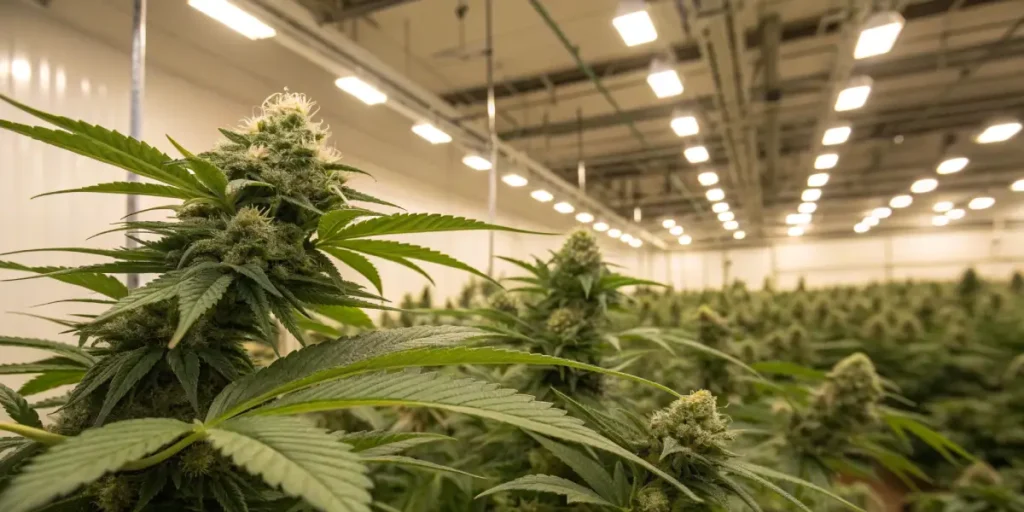
The key to dealing with aflatoxin contamination lies in knowing the environment where your cannabis grows. Molds thrive in warm, humid conditions. By controlling these factors, you’ll have a better chance of keeping aflatoxins at bay. Consider investing in a high-quality ventilation system to maintain optimal conditions for your plants.
Recommended Strains

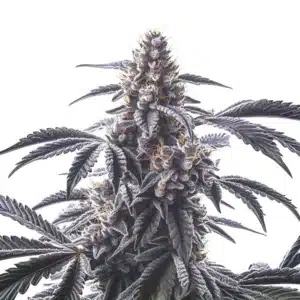
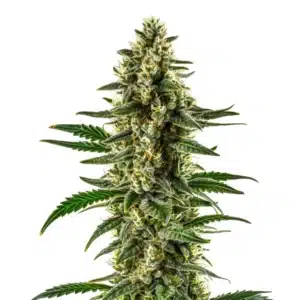
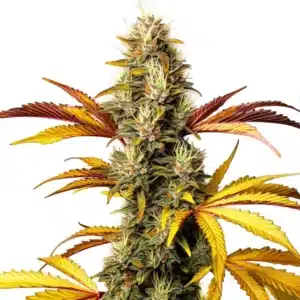
Mamba Negra

|
THC | 18% (Medium) |

|
Type | Feminized |

|
Yield | High |

|
Phenotype | 55% Indica / 45% Sativa |

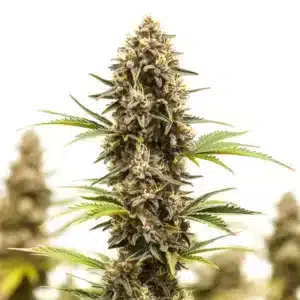
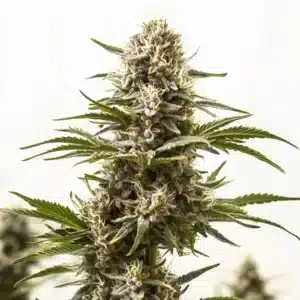
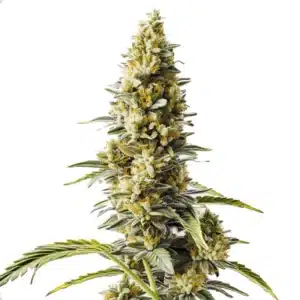
Tangie
|
|
THC | 19% - 22% (Medium) |
|
|
Type | Feminized |
|
|
Yield | High |
|
|
Phenotype | 30% Indica / 70% Sativa |
Regular testing of your cannabis flowers for aflatoxin contamination is also crucial. This process involves taking samples of your product and analyzing them for the presence of aflatoxins. By regularly conducting aflatoxin contamination testing in cannabis flowers, you can catch problems early and take corrective action.
Strategies for Preventing Aflatoxin Contamination in Marijuana
Prevention starts with selecting the right cannabis strains. Choose strains that are resilient to mold and mildew, such as the popular Blue Dream by Blimburn Seeds. This strain is known for its strong genetics and high resistance to environmental stressors.
Implementing proper drying and curing techniques is another effective strategy. Aflatoxins love moisture, so it’s important to dry your cannabis flowers completely before storing them. Use a dehumidifier to maintain the ideal humidity levels during the drying process.
Besides to genetic resistance and environmental control, maintaining a clean and organized growing environment is essential for preventing aflatoxin contamination in marijuana. Regularly cleaning and sanitizing your equipment and spaces can significantly reduce the risk of mold development, thus safeguarding your plants against aflatoxin-producing molds.
Another proactive approach is the use of biological controls that can naturally limit mold growth. Introducing beneficial microorganisms that outcompete harmful molds can be an effective way to manage potential aflatoxin contamination in cannabis flowers without relying solely on chemical treatments. This method offers a sustainable way to enhance plant health and resilience.
- Use mold-resistant strains like Blue Dream.
- Keep humidity levels between 45-55% during drying.
- Store flowers in a cool, dark place.
Another preventative measure includes regular inspections of your grow area. Check for any signs of mold or mildew and address them immediately. Keeping your grow area clean and free of debris reduces the chances of aflatoxin-producing molds taking hold.
Promos & Deals

Effects of Aflatoxin on Cannabis Flower Health
Aflatoxins can have detrimental effects on cannabis flower health. When molds producing aflatoxins infest your plants, they can weaken their overall structure. This not only reduces yield but also diminishes the potency of your final product.
Additionally, aflatoxins can alter the chemical profile of your cannabis. This means that the desired balance of cannabinoids and terpenes may be compromised, leading to a less effective product. For those seeking medical benefits from cannabis, this can be particularly concerning.
The effects of aflatoxin on cannabis flower health extend beyond physical damage to include potential economic losses. A reduction in yield and quality can impact a grower’s bottom line, as affected products may not meet market standards or regulatory requirements, leading to waste and financial setbacks.
Moreover, the presence of aflatoxins can affect the reputation of cannabis brands. Consumers are increasingly aware of the importance of product safety and quality, and any instance of aflatoxin contamination can lead to a loss of trust and credibility in the marketplace. Thus, aflatoxin risk assessment for cannabis growers is indispensable for long-term success.
- Reduced yield and potency
- Altered cannabinoid and terpene profiles
- Increased health risks for consumers
For cannabis consumers, the presence of aflatoxins poses significant health risks. Ingesting or inhaling contaminated cannabis can lead to serious health issues. That’s why it’s crucial for growers to conduct a thorough aflatoxin risk assessment for cannabis growers.
Managing Aflatoxin Levels in Legal Cannabis Products
For those involved in producing legal cannabis products, maintaining safe aflatoxin levels is non-negotiable. Regulatory bodies often require stringent testing to ensure consumer safety. This means that as a grower, you’ll need to adhere to these standards to keep your products on shelves.
One effective method to manage aflatoxin levels is through the use of advanced filtration systems. These systems can be integrated into existing HVAC units, providing an additional layer of protection against mold spores that can produce aflatoxins.
Integrating advanced monitoring systems can also play a vital role in managing aflatoxin levels in legal cannabis products. These systems allow growers to continuously track environmental conditions and detect any deviations that might encourage mold growth, enabling timely interventions.
Beyond technology, training and educating staff on best practices for cultivation and handling can greatly enhance a facility’s ability to manage aflatoxins. Employees who are well-versed in recognizing the signs of mold and knowing the implications of aflatoxin contamination are key assets in maintaining product safety and quality.
Regular audits of cultivation processes can also help in maintaining safe levels of aflatoxins. By evaluating every step of your growing operation, from seed selection to post-harvest handling, you can identify and rectify potential contamination points.
Real-Life Examples from Blimburn Seeds
Blimburn Seeds offers several strains that can help mitigate aflatoxin contamination. For instance, their Mamba Negra strain is known for its robust nature and ability to withstand environmental challenges, making it less susceptible to mold infestations.
Another great choice is the Tangie strain from Blimburn Seeds, which thrives in drier climates and offers a citrusy aroma. This strain’s preference for less humid conditions makes it a smart option for growers concerned about mold and aflatoxin contamination.
These strains from Blimburn Seeds exemplify how strategic strain selection can be a cornerstone in preventing aflatoxin contamination in marijuana. By focusing on resilient genetics, growers can reduce the need for chemical interventions, fostering a more natural cultivation process.
Besides to their mold-resistant properties, strains like Mamba Negra and Tangie often exhibit unique flavor profiles that appeal to consumers, ensuring both safety and satisfaction. This dual benefit underscores the importance of integrating robust genetics into your cultivation strategy for both quality and consumer appeal.
Utilizing strains like these not only reduces the risk of contamination but also ensures a high-quality product that’s safe for consumers. By selecting the right strains and implementing sound cultivation practices, you can effectively manage and minimize the risk of aflatoxin contamination in cannabis flowers.

FAQs about aflatoxin contamination in cannabis flowers
What is aflatoxin contamination in cannabis flowers?
Aflatoxin contamination occurs when certain molds produce toxic compounds on cannabis flowers. These toxins can compromise the quality and safety of cannabis products. Aflatoxins thrive in warm, humid environments and are a concern for both growers and consumers due to their potential health risks.
Managing humidity and temperature is crucial in preventing these toxins. Regular testing for aflatoxin contamination in cannabis flowers helps identify issues early, allowing growers to take corrective measures and ensure a safe final product.
Knowing the lifecycle of the molds responsible for aflatoxin production is also key to prevention. Knowing the conditions that promote mold growth allows growers to implement targeted preventive measures, such as adjusting watering schedules and utilizing airflow systems to disrupt potential mold habitats.
Furthermore, staying informed about the latest research and developments in aflatoxin contamination prevention can provide growers with innovative solutions and techniques to enhance their cultivation practices. Continuous education and adaptation are vital in staying ahead of potential contamination risks.
How can I prevent aflatoxin contamination in marijuana?
Preventing aflatoxin contamination begins with choosing mold-resistant strains like Blue Dream or Mamba Negra from Blimburn Seeds. Maintaining optimal growing conditions by controlling humidity and temperature also plays a significant role.
Additionally, implementing proper drying and curing techniques, along with regular inspections of your grow area, can significantly reduce the risk. Use dehumidifiers and ensure your storage areas are clean and dry to keep aflatoxins at bay.
Investing in quality assurance programs that include aflatoxin risk assessment for cannabis growers can also be beneficial. These programs can provide structured guidelines and checkpoints to ensure every aspect of your cultivation process is aligned with best practices for preventing contamination.
Collaboration with other growers and industry experts can further enhance your prevention strategies. Sharing experiences and knowledge about effective interventions can lead to a more comprehensive approach to managing aflatoxin contamination in cannabis flowers.
What are the effects of aflatoxin on cannabis flower health?
Aflatoxins can weaken cannabis plants, reducing their yield and potency. They also alter the chemical profile, affecting the balance of cannabinoids and terpenes. This can lead to less effective products, which is a concern for those using cannabis for therapeutic purposes.
Moreover, aflatoxins pose serious health risks to consumers. Ingesting or inhaling contaminated cannabis can lead to severe health issues, highlighting the importance of conducting thorough aflatoxin risk assessments for cannabis growers.
The presence of aflatoxins can also complicate the regulatory compliance landscape for cannabis producers. With varying standards across different jurisdictions, ensuring that your products remain within safe aflatoxin levels is crucial for accessing broader markets and maintaining legal compliance.
From a consumer perspective, the effects of aflatoxin on cannabis flower health can directly impact user satisfaction and safety. Educating consumers about the importance of choosing products that have undergone rigorous aflatoxin contamination testing in cannabis flowers can foster a more informed and health-conscious market.
Are there specific strains that help reduce aflatoxin contamination?
Yes, certain strains are more resistant to mold and mildew, thus reducing the risk of aflatoxin contamination. Strains like Blue Dream, Mamba Negra, and Tangie from Blimburn Seeds are excellent choices. They are known for their resilience and ability to thrive in less humid conditions.
By choosing these strains, growers can not only minimize the risk of contamination but also produce a high-quality, safe product for consumers. These strains offer both robustness and exceptional aroma profiles, making them popular among growers.
These mold-resistant strains are particularly beneficial in regions with climates conducive to mold growth, providing an added layer of protection against the environmental factors that lead to aflatoxin contamination in cannabis flowers. This adaptability makes them versatile choices for various growing conditions.
Incorporating these strains into your cultivation strategy not only addresses immediate contamination concerns but also aligns with long-term sustainability goals by reducing the reliance on chemical interventions and promoting natural resilience in your crops.
How often should I conduct aflatoxin contamination testing in cannabis flowers?
Regular testing is crucial to ensure the safety and quality of your cannabis products. It’s advisable to conduct aflatoxin contamination testing in cannabis flowers at multiple stages, including pre-harvest, post-harvest, and before the final product is released to the market.
Frequent testing helps catch any issues early, allowing for timely interventions. This proactive approach not only ensures compliance with regulatory standards but also builds consumer trust in your products.
Establishing a routine testing schedule based on the specific growth cycle and environmental conditions of your cannabis plants can provide a more tailored approach to maintaining product safety. This systematic testing framework ensures that aflatoxin levels are consistently monitored and managed.
Engaging third-party laboratories for aflatoxin contamination testing in cannabis flowers can add an additional layer of credibility to your quality assurance efforts. These independent assessments can provide unbiased verification of your products’ safety and compliance with industry standards.