Essential Guide to Cannabinoid Degradation Under Light Exposure

Cannabinoids play a vital role in the effects and benefits of cannabis. However, their stability can be compromised by environmental factors, particularly light. Knowing cannabinoid degradation under light exposure is essential, as light can break down these compounds and reduce the potency and overall efficacy of your cannabis. Whether you’re a seasoned grower or a first-time buyer, knowing how light impacts cannabinoid stability is crucial for preserving quality.
Light exposure, particularly UV light, can lead to cannabinoid degradation. This process not only affects the cannabinoid stability but can also alter the overall quality of your cannabis. Cannabinoid degradation under light exposure is an important factor to consider when storing or cultivating cannabis.
Recommended Strains

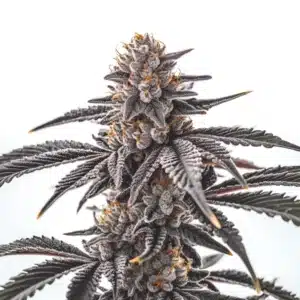
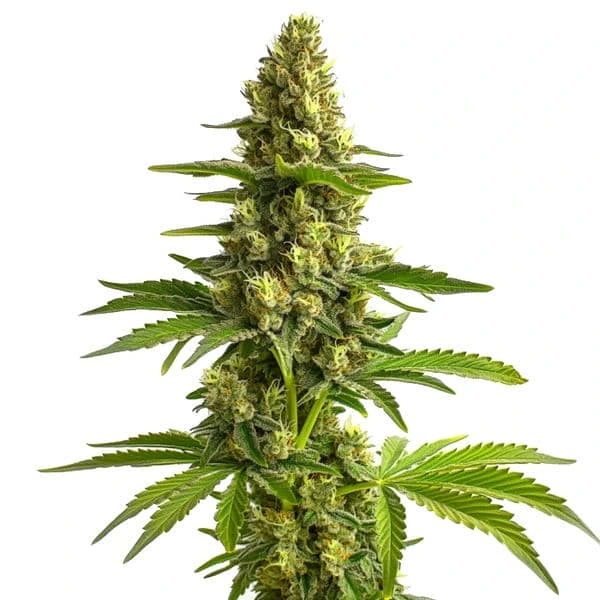
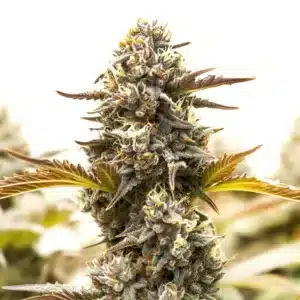
Blackberry Moonrocks

|
THC | 26% - 33% (High) |

|
Type | Feminized |

|
Yield | High |

|
Phenotype | 80% Indica / 20% Sativa |
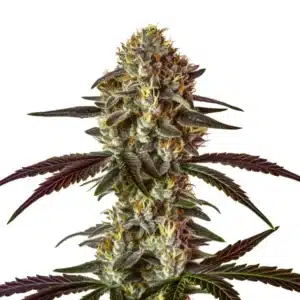
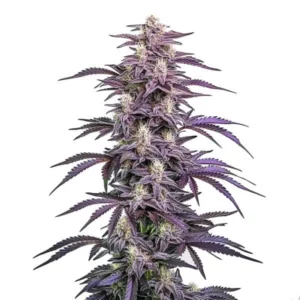
Bruce Banner #3
|
|
THC | 20% - 29% (High) |
|
|
Type | Feminized |
|
|
Yield | High |
|
|
Phenotype | 50% Indica / 50% Sativa |
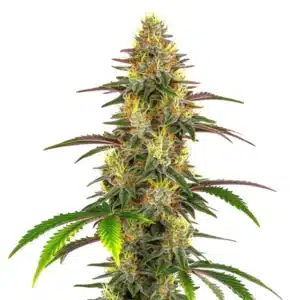
For instance, the popular strain Blackberry Moonrocks from Blimburn Seeds is known for its potent effects. However, leaving it under direct sunlight can diminish its cannabinoid content. So, how do you protect your precious strains from the effects of light on cannabinoid potency? Let’s dive deeper.
How Light Affects Cannabinoids
Light-induced cannabinoid oxidation is a significant concern for cannabis enthusiasts. When cannabinoids are exposed to light, particularly UV rays, they undergo a chemical change. This process, known as oxidation, can convert THC into CBN, a less psychoactive compound.
For growers, this means that the psychoactive effects of strains like Bruce Banner 3 from Blimburn Seeds can be compromised if not stored properly. Light exposure not only affects THC but can also degrade other cannabinoids, altering the overall profile of the plant.
Moreover, cannabinoid degradation UV light can lead to a faster reduction in the effectiveness of cannabis products. The oxidation process triggered by light exposure accelerates the breakdown of cannabinoids, impacting both the psychoactive and therapeutic properties of the plant. Knowing this process is critical for anyone involved in cannabis production or consumption.
The effects of light on cannabinoid potency can also influence the decision-making process for cannabis consumers. Knowing that improper storage can degrade your cannabis can encourage more informed purchasing and storage practices. This knowledge empowers users to take active steps in preserving cannabinoids from light damage to enjoy a more consistent experience.
Impact on Different Cannabinoids
THC is not the only cannabinoid affected by light. CBD, another major cannabinoid, can also degrade when exposed to light. This degradation can affect the therapeutic benefits of strains like Blue Dream from Blimburn Seeds, renowned for its balanced effects.
Cannabinoid degradation UV light affects the stability of these compounds, leading to a reduction in their effectiveness. Protecting your cannabis from light exposure ensures that you maintain its potency and therapeutic benefits.
Besides to THC and CBD, minor cannabinoids such as CBG and CBC are also susceptible to degradation under light exposure. These cannabinoids contribute to the entourage effect, where different compounds work synergistically to enhance the plant’s overall effects. Thus, preserving cannabinoid stability light exposure is essential for maintaining the full spectrum of benefits.
The degradation of terpenes alongside cannabinoids can further alter the sensory profile of the cannabis. This degradation may lead to a less desirable aroma and flavor, which can impact consumer satisfaction. Ensuring proper storage conditions can help preserve the unique characteristics of each strain, offering a more authentic experience.
Promos & Deals
Practical Tips for Preserving Cannabinoids
Storing cannabis in a dark, cool place is one of the most effective ways to prevent cannabinoid degradation under light exposure. Using opaque containers can also help shield your cannabis from harmful light.
Another practical tip is to use UV-blocking glass jars. These jars are designed to prevent light-induced cannabinoid oxidation, keeping your cannabis fresh and potent.
For growers and consumers alike, investing in quality storage solutions can pay off in preserving cannabinoid stability light exposure. Airtight containers further protect against environmental factors such as moisture and oxygen, which can also contribute to degradation. By taking these precautions, you can extend the shelf life and quality of your cannabis.
Furthermore, consider labeling your cannabis with the date of purchase or harvest. This simple step can help you track the age of your products, ensuring you consume them while they’re at their peak potency. Regularly checking on your storage conditions can also prevent unexpected losses in quality and efficacy.
Real-World Examples
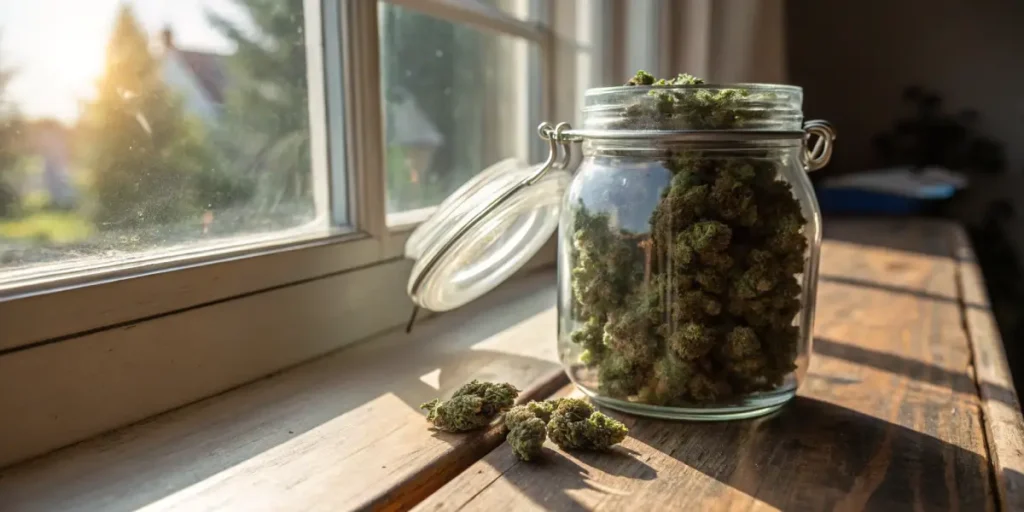
Imagine purchasing a batch of Blackberry Moonrocks and storing it in a clear glass jar on a sunny windowsill. Over time, the sunlight will penetrate the jar, leading to a noticeable decrease in potency. By simply moving the jar to a dark cupboard, you can maintain the strain’s quality.
For growers cultivating Bruce Banner, consider using greenhouses with UV-filtering panels. These panels help reduce the exposure to UV light, preserving cannabinoid stability light exposure.
Consider the scenario of a dispensary storing its inventory in a brightly lit display case. While this may enhance product visibility, it can also accelerate cannabinoid degradation under light exposure. Implementing UV-blocking films on display cases can strike a balance between showcasing products and maintaining their quality.
Another example is the use of vacuum sealing for long-term storage. By removing excess air, you minimize oxidation risks and enhance the preservation of cannabinoids and terpenes. This method is particularly useful for bulk purchases, ensuring that your cannabis remains potent over extended periods.
Choosing the Right Strains
When selecting strains, consider their sensitivity to light. Some strains are more resilient to light exposure, maintaining their potency even under less-than-ideal conditions. However, all cannabis will benefit from proper storage.
Blimburn Seeds offers a variety of strains that are both potent and resilient. By choosing the right strain and following proper storage practices, you can enjoy high-quality cannabis without worrying about cannabinoid degradation UV light.
Researching individual strain characteristics can provide insights into their resilience against environmental stressors such as light. Some strains have natural adaptations that make them better suited for outdoor cultivation, where light exposure is inevitable. Knowing these traits can guide your selection process to ensure optimal results.
It’s also important to consider the intended use of your cannabis when choosing strains. Strains known for high cannabinoid stability light exposure may be more suitable for long-term storage or transportation. Meanwhile, strains with unique terpene profiles may require more careful handling to preserve their aromatic properties.
FAQs about cannabinoid degradation under light exposure
How does light exposure affect cannabis potency?
Light exposure, particularly UV light, can lead to cannabinoid degradation. This process reduces the potency of cannabis by converting THC into less psychoactive compounds like CBN. To maintain potency, it’s essential to store cannabis in dark, cool places away from direct sunlight.
For growers and users, knowing the effects of light on cannabinoid potency is crucial. Proper storage not only preserves potency but also ensures that the therapeutic benefits of cannabis are not compromised.
Beyond just potency, cannabinoid degradation under light exposure can influence the overall efficacy of cannabis products. This degradation can impact both the psychoactive experience and the therapeutic outcomes, making storage strategies vital for maintaining quality. By prioritizing proper storage, you can safeguard the benefits of your investment.
Even minimal exposure to light over time can lead to significant degradation. Therefore, implementing routine checks on storage conditions can help prevent unnoticed deterioration. This proactive approach ensures that your cannabis remains effective and enjoyable for longer periods.
What are the best storage practices to prevent cannabinoid degradation?
Using opaque or UV-blocking containers is one of the best ways to prevent cannabinoid degradation under light exposure. These containers help shield cannabis from harmful light, maintaining its quality and potency.
Additionally, storing cannabis in a cool, dark place can significantly reduce the risk of light-induced cannabinoid oxidation. Whether you’re a grower or a user, these simple steps can help you enjoy your cannabis at its best.
Regularly inspecting your storage environment can be an effective way to catch any potential issues early. Look for signs of moisture, mold, or temperature fluctuations, as these can also contribute to the degradation of cannabinoids and terpenes. By addressing these factors, you enhance the efficacy of your storage methods.
For those looking to preserve large quantities of cannabis, consider dividing your supply into smaller, airtight containers. This reduces the frequency of exposure to air and light each time you access your stash, further preserving cannabinoid stability light exposure.
Are some strains more susceptible to light damage than others?
Yes, some strains are more sensitive to light exposure than others. While all cannabis strains can benefit from proper storage, certain strains may degrade faster when exposed to light. Researching and choosing strains known for their resilience can be beneficial.
For instance, strains like Bruce Banner from Blimburn Seeds are known for their robustness. However, even these strains require proper storage to maintain their cannabinoid stability light exposure.
The genetic makeup of a strain can influence its resilience to environmental factors, including light. Some strains have been bred specifically for indoor growing, where light exposure is controlled, while others thrive outdoors. Knowing these genetic differences can aid in selecting strains suited to your cultivation environment.
Moreover, the stage of growth can also impact a strain’s sensitivity to light. Young plants and freshly harvested cannabis are particularly vulnerable to degradation. Ensuring optimal conditions during these stages is critical for preserving cannabinoid content and maximizing yield quality.
Can light exposure affect the flavor and aroma of cannabis?
Light exposure can also impact the terpenes in cannabis, which contribute to its flavor and aroma. When terpenes degrade, the overall sensory experience of the strain can be altered, affecting both taste and smell.
Strains like Blue Dream rely on their unique terpene profiles for their distinctive aroma. Protecting these strains from light exposure helps preserve their full flavor and aromatic potential.
The degradation of terpenes due to light exposure not only affects the sensory appeal but can also alter the perceived effectiveness of a strain. Terpenes play a role in the entourage effect, where they interact with cannabinoids to enhance therapeutic benefits. Preserving these compounds is essential for a well-rounded cannabis experience.
For consumers who prioritize flavor and aroma, paying attention to storage conditions becomes even more crucial. Ensuring that your cannabis is protected from light, heat, and air can help maintain the integrity of its terpene profile, offering a more authentic and enjoyable experience.
Is UV light more damaging than other types of light?
UV light is particularly harmful to cannabinoids. It accelerates the degradation process, leading to a quicker reduction in potency. While all types of light can contribute to degradation, UV light poses the greatest risk.
To minimize damage, consider using UV-blocking solutions such as specialized glass jars or greenhouse panels. These measures can effectively reduce the impact of UV light, preserving cannabinoids from light damage.
Besides to UV light, other forms of artificial lighting can also impact cannabis quality. High-intensity lighting, often used in cultivation, requires careful management to avoid excessive exposure that could lead to cannabinoid degradation under light exposure.
For those cultivating cannabis, the use of light meters to monitor intensity can be a valuable tool. Adjusting light exposure based on the growth stage and specific strain needs can help optimize growth while minimizing degradation risks. This proactive approach ensures healthier plants and high-quality harvests.