Does Light Degrade THC? Discover the Essential Facts Now!

When it comes to storing cannabis, many wonder, does light degrade THC? This question is crucial for both first-time buyers and seasoned growers. THC, or tetrahydrocannabinol, is the compound in cannabis responsible for its psychoactive effects. Proper storage is key to preserving its potency.
Light exposure is one of the main factors that can impact the quality of your cannabis. Too much light can cause THC levels to drop, leading to less effective products. This is important whether you’re storing cannabis seeds or harvested buds.
Recommended Strains
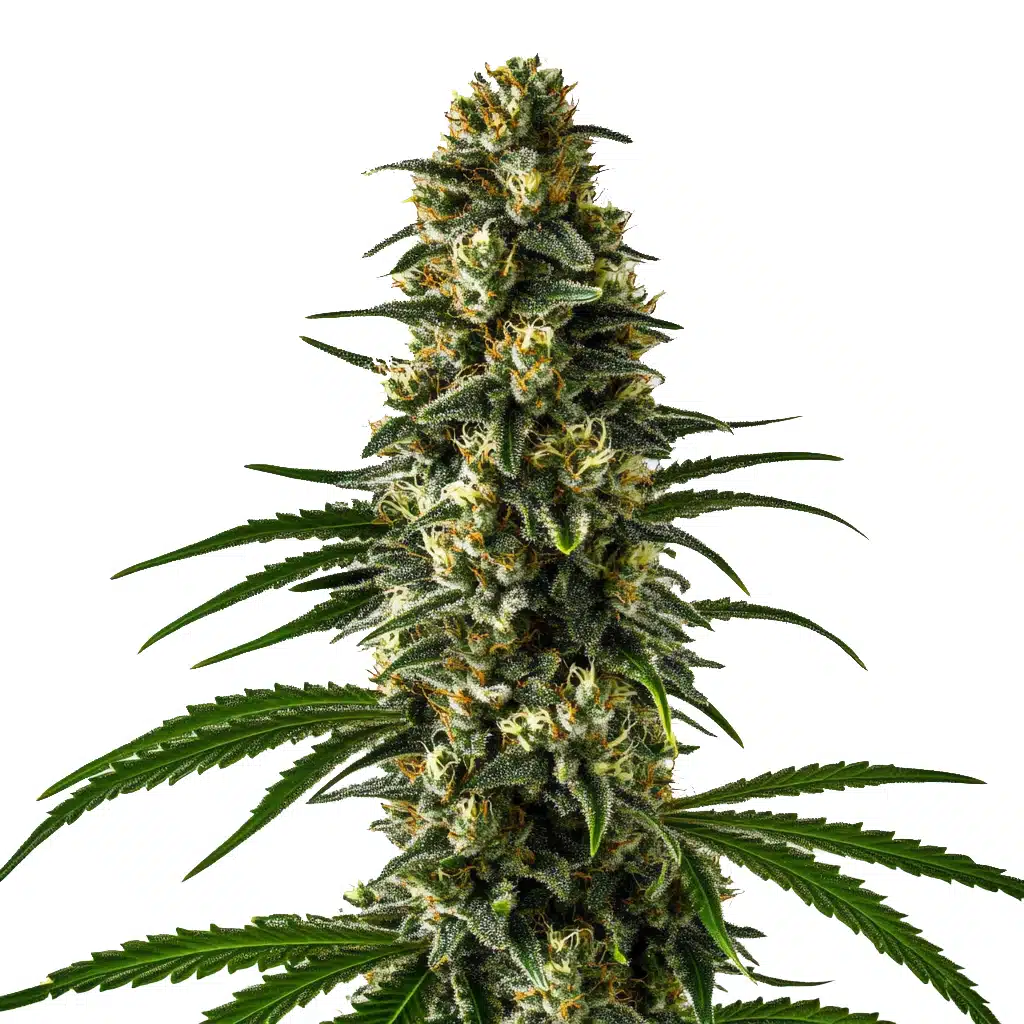
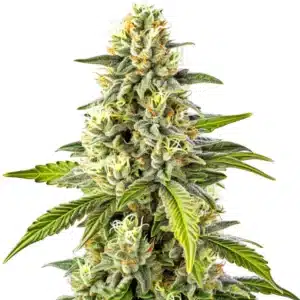
Girl Scout Cookies

|
THC | 18% - 25% (High) |

|
Type | Feminized |

|
Yield | High |

|
Phenotype | 60% Indica / 40% Sativa |

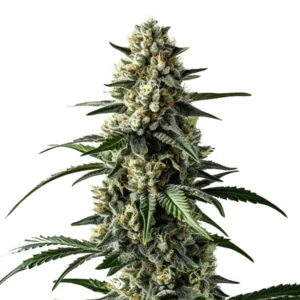
Sour Diesel
|
|
THC | 22% - 25% (High) |
|
|
Type | Feminized |
|
|
Yield | High |
|
|
Phenotype | 30% Indica / 70% Sativa |
For those growing strains like Blue Dream from Blimburn Seeds, knowing how light can affect your harvest is crucial. Protecting your plants and stored cannabis from light ensures that you maintain the highest THC levels possible.
How Does Light Exposure Affect THC Potency?
Light exposure can have a significant effect on THC potency. The ultraviolet (UV) rays in sunlight are particularly harmful. These rays can break down THC molecules, reducing their effectiveness. This is why many cannabis growers and users store their products in dark places.
When cannabis is exposed to light, particularly UV light, it can lead to a process called photodegradation. This process involves the breakdown of THC into CBN (cannabinol), a compound that doesn’t have the same psychoactive effects. Thus, sunlight can reduce THC concentration in your cannabis over time.
Knowing the light degradation impact on THC levels is crucial for anyone involved in the cannabis industry. By knowing how does light exposure affect THC potency, growers and users can make informed decisions about storage and cultivation. Implementing effective light management strategies is key to maximizing the quality and potency of cannabis products.
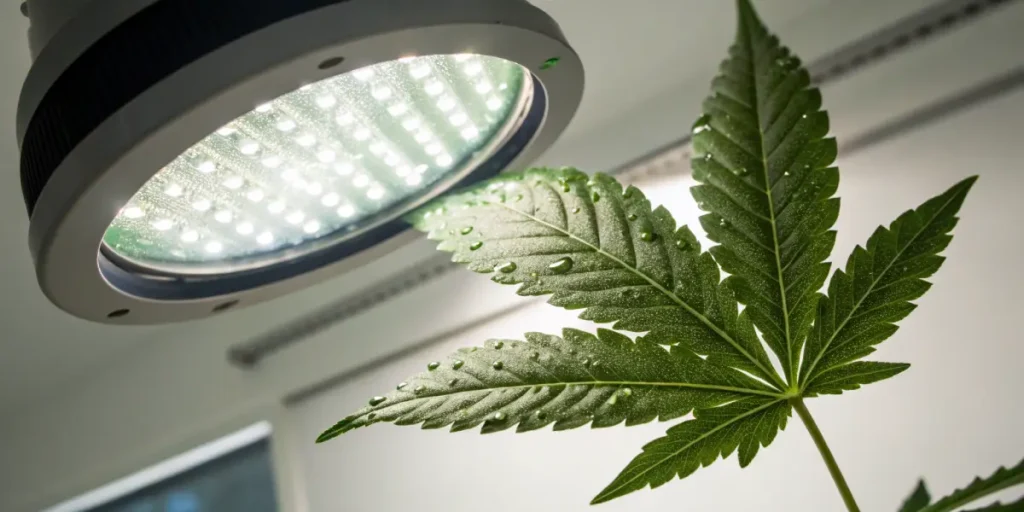
Besides to UV rays, other forms of light exposure, such as artificial lighting, can also contribute to THC degradation. While necessary for growth, excessive light or improper lighting conditions can lead to similar results as sunlight. Properly balancing light exposure during growth and storage phases can help in preventing THC degradation from light exposure.
Promos & Deals
Preventing THC Degradation from Light Exposure
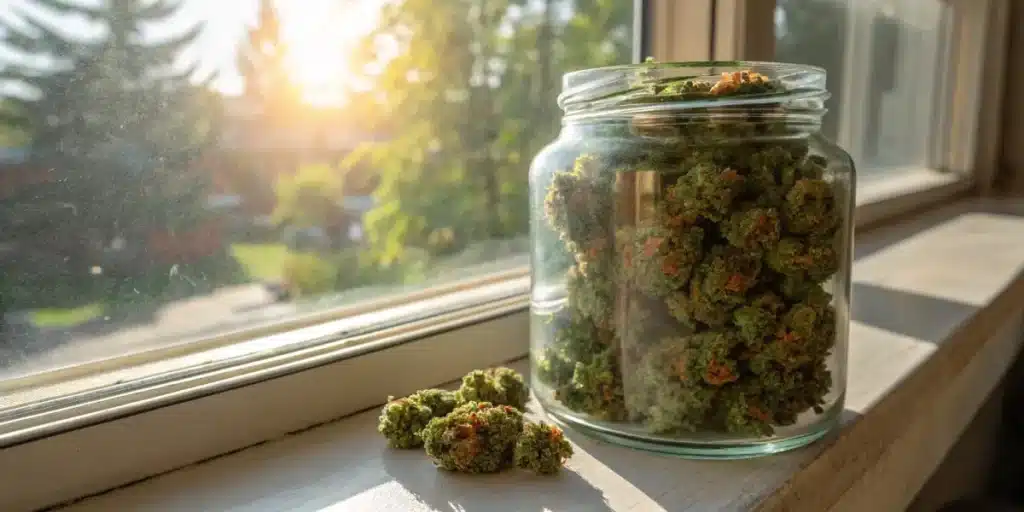
To prevent THC degradation from light exposure, it’s essential to store cannabis in a dark, cool place. Many seasoned growers use opaque containers to block out light completely. This helps maintain the integrity of the THC levels in their products.
Another practical approach is using UV-protective glass jars. These are designed to filter out harmful rays, keeping your cannabis safe from light degradation. For strains like Girl Scout Cookies from Blimburn Seeds, these methods can help preserve the rich flavors and potent effects associated with the strain.
Incorporating these storage strategies can significantly impact the longevity and potency of your cannabis. By knowing the science behind does light degrade THC, users can take proactive steps to protect their investment. Consistent application of these practices ensures a more reliable product experience over time.
Additionally, aligning storage practices with cultivation methods can further enhance THC preservation. For example, growers can select strains that are naturally more resistant to light exposure, thereby reducing the risk of degradation. Blimburn Seeds offers a variety of options, allowing growers to choose strains best suited for their specific storage capabilities.
Effect of UV Light on THC Degradation
UV light is a powerful force in nature. While it helps plants grow, it also poses a threat to the THC content in harvested cannabis. The effect of UV light on THC degradation is well-documented, with studies showing significant potency loss when cannabis is left in direct sunlight.
Growers often take steps to protect their plants during the cultivation phase. For instance, using shade cloths or greenhouses that filter UV light can help. This is a common practice for those growing high-THC strains like Sour Diesel from Blimburn Seeds.
The question of does sunlight reduce THC concentration is one that growers must address early in the cultivation process. By implementing measures to shield plants from direct UV exposure, growers can maintain higher THC levels in the final product. This not only enhances the potency but also extends the shelf life of cannabis.
Beyond cultivation, considering UV light’s role in degradation is vital during the post-harvest phase. Utilizing UV-filtering storage solutions can provide an additional layer of protection against light-induced potency loss. This approach ensures that the full psychoactive potential of the product is preserved for consumer enjoyment.
Practical Storage Tips for Cannabis
For many cannabis enthusiasts, finding the right storage method is crucial. Here are some practical tips to keep your cannabis fresh and potent:
- Use airtight containers to prevent oxygen from degrading THC.
- Store in a cool, dark place to avoid light degradation impact on THC levels.
- Consider vacuum sealing for long-term storage.
- Label your containers with the strain name and storage date.
- Check regularly for signs of mold or degradation.
These simple steps can significantly extend the life of your cannabis. By minimizing exposure to light, you reduce the risk of THC loss, ensuring a more potent product.
Knowing how does light degrade THC helps consumers make more informed decisions about their storage practices. Investing in quality storage materials and maintaining environmental controls are essential steps in preserving cannabis potency. This proactive approach not only benefits the user’s experience but also protects the financial investment in quality cannabis products.
Besides to the physical storage methods, staying informed about the latest research in light degradation and cannabis preservation is beneficial. Industry advancements can lead to new technologies or practices that further enhance storage efficacy. By staying engaged with the latest developments, users can continuously optimize their storage solutions.
Choosing the Right Strains for Your Needs
When selecting cannabis strains, consider their THC levels and how you plan to store them. Some strains are more sensitive to light than others. For example, strains with higher THC content may require more careful storage to prevent degradation.
Blimburn Seeds offers a range of strains with varying THC levels. If you’re looking for a strain with robust THC, consider trying their Blue Dream or Sour Diesel. These strains are popular for their potent effects and rich terpene profiles.
Choosing the right strain involves more than just potency considerations; knowing how does light degrade THC can influence your selection. Opting for strains with a natural resistance to light degradation can enhance the longevity and quality of your cannabis collection. This strategic approach allows users to enjoy their favorite strains without the worry of rapid potency loss.
Additionally, evaluating your storage environment before selecting strains can provide insights into which varieties will thrive best. Blimburn Seeds provides detailed information on their strains, including ideal storage conditions, enabling users to make well-informed decisions. This comprehensive approach ensures that chosen strains deliver their full potential throughout their usable lifespan.
FAQs about does light degrade THC
What is photodegradation in cannabis?
Photodegradation is the process where light, particularly UV rays, breaks down the chemical compounds in cannabis. This affects the potency of THC, as it can convert into other compounds like CBN, which are less psychoactive. This process is why it’s important to store cannabis in dark, light-proof containers.
For growers and users, knowing photodegradation is crucial. It can mean the difference between a potent product and one that’s lost its effectiveness. By taking simple steps to minimize light exposure, you can protect your cannabis from this natural process.
Addressing the question of how does light exposure affect THC potency is key to combating photodegradation. By recognizing the signs and implementing preventive measures, both cultivators and consumers can safeguard their products. This knowing is essential for anyone looking to maintain the quality and effectiveness of their cannabis.
Moreover, the impact of photodegradation extends beyond just potency; it can also alter the flavor and aroma profile of cannabis. Thus, taking comprehensive steps to shield cannabis from light not only preserves its psychoactive properties but also its overall sensory experience. This holistic approach to storage ensures a superior product experience for end-users.
How does sunlight reduce THC concentration?
Sunlight contains UV rays that can break down THC molecules in cannabis. This results in a reduced concentration of THC, meaning the cannabis may not produce the desired effects. Over time, sunlight can significantly impact the potency of cannabis if it’s not stored properly.
For those growing outdoors, it’s important to harvest at the right time and store properly afterward. Keeping your cannabis out of direct sunlight can help maintain its THC levels, ensuring it remains effective for use.
Knowing the effect of UV light on THC degradation is crucial for outdoor growers. By anticipating the challenges posed by sunlight, growers can implement strategies that mitigate its impact. This might include selecting optimal harvest times or using protective coverings during the most intense sunlight periods.
Furthermore, post-harvest storage solutions are just as important as cultivation practices. By securing cannabis in UV-protected environments, growers can ensure the product retains its intended potency and quality. This approach not only benefits commercial growers but also individual users seeking to maximize their home-grown cannabis.
What are the best storage methods to prevent light degradation?
The best storage methods involve keeping cannabis in a cool, dark place. Using airtight containers, such as mason jars or specialized cannabis storage containers, can help. Some users prefer UV-protective glass, which filters harmful rays.
It’s also important to control the temperature and humidity where you store your cannabis. Too much moisture can lead to mold, while high temperatures can speed up THC degradation. A consistent environment is key to preserving potency.
Answering the question of how does light degrade THC involves knowing and implementing the right storage solutions. By utilizing technologies like UV-protective glass and airtight sealing, users can create optimal conditions for cannabis preservation. These methods effectively reduce the risks associated with light exposure.
Incorporating environmental controls, such as humidity packs or temperature regulators, can further enhance cannabis storage. These tools help maintain a stable storage atmosphere, minimizing variables that could contribute to degradation. By integrating these practices, users can ensure their cannabis remains potent and enjoyable over time.
Can light degradation affect cannabis seeds?
Yes, light degradation can affect cannabis seeds, although the impact is different than on harvested buds. Light can cause seeds to dry out or become less viable over time. This is why many seed banks, like Blimburn Seeds, recommend storing seeds in a cool, dark environment.
For growers, ensuring seeds are stored properly is the first step in a successful cultivation process. By protecting seeds from light, you increase the chances of a healthy, potent harvest when it’s time to plant.
While the focus often lies on harvested cannabis, knowing how does light degrade THC in seeds is equally important. Proper seed storage not only preserves viability but also supports genetic integrity. This foundational step is crucial for achieving optimal growth and potency in subsequent cultivation cycles.
Moreover, ensuring seeds are stored in ideal conditions can prevent premature germination or spoilage. By adhering to recommended storage practices, growers can maintain a robust seed bank, ready to produce high-quality plants at any given time. This strategic approach supports long-term cultivation success and product consistency.
Why is THC preservation important for cannabis users?
For cannabis users, preserving THC is crucial to maintain the desired effects of the product. Whether for recreational or medicinal use, potency plays a significant role in the experience. Degraded THC can lead to weaker effects, which may not meet the user’s needs.
By knowing how to prevent THC degradation from light exposure, users can ensure they get the most out of their cannabis. This includes proper storage and handling, which are essential for any cannabis enthusiast looking to enjoy their products to the fullest.
THC preservation directly impacts the consumer’s satisfaction and the product’s therapeutic potential. Whether addressing does light degrade THC for recreational enjoyment or medicinal efficacy, maintaining potency is paramount. Proper storage and handling ensure that users receive the full benefits of their chosen strains.
Furthermore, effective THC preservation supports responsible consumption by allowing users to manage their intake accurately. By preserving potency, users can better gauge dosage and effects, leading to a more controlled and enjoyable cannabis experience. This aspect of cannabis use is critical for both novice and experienced consumers alike.