Essential Guide to Prevent Yeast Contamination During Cannabis Curing

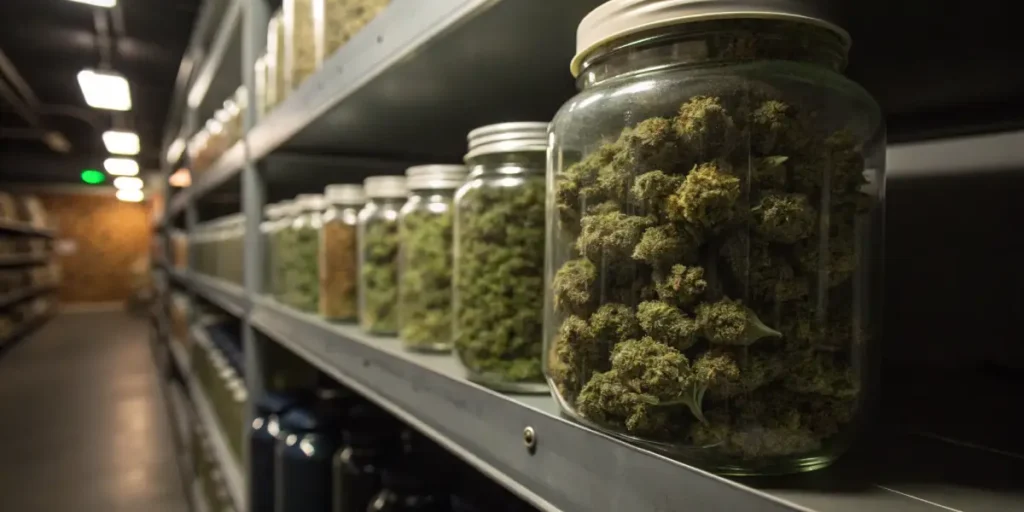
Cannabis curing is a crucial step in ensuring your harvest reaches its full potential. However, yeast contamination during cannabis curing can ruin your hard work. This guide offers actionable tips to help you avoid this common pitfall. Whether you’re growing your first crop or you’re a seasoned pro, knowing how to manage this issue is vital.
Yeast contamination prevention in cannabis curing involves controlling the environment where your cannabis is drying and curing. Humidity and temperature play big roles here. Keeping these factors in check can drastically reduce the risk of contamination. This simple but often overlooked step can save you from a lot of headaches down the line.
Recommended Strains

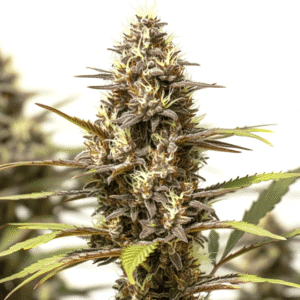
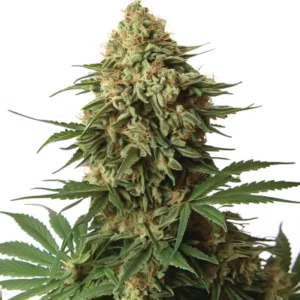
Mamba Negra

|
THC | 18% (Medium) |

|
Type | Feminized |

|
Yield | High |

|
Phenotype | 55% Indica / 45% Sativa |

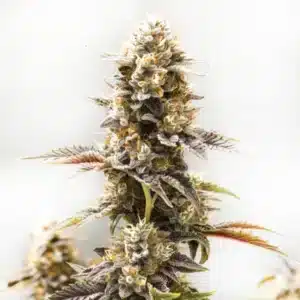
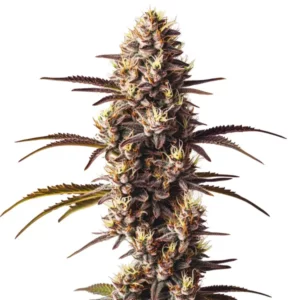
Tangie
|
|
THC | 19% - 22% (Medium) |
|
|
Type | Feminized |
|
|
Yield | High |
|
|
Phenotype | 30% Indica / 70% Sativa |
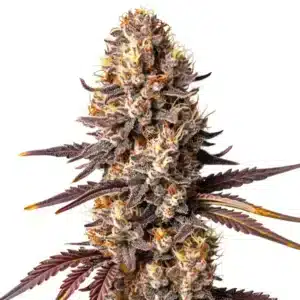
One real-life example of how yeast contamination can affect your crop involves the popular strain Mamba Negra from Blimburn Seeds. Known for its relaxing effects, this strain can lose its potency and flavor if not cured correctly. Protecting this strain’s unique qualities starts with proper curing techniques.
Signs of Yeast Contamination in Cured Cannabis
Recognizing the signs of yeast contamination in cured cannabis is crucial for maintaining quality. One of the most obvious signs is a musty smell that resembles mildew. This odor can be a dead giveaway that something has gone wrong during the curing process. It’s important to address these issues as soon as they arise.
Another sign is the appearance of white or grayish spots on your buds. These spots indicate a yeast presence that can affect not only the aroma but also the overall quality of your cannabis. Regular inspection of your curing cannabis can help you identify and mitigate these issues early.
It’s also important to note that yeast contamination during cannabis curing can lead to a noticeable change in the texture of the buds. They may become overly dry or brittle, which can be detrimental to the smoking experience. Staying vigilant for these signs will help in maintaining the desired quality of your harvest.
Moreover, yeast contamination in cured cannabis can sometimes be confused with mold, but there are subtle differences in appearance and smell. Knowing these nuances is part of effective yeast contamination prevention in cannabis curing, ensuring that your efforts result in a high-quality product.
Effects of Yeast Contamination on Cannabis Quality
The effects of yeast contamination on cannabis quality are significant and can’t be ignored. Contaminated cannabis often loses its aroma and flavor profile, traits that are essential to the experience it provides. For example, the Gelato strain from Blimburn Seeds is prized for its sweet and earthy flavors, which can be completely lost if yeast contamination occurs.
Besides to aroma and flavor, yeast contamination can affect the potency of your cannabis. Cannabinoids can degrade faster in the presence of yeast, meaning your cannabis might not provide the effects you expect. This degradation can lead to a less enjoyable experience for consumers.
Beyond aroma and potency, yeast contamination during cannabis curing can also impact the visual appeal of your buds. Discoloration or an unsightly appearance can make the product less appealing to consumers, potentially affecting sales if you’re cultivating commercially.
Furthermore, knowing the effects of yeast contamination on cannabis quality can help in developing better prevention strategies. By knowing what’s at stake, cultivators are more likely to implement rigorous monitoring and control measures to protect their valuable crops.
Promos & Deals

Identifying Yeast Contamination in Cannabis Curing
Identifying yeast contamination in cannabis curing involves a few key steps. First, always inspect your curing area regularly. Look for changes in color or smell in your buds. If you notice anything unusual, it’s time to take action.
Another method is to use a magnifying glass to closely examine your buds. This can help you spot any unwanted growths or discolorations that might indicate yeast presence. Being proactive in your inspections can save your crop from extensive damage.
Regular documentation of your curing process can also aid in identifying yeast contamination. Keeping track of environmental conditions and visual changes allows you to spot deviations that might signal contamination issues.
Besides, investing in quality monitoring tools like a digital microscope can enhance your ability to detect early signs of yeast contamination. These tools can provide a detailed view, helping you make informed decisions swiftly.
Managing Yeast Contamination During Cannabis Curing
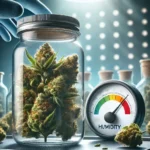
Managing yeast contamination during cannabis curing starts with maintaining the right conditions. Aim to keep your curing space at a humidity level of around 55-65%. This range minimizes the chances of yeast growth. A digital hygrometer can help you keep track of these levels with ease.
Temperature control is another critical factor. Keep the curing room between 60-70°F. This range is optimal for preventing yeast contamination. Automated climate control systems can be a lifesaver here, making it easier to maintain consistent conditions.
Proper ventilation also plays a role in managing yeast contamination. Ensure your curing area is well-ventilated to prevent stale air, which can encourage yeast growth. Regularly changing the air in the room helps in keeping your cannabis fresh and free from contaminants.
Additionally, managing yeast contamination during cannabis curing involves promptly addressing any detected issues. Swiftly isolating affected buds can prevent the spread of contamination and protect the rest of your harvest.
Practical Tips for Yeast Contamination Prevention
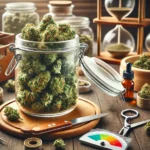
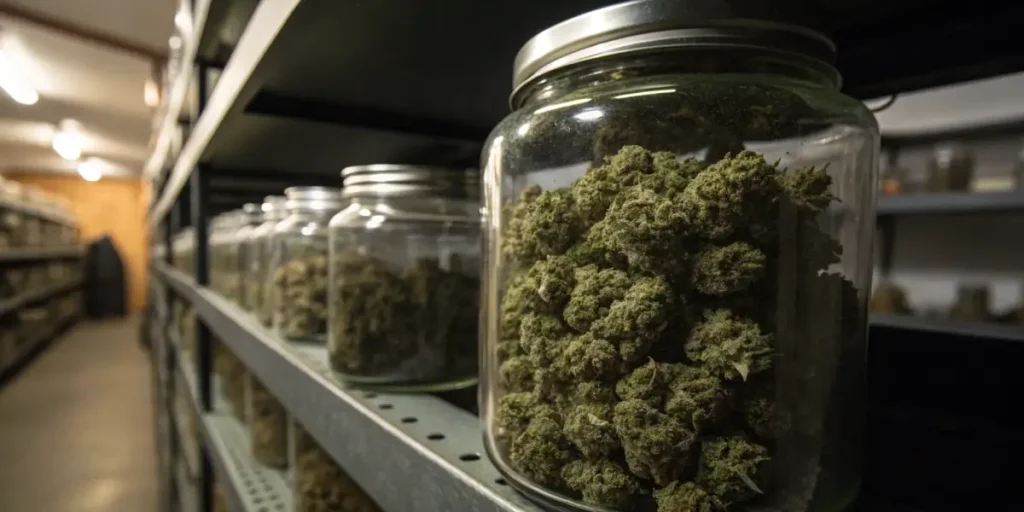
To prevent yeast contamination during cannabis curing, cleanliness is key. Clean your curing space thoroughly before starting the curing process. This includes sterilizing jars, trays, and any other equipment that will come into contact with your cannabis.
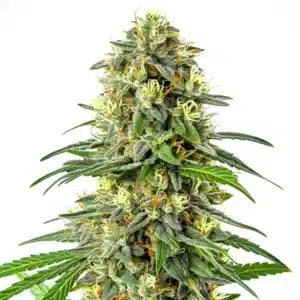
Another useful tip is to cure your cannabis in smaller batches. This allows for more precise control over the curing environment and makes it easier to spot any signs of yeast contamination early. Strains like Tangie from Blimburn Seeds can benefit from this approach, preserving their citrusy aroma and uplifting effects.
Implementing a strict hygiene protocol can further enhance yeast contamination prevention in cannabis curing. Regularly sanitize tools and surfaces to maintain a contamination-free environment, reducing the risk of yeast presence.
Moreover, training your team in best practices for yeast contamination prevention ensures everyone involved in the curing process is aligned in maintaining optimal conditions and swiftly addressing any abnormalities.
FAQs about yeast contamination during cannabis curing
What are the best conditions to prevent yeast contamination during cannabis curing?
The best conditions for yeast contamination prevention in cannabis curing are a humidity level between 55-65% and a temperature range of 60-70°F. These conditions make it difficult for yeast to thrive. Investing in a reliable hygrometer and thermometer is a good step to maintain these levels consistently.
Ventilation is equally critical. Ensure that your curing area has good airflow without being too drafty. This balance helps prevent the stale air that can lead to yeast growth, ensuring your cannabis remains fresh and uncontaminated.
Besides to maintaining these environmental conditions, regularly check your equipment for accuracy. Calibration of your hygrometers and thermometers ensures that you are getting precise readings, which are crucial for creating a controlled environment.
Finally, consider integrating an automated system that can alert you to any deviations from the optimal range, allowing you to make adjustments in real-time and prevent potential contamination issues.
How can I identify yeast contamination in my cannabis?
Identifying yeast contamination in cannabis involves checking for a musty smell and the presence of white or grayish spots on your buds. Regular inspections are vital. Use a magnifying glass to get a detailed look at your buds, allowing you to catch any issues early.
Additionally, keeping a journal of your curing process can be helpful. Note any changes in smell or appearance, as these can be early indicators of contamination. This proactive approach makes it easier to manage and mitigate potential issues.
Engage in continuous education about identifying yeast contamination in cannabis curing, as staying updated with new techniques and signs can enhance your inspection process and decision-making.
Furthermore, regularly consulting with industry professionals or forums can provide insights into common contamination signs and prevention techniques specific to different cannabis strains.
What are the effects of yeast contamination on cannabis quality?
Yeast contamination can significantly degrade the quality of your cannabis. It can alter the flavor and aroma, reducing the overall sensory experience. For strains like Gelato from Blimburn Seeds, known for their distinct flavor profiles, this can be particularly damaging.
Furthermore, yeast contamination can reduce the potency of cannabinoids, leading to a less effective product. This can result in a disappointing experience for consumers, impacting both enjoyment and therapeutic benefits.
The aesthetic quality of cannabis is also at risk, as yeast contamination can cause discoloration and a less appealing appearance, which might deter consumers from purchasing or using the product.
Recognizing the effects of yeast contamination on cannabis quality not only helps in prevention but also in tailoring your curing process to maintain the integrity and marketability of your product.
How can I manage yeast contamination during cannabis curing?
Managing yeast contamination involves maintaining optimal environmental conditions and ensuring proper ventilation. Regularly check and adjust the humidity and temperature in your curing area. Automated systems can assist in maintaining these conditions consistently.
Additionally, separating your cannabis into smaller batches can help manage yeast contamination. This makes it easier to monitor individual batches and quickly address any issues that arise, protecting the quality of your entire harvest.
Another strategy for managing yeast contamination during cannabis curing is to implement a regular cleaning and maintenance schedule for your curing space and equipment. This includes deep cleaning to eliminate any potential sources of contamination.
Moreover, educating your team on the importance of these practices ensures everyone is aligned in maintaining a contamination-free environment and quickly responding to any signs of yeast presence.
What practical steps can I take to prevent yeast contamination?
Start by cleaning your curing area and equipment thoroughly. Sterilize jars and trays to eliminate any potential contaminants. This baseline level of cleanliness is essential for preventing yeast growth.
Consider curing in smaller batches to maintain better control over the environment. This approach, especially for high-value strains like Tangie from Blimburn Seeds, ensures each batch receives the attention it needs to remain uncontaminated and potent.
Incorporating regular environmental assessments can further ensure that your curing space remains free of contaminants. Regularly test the air quality and surface cleanliness to detect potential yeast presence early.
Finally, fostering a culture of continuous improvement by encouraging feedback and suggestions from your team can lead to innovative solutions and improvements in yeast contamination prevention methods.