How THC and CBD Affect Dogs: Risks and Benefits

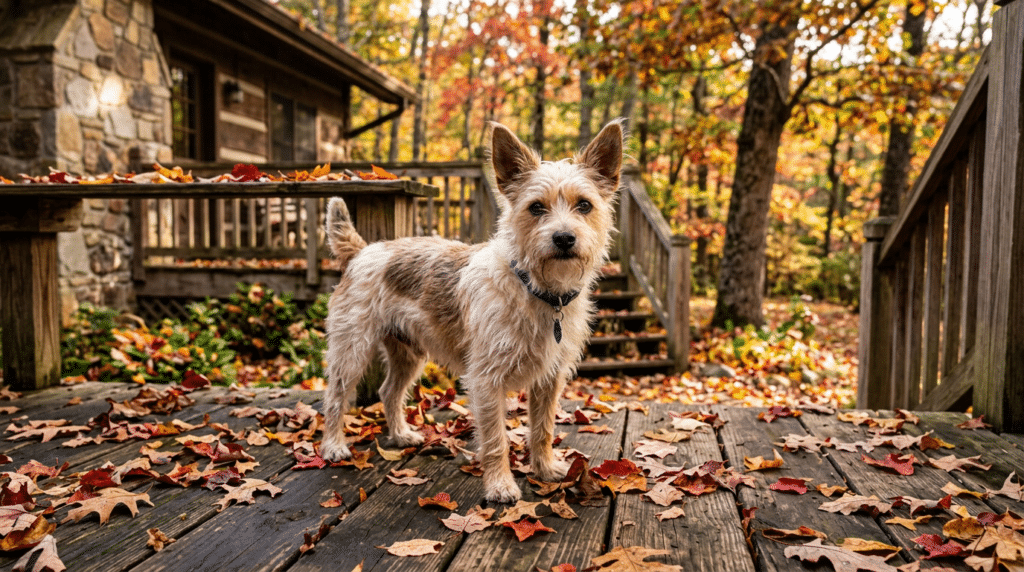
THC and CBD impact on dogs: THC can be toxic to dogs, leading to symptoms like disorientation and lethargy. In contrast, CBD may offer wellness benefits without causing intoxication. Proper dosing is crucial, as veterinary studies indicate that dogs have a heightened sensitivity to THC due to their dense CB1 receptors. Always consult a vet before introducing CBD into your pet’s routine.
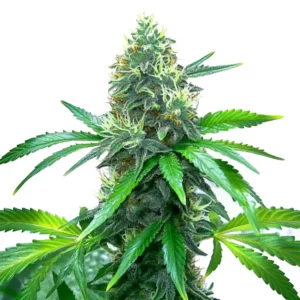
Exploring the interaction between THC and CBD with canine biology reveals fascinating insights. While THC binds directly to CB1 receptors, causing potential toxicity, CBD offers non-intoxicating wellness support. The terpenes in cannabis, such as Myrcene and Limonene, also play a role in the effects experienced by dogs. Understanding these interactions is crucial for safe pet care.
Recommended Strains

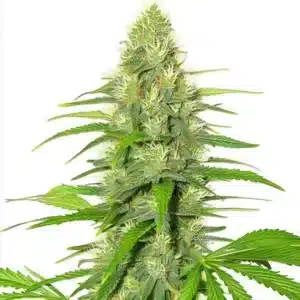
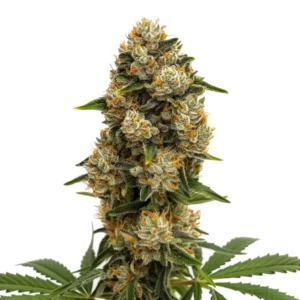
Fat Bastard

|
THC | 30% - 38% (High) |

|
Type | Feminized |

|
Yield | High |

|
Phenotype | 50% Indica / 50% Sativa |
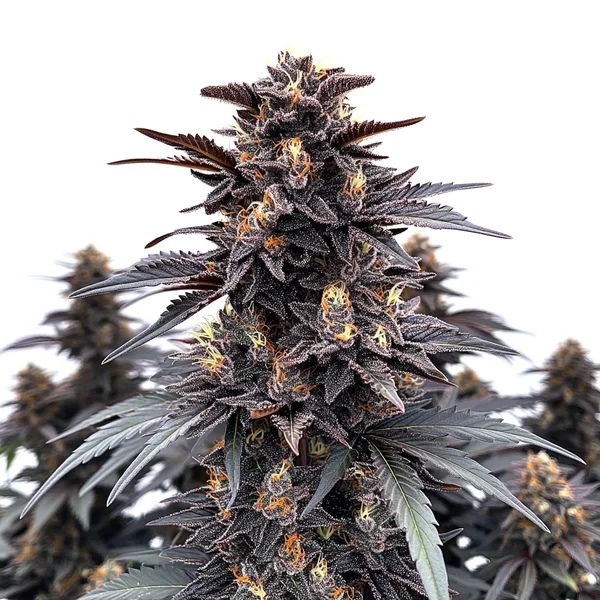
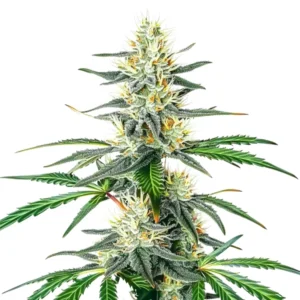
Indigo Sapphire
|
|
THC | 30% - 33% (High) |
|
|
Type | Feminized |
|
|
Yield | High |
|
|
Phenotype | 60% Indica / 40% Sativa |
THC Effects on Dogs
Common Symptoms of THC Exposure
When dogs ingest THC, it binds to CB1 receptors in their brain, leading to neurological disruptions. This can manifest as ataxia, where dogs lose coordination, or disorientation and confusion. Symptoms often appear within 30 minutes to a few hours after exposure. Even small amounts, such as 0.1 ounces of edibles, can cause significant effects due to their sensitivity.
Additional symptoms include dilated pupils, excessive drooling, and urinary incontinence. In severe cases, dogs may experience tremors, hypothermia, and vomiting. The risk of toxicity is higher in smaller dogs due to their lower body weight and slower metabolism of cannabinoids.
Why Dogs Are Sensitive to THC
Dogs have a higher density of CB1 receptors compared to humans, making them more susceptible to THC’s effects. Their endocannabinoid system is finely tuned, and even minor disruptions can lead to significant symptoms. This sensitivity is compounded by their slower metabolic rate, which prolongs the presence of THC in their system.
Expert tip: Avoid exposing dogs to environments where they might inhale cannabis smoke, as even passive exposure can lead to symptoms. Use air purifiers to minimize airborne THC particles in shared spaces.
Promos & Deals


CBD Effects on Dogs
Potential Benefits of CBD
CBD interacts with the endocannabinoid system without binding directly to CB1 receptors, offering a non-intoxicating alternative. It has been studied for its potential to support joint health, particularly in older dogs experiencing stiffness. CBD may also aid in reducing muscle tension and promoting recovery after physical exertion.
For dogs experiencing stress or anxiety, CBD can provide calming effects. It helps regulate neurological balance, potentially easing symptoms during stressful situations like travel or loud noises. Dosages typically range from 0.1 to 0.5 mg per pound of body weight, depending on the dog’s condition.
Symptoms of Too Much CBD
While CBD is generally safe, excessive doses can lead to mild sedation, changes in appetite, or digestive sensitivity. These effects are usually temporary and less severe compared to THC toxicity. Monitoring your dog’s response to CBD and adjusting the dosage accordingly is essential for optimal benefits.
Expert tip: Start with a low dose of CBD, around 0.1 mg per pound, and gradually increase as needed. Avoid exceeding 0.5 mg per pound without veterinary guidance to prevent mild sedation or digestive issues.
Mechanisms of THC and CBD in Canine Biology
Understanding the biological mechanisms of THC and CBD in dogs is crucial for safe administration. THC’s psychoactive effects are primarily due to its action on CB1 receptors in the brain. This interaction can disrupt normal neurological functions, leading to symptoms of toxicity. In contrast, CBD does not directly bind to CB1 receptors. Instead, it modulates the endocannabinoid system, potentially enhancing the body’s natural ability to maintain homeostasis. This modulation can result in various therapeutic effects without intoxication, making CBD a potentially safer option for dogs.
Moreover, the metabolism of cannabinoids in dogs is slower compared to humans. This slower rate means that THC remains in the dog’s system longer, increasing the risk of prolonged effects and toxicity. On the other hand, CBD’s non-psychoactive nature and different metabolic pathway reduce the risk of adverse effects, even with slower metabolism.
Safety and Toxicity Considerations
Vet Approved CBD for Dogs
Veterinarians often recommend CBD for its potential benefits, but it’s crucial to choose products that are vet-approved. These products undergo rigorous testing to ensure they are free from THC and contaminants. Always check for a Certificate of Analysis (COA) to verify the product’s purity and cannabinoid content.
Expert tip: Opt for full-spectrum CBD oils with less than 0.3% THC to ensure safety. Avoid products without a COA, as they may contain harmful levels of THC or pesticides.
Prevention Strategies for Pet Owners
- Store cannabis products in child-proof containers to prevent accidental ingestion by pets.
- Maintain 58-62% RH in storage areas to preserve cannabinoid stability and prevent mold growth.
- Use sealed containers for edibles and keep them out of reach to avoid accidental consumption.
- Restrict access to grow areas by using barriers or locked doors.
- Avoid smoking cannabis near pets to prevent inhalation of THC-laden smoke.
- Monitor your dog’s behavior for any signs of exposure, such as lethargy or loss of coordination.

FAQs About THC and CBD in Dogs
Is THC and CBD toxic to dogs?
THC can be toxic to dogs, causing symptoms like disorientation and lethargy, especially at doses over 0.1 mg/kg. CBD is generally safe but should be dosed carefully. Always consult a veterinarian before introducing CBD to your dog’s routine to ensure proper dosage and avoid adverse effects.
Why can’t vets recommend CBD?
Vets may hesitate to recommend CBD due to regulatory restrictions and lack of FDA approval. However, many support its use based on emerging research. Products with less than 0.3% THC are often considered safe, but it’s crucial to follow veterinary guidance for dosing and product selection.
Can I give my dog a THC CBD gummy for pain?
THC CBD gummies are not recommended for dogs due to the risk of THC toxicity. Even small amounts can cause adverse effects. Instead, opt for vet-approved CBD products with no detectable THC. Always consult a vet to determine the appropriate CBD dosage for your dog’s specific needs.
How much CBD and THC can I give my dog?
CBD dosing typically ranges from 0.1 to 0.5 mg per pound of body weight. THC should be avoided entirely due to toxicity risks. Always start with the lowest dose and adjust based on your dog’s response. Consult a veterinarian for personalized advice and to ensure safe administration.
What are the signs of THC exposure in dogs?
Signs of THC exposure in dogs include ataxia, disorientation, dilated pupils, and excessive drooling. Symptoms can appear within 30 minutes to a few hours after exposure. If your dog exhibits these signs, seek veterinary care immediately to prevent severe complications.