Essential Guide to Bacterial Contamination in Cannabis Cultivation

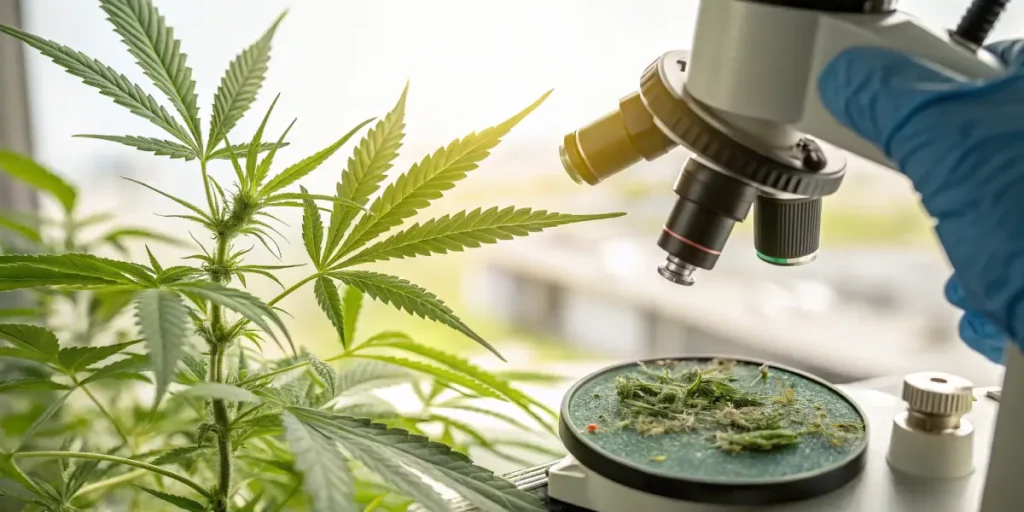
Bacterial contamination in cannabis cultivation is a hidden threat that can impact the quality and yield of your plants. Both novice and seasoned growers need to be aware of the risks and learn how to protect their crops. By knowing the causes and implications of bacterial growth, you can take proactive steps to ensure a healthy harvest.
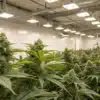
Microbial contamination in cannabis plants often stems from poor hygiene practices and inadequate environmental controls. Bacteria thrive in warm, moist environments, making cannabis cultivation sites a potential breeding ground. Implementing strict cleanliness measures can mitigate these risks. Prevention begins with active microbiome management and ends with solid quality control in residue testing before the flower ever reaches the shelf.
Recommended Strains

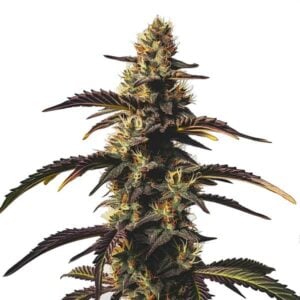
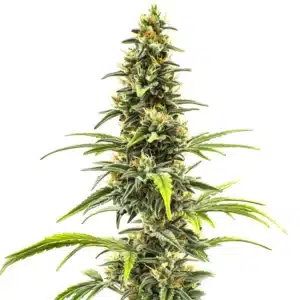
Sour Diesel

|
THC | 22% - 25% (High) |

|
Type | Feminized |

|
Yield | High |

|
Phenotype | 30% Indica / 70% Sativa |

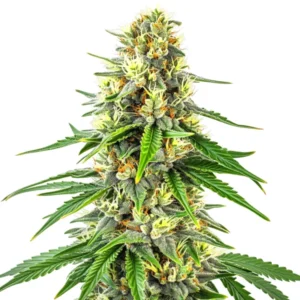
GG4
|
|
THC | 27% (High) |
|
|
Type | Feminized |
|
|
Yield | High |
|
|
Phenotype | 40% Indica / 60% Sativa |
For instance, controlling humidity and temperature in your grow room is crucial. High humidity levels can promote bacterial growth, which poses a threat to your plants. Keeping these factors in check helps maintain a healthier environment for your cannabis plants.
Identifying Bacterial Contamination
Recognizing signs of bacterial contamination in cannabis cultivation is essential for swift action. Yellowing leaves, stunted growth, and unusual spots on the foliage can all be indications of a bacterial problem. Being vigilant helps you catch these issues early.
Regularly inspecting your cannabis plants can prevent bacterial growth from getting out of control. If you notice any suspicious symptoms, consider isolating the affected plants. This can stop the spread of bacteria to healthy ones, safeguarding your entire crop.
Besides to visual inspections, utilizing bacteria testing for cannabis growing can be an effective method of early detection. This allows growers to identify unseen threats and take immediate action before bacterial contamination in cannabis cultivation becomes unmanageable.
Even with preventative measures, bacterial contamination can occasionally occur. Being prepared with a response plan, which includes isolation protocols and treatment options, can significantly reduce potential damage to your crops. Quick and informed actions help protect your investment.
Bacteria Testing for Cannabis Growing
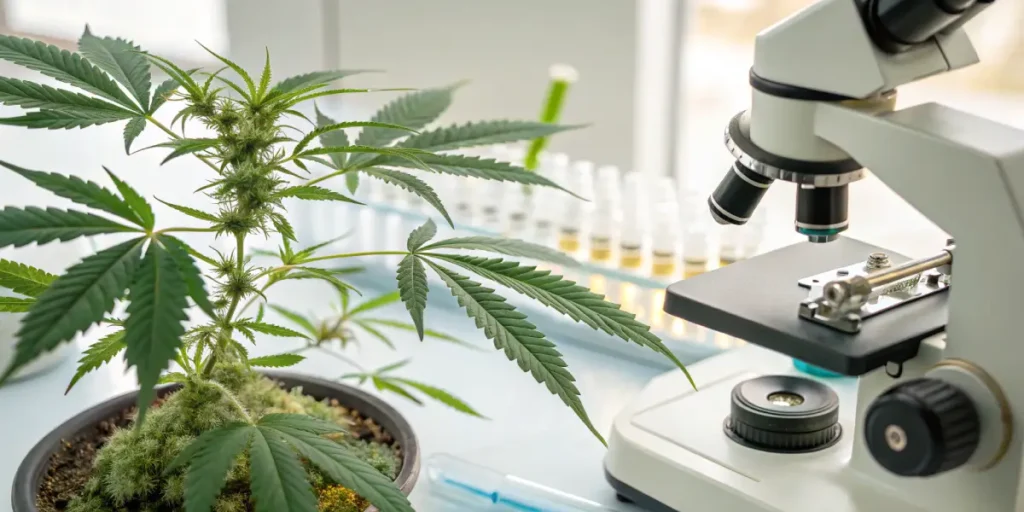
Bacteria testing in cannabis growing involves taking samples of your plants or grow medium and sending them to a lab for analysis. These tests can reveal the presence of harmful bacteria, allowing you to take corrective action before it affects your entire grow.
Many growers use bacteria testing as part of their routine quality control process. By incorporating regular testing, you can ensure that your grow environment remains optimal. It’s an investment that can save time and resources in the long run.
Furthermore, bacteria testing in cannabis growing can provide insights into the overall health of your cultivation environment. Knowing the microbial landscape can assist in making informed decisions about environmental adjustments and maintenance routines.
Testing can also help verify the effectiveness of your bacterial contamination prevention strategies. By identifying potential weaknesses in your approach, you can refine your methods and further reduce the risk of contamination, ensuring a successful harvest every time.
For example, if you’re growing the popular Blimburn Seeds strain Sour Diesel, regular bacteria testing can help maintain the strain’s robust flavor and potency. Ensuring bacterial contamination prevention in cannabis cultivation is key to achieving this.
Promos & Deals
Preventative Measures
Preventing bacterial growth in cannabis farms starts with maintaining high standards of cleanliness. This includes regular cleaning of all surfaces and equipment, as well as ensuring that all staff are trained in proper hygiene practices.
Another effective strategy is using sterilized tools and grow mediums. This reduces the chances of introducing bacteria into your grow environment. When working with strains like Blimburn Seeds’ Blue Dream, these practices help preserve the plant’s unique characteristics.
Implementing a regular schedule for cleaning and maintenance is vital for bacterial contamination prevention in cannabis cultivation. This routine should cover all aspects of the grow space, including often-overlooked areas like ventilation systems and storage rooms.
It’s equally important to cultivate a culture of awareness among your staff. Regular training sessions on the latest cannabis cultivation hygiene practices can empower your team to recognize potential contamination risks and take proactive measures to address them.
Cannabis Cultivation Hygiene Practices
Adhering to strict cannabis cultivation hygiene practices can significantly reduce the risk of bacterial contamination. This includes regular hand washing, using gloves, and ensuring that all visitors to the grow area adhere to the same standards.
It’s also important to regularly clean and sanitize your grow room. This involves wiping down surfaces, cleaning equipment, and ensuring that any spills are promptly addressed. Keeping the environment clean helps prevent bacterial contamination in cannabis cultivation.
Moreover, introducing footbaths at entry points can further enhance hygiene protocols. These are effective in preventing the transfer of pathogens from outside environments into your grow area, thereby reducing the risk of microbial contamination in cannabis plants.
Additionally, enforcing a no-smoking policy in and around cultivation sites can prevent contamination from tobacco mosaic virus, which is known to affect cannabis plants. This complements other hygiene practices and strengthens your overall preventative strategy.
For growers cultivating the Blimburn Seeds strain GG4, maintaining a clean environment is crucial. This strain is known for its potent effects, and any compromise in quality due to microbial contamination can diminish its value.
Dealing with Bacterial Contamination
If you discover bacterial contamination in your cannabis cultivation, it’s important to act quickly. Begin by identifying and removing any affected plants to prevent further spread. Dispose of these plants properly to avoid contaminating your soil or other grow mediums.
After removing affected plants, treat the remaining ones with appropriate antibacterial solutions. These treatments can help eliminate any residual bacteria and protect your healthy plants from future outbreaks.
Besides to immediate actions, reassess your current procedures to identify potential gaps in your bacterial contamination prevention strategies. This review can inform future practices and help you develop more robust preventive measures.
Consider consulting with experts in cannabis cultivation hygiene practices for tailored advice on managing bacterial issues. Their insights can provide valuable guidance and innovative solutions for maintaining a clean and productive grow environment.
Long-Term Solutions for Bacterial Contamination Prevention
Implementing long-term solutions can help prevent bacterial contamination in cannabis cultivation. This includes investing in air filtration systems that remove bacteria from the environment. Such systems can be particularly beneficial in indoor grow operations.
Regularly upgrading your equipment and infrastructure can also help. Old or malfunctioning equipment can become a breeding ground for bacteria, so keep everything in top condition. This ensures a healthier grow space for your cannabis plants.
Additionally, exploring the use of biological control agents can offer a sustainable approach to managing bacterial issues. These agents can help maintain the microbial balance within your growing environment, reducing the need for chemical interventions.
Finally, collaborating with seed providers like Blimburn Seeds to select strains with natural resistance to bacterial threats can enhance your overall cultivation strategy. By choosing resilient strains, you can further safeguard your crops against contamination.
FAQs about bacterial contamination in cannabis cultivation
What are the common signs of bacterial contamination in cannabis plants?
Common signs include yellowing leaves, stunted growth, and unusual spots on the foliage. These symptoms can indicate a bacterial problem, particularly if they appear suddenly and affect multiple plants. Regular monitoring helps identify these signs early.
If you notice these symptoms, it’s important to take immediate action. Isolating affected plants and seeking professional testing can prevent the issue from spreading to your entire crop. Early detection is key to effective management.
Beyond visual symptoms, noticeable changes in soil health or plant vigor can also signal bacterial contamination in cannabis cultivation. Observing these changes can prompt further investigation, ensuring timely intervention.
Moreover, maintaining detailed records of plant health and environmental conditions can assist in identifying patterns that may suggest bacterial issues, allowing for faster and more precise responses to contamination threats.
How can I prevent bacterial contamination in my cannabis cultivation?
Preventing bacterial contamination involves maintaining high hygiene standards. This includes cleaning tools and equipment, using sterilized grow mediums, and ensuring that all staff adhere to strict hygiene practices. These steps create a less conducive environment for bacteria.
Controlling environmental factors such as humidity and temperature is also crucial. Bacteria thrive in warm, moist conditions, so keeping these in check minimizes risks. Regular bacteria testing can further help in monitoring and maintaining a clean grow space.
Incorporating scheduled environmental assessments can enhance your bacterial contamination prevention strategy. These assessments help identify any vulnerabilities in your grow space that may facilitate bacterial growth.
Additionally, staying informed about the latest advancements in cultivation technology can provide new tools and methods for preventing bacterial growth in cannabis farms, ensuring your practices remain cutting-edge and effective.
Why is bacteria testing important for cannabis growing?
Bacteria testing is vital for identifying harmful bacteria that may not be visible to the naked eye. These tests provide insights into the microbial environment of your grow space, allowing you to address issues before they affect your plants.
Including bacteria testing in your routine can improve the overall quality and yield of your cannabis plants. Knowing the health status of your grow environment helps you take preventive measures, ensuring a successful cultivation process.
Furthermore, bacteria testing cannabis growing contributes to compliance with safety standards and regulations. Meeting these criteria is essential for accessing broader markets and maintaining consumer trust in your products.
By routinely engaging in bacteria testing, you can also benchmark your cultivation practices against industry standards, helping to identify areas for improvement and innovation in preventing bacterial contamination.
What are some effective hygiene practices for cannabis cultivation?
Effective hygiene practices include regular cleaning and sanitization of your grow space, using sterilized tools, and ensuring all personnel follow strict hygiene protocols. These measures help to create a clean and healthy environment for your plants.
Additionally, using protective gear such as gloves and masks can prevent the introduction of bacteria. Regularly training your staff on these practices ensures consistency and effectiveness in maintaining a bacteria-free cultivation site.
Incorporating dedicated cleaning schedules and checklists can enhance the consistency of your cannabis cultivation hygiene practices. These tools ensure that all areas are addressed and standards are maintained across operations.
Engaging with professional cleaning services for periodic deep cleans can also bolster your hygiene efforts. These deep cleans target hard-to-reach areas, further reducing the risk of microbial contamination in cannabis plants.
How do environmental controls help in preventing bacterial growth?
Environmental controls such as regulating humidity and temperature are crucial in preventing bacterial growth. Bacteria prefer warm, moist environments, so keeping these factors in check can reduce the risk of contamination.
Investing in proper ventilation and air filtration systems can also help maintain optimal growing conditions. These controls are essential for both preventing bacteria and promoting the healthy growth of your cannabis plants.
Moreover, implementing automated environmental monitoring systems can provide real-time data and alerts, enabling immediate adjustments to prevent bacterial contamination in cannabis cultivation.
Additionally, designing your grow space to facilitate airflow and reduce stagnant areas can further support these environmental controls, ensuring an even distribution of air and minimizing bacterial hotspots.