Earthy Cannabis Aroma Compounds and VOCs

The earthy aroma of cannabis is a signature trait that many enthusiasts appreciate. These earthy cannabis aroma compounds VOCs are primarily influenced by terpenes like myrcene and caryophyllene, which not only define the aroma but also enhance the plant’s effects. Knowing the function of these terpenes and their interaction with cannabinoids can improve both your cultivation and consumption experience.
Introduction to Cannabis Aroma Compounds
What are VOCs in Cannabis?
Volatile organic compounds (VOCs) in cannabis are responsible for the plant’s distinct aroma and flavor profiles. These compounds evaporate at room temperature, releasing scents that range from earthy to fruity. In particular, earthy cannabis aroma compounds VOCs are highly valued for their deep, natural fragrance and complex terpene composition. VOCs include a variety of terpenes and other organic molecules that play a crucial role in the plant’s interaction with its environment and its appeal to consumers.
Recommended Strains

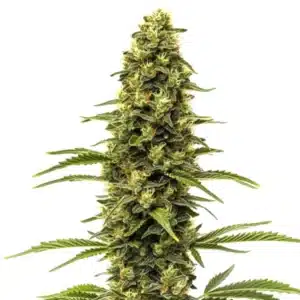
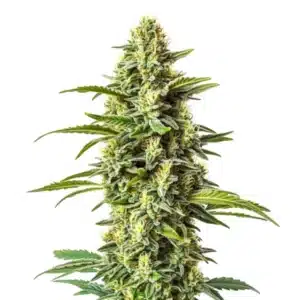
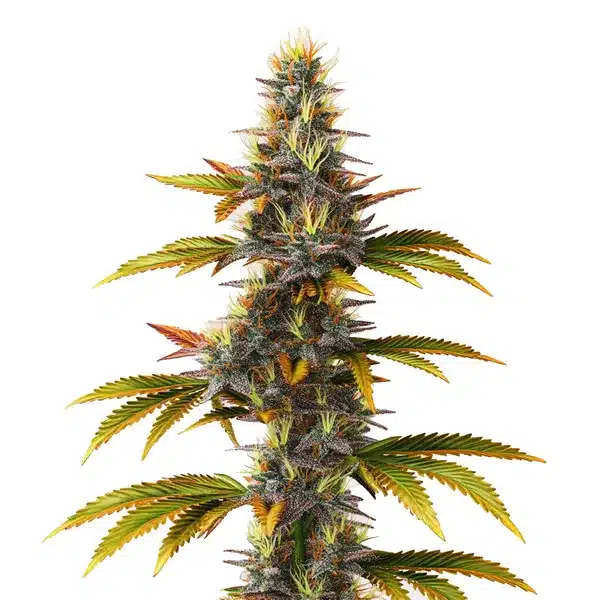
Northern Lights

|
THC | 17% (Medium) |

|
Type | Feminized |

|
Yield | High |

|
Phenotype | 90% Indica / 10% Sativa |
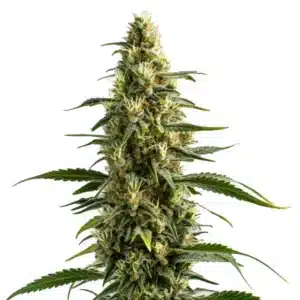
Skunk Fast Version
|
|
THC | 15% - 18% (Medium) |
|
|
Type | Fast Flowering |
|
|
Yield | High |
|
|
Phenotype | 60% Indica / 40% Sativa |
In cannabis, VOCs are primarily composed of terpenes, which can account for up to 2% of the plant’s dry weight. These compounds are synthesized in the trichomes and can vary significantly between strains, affecting both aroma and therapeutic effects. For instance, myrcene, a common terpene, is known for its earthy scent and can enhance THC’s psychoactive effects by increasing its absorption rate.
Key Compounds Contributing to Earthy Scents
Earthy aromas in cannabis are predominantly due to terpenes such as myrcene and caryophyllene. Myrcene, often found in higher concentrations, provides a musky, herbal scent and can range from 0.5% to 1.5% in many strains. Caryophyllene, with its spicy, woody aroma, also contributes to the earthy profile and acts as a cannabinoid by interacting with CB2 receptors, offering potential anti-inflammatory benefits.
Knowing these compounds allows growers to select strains that cater to specific aroma preferences. For example, strains like Northern Lights, known for their earthy scent, often have higher concentrations of these terpenes. This knowledge can guide cultivation practices to enhance desired aromatic profiles.
Promos & Deals

Earthy Aromas and Their Chemical Origins
The Science Behind Cannabis Thiols
Cannabis thiols are sulfur-containing compounds that significantly influence the plant’s aroma, especially within the profile of earthy cannabis aroma compounds VOCs. These compounds, such as 3-methyl-2-butene-1-thiol, are known for their pungent, skunky scent. They are formed through the enzymatic breakdown of sulfur-containing amino acids during the plant’s growth and curing processes.
Thiols, although present in trace amounts, have a profound impact on the overall scent profile of cannabis. They interact with other VOCs to create complex aromas that can be both earthy and skunky. This interaction is crucial for strains like Skunk Fast Version, which are prized for their robust scent.
Volatile Sulfur Compounds and Their Role
Volatile sulfur compounds in cannabis play a crucial role in defining the plant’s aroma. These compounds, including prenylated volatile sulfur compounds, are essential for creating the unique scent that distinguishes different strains. They are synthesized in response to environmental factors and can influence the plant’s appeal to both consumers and pollinators.
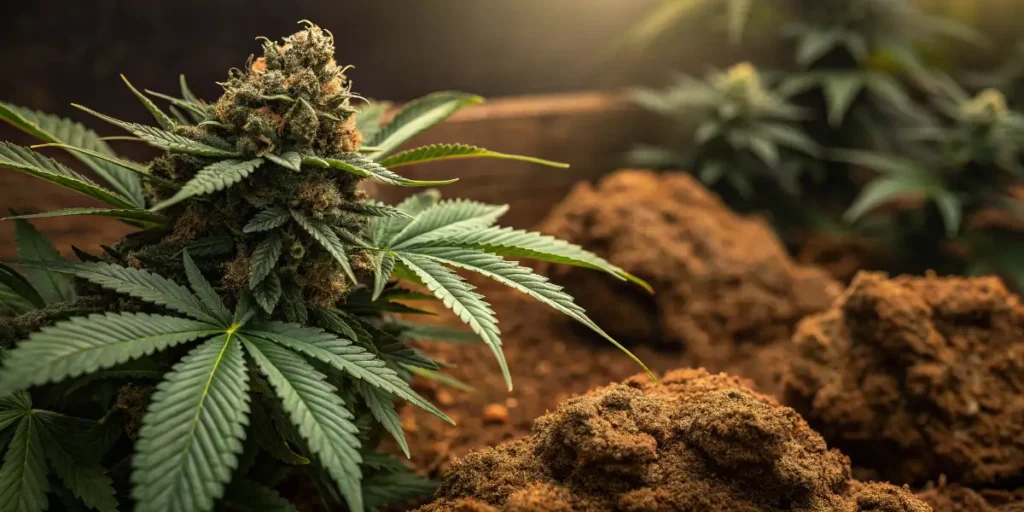
The presence of these compounds can vary based on cultivation conditions, such as soil type and nutrient availability. Knowing how to manage these factors can help growers optimize the aromatic qualities of their crops, enhancing both marketability and consumer satisfaction.
Why Cannabis Smells So Strong
Factors Influencing Cannabis Aroma
The strong smell of cannabis is due to a combination of volatile organic compounds, including terpenes and sulfur compounds. These compounds are produced in the trichomes and are influenced by factors such as genetics, cultivation conditions, and curing processes. Strains like OG Kush are known for their potent aroma due to high terpene concentrations.
Environmental factors, such as temperature and humidity, also play a significant role in aroma development and the expression of earthy cannabis aroma compounds VOCs. Maintaining optimal conditions during cultivation and curing can enhance the aromatic profile, making the strain more appealing to consumers. For example, keeping humidity levels between 58–62% during curing can help preserve terpene integrity and maintain the full complexity of cannabis aromas.
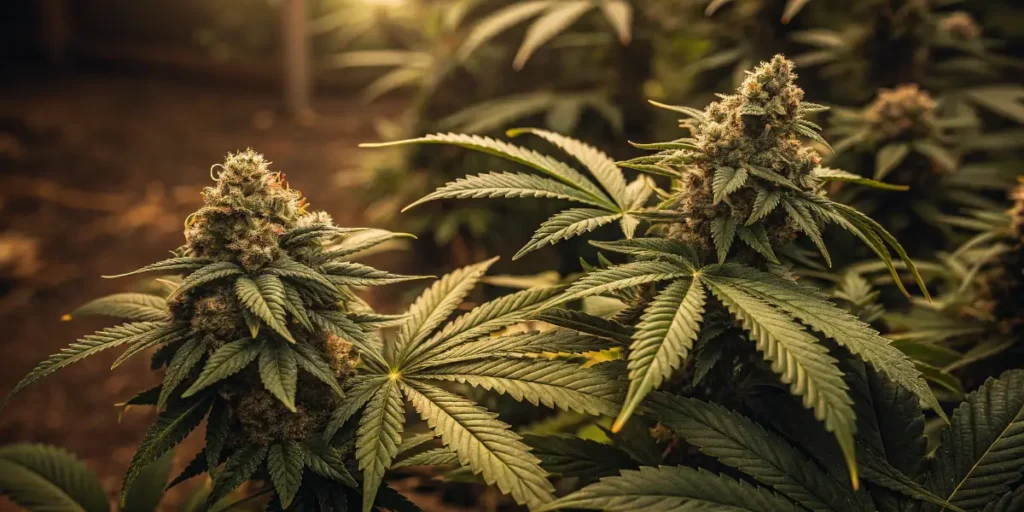
Professional Tips for Enhancing Cannabis Aroma
- Maintain 58-62% RH during curing to preserve terpene profiles. Below 55% can lead to terpene degradation, while above 65% can encourage mold growth.
- Optimize soil nutrient levels, particularly sulfur, to enhance volatile sulfur compound production. Sulfur deficiency can lead to a weaker aroma.
- Use low-stress training techniques to increase trichome production, boosting VOCs and enhancing aroma.
- Harvest at peak maturity to ensure maximum terpene and VOC content. Premature harvesting can result in a less potent aroma.
- Store cannabis in airtight containers away from light to prevent terpene loss and maintain aroma integrity.
- Monitor temperature during drying, keeping it between 60-70°F (15-21°C) to prevent terpene evaporation.
FAQs about earthy cannabis aroma compounds VOCs
Does cannabis emit VOCs?
Yes, cannabis emits volatile organic compounds (VOCs) that contribute to its distinct aroma. These compounds include terpenes and other organic molecules, which can account for up to 2% of the plant’s dry weight. VOCs are responsible for the wide range of scents found in different cannabis strains.
Which terpenes help with arthritis?
Terpenes like caryophyllene and myrcene are known to help with arthritis. Caryophyllene interacts with CB2 receptors and has anti-inflammatory properties, while myrcene enhances cannabinoid absorption. Strains with these terpenes can provide relief from arthritis symptoms.
What are the volatile compounds in cannabis?
The main volatile compounds in cannabis include terpenes, such as myrcene and limonene, and sulfur compounds like 3-methyl-2-butene-1-thiol. These compounds contribute to the plant’s aroma and can vary in concentration depending on the strain and cultivation conditions.
Which terpene tastes earthy?
Myrcene is the terpene most commonly associated with an earthy taste in cannabis. It provides a musky, herbal aroma and is prevalent in strains like Northern Lights. Myrcene can also enhance the psychoactive effects of THC by increasing its absorption rate.
How do cultivation conditions affect cannabis aroma?
Cultivation conditions, such as soil nutrients, temperature, and humidity, significantly affect cannabis aroma. Optimal conditions enhance terpene and VOC production, leading to a more robust scent profile. For example, maintaining 58-62% RH during curing preserves terpene integrity and aroma.