Diesel Cannabis Aroma Compounds and VOCs

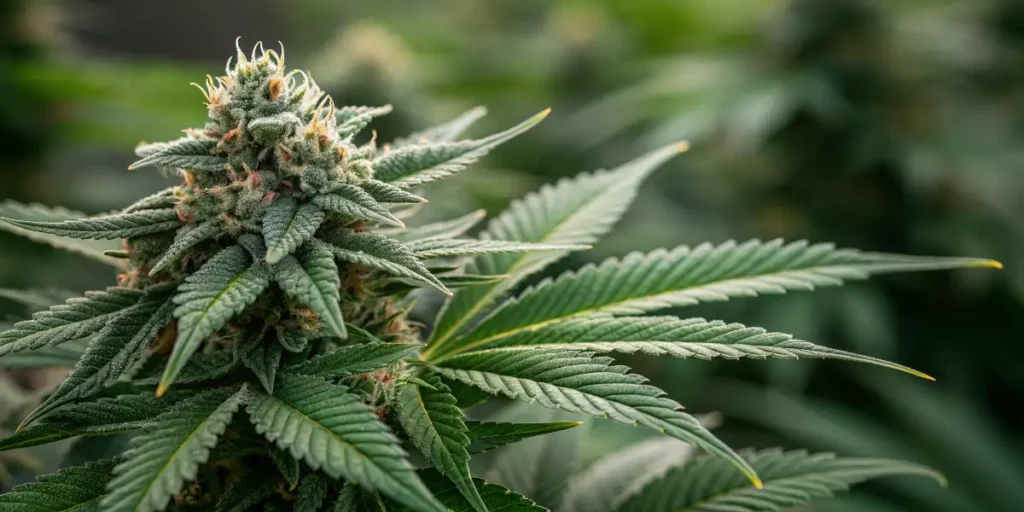
Diesel cannabis strains captivate enthusiasts with their pungent aroma, a result of complex terpene profiles and unique diesel cannabis aroma compounds VOCs. These terpenes, such as caryophyllene and pinene, not only define the scent but also enhance the entourage effect. Cultivating diesel strains requires attention to flowering times, typically around 8–9 weeks, to maximize both aroma and potency.
What Are Volatile Organic Compounds (VOCs)?
Common Sources of VOCs
Volatile organic compounds (VOCs) are emitted by various sources, including plants, industrial processes, and household products. In cannabis, VOCs are primarily terpenes and cannabinoids that contribute to the plant’s aroma and therapeutic effects. These compounds are released into the air, influencing both the plant’s environment and human perception.
Recommended Strains
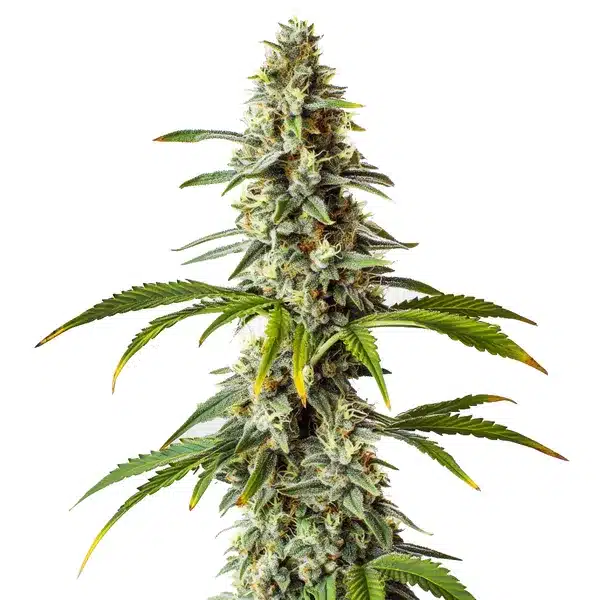
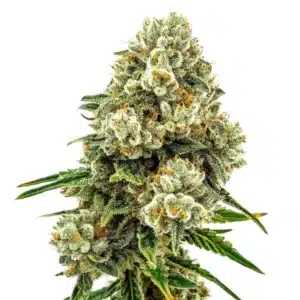
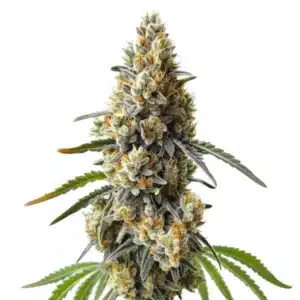
Diesel

|
THC | 12% - 21% (Medium) |

|
Type | Feminized |

|
Yield | High |

|
Phenotype | 30% Indica / 70% Sativa |

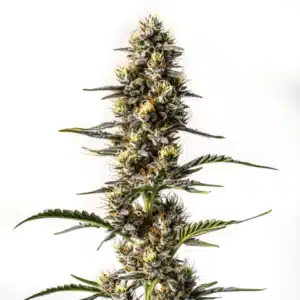
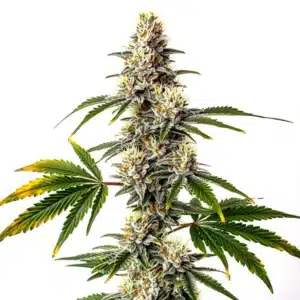
Sour Diesel
|
|
THC | 22% - 25% (High) |
|
|
Type | Feminized |
|
|
Yield | High |
|
|
Phenotype | 30% Indica / 70% Sativa |
In cannabis cultivation, VOCs like limonene (0.5-1.5%) and myrcene (0.8-1.2%) are key contributors to aroma. These compounds are also found in everyday products such as paints and cleaners, making them ubiquitous in both natural and artificial environments.
Impact on Cultivation and Environment
VOCs play a significant role in cannabis cultivation, affecting both plant health and environmental interactions. High concentrations of VOCs can enhance pest resistance and attract beneficial insects. However, they also contribute to air pollution, necessitating careful management in indoor grows to maintain air quality.
Experienced growers often use carbon filters to manage VOC emissions, ensuring that the indoor environment remains healthy for both plants and humans. This practice helps mitigate the impact of VOCs on air quality, a common concern in densely populated areas.
Promos & Deals
The Science Behind Diesel Cannabis Aroma
Key Compounds in Diesel Aroma
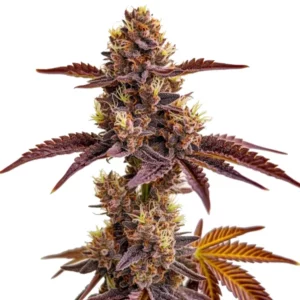
Diesel cannabis strains owe their distinctive aroma to a blend of terpenes and hydrocarbons. Terpenes like myrcene and caryophyllene dominate the profile, contributing to the earthy and spicy notes typical of diesel strains. Myrcene, present at 0.8-1.2%, enhances THC uptake, while caryophyllene (0.4-0.7%) interacts with CB2 receptors to provide anti-inflammatory effects.
Hydrocarbons such as limonene (0.5-1.5%) add citrusy undertones, creating a complex sensory experience. These compounds not only define the aroma but also influence the strain’s effects, offering both relaxation and euphoria to consumers.
Unique Characteristics of Sour Diesel
Sour Diesel, a renowned diesel strain, is celebrated for its energizing effects and pungent aroma. This strain typically contains 20-25% THC, with terpenes like limonene and pinene contributing to its citrus and pine notes. The combination of these compounds creates a stimulating experience, ideal for daytime use.
Growers appreciate Sour Diesel for its robust growth and high yield potential, often achieving 1.5-2 oz/ft² (450-600 g/m²) indoors. Its unique terpene profile not only attracts consumers but also enhances its therapeutic potential, making it a favorite among medical users.
Professional Tips for Diesel Cannabis Cultivation
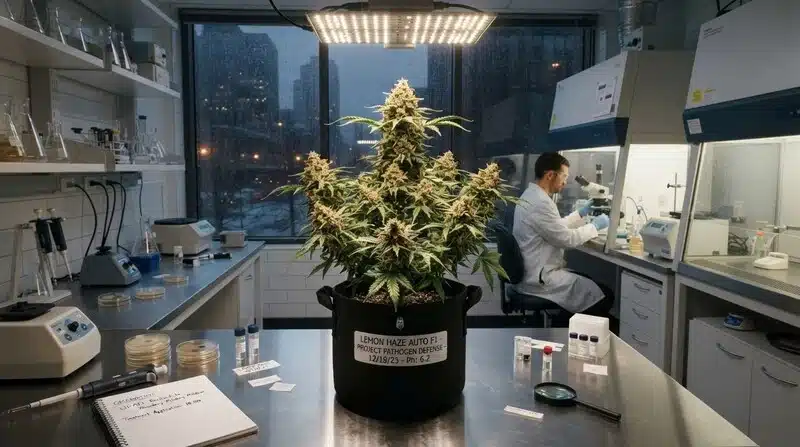
- Maintain 58-62% RH during curing to preserve terpene integrity. Lower humidity can arrest aroma development, while higher levels risk mold growth.
- Use carbon filters to manage VOC emissions in indoor grows, ensuring air quality and minimizing odor complaints from neighbors.
- Optimize light intensity to 800-1000 µmol/m²/s during flowering for maximum resin production and potency.
- Monitor soil pH levels between 6.0-6.5 to ensure optimal nutrient uptake and prevent deficiencies.
- Implement integrated pest management (IPM) strategies to protect against common pests without compromising terpene profiles.
- Regularly calibrate hygrometers and pH meters to maintain accurate environmental readings, crucial for consistent quality.
FAQs About diesel cannabis aroma compounds VOCs
Does diesel produce VOCs?
Yes, diesel fuel combustion releases VOCs into the atmosphere, contributing to air pollution. However, diesel cannabis strains emit VOCs like terpenes, which are naturally occurring compounds responsible for their distinctive aroma. These VOCs differ significantly from those produced by diesel fuel.
Does cannabis emit VOCs?
Cannabis plants emit VOCs, primarily in the form of terpenes and cannabinoids. These compounds contribute to the plant’s aroma and therapeutic effects. Indoor grows must manage VOC emissions to maintain air quality, often using carbon filters to reduce odors and potential air pollution.
What are the side effects of Sour Diesel?
Sour Diesel is known for its energizing effects, often leading to increased focus and creativity. However, it can also cause dry mouth and eyes, typical side effects of cannabis use. With THC levels ranging from 20-25%, it may induce anxiety in sensitive users.
What are 5 common sources of VOCs?
Common sources of VOCs include industrial processes, vehicle emissions, household products like paints and cleaners, and natural sources such as plants. In cannabis, VOCs are primarily terpenes and cannabinoids, contributing to the plant’s aroma and ecological interactions.
How does cannabis release VOCs into the environment?
Cannabis releases VOCs through its trichomes, where terpenes and cannabinoids are produced. These compounds volatilize into the air, contributing to the plant’s aroma and ecological interactions. Managing VOC emissions is crucial in indoor cultivation to maintain air quality.