What to Expect in Week 7 Flowering: Tips & Techniques

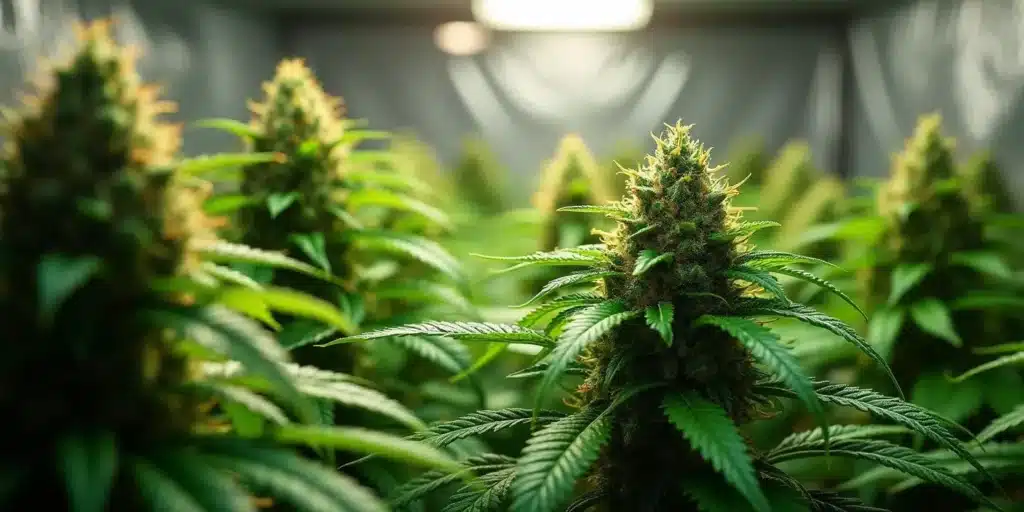
Week 7 flowering insights: During the seventh week of flowering, cannabis plants exhibit significant bud growth and increased trichome density, which are indicators of maturity. Environmental conditions such as light intensity and humidity levels become crucial for optimizing yield and potency. Monitoring these factors can help ensure a successful harvest, as plants are nearing the end of their flowering cycle. As harvest nears, follow our last two weeks of outdoor flowering tips.
Week 7 of flowering is a pivotal time for cannabis plants, with terpenes like myrcene and caryophyllene peaking, enhancing aroma and flavor. This stage typically lasts 8-9 weeks for many strains. Ensuring optimal light and nutrient balance is crucial for maximizing resin production and achieving the desired potency.
Recommended Strains

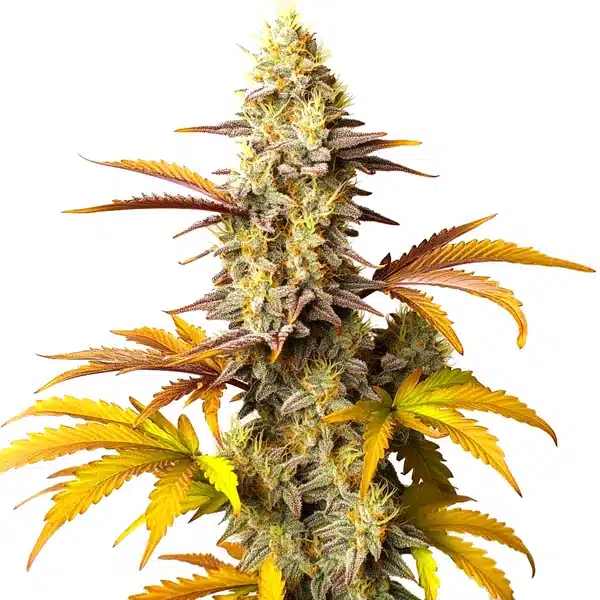
Blue Cheese

|
THC | 16% - 20% (Medium) |

|
Type | Feminized |

|
Yield | High |

|
Phenotype | 80% Indica / 20% Sativa |
Blue Cheese Autoflower
|
|
THC | 14% - 16% (Medium) |
|
|
Type | Autoflowering |
|
|
Yield | High |
|
|
Phenotype | 80% Indica / 20% Sativa |
Overview of Week 7 Flowering
Key Changes in Bud Development
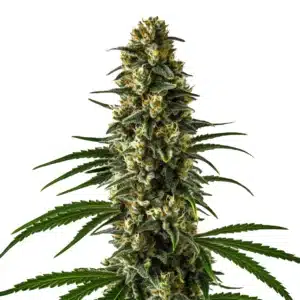
In the seventh week of flowering, cannabis plants experience a surge in bud development. This phase is marked by the thickening of buds, as they accumulate more weight and density. The trichomes, which are the resinous glands on the buds, become more prominent and start to cloud over, indicating an increase in cannabinoid concentration.
Trichome development is crucial at this stage, as it directly impacts the potency of the final product. The trichomes contain the majority of cannabinoids and terpenes, which are responsible for the plant’s psychoactive effects and aroma. Growers should aim for a trichome coverage of 20-30% by this stage to ensure optimal potency.
Environmental Factors for Week 7
Environmental conditions play a critical role in the success of the flowering stage. Light intensity should be maintained at 800-1000 µmol/m²/s to promote healthy bud development. Additionally, maintaining a temperature range of 68-77°F (20-25°C) is essential to prevent heat stress and encourage optimal growth.
Humidity levels should be kept between 40-50% to prevent mold and mildew, which can devastate a crop. Using a dehumidifier can help maintain these levels, especially in regions with high ambient humidity. Monitoring these parameters closely can lead to a more successful harvest.
Furthermore, the seventh week of flowering is a critical period where CO2 levels can significantly impact the plant’s metabolic processes. Ensuring an environment rich in CO2 can enhance photosynthesis, leading to increased carbohydrate production and ultimately larger, more resinous buds. This is particularly vital as the plant’s energy demands peak during this phase.
Promos & Deals
Common Challenges in Week 7
Nutrient Deficiencies and Pest Management
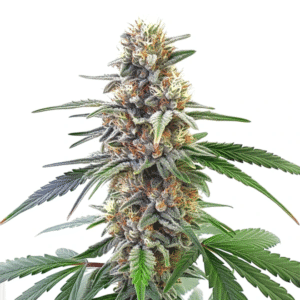
As cannabis plants progress through week 7 of flowering, their nutrient requirements shift. They need less nitrogen and more phosphorus and potassium to support bud growth. A nutrient deficiency can manifest as yellowing leaves or stunted growth, which can impact the final yield.
Pest management is another critical aspect during this stage. Common pests like spider mites and aphids can wreak havoc on plants, leading to reduced yields. Regular inspections and the use of organic pesticides can help keep these pests at bay.
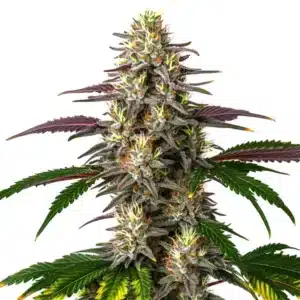
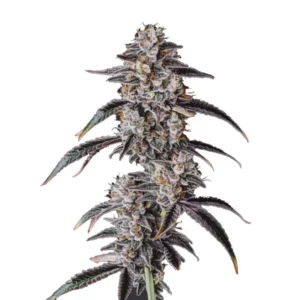
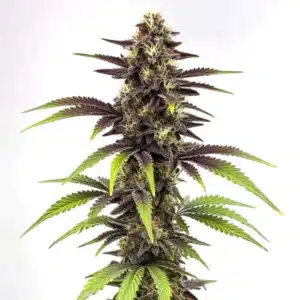
| Feature | Bruce Banner X Do Si Dos | Tropicana Cookies Purple | Moby Dick |
|---|---|---|---|
| THC Percentage | 25-28% | 22-26% | 20-24% |
| Dominant Terpene | Myrcene | Limonene | Caryophyllene |
| Flowering Time | 8-9 weeks | 9-10 weeks | 9-10 weeks |
| Yield | 1.5-2 oz/ft² (450-600 g/m²) | 1.2-1.6 oz/ft² (350-500 g/m²) | 1.8-2.2 oz/ft² (500-650 g/m²) |
| Aroma | Earthy, Sweet | Citrus, Sweet | Spicy, Earthy |
Week 7 Flowering Tips
Maximizing yield during week 7 requires careful attention to detail. Defoliation, or the removal of excess leaves, can improve light penetration and airflow, which are crucial for bud development. However, over-defoliation can stress plants, so it’s important to remove only the necessary leaves.
Another advanced technique is to adjust the nutrient solution to a lower pH level, around 5.8-6.2, to enhance nutrient uptake. This can lead to increased bud density and resin production, resulting in a more potent final product.
Moreover, implementing a strict 12/12 photoperiod during this stage is crucial. This means 12 hours of light followed by 12 hours of total darkness. This light schedule mimics natural conditions, signaling the plant to focus energy on flowering rather than vegetative growth. Any light leaks during the dark period can confuse the plant, potentially leading to hermaphroditism or reversion to vegetative growth.
Professional Tips for Week 7 Flowering
- Maintain 800-1000 µmol/m²/s light intensity to ensure optimal bud growth and resin production. Avoid light burn by keeping lights at the recommended distance.
- Keep humidity at 40-50% to prevent mold. Use a dehumidifier if necessary, especially in high humidity climates.
- Adjust nutrient solution pH to 5.8-6.2 for better nutrient uptake, enhancing bud density and potency.
- Monitor trichome development closely; aim for 20-30% coverage for peak potency. Use a jeweler’s loupe for accuracy.
- Defoliate carefully to improve light penetration, but avoid over-defoliation to prevent plant stress.
- Inspect plants regularly for pests like spider mites and aphids. Use organic pesticides to manage infestations.
- Ensure a strict 12/12 photoperiod to optimize flowering. Avoid any light leaks during the dark period to prevent stress.

FAQs
What to expect in week 7 of flowering?
In week 7 of flowering, expect significant bud growth and increased trichome density. This stage is crucial for maximizing yield and potency. Environmental conditions like light intensity and humidity become critical. Monitor these factors closely, as they can greatly influence the final quality of your harvest.
Do buds fatten up in week 7?
Yes, buds typically fatten up significantly in week 7 of flowering. This is due to the accumulation of weight and density as the plant focuses its energy on bud development. Ensuring optimal nutrient levels and environmental conditions can enhance this process, leading to larger and more potent buds.
Can I defoliate week 7 of flowers?
Defoliation can be beneficial in week 7 to improve light penetration and airflow. However, it should be done carefully to avoid stressing the plant. Remove only the necessary leaves that block light to the buds. Over-defoliation can lead to reduced yields and plant stress.
How often should I water during the flowering stage?
During the flowering stage, water your plants when the top inch of soil feels dry. This usually means watering every 2-3 days, depending on environmental conditions. Over-watering can lead to root rot, while under-watering may cause wilting. Adjust your watering schedule based on plant needs and environmental factors.
What are the signs of nutrient deficiencies in week 7?
Nutrient deficiencies in week 7 can manifest as yellowing leaves or stunted growth. Cannabis plants require less nitrogen and more phosphorus and potassium during this stage. Adjust your nutrient solution accordingly to prevent deficiencies and support healthy bud development.