Pros and Cons of Cannabis Legalization

Economic Growth from Cannabis Legalization: Cannabis legalization presents a multifaceted issue with notable benefits and challenges. Key advantages include economic growth, evidenced by a 20% increase in tax revenue in states with legal cannabis as of 2023. However, challenges such as health concerns and regulatory issues persist, requiring careful consideration and strategic planning to maximize benefits while mitigating drawbacks.
The legalization of cannabis has transformed the landscape for both consumers and the economy. With terpene profiles like Myrcene and Limonene enhancing the sensory experience, the industry has seen a surge in demand. Additionally, the flowering time for popular strains like GG4 and Wedding Cake ranges from 8 to 9 weeks, highlighting the efficiency of modern cultivation techniques.
Recommended Strains

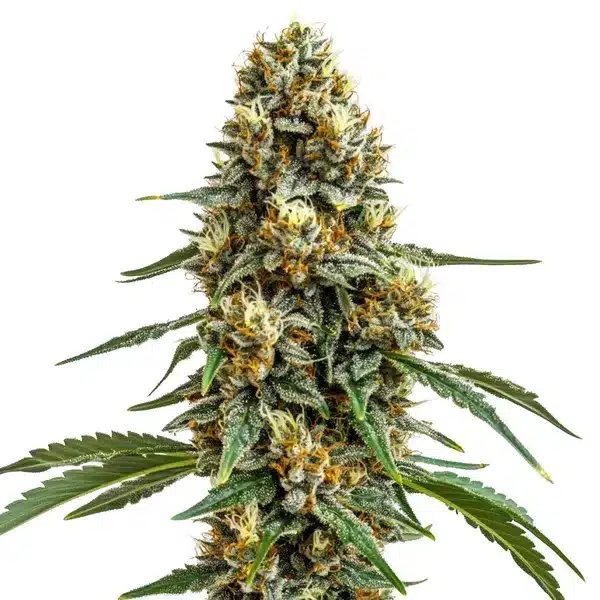
Wedding Cake

|
THC | 17% - 23% (Medium) |

|
Type | Feminized |

|
Yield | High |

|
Phenotype | 60% Indica / 40% Sativa |
Durban Poison
|
|
THC | 15% - 25% (High) |
|
|
Type | Feminized |
|
|
Yield | High |
|
|
Phenotype | 10% Indica / 90% Sativa |
The Mechanism Behind Cannabis Legalization
Legal Frameworks and State Regulations
Legalizing cannabis involves a complex interplay of federal and state laws. Each state sets its own regulations regarding cultivation, distribution, and consumption. For instance, while some states allow recreational use, others limit it to medical purposes, creating a patchwork of laws across the nation.
States like Colorado and California have implemented frameworks that regulate cannabis from seed to sale. These regulations ensure that products meet safety standards, with THC levels often capped at 30% to prevent overconsumption. Such measures are crucial in maintaining public health and safety.
Promos & Deals


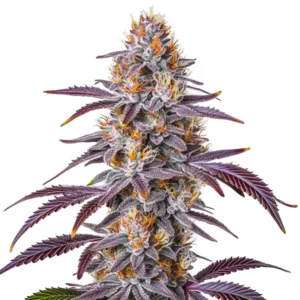

Pros of Legalizing Cannabis
Economic Benefits
Legalizing cannabis has significant economic advantages. States with legal cannabis markets have reported a 20% increase in tax revenue, providing funds for public services. Additionally, the industry has created over 300,000 jobs, ranging from cultivation to retail, boosting local economies.
Investing in cannabis can yield substantial returns. For example, the average yield for indoor-grown strains like GG4 is approximately 1.5-1.8 oz/ft² (450-550 g/m²), making it a lucrative crop for growers.
Medical Advancements
The pros of legalizing marijuana for medical use are profound. Cannabis has been shown to alleviate symptoms of chronic pain, epilepsy, and multiple sclerosis. Strains high in CBD, like CBD Zkittlez 11, offer therapeutic benefits without psychoactive effects.
Medical cannabis is often prescribed in dosages of 10-15 mg CBD per day, tailored to individual needs. This precise dosing helps manage conditions effectively, reducing reliance on traditional pharmaceuticals.
Social Justice Impacts
Legalization addresses social justice issues by reducing incarceration rates for cannabis-related offenses. States that have legalized cannabis have seen a significant decrease in arrests, allowing law enforcement to focus on more serious crimes.
Furthermore, expungement programs are being implemented to clear past cannabis convictions, helping individuals reintegrate into society and access better employment opportunities.
Cons of Legalizing Cannabis
Health Concerns
Cons of legalizing marijuana for recreational use include potential health risks. Regular use can lead to dependency, with approximately 9% of users developing an addiction. Additionally, high THC levels in some strains can exacerbate mental health issues.
It’s crucial to monitor consumption, especially among young adults. Limiting THC intake to 10-15 mg per session can help mitigate adverse effects, ensuring responsible use.
Regulatory Challenges
The cons of legalizing marijuana for medical use often involve regulatory hurdles. Establishing a consistent framework across states is challenging, leading to discrepancies in product quality and safety standards.
Regulators must ensure that cannabis products are free from contaminants like pesticides and heavy metals. Regular testing and certification can help maintain product integrity, safeguarding consumer health.
Social Implications
What are two negatives for recreational legalization? One is the potential increase in impaired driving incidents, as THC impairs motor skills. Another is the normalization of cannabis use, which may lead to increased consumption among minors.
Addressing these issues requires public education campaigns and strict enforcement of age restrictions. Implementing roadside testing for THC levels can also deter impaired driving, promoting safer communities.
| Feature | GG4 | Wedding Cake | Durban Poison |
|---|---|---|---|
| THC Percentage | 27% | 17-23% | 15-25% |
| Dominant Terpene | Humulene | Limonene | Terpinolene |
| Yield (Indoor) | 1.64 – 1.97 oz/ft² | 500 – 600 g/m² | 1.47 – 1.64 oz/ft² | 450 – 500 g/m² | 1.47 – 1.64 oz/ft² | 450 – 500 g/m² |
| Flowering Time | 8-10 weeks | 8-9 weeks | 8-10 weeks |
| Flavor Profile | Fruity, Pine, Spicy | Happy, Relaxed, Talkative | Creative, Energetic, Euphoric |
Federal Cannabis Legalization: A Future Perspective
Current Federal Stance
Federal cannabis legalization remains a contentious issue. Currently, cannabis is classified as a Schedule I substance, indicating no accepted medical use and a high potential for abuse. This classification poses significant challenges for research and banking within the industry.
Efforts to reclassify cannabis could open doors for comprehensive research and streamline financial operations. However, achieving consensus among lawmakers is a complex process that requires addressing diverse political and social concerns.
Potential Impacts of Federal Legalization
Federal legalization could standardize regulations across states, simplifying compliance for businesses. It could also enhance consumer protection by implementing uniform safety standards. Additionally, federal oversight might facilitate international trade, expanding market opportunities.
However, transitioning to a federally regulated market involves navigating existing state laws and addressing concerns about corporate monopolization. Balancing these factors is crucial to ensuring a fair and competitive market.

Professional Tips for Navigating Cannabis Legalization
- Track the 2.5-ounce possession limit in states like Virginia to avoid legal issues. Exceeding this limit can result in fines or criminal charges.
- Maintain a THC intake of 10-15 mg per session to minimize health risks. Overconsumption can lead to anxiety and impaired motor skills.
- Ensure cannabis products are tested for contaminants like pesticides. Regular testing helps maintain product safety and consumer trust.
- Monitor state-specific regulations to ensure compliance. Each state has unique laws regarding cannabis cultivation and distribution.
- Utilize expungement programs to clear past cannabis convictions. This can improve employment prospects and social reintegration.
- Implement public education campaigns to address social implications of legalization. Educating the public on responsible use is essential for community safety.
FAQ
What are the potential drawbacks of cannabis legalization?
Cannabis legalization can lead to increased impaired driving incidents and normalization of use among minors. Additionally, high THC products may exacerbate mental health issues. States must implement strict regulations and public education campaigns to mitigate these risks and ensure responsible consumption.
How does cannabis legalization affect tax revenue?
Legalizing cannabis has significantly boosted tax revenue in states with legal markets. For instance, Colorado reported a 20% increase in tax revenue, which supports public services and infrastructure. This financial benefit underscores the economic potential of a regulated cannabis industry.
What are the social justice impacts of cannabis legalization?
Legalization reduces incarceration rates for cannabis-related offenses, allowing law enforcement to focus on more serious crimes. Expungement programs help clear past convictions, improving employment opportunities and aiding social reintegration for affected individuals.
How does federal cannabis legalization impact businesses?
Federal legalization could standardize regulations, simplifying compliance and enhancing consumer protection. It may also facilitate international trade, expanding market opportunities. However, businesses must navigate existing state laws and address concerns about corporate monopolization.
What are the medical benefits of cannabis legalization?
Cannabis legalization for medical use offers therapeutic benefits for conditions like chronic pain and epilepsy. Strains high in CBD provide relief without psychoactive effects. Legal access ensures patients receive consistent, safe products tailored to their medical needs.