How to Fix Yellow Spots on Cannabis Leaves

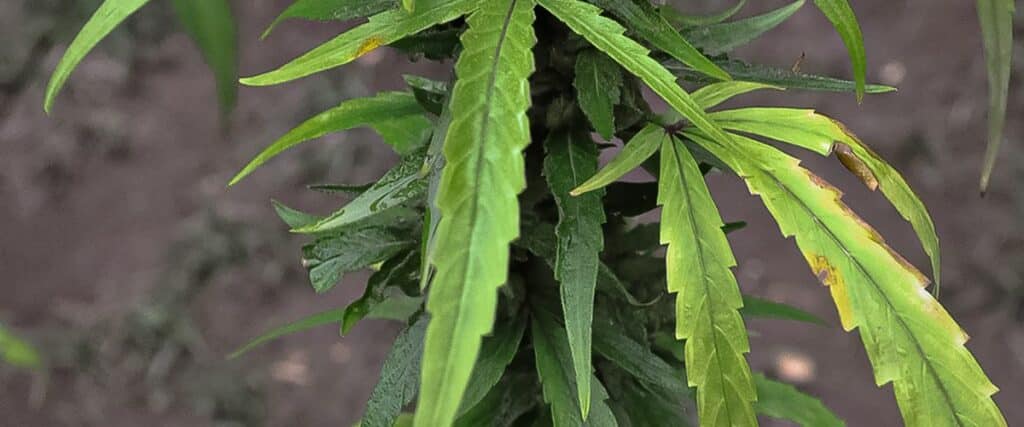
Yellow spots on cannabis leaves: These spots are typically caused by calcium deficiencies, fungal infections like Leaf Septoria, or pest damage such as spider mites. Identifying the exact issue is crucial for effective treatment. Proper diagnosis can help mitigate these problems and ensure healthy plant growth. Regular monitoring and environmental control are key to preventing these common issues.
Yellow spots on cannabis leaves are a common issue that can significantly impact plant health and yield. These spots often indicate nutrient deficiencies or environmental stressors. Understanding the specific cause is crucial for effective treatment. By maintaining optimal growing conditions and addressing issues promptly, you can ensure your cannabis plants thrive.
Recommended Strains

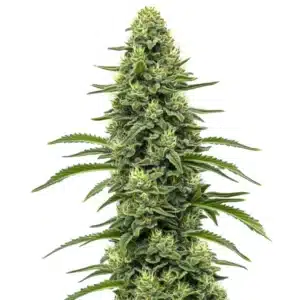
GG4 Fast Version

|
THC | 19% - 22% (Medium) |

|
Type | Feminized |

|
Yield | High |

|
Phenotype | 40% Indica / 60% Sativa |

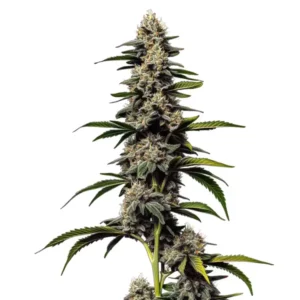
GG4
|
|
THC | 27% (High) |
|
|
Type | Feminized |
|
|
Yield | High |
|
|
Phenotype | 40% Indica / 60% Sativa |
Common Causes of Yellow Spots on Cannabis Leaves
Nutrient Deficiencies
Nutrient deficiencies, particularly calcium, magnesium, and nitrogen, are frequent culprits behind yellow spots on cannabis leaves. Calcium is vital for cell wall structure, and its deficiency can lead to weak plant tissues and yellowing. Magnesium is essential for chlorophyll production, and its absence results in interveinal chlorosis, where the leaf veins remain green while the area between them turns yellow.
Maintaining a balanced nutrient regimen is crucial. Use a nutrient solution with a balanced N:P:K ratio, such as 3:1:2 during the vegetative stage, to prevent deficiencies. Regularly monitor the pH of your growing medium, keeping it at 6.5 for soil and between 5.5 to 6.5 for hydroponics to ensure nutrient uptake.
Fungal Infections and Leaf Septoria
Leaf Septoria, caused by the fungus Septoria lycopersici, is a common fungal infection that leads to yellow spots. This fungus thrives in warm, humid conditions, typically between 60-80°F (15-27°C). It starts on lower leaves and can spread upwards if not controlled. The infection weakens plants, reducing their ability to photosynthesize and grow.
To manage Leaf Septoria, maintain humidity levels below 60% and ensure good air circulation. Remove infected leaves immediately to prevent the spread. Fungicides can be effective, but they should be used as a last resort and in accordance with the manufacturer’s instructions to avoid resistance development.
Promos & Deals

Diagnosing Yellow Spots on Your Cannabis Plants
Symptoms and Early Signs
Early detection of yellow spots is crucial for effective treatment. Initial signs include small, yellow dots that may enlarge and merge over time. These spots can appear on any part of the leaf but often start at the edges or tips. As the condition progresses, leaves may curl, wilt, and eventually drop off.
Regularly inspect your plants, especially during the flowering stage when they are most vulnerable. Use a magnifying glass to check for pests like spider mites, which can cause similar symptoms. Early intervention can prevent significant damage and loss of yield.
Tools for Accurate Diagnosis
Accurate diagnosis requires the right tools. A digital pH meter is essential for monitoring soil acidity, while a moisture meter can help detect overwatering issues. A jeweler’s loupe or microscope is useful for identifying pests and fungal spores on leaves. These tools provide precise data, allowing for targeted interventions.
Invest in a quality hygrometer to monitor humidity levels. Maintaining 60-70% relative humidity during the vegetative stage and 40-50% during flowering can prevent fungal growth. Avoid using analog tools, as they can be less accurate and lead to misdiagnosis.
| Feature | Oregon Underdawg | Gelato Regular | Pineapple Auto |
|---|---|---|---|
| THC Content | 22-26% | 20-25% | 16-20% |
| Dominant Terpene | Myrcene | Limonene | Pinene |
| Flowering Time | 8-9 weeks | 9-10 weeks | 8-9 weeks |
| Yield | 18-21 oz/plant | 16-20 oz/plant | 14-18 oz/plant |
| Effect | Relaxing | Euphoric | Uplifting |
Effective Treatments for Yellow Spots
Nutrient Solutions
Addressing nutrient deficiencies involves adjusting your feeding schedule and ensuring the correct nutrient balance. For calcium deficiencies, consider adding calcium-magnesium supplements to your nutrient mix. These supplements are available in liquid or powder form and should be used according to the manufacturer’s instructions.
Regularly flush your plants with pH-balanced water to prevent nutrient lockout, which can exacerbate deficiencies. Ensure your nutrient solution is mixed thoroughly to avoid uneven distribution, which can cause localized deficiencies.
Fungicides and Pest Control
Fungicides can be effective against Leaf Septoria if applied early. Choose a product labeled for use on cannabis and follow the application guidelines closely. Biological fungicides containing Bacillus subtilis can be a safer alternative, as they are less likely to harm beneficial insects.
For pest control, introduce beneficial insects like ladybugs or predatory mites, which can help control spider mite populations. Avoid broad-spectrum insecticides, as they can kill beneficial insects and lead to pest resurgence.
Preventive Measures for Healthy Cannabis Leaves
Environmental Controls
Maintaining optimal environmental conditions is key to preventing yellow spots. Keep temperatures between 68-77°F (20-25°C) and humidity levels appropriate for the plant’s growth stage. Use fans and dehumidifiers to improve air circulation and reduce humidity.
Ensure your grow lights are positioned correctly to prevent light burn. A distance of 18-24 inches (45-60 cm) from the canopy is recommended for most LED lights. Adjust based on the light intensity and plant response.
Regular Maintenance Practices
Regular maintenance includes pruning lower leaves to improve air circulation and reduce the risk of fungal infections. Remove any dead or diseased plant material promptly. Clean and sterilize your tools to prevent disease transmission.
Implement a crop rotation strategy if growing outdoors to prevent soil-borne diseases. Rotate with non-host crops to break the life cycle of pathogens like Septoria.
Professional Tips
- Maintain 58-62% RH during cure. Below 55% arrests terpene development; above 65% promotes Botrytis within 48h. Check with a calibrated digital hygrometer, never analog.
- Use a 3:1:2 N:P:K ratio during vegetative growth. This supports robust leaf development and prevents nutrient deficiencies.
- Keep light intensity at 800-1000 µmol/m²/s during peak flowering. This maximizes photosynthesis without causing light burn.
- Flush plants with pH-balanced water every 4 weeks to prevent nutrient lockout. This ensures optimal nutrient uptake and prevents deficiencies.
- Introduce predatory insects like ladybugs to control pests. They reduce the need for chemical pesticides and maintain ecological balance.
- Rotate crops annually to prevent soil-borne diseases. This disrupts the life cycle of pathogens and maintains soil health.
FAQ
Why are my cannabis leaves getting yellow spots?
Yellow spots on cannabis leaves often result from nutrient deficiencies, pH imbalances, or pest infestations like Leaf Septoria. Maintaining a balanced nutrient regimen and proper environmental conditions can prevent these issues. Regularly check pH levels, keeping them at 6.5 for soil, to ensure optimal nutrient uptake.
How to fix yellow spots on leaves?
Fixing yellow spots involves identifying the underlying cause, such as nutrient deficiencies or pests, and addressing it. Adjust nutrient levels, maintain proper pH, and use fungicides or pest control methods as needed. Regular monitoring and environmental adjustments can prevent recurrence.
How long does it take for nitrogen toxicity to heal?
Nitrogen toxicity can take 1-2 weeks to resolve once corrective measures are implemented. Flush the growing medium with pH-balanced water to remove excess nitrogen. Reduce nitrogen-rich fertilizers and monitor plant recovery. New growth should appear healthy, indicating successful treatment.
How to treat a plant with yellow spots?
Treating yellow spots requires identifying the cause, such as nutrient deficiencies or fungal infections. Adjust nutrient levels and pH, and apply fungicides if necessary. Remove affected leaves to prevent spread and improve air circulation. Consistent monitoring and adjustments are key to recovery.
What are the signs of Leaf Septoria on cannabis?
Leaf Septoria manifests as small, yellow spots that enlarge and may merge. It typically starts on lower leaves and progresses upward. Infected leaves may curl, wilt, and drop off. Early detection and removal of affected leaves are crucial to prevent spread and maintain plant health.