THCA Distillate: What It Is, Uses and How It’s Made

Quick answer: THCA distillate is a refined, near-pure cannabis extract that is very high in THCA, the raw, non-intoxicating acid form of THC. It is nearly odorless and flavorless because distillation strips terpenes, and it becomes intoxicating THC only when heated (by dabbing, vaping or cooking). It is prized for its purity and potency, and is often sold as a hemp-derived product in a shifting legal grey area.
THCA distillate is one of the purest cannabis concentrates you can get, a refined extract that concentrates THCA to very high levels while stripping away almost everything else. ‘Distillate’ refers to the process (distillation) that purifies it, and ‘THCA’ is the raw acid form of THC found in living and freshly harvested cannabis, which is not intoxicating until it is heated.
Recommended Strains
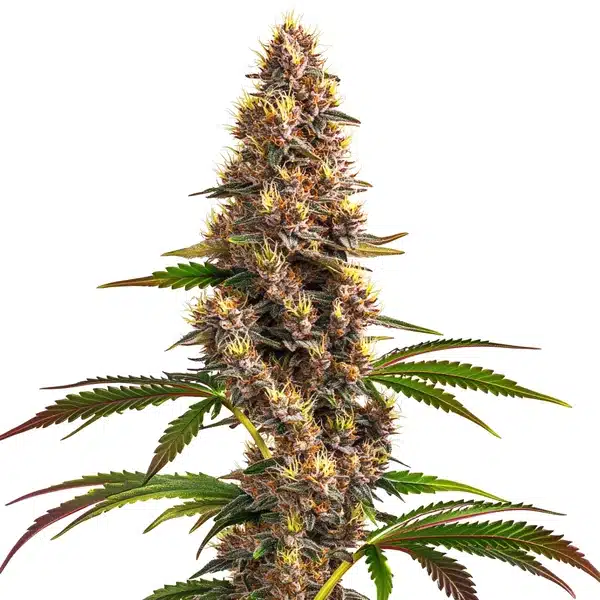
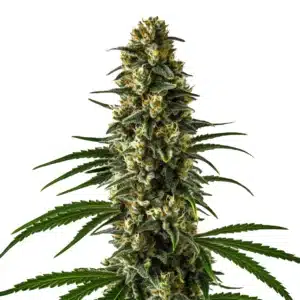
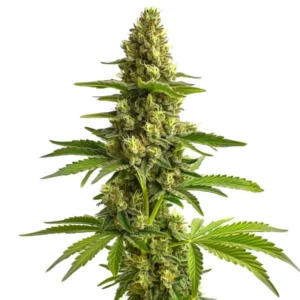
Super Boof

|
THC | 25% - 28% (High) |

|
Type | Feminized |

|
Yield | Low |

|
Phenotype | 60% Indica / 40% Sativa |
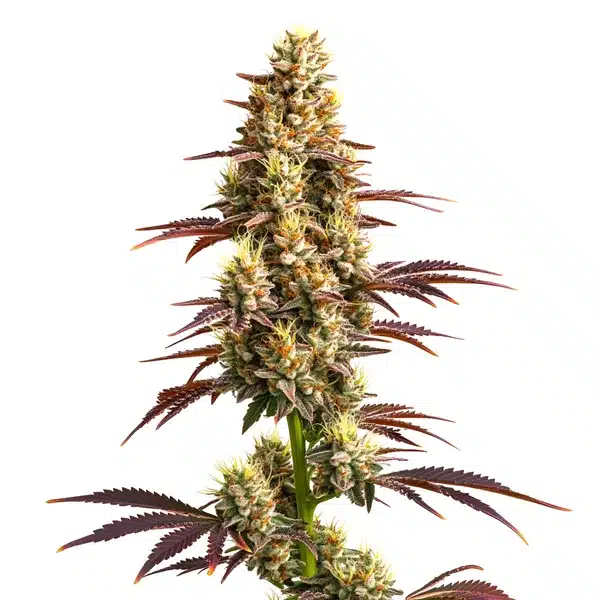
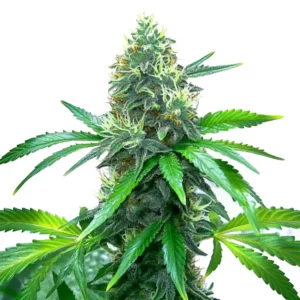
Super Boof Auto
|
|
THC | 25% - 28% (High) |
|
|
Type | Autoflowering |
|
|
Yield | Low |
|
|
Phenotype | 60% Indica / 40% Sativa |
That combination, extreme purity plus the THCA form, is what makes it distinctive and also what drives its popularity in the hemp-derived market. Below we explain what THCA distillate is, how it is made, how it is used, and the legal and practical points to understand, including the key fact that heating converts THCA into active THC.
| THCA distillate | |
|---|---|
| What it is | A refined, near-pure cannabis extract high in THCA (the raw, non-intoxicating acid form of THC) |
| Potency | Very high cannabinoid content; near-flavorless unless terpenes are added back |
| How used | Dabbing/vaping (heat converts THCA to THC), or in carts and edibles |
| Legality | Often sold as hemp-derived; a shifting grey area, check local law |
What It Is and How It’s Made
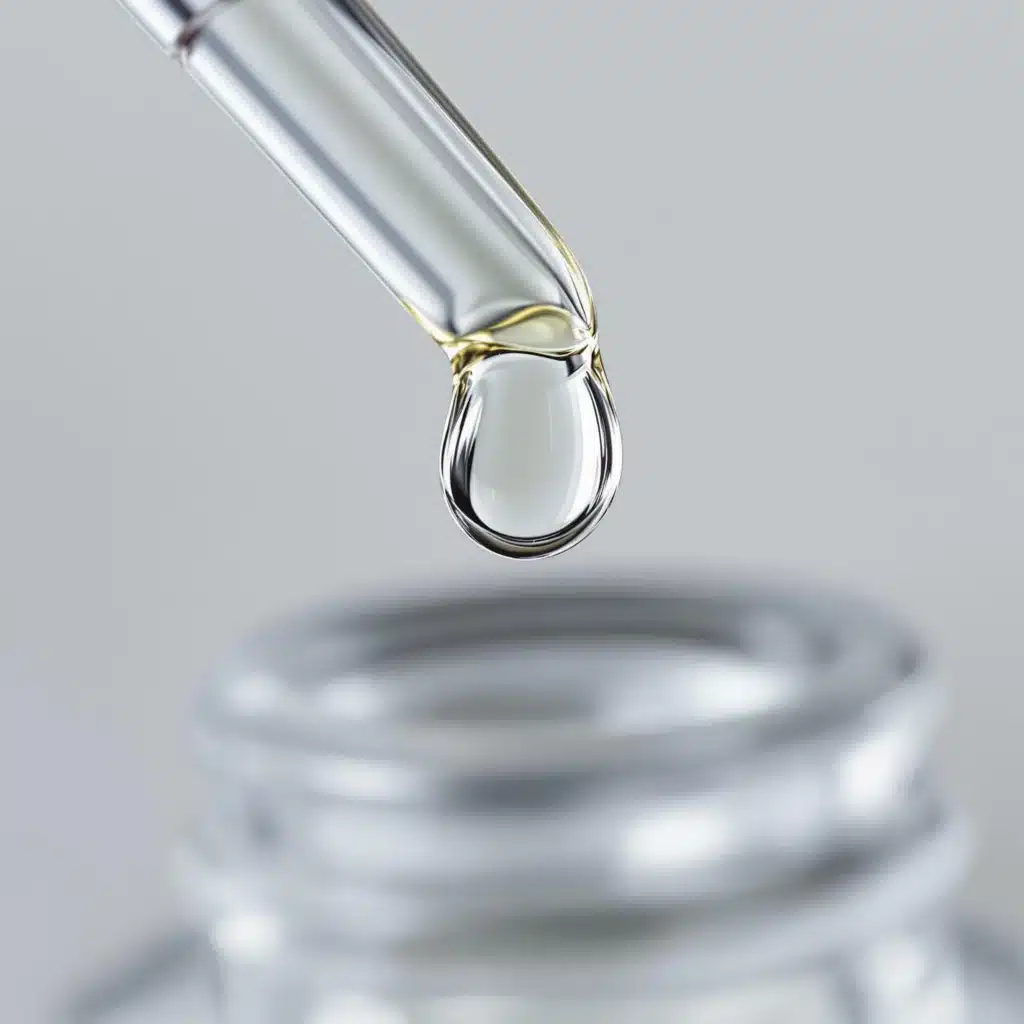
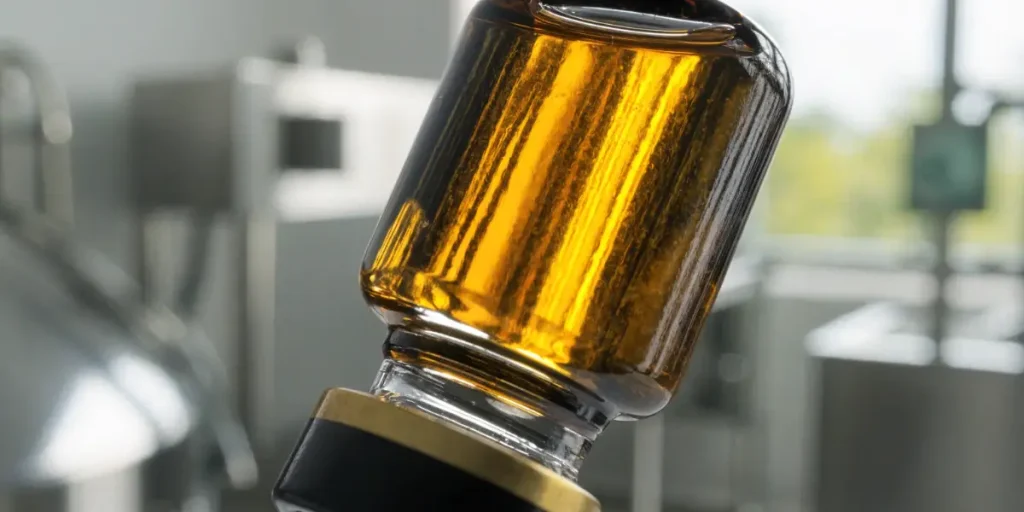
THCA distillate is produced much like other distillates: cannabinoids are extracted from the plant, then refined through distillation, which separates compounds by their boiling points to yield a near-pure fraction, in this case rich in THCA. The result is a thick, often clear-to-amber oil that is almost flavorless, since the volatile terpenes are removed (producers sometimes add terpenes back for flavor and effect).
Because it is so pure, THCA distillate is extremely potent, far stronger than flower. Unlike regular THC distillate, it keeps the cannabinoid in its acid (THCA) form, which only becomes intoxicating THC when heated. For the distillation process in general, see our guide on how distillate is made, which explains why it is lab work rather than a home project.
Promos & Deals
How THCA Distillate Is Used
The most common use is dabbing or vaping: applying heat not only vaporizes the distillate but also converts the THCA into active THC, delivering a strong, fast effect. It is also used to fill vape cartridges and to make edibles (where it must be decarboxylated to activate), and because it is near-flavorless, it blends into products without altering taste much, which is part of its appeal for manufacturers.
Whatever the format, THCA distillate is very potent, so a small amount goes a long way, start low, especially with dabs. If you want a terpene-rich, flavor-forward experience instead, solventless options like live rosin or terp-sauce products keep more of the plant’s aroma, since distillate trades flavor for purity.
Legality and Buying THCA Distillate
THCA Distillate vs Live Resin and Rosin
It helps to see where THCA distillate sits among concentrates. Distillate is the purity-and-potency champion: near-pure cannabinoid, almost flavorless, and extremely strong, which is why it is the default for vape carts and precise products. The trade-off is flavor, distillation strips the terpenes that give cannabis its aroma.
Live resin and rosin are the opposite priority: lower in raw cannabinoid percentage but rich in terpenes, so they taste and feel more complete and plant-like (rosin is also solventless). Neither is simply ‘better’; it depends on whether you want a clean, strong, neutral extract or a flavorful, full-spectrum one. Many users keep both: distillate for potency and carts, live resin or rosin for flavor.
Frequently Asked Questions About THCA Distillate
What is THCA distillate?
THCA distillate is a refined, near-pure cannabis extract very high in THCA, the raw, non-intoxicating acid form of THC. It is nearly flavorless because distillation removes terpenes, and it only becomes intoxicating THC when heated. It is valued for purity and potency, and is often sold as a hemp-derived product in a legal grey area.
Does THCA distillate get you high?
Yes, once it is heated. In its raw form THCA is not intoxicating, but heating it, by dabbing, vaping or cooking, converts it into active THC, which is. Because the distillate is so pure and potent, the effect can be strong, so start with a very small amount. Eating it unheated has little effect.
Is THCA distillate the same as THC distillate?
They are closely related but not identical. THC distillate contains already-active delta-9 THC, while THCA distillate keeps the cannabinoid in its raw acid (THCA) form, which only becomes THC when heated. Both are near-pure, flavorless extracts; the difference is the cannabinoid form, which also affects how each is regulated.
Is THCA distillate strong?
Yes, very. Because distillation concentrates the cannabinoid to near-purity, THCA distillate is far more potent than flower, so a small amount goes a long way. Remember it only becomes intoxicating THC once heated. Start with a tiny amount, especially when dabbing, and buy lab-tested products so you know the actual potency.
How do you use THCA distillate?
Most people dab or vape it, the heat both vaporizes it and converts THCA into active THC, giving a strong, fast effect. It is also used in vape carts and, once decarboxylated, in edibles. Because it is near-pure and very potent, start with a tiny amount and buy lab-tested products.