Essential Insights: Proven Daminozide (Alar) Cannabis Residue Risk

Daminozide, also known as Alar, is a chemical used for plant growth regulation. In the world of cannabis cultivation, it is crucial to understand the daminozide (Alar) cannabis residue risk. This is especially important for both first-time cannabis seed buyers and experienced growers. Residues of Alar in cannabis can potentially affect the end product’s safety and quality.
Although Alar is effective in promoting desirable plant characteristics, its use in cannabis cultivation can lead to health concerns. For cannabis consumers, the presence of daminozide residue in cannabis safety is a pressing issue. The impact of Alar on cannabis consumers can be significant, making it essential for growers to adhere to safe practices.
Recommended Strains
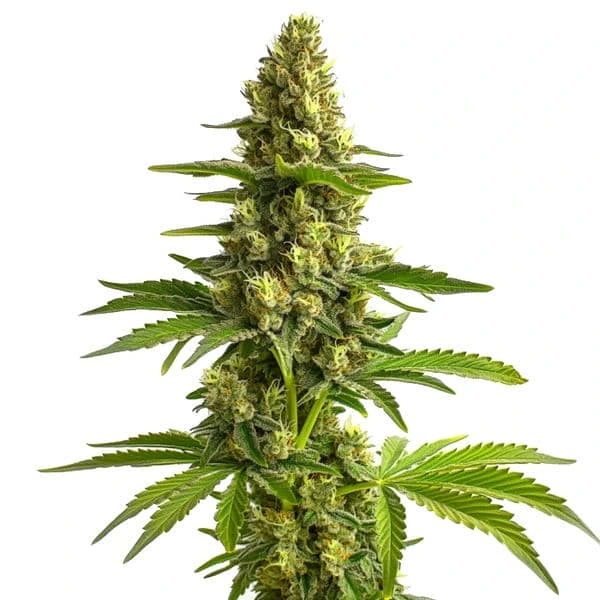
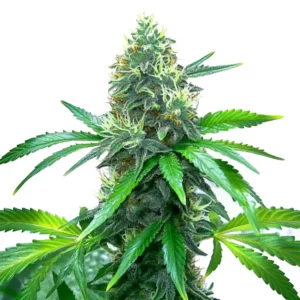
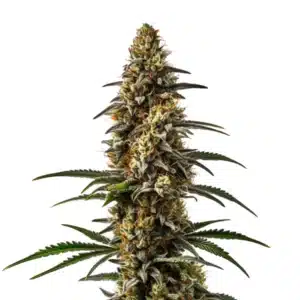
Bruce Banner #3

|
THC | 20% - 29% (High) |

|
Type | Feminized |

|
Yield | High |

|
Phenotype | 50% Indica / 50% Sativa |
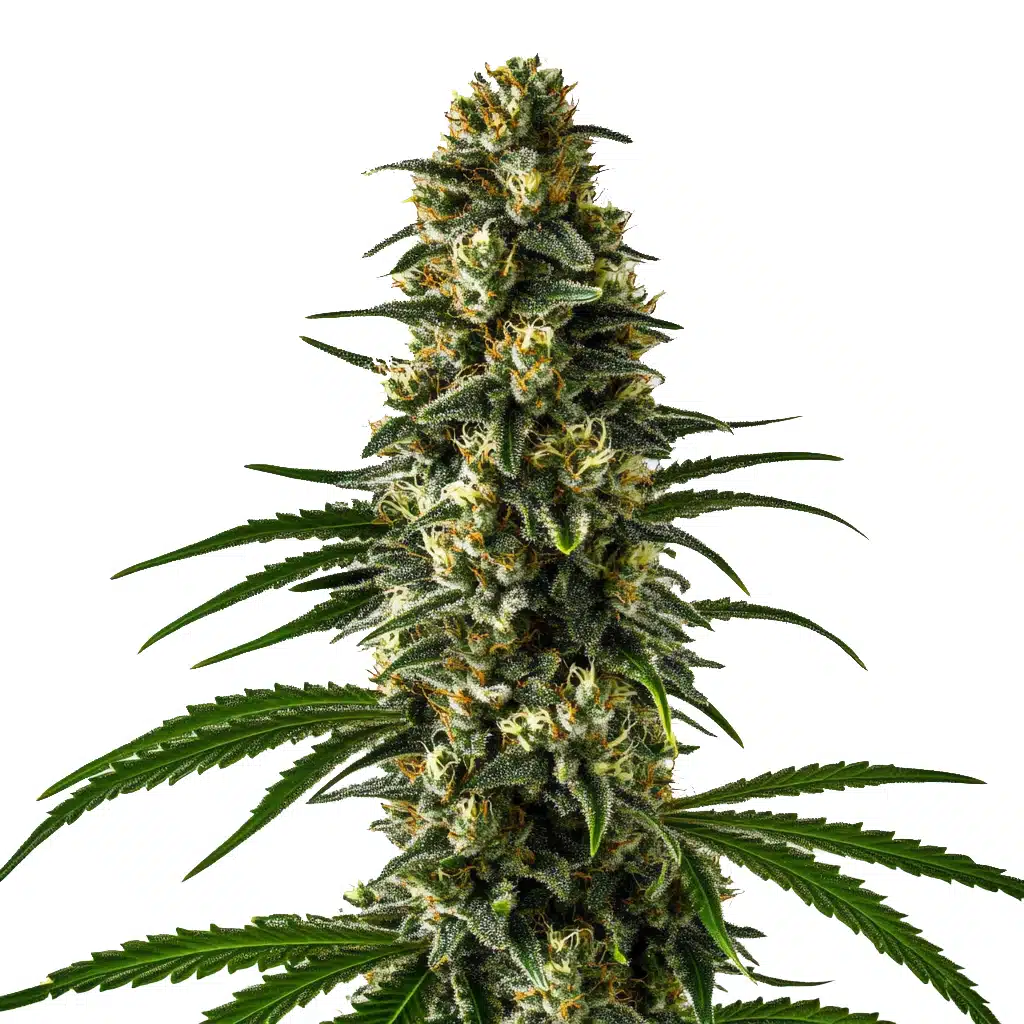
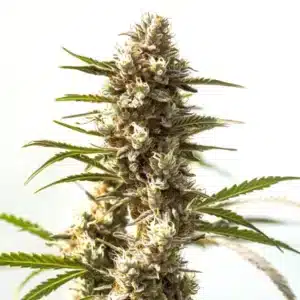
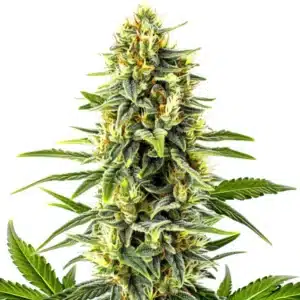
Girl Scout Cookies
|
|
THC | 18% - 25% (High) |
|
|
Type | Feminized |
|
|
Yield | High |
|
|
Phenotype | 60% Indica / 40% Sativa |
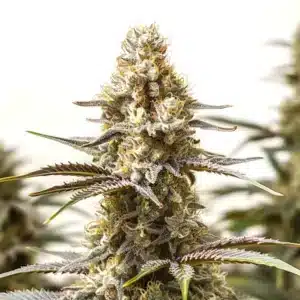
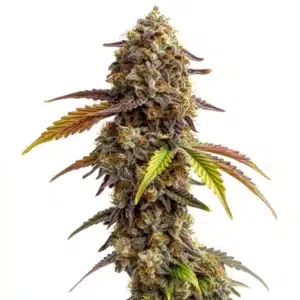
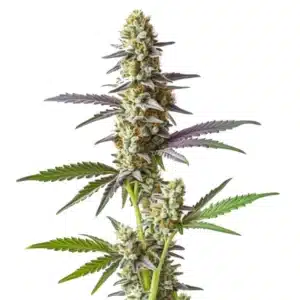
When selecting cannabis strains, it’s vital to choose those that naturally exhibit desired traits without the need for chemical enhancers. For example, Blimburn Seeds offers strains such as Bruce Banner 3, Girl Scout Cookies, and GG4, which are renowned for their robust growth and high yield, reducing the need for growth regulators like Alar.
Health Risks of Alar in Cannabis
The health risks associated with Alar in cannabis are not to be taken lightly. Consumers may be exposed to residual chemicals that could have adverse effects. Alar has been scrutinized for its potential health implications, and when used in cannabis, the risks might be amplified due to the method of consumption.
Cannabis contamination with daminozide effects can lead to respiratory issues and other health concerns. Inhalation of cannabis smoke or vapor containing Alar residues is a particular concern. Growers must be aware of these risks and take measures to ensure that their products are free from harmful residues.
Moreover, the daminozide (Alar) cannabis residue risk extends to long-term health conditions, which could impact the quality of life for consumers. This makes it imperative for both producers and consumers to remain vigilant about the sources and contents of their cannabis products. Regular education and updates on the health risks of Alar in cannabis can empower consumers to make informed choices.
Additionally, the potential for allergic reactions cannot be ignored. Some individuals might experience heightened sensitivity to chemical residues, which can result in skin irritations or other allergic responses. Knowing these health risks of Alar in cannabis is essential for anyone involved in its cultivation or consumption.
Regulatory Guidelines for Alar in Cannabis
Regulatory guidelines for Alar in cannabis vary by region. However, many jurisdictions have strict regulations to limit or prohibit its use in cannabis cultivation. These guidelines aim to protect consumers from potential health risks associated with daminozide residue in cannabis safety.
Growers should stay informed about the regulations in their area to ensure compliance. This not only protects consumers but also helps maintain the integrity of their products. Regular testing and certification can help growers demonstrate their commitment to safety and quality.
Alongside local regulations, international standards are also being developed to address the Alar impact on cannabis consumers. These measures are part of a broader effort to ensure that cannabis products are safe and free from harmful contaminants. Compliance with these standards can enhance consumer confidence and promote a healthier market.
In some regions, failure to adhere to regulatory guidelines for Alar in cannabis can result in significant penalties. This underscores the importance for growers to invest in sustainable practices and thorough testing. By doing so, they can avoid legal issues and reinforce their reputation for providing safe, high-quality products.
Promos & Deals
The Impact of Alar on Cannabis Cultivation
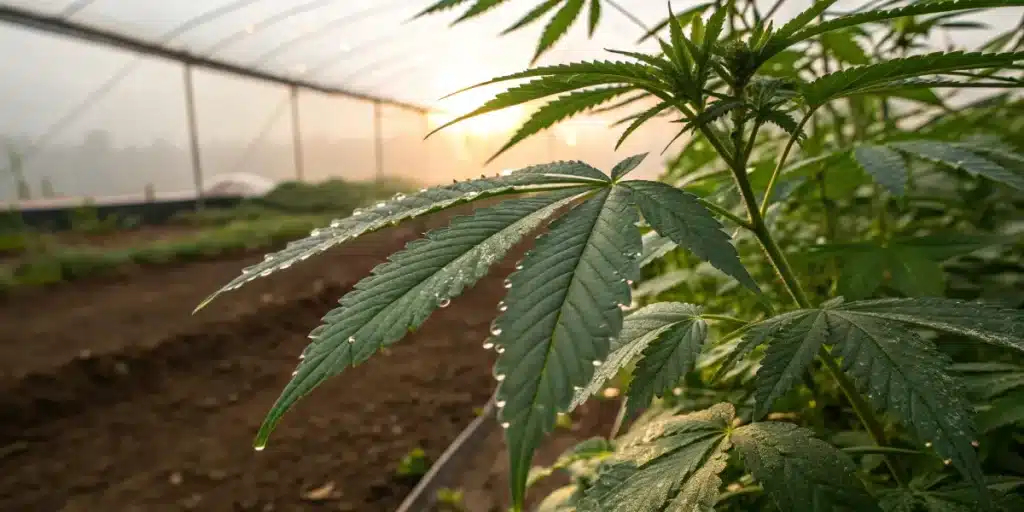
The impact of Alar on cannabis cultivation extends beyond health risks. It can also affect the plant’s growth and overall yield. While Alar might initially seem beneficial for enhancing growth, its long-term impact can be detrimental.
Experienced growers understand the importance of natural cultivation methods. They prioritize strains that naturally exhibit vigorous growth. This approach not only reduces the need for chemical growth regulators but also ensures a healthier product for consumers.
Furthermore, the reliance on chemicals like Alar can lead to soil degradation over time, affecting future crop cycles. This not only impacts the current batch but also the sustainability of the cultivation practice itself. By focusing on organic methods, growers can enhance the soil’s health and ensure continued productivity.
Another consideration is the potential impact on genetic diversity within cannabis strains. Overuse of growth regulators may inadvertently favor certain traits, leading to a loss of variety. By choosing strains from Blimburn Seeds and adopting natural cultivation techniques, growers can preserve the rich diversity essential for the plant’s resilience and adaptability.
Practical Tips for Reducing Daminozide Residue Risk
To minimize the daminozide (Alar) cannabis residue risk, growers should focus on sustainable cultivation practices. This includes selecting the right strains and using organic methods. Strains from Blimburn Seeds like OG Kush are known for their resilience, making them ideal for organic cultivation.
Regular soil testing and plant monitoring can help identify potential contamination sources. Keeping a clean and controlled growing environment reduces the likelihood of daminozide residue in cannabis safety concerns. Implementing these practices can lead to a more robust and safer crop.
Additionally, adopting integrated pest management (IPM) strategies can significantly reduce the need for chemical interventions. These strategies incorporate biological controls and natural pest deterrents, which contribute to a healthier growing ecosystem and minimize chemical residues.
Moreover, fostering a community of knowledge sharing among growers can lead to innovative solutions and improved practices. By exchanging experiences and insights, growers can collectively enhance the quality and safety of their cannabis products, reducing the overall daminozide (Alar) cannabis residue risk.
FAQs about daminozide (Alar) cannabis residue risk
What is daminozide (Alar) and why is it used in cannabis cultivation?
Daminozide, also known as Alar, is a chemical used as a plant growth regulator. It is employed to enhance certain plant characteristics, such as size and yield. However, its use in cannabis cultivation is controversial due to potential health risks.
While Alar can promote desirable traits in plants, its residues in cannabis can pose health risks to consumers. Many growers are moving towards organic methods to avoid these risks and ensure a safer product.
The controversy surrounding Alar stems from its potential to leave harmful residues that can impact consumer health. As awareness of these risks grows, more cultivators are opting for strains that naturally exhibit the desired characteristics without chemical assistance.
Besides to health concerns, the environmental impact of using Alar in cannabis cultivation cannot be overlooked. Sustainable growing practices that exclude synthetic growth regulators are not only safer for consumers but also better for the planet.
Are there any safe alternatives to using Alar in cannabis cultivation?
Yes, there are several safe alternatives to using Alar in cannabis cultivation. One approach is selecting naturally robust cannabis strains that require minimal chemical intervention. Blimburn Seeds offers several strains known for their natural growth vigor.
Organic cultivation methods, such as using natural fertilizers and maintaining optimal growing conditions, can also reduce the need for chemical growth regulators. By focusing on these methods, growers can produce high-quality cannabis without the risks associated with Alar.
Integrated pest management is another effective alternative that combines biological, cultural, and mechanical practices to manage pests and diseases without relying on harmful chemicals. This holistic approach supports healthy plant growth and minimizes daminozide residue in cannabis safety concerns.
Moreover, leveraging technology like precision agriculture tools can optimize growing conditions and resource use, further reducing the need for chemical inputs. These innovations allow growers to maintain high yields while ensuring the safety and quality of the cannabis they produce.
How can consumers ensure the cannabis they use is free from Alar residues?
Consumers can ensure their cannabis is free from Alar residues by purchasing from reputable sources that prioritize product testing and certification. Look for brands that provide transparent information about their cultivation practices.
Asking questions about the growing methods and requesting lab reports can also provide assurance. Consumers should be proactive in seeking out products that are certified organic or have undergone rigorous safety testing.
Engaging with brands that have a strong reputation for quality and safety, such as those offering detailed lab analyses, is a proactive step in avoiding cannabis contamination with daminozide effects. This transparency builds trust and confidence in the products consumed.
Besides, consumers can join forums and communities focused on cannabis education and safety. These platforms often share valuable insights and recommendations on safe products and practices, helping individuals make informed decisions regarding their cannabis use.
What are the potential health effects of consuming cannabis with Alar residues?
Consuming cannabis with Alar residues can lead to various health effects, particularly respiratory issues. Inhalation of smoke or vapor containing these residues is a primary concern, as it can irritate the respiratory system.
Long-term exposure may also have other health implications, though research is ongoing. It’s crucial for consumers to be aware of these potential risks and choose products that are tested for residue safety.
Beyond respiratory issues, there is concern about the potential for systemic effects, which might include impacts on liver and kidney function. As the body processes the harmful residues, these organs could face additional stress, highlighting the need for caution.
Furthermore, the Alar impact on cannabis consumers may extend to an increased risk of developing chronic conditions if exposed over time. This underscores the importance of selecting clean, tested cannabis products and supporting regulatory measures that enhance product safety.
Are there regulations in place for controlling Alar use in cannabis cultivation?
Yes, many regions have regulations in place to control or prohibit the use of Alar in cannabis cultivation. These regulations are designed to protect consumer health and ensure the safety of cannabis products.
Growers must stay informed about these regulations and ensure their practices comply. Regular testing and adherence to guidelines are essential for maintaining product integrity and consumer trust.
Regulatory bodies are increasingly focusing on daminozide (Alar) cannabis residue risk as part of broader efforts to standardize cannabis safety protocols across the industry. This includes setting maximum residue limits and testing requirements to safeguard public health.
For growers, staying abreast of regulatory changes and participating in certification programs can enhance credibility and market access. Adhering to these regulations not only protects consumers but also supports a sustainable and trustworthy cannabis industry.