Essential Guide to Chlormequat Chloride Cannabis Residues: Proven Insights

Chlormequat chloride is a plant growth regulator often used to control plant height and improve sturdiness. It’s popular in various agricultural sectors, including cannabis cultivation. However, its residues on cannabis plants can pose concerns for both growers and consumers. Knowing the presence of chlormequat chloride cannabis residues is crucial for maintaining quality and safety.
When cultivating cannabis, ensuring minimal residue from growth regulators like chlormequat chloride is essential. This chemical can impact the plant’s growth, affecting yield and potency. For first-time growers, keeping track of these residues might seem daunting. Yet, with the right approach, it’s manageable.
Recommended Strains

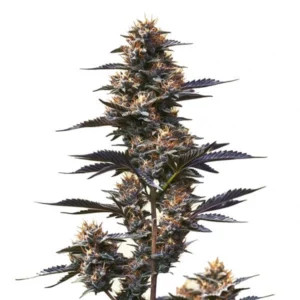
Gelato

|
THC | 27% (High) |

|
Type | Feminized |

|
Yield | High |

|
Phenotype | 50% Indica / 50% Sativa |

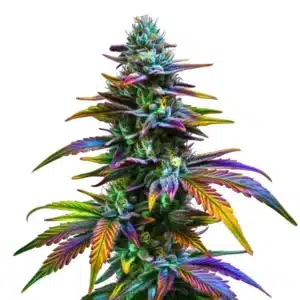
Blue Dream
|
|
THC | 17% - 24% (High) |
|
|
Type | Feminized |
|
|
Yield | High |
|
|
Phenotype | 50% Indica / 50% Sativa |
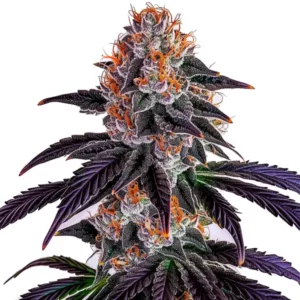
For those seeking top-quality seeds, consider strains from Blimburn Seeds. Their genetics are designed to thrive with minimal intervention, reducing the need for growth regulators. Strains like GG4, Blue Dream, and Gelato offer robust growth and high yields, making them ideal choices for both novices and seasoned growers.
Safety Concerns of Chlormequat Chloride Residues in Cannabis
Safety is paramount when discussing chlormequat chloride cannabis residues. The main issue lies in its potential health effects. Consuming cannabis with high levels of chemical residues can be harmful. That’s why knowing legal limits is crucial.
Legal limits of chlormequat chloride in cannabis vary by region. Compliance with local regulations ensures consumer safety and avoids legal issues. Regular testing helps growers stay within these limits, ensuring their product is safe for consumption.
The safety concerns of chlormequat chloride residues in cannabis are not just limited to consumer health but also extend to environmental impacts. Residues can leach into soil and water systems, potentially affecting ecosystems. For this reason, growers are encouraged to adopt sustainable practices that reduce the need for chemical interventions. By knowing the full scope of these safety concerns, growers can take proactive steps to mitigate risks and promote a healthier environment.
Moreover, public awareness about the safety concerns of chlormequat chloride residues in cannabis is growing. Consumers are becoming more informed and discerning, often opting for products that guarantee minimal chemical exposure. This shift in consumer preference pushes growers to prioritize transparency and safety in their cultivation practices. By addressing these concerns head-on, growers not only enhance their reputation but also contribute to the overall safety and sustainability of the cannabis industry.
Effects of Chlormequat Chloride on Cannabis Plants
Chlormequat chloride primarily affects plant stature and branching. It shortens internodes, leading to bushier plants. This can be beneficial for indoor growers with limited space. However, excessive use can lead to undesirable effects, such as reduced flowering and lower quality buds.
Experienced growers often balance the use of chlormequat chloride with other cultivation techniques. This ensures optimal growth without excessive residue. For instance, using it sparingly during the early vegetative stage can maximize benefits while minimizing risks.
The effects of chlormequat chloride on cannabis plants are not just physical. Chemical residues can alter the plant’s metabolism, potentially affecting cannabinoid profiles. This can lead to variations in THC and CBD levels, which may impact the overall user experience. Knowing these effects allows growers to fine-tune their cultivation practices for a more consistent product.
Additionally, the effects of chlormequat chloride on cannabis plants can influence their resilience to pests and diseases. While some growth regulators may improve plant sturdiness, they can also compromise the plant’s natural defenses if overused. Striking the right balance is key. Growers are advised to combine chlormequat chloride with organic pest management strategies to ensure plant health without relying solely on chemicals.
Promos & Deals

Chlormequat Chloride Cannabis Residue Testing
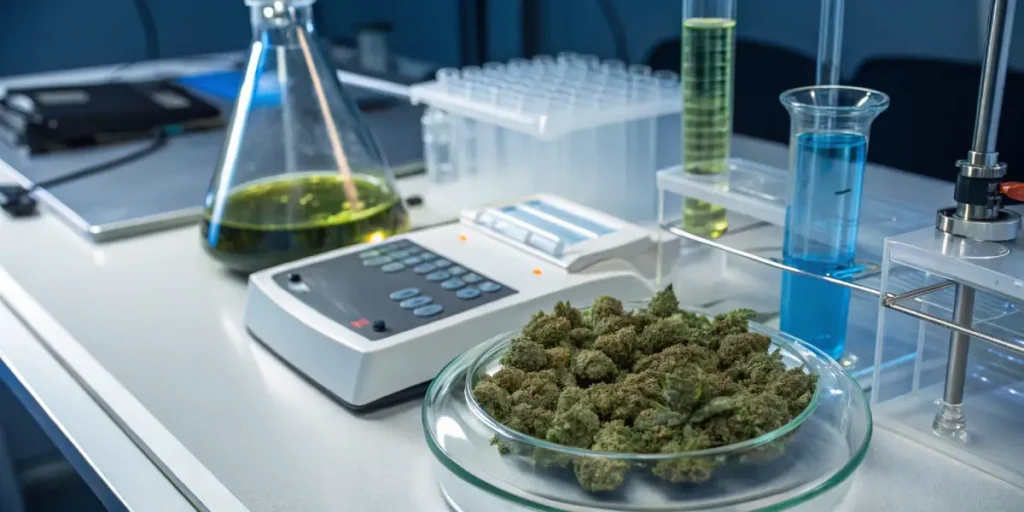
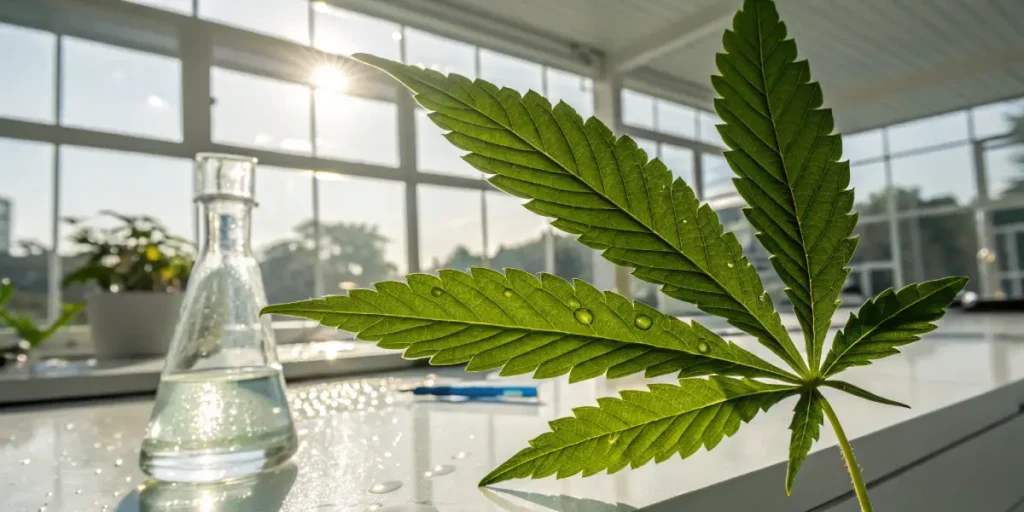
Residue testing is a critical step in the cultivation process. By testing for chlormequat chloride cannabis residues, growers can ensure their products are safe and compliant with regulatory standards. This involves analyzing samples in a laboratory setting to detect and quantify residue levels.
Routine testing provides peace of mind. It assures both growers and consumers of the cannabis’s safety. Additionally, it helps identify any need for adjustments in cultivation practices, facilitating continuous improvement.
Chlormequat chloride cannabis residue testing is becoming an industry standard for responsible cultivation. As regulations tighten, more growers are investing in testing to ensure compliance. This proactive approach not only meets legal requirements but also builds consumer trust. Knowing that a product has undergone thorough residue testing can be a decisive factor for consumers when choosing between different cannabis brands.
Moreover, advances in technology are making chlormequat chloride cannabis residue testing more accessible and accurate. New methods allow for quicker turnaround times and more precise measurements of residue levels. This means growers can make timely adjustments to their cultivation practices, ensuring that their products remain within safe and legal limits. By staying at the forefront of testing innovations, growers can enhance their operational efficiency while maintaining the highest quality standards.
Chlormequat Chloride Residue Analysis in Cannabis
Analyzing chlormequat chloride residues involves sophisticated techniques. These methods are designed to detect even trace amounts of the chemical. For growers, knowing residue analysis can be a powerful tool in maintaining product quality.
Knowledge of residue levels informs better cultivation practices. By adjusting the use of growth regulators, growers can reduce residue presence. This not only enhances product safety but also improves overall plant health.
Chlormequat chloride residue analysis in cannabis is an evolving science, with researchers continuously seeking better techniques to improve accuracy and efficiency. Advanced chromatographic methods are often employed to separate and quantify residues, providing detailed insights into their presence and concentration. This level of analysis is crucial for making informed decisions about cultivation practices and ensuring compliance with legal standards.
Knowing chlormequat chloride residue analysis in cannabis also equips growers to communicate more effectively with regulators and consumers. By being transparent about residue levels and the measures taken to control them, growers can bolster their credibility and consumer confidence. This transparency is especially important in an industry where safety and quality are paramount, and where consumers are increasingly demanding more information about the products they consume.
Legal Limits and Compliance
Adhering to legal limits of chlormequat chloride in cannabis is non-negotiable. Each region sets its own standards, which can vary significantly. Staying informed about these regulations is essential for any grower aiming for a legitimate operation.
Compliance goes beyond avoiding legal repercussions. It demonstrates a commitment to quality and consumer safety. Utilizing resources like residue testing and choosing reliable seed providers like Blimburn Seeds can facilitate adherence to these standards.
Knowing the legal limits of chlormequat chloride in cannabis is crucial for navigating the regulatory landscape. These limits are established based on scientific research and risk assessments, aiming to protect public health. For growers, staying up-to-date with any changes in these regulations is vital to maintaining a compliant operation. This often involves continuous education and collaboration with industry experts to ensure that their practices meet or exceed the required standards.
Meeting the legal limits of chlormequat chloride in cannabis also has economic implications. Non-compliance can result in fines, product recalls, and reputational damage, all of which can be costly. Conversely, demonstrating adherence to legal standards can open up opportunities for market expansion and partnerships with retailers who prioritize quality and safety. By prioritizing compliance, growers can safeguard their business interests and contribute to a more trustworthy cannabis industry.
Practical Steps for Managing Residues
Managing chlormequat chloride cannabis residues starts with mindful cultivation. Use growth regulators judiciously and prioritize natural growing techniques. This reduces chemical dependence and promotes healthier plants.
Opt for strains known for their robust growth. Blimburn Seeds Gelato offers a perfect balance of potency and resilience, minimizing the need for external growth aids.
Implementing practical steps for managing chlormequat chloride cannabis residues involves a combination of strategic planning and innovative techniques. One approach is to integrate organic amendments and bio-stimulants into the cultivation process. These alternatives can enhance plant growth and resilience, reducing the need for synthetic growth regulators. By focusing on soil health and plant nutrition, growers can minimize residue levels naturally.
Another effective strategy is to establish a comprehensive residue management plan that includes regular monitoring and adjustments. This involves setting specific targets for residue levels and implementing corrective actions if they exceed desired limits. Collaboration with agronomists and industry experts can provide valuable insights and recommendations, helping growers optimize their practices. By taking a proactive stance on residue management, growers can ensure their products maintain high quality and safety standards.
FAQs about chlormequat chloride cannabis residues
What are chlormequat chloride cannabis residues?
Chlormequat chloride cannabis residues are traces of the chemical left on cannabis plants after using it as a growth regulator. These residues can impact the safety and quality of the final product. Regular testing can ensure that residue levels remain within safe and legal limits.
Knowing the presence of these residues is important for both growers and consumers. It ensures that the cannabis is safe to consume and meets regulatory standards. By managing residues effectively, growers can maintain a high-quality product.
Chlormequat chloride cannabis residues are a specific concern in the context of increasing demand for clean and safe cannabis products. As the industry grows, so does the scrutiny on cultivation practices and residue management. This highlights the importance of implementing effective residue testing protocols, which can detect even minimal traces of chlormequat chloride, ensuring that products meet consumer expectations for safety and purity.
Moreover, the awareness around chlormequat chloride cannabis residues has led to more stringent regulations and industry standards. Growers are encouraged to adopt best practices that minimize chemical residues, such as selecting low-residue strains and employing sustainable cultivation techniques. This proactive approach not only addresses consumer concerns but also aligns with legal requirements, fostering a more responsible and transparent cannabis market.
How can growers test for chlormequat chloride cannabis residues?
Testing for chlormequat chloride cannabis residues involves sending samples to a lab equipped to perform detailed chemical analysis. This process detects and measures the amount of residue present, ensuring it falls within legal limits.
For growers, regular testing is a proactive approach to ensure compliance and product safety. It provides valuable insights into cultivation practices and helps make necessary adjustments to maintain high standards.
Growers can utilize various testing methodologies to assess chlormequat chloride cannabis residues accurately. One common method is liquid chromatography-mass spectrometry (LC-MS), which is known for its precision and sensitivity in detecting low residue levels. By partnering with certified laboratories that specialize in cannabis testing, growers can obtain reliable data that guides their cultivation decisions and ensures compliance with legal standards.
Besides to laboratory testing, growers can implement in-house monitoring systems to track residue levels throughout the cultivation cycle. This involves regular sampling and analysis, allowing for timely interventions if residues approach undesirable levels. By maintaining a vigilant approach to residue testing, growers can uphold the quality and safety of their cannabis products while building trust with consumers and regulatory bodies.
Are there legal limits for chlormequat chloride in cannabis?
Yes, there are legal limits for chlormequat chloride in cannabis, but these vary by region. Each area sets its own standards, and growers must comply with these to avoid legal issues and ensure consumer safety.
Staying informed about these limits and conducting regular residue testing can help growers remain compliant. It also demonstrates a commitment to quality and safety, enhancing consumer trust in the product.
Legal limits of chlormequat chloride in cannabis are determined based on rigorous scientific evaluations that consider potential health impacts. These limits are periodically reviewed and updated to reflect new research findings and technological advancements. As such, growers need to stay informed about any changes in regulations that might affect their operations, ensuring their practices align with the latest standards.
Adhering to legal limits is not only a regulatory requirement but also a competitive advantage. As consumers become more educated about cannabis quality and safety, they are likely to choose products that demonstrate compliance with established legal limits. By consistently meeting these standards, growers can enhance their marketability and establish a reputation for producing safe and reliable cannabis products.
What are the effects of chlormequat chloride on cannabis plants?
Chlormequat chloride affects cannabis plants by controlling height and promoting bushier growth. While this can be beneficial for space management, excessive use may lead to negative effects like poor flowering and reduced bud quality.
Growers often balance its use with other methods to optimize plant health. Choosing naturally resilient strains from Blimburn Seeds can further reduce the need for such growth regulators, enhancing overall plant quality.
Beyond controlling plant height, the effects of chlormequat chloride on cannabis plants can also influence nutrient uptake and water efficiency. By modifying the plant’s physiological processes, chlormequat chloride can potentially enhance drought resistance, enabling plants to thrive in less-than-ideal conditions. This makes it a valuable tool for growers operating in areas with limited water resources or challenging growing environments.
However, the effects of chlormequat chloride on cannabis plants must be carefully managed to avoid unintended consequences. Over-reliance on growth regulators can lead to nutrient imbalances and stress, which might compromise plant health and yield. By integrating chlormequat chloride with holistic cultivation practices, such as maintaining optimal soil conditions and providing balanced nutrition, growers can maximize benefits while minimizing risks.
Why are chlormequat chloride residues a concern for cannabis consumers?
Chlormequat chloride residues are a concern for consumers because they can pose health risks if present in high levels. Ensuring residues are within safe limits is crucial for the safety and quality of cannabis products.
Consumers should seek products from reputable growers who prioritize residue testing and compliance with legal standards. This ensures a safer, higher-quality cannabis experience.
The concern over chlormequat chloride residues among cannabis consumers is part of a broader movement towards clean and safe consumption. As awareness of the potential health risks associated with chemical residues grows, consumers are demanding greater transparency and accountability from cannabis producers. This trend is particularly pronounced in markets where organic and natural products are highly valued.
Addressing consumer concerns about chlormequat chloride residues involves not just compliance with legal standards, but also effective communication and education. Growers can build consumer confidence by clearly communicating their testing procedures, residue management strategies, and commitment to producing safe, high-quality products. By aligning with consumer expectations and demonstrating a proactive approach to residue management, growers can differentiate themselves in a competitive market and foster long-term consumer loyalty.