Why Are My Cannabis Leaves Drooping? Causes & Solutions

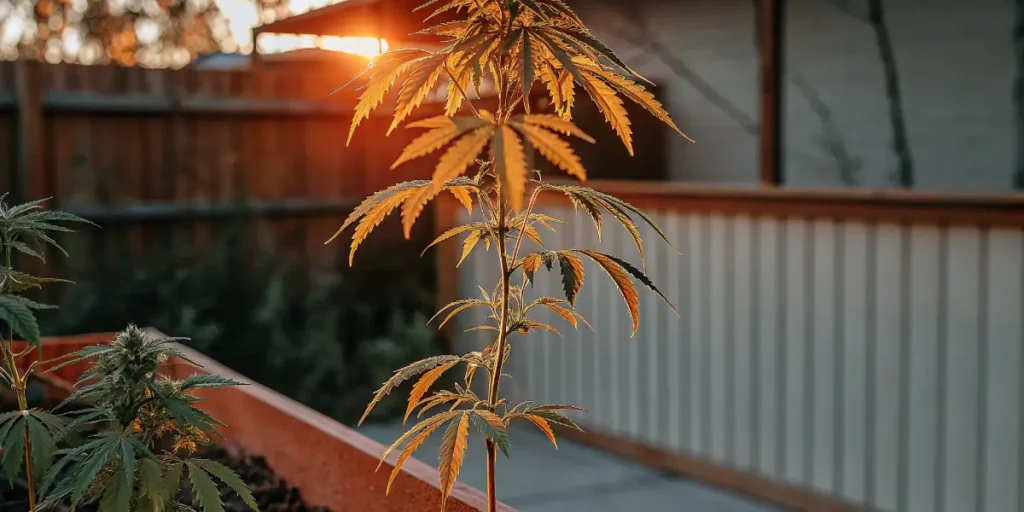
Drooping cannabis leaves: Drooping leaves often indicate plant stress, usually due to improper watering, but environmental and nutrient factors can also contribute. This stress affects the plant’s ability to maintain water pressure within its cells, leading to drooping. Ensuring balanced watering and optimal environmental conditions is crucial to prevent drooping. Incorrect watering accounts for about 60% of drooping cases.
When your cannabis leaves droop, it signals a potential issue with your plant’s health. This can be due to various factors, such as nutrient imbalances or environmental stressors. Understanding the specific cause is essential for effective intervention. Let’s explore the reasons behind drooping cannabis leaves and how to address them effectively.
Recommended Strains

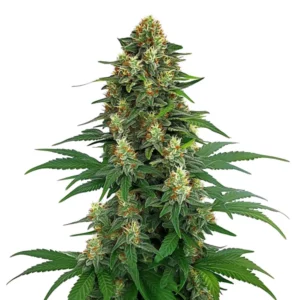
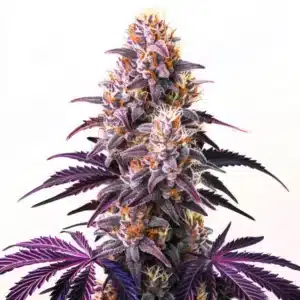
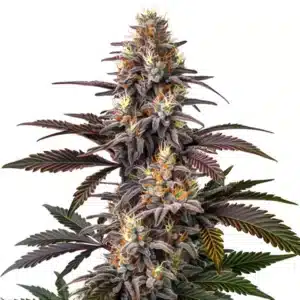
Orka

|
THC | 20% - 22% (Medium) |

|
Type | Feminized |

|
Yield | High |

|
Phenotype | 40% Indica / 60% Sativa |

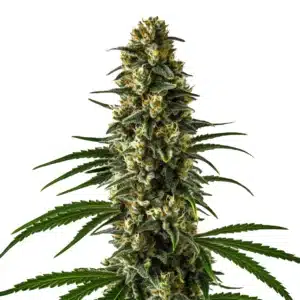
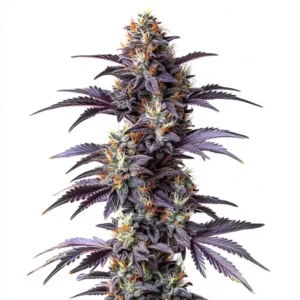
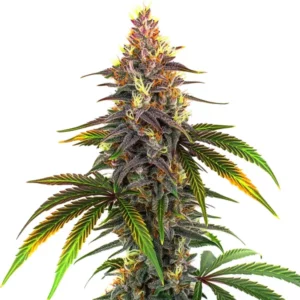
24k Gold Autoflower
|
|
THC | 18% - 24% (High) |
|
|
Type | Autoflowering |
|
|
Yield | High |
|
|
Phenotype | 40% Indica / 60% Sativa |
Causes of Drooping Cannabis Leaves
Overwatering
Overwatering is a primary cause of drooping cannabis leaves. When roots are submerged in waterlogged soil, they lack oxygen, leading to cellular stress. This condition can result in droopy cannabis plant leaves as the plant struggles to maintain its internal water pressure.
To identify overwatering, check if the soil remains wet beyond the top inch. Ideally, let the top inch dry out before re-watering. Maintain a soil pH of 6.5 to optimize nutrient uptake and prevent drooping.
Nutrient Deficiencies
Nutrient deficiencies can cause marijuana leaves drooping. Essential nutrients like nitrogen and potassium are crucial for maintaining leaf turgidity. A lack of these nutrients can lead to weak, droopy leaves on cannabis plants.
Monitor your plant’s nutrient intake by observing leaf color and texture. Yellowing or purpling indicates potential deficiencies. Use a balanced nutrient solution to correct these issues and support healthy leaf structure.
Environmental Stress
Environmental factors like temperature and humidity play a critical role in plant health. Daytime temperatures should be between 20°C – 25°C (68°F – 77°F), while nighttime should see a drop of 8°C – 11°C (15°F – 20°F). High humidity levels during the flowering stage can lead to drooping cannabis leaves due to increased risk of bud rot.
Promos & Deals

How to Fix Drooping Cannabis Leaves
Adjusting Watering Practices
Proper watering is critical to resolving droopy weed leaves. Ensure the soil dries out between waterings to allow roots to access oxygen. Use a moisture meter to accurately gauge soil moisture levels.
Implementing a consistent watering schedule prevents overwatering. Water slowly and evenly to promote effective soil absorption and prevent runoff.
Correcting Nutrient Imbalances
Address nutrient imbalances by providing a comprehensive nutrient mix tailored to your plant’s growth stage. Regularly test soil to monitor nutrient levels and adjust as needed.
Incorporate a feeding schedule that aligns with your plant’s lifecycle. This approach ensures your cannabis receives the necessary nutrients to avoid drooping.
Optimizing Environmental Conditions
Maintain optimal environmental conditions to prevent drooping cannabis plant leaves. Ensure proper ventilation to regulate temperature and humidity. Use fans to improve airflow and prevent heat stress, which can cause cannabis drooping leaves.
During the vegetative phase, keep humidity between 60% – 70% RH, and reduce it to 40% – 50% RH during flowering to prevent bud rot.
| Feature | Blue Dream | GG Lemon | Gelato |
|---|---|---|---|
| THC % | 17-24% | 25-30% | 20-25% |
| Dominant Terpene | Myrcene | Limonene | Caryophyllene |
| Flavor Profile | Berry, Sweet | Citrus, Pine | Sweet, Earthy |
| Growth Difficulty | Easy | Moderate | Moderate |
| Yield (oz/ft²) | 1.5-2.0 oz | 2.0-2.5 oz | 1.8-2.2 oz |
Specific Situations: Flowering Stage & Pests
Drooping During Flowering
During the flowering stage, drooping can indicate stress from environmental changes or nutrient imbalances. Ensure stable temperatures and humidity levels to support healthy flowering.
Monitor light exposure carefully. Too much light can cause stress, while too little can hinder bud development. Maintain a 12/12 light schedule for optimal flowering.
Identifying and Managing Pests
Pests can cause droopy leaves on a weed plant by feeding on sap and damaging leaf structure. Regularly inspect the undersides of leaves for signs of infestation.
Use organic pest control methods to manage infestations. Clean the leaf undersides monthly to prevent pest nesting and egg-laying.
Professional Tips for Healthy Cannabis Leaves
- Maintain a soil pH of 6.5 for optimal nutrient absorption. Deviations can lead to nutrient lockout, causing drooping.
- Allow the top inch of soil to dry before watering. Overwatering can suffocate roots, leading to droopy cannabis leaves.
- Keep humidity levels between 60-70% during vegetative growth to prevent mold and mildew.
- Ensure proper airflow with fans to prevent heat stress and promote healthy leaf structure.
- Use a balanced N:P:K ratio of 3:1:2 during vegetative growth to support robust leaf development.
- Inspect leaves monthly for pests. Clean the undersides to prevent infestations that cause drooping.
FAQs
How do you fix droopy leaves?
Fix droopy leaves by adjusting your watering routine. Ensure the top inch of soil dries out before watering again. Check for nutrient deficiencies and provide a balanced fertilizer. Maintain stable environmental conditions, such as temperature and humidity, to prevent stress. Regular monitoring helps keep your plants healthy.
Why are my cannabis leaves drooping downwards?
Cannabis leaves drooping downwards often indicate water stress, either from overwatering or underwatering. Ensure proper drainage and let the soil dry between waterings. Monitor environmental factors like light and temperature, as fluctuations can also cause drooping. Regular checks help maintain plant health.
What do overwatered cannabis leaves look like?
Overwatered cannabis leaves appear limp, with a heavy, waterlogged look. The leaves may also show signs of yellowing due to oxygen deprivation in the roots. Allow the soil to dry out and improve drainage to resolve the issue. Use a moisture meter for accurate watering.
What does a nitrogen deficiency look like in cannabis?
Nitrogen deficiency in cannabis presents as yellowing leaves, starting from the bottom and moving upwards. The plant may also show stunted growth and weak stems. Address this by providing a nitrogen-rich fertilizer and monitoring soil nutrient levels regularly.
Can pests cause cannabis leaves to droop?
Yes, pests can cause cannabis leaves to droop by feeding on plant sap and damaging leaf structure. Common pests include spider mites and aphids. Regular inspection and organic pest control measures help prevent infestations and maintain healthy leaves.