When to Switch to Bloom Nutrients Outdoors

Quick answer: Switch to bloom nutrients outdoors as soon as flowering begins, signalled by small white pistils at the bud sites and a burst of vertical ‘stretch’. Outdoors this usually lines up with late summer as days shorten. Taper nitrogen and raise phosphorus and potassium over several days rather than all at once to avoid shocking the plant.
Timing the switch to bloom nutrients is one of the most useful skills for outdoor growers, because feeding for flowering too early or too late both cost you yield. The good news is the plant tells you when it is ready, if you know what to look for.
Recommended Strains
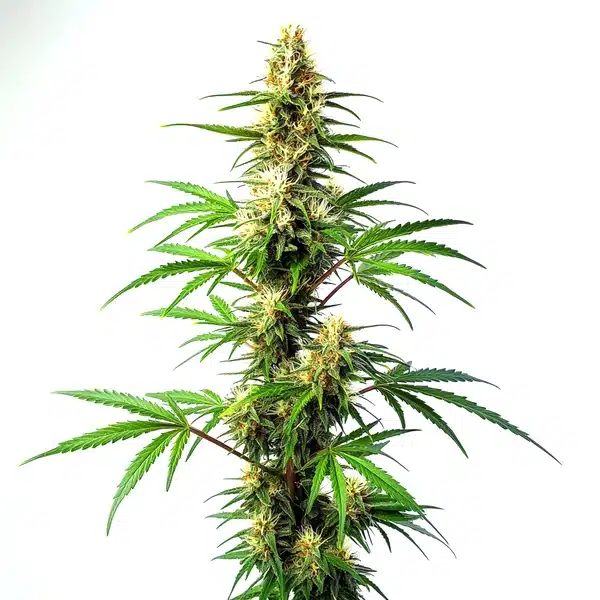
Blue Amnesia Auto

|
THC | 17% - 18% (Medium) |

|
Type | Autoflowering |

|
Yield | Low |

|
Phenotype | 40% Indica / 60% Sativa |

Blue Amnesia Regular
|
|
THC | 22% - 24% (High) |
|
|
Type | Regular |
|
|
Yield | High |
|
|
Phenotype | 30% Indica / 70% Sativa |
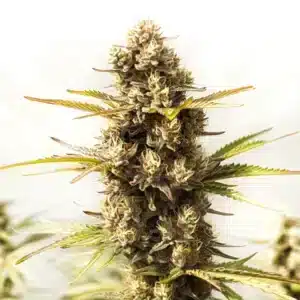
The clearest signal is the start of flowering itself: small white pistils emerging at the nodes and bud sites, usually alongside a surge of vertical growth known as the stretch. Outdoors this typically happens in late summer as daylight shortens. When you see those signs, it is time to begin shifting your feed. The table below summarises the cues.
| Sign | What it means | Action |
|---|---|---|
| White pistils appear at bud sites | Flowering is starting | Begin transitioning to bloom nutrients |
| Stretch / vertical growth surge | Early flower stretch | Taper nitrogen, raise P and K |
| Shorter days / late summer (outdoors) | Season triggering flower | Have bloom feed ready |
| Lower leaves yellowing slightly | Plant reallocating to buds | Confirm with pistils before switching |
The Signs It Is Time to Switch
Watch the plant structure first. The appearance of white pistils, tighter bud clusters forming, and that rapid early-flower stretch are the dependable signs that the plant’s needs are changing. Outdoors, these line up with the natural shortening of days in late summer.
Leaf cues are secondary but helpful. Some yellowing of lower, older leaves can accompany the shift as the plant redirects energy, though on its own that can also mean a nitrogen issue, so confirm with the pistils and overall structure before changing your feed. When the flowering signs are clear, move toward a phosphorus- and potassium-rich bloom formula.
Promos & Deals

How to Transition Without Shocking the Plant
Once the flowering signs are clear, make the change gradually rather than overnight. Over roughly a week, lower the nitrogen and increase phosphorus and potassium, shifting from a veg ratio toward a bloom ratio (around 1-3-2). A sudden swing can stress the plant, so easing in gives the roots time to adjust.
Outdoors, also keep an eye on the weather and season. Cooler nights and shorter days both push the plant into flower, so have your bloom feed ready before the signs appear. Keep soil pH around 6.5 so the plant can actually take up the new nutrient balance you are providing.
Which Bloom Nutrients to Use (and Further Reading)
This guide is about the timing; choosing the actual product is a separate question. In short, you want a flowering or ‘bloom’ fertilizer that is higher in phosphorus and potassium and lower in nitrogen than your veg feed. Both bottled bloom nutrients and organic amendments like bat guano or bone meal can do the job.
For help picking a product, see our guides to the best bloom booster fertilizer and the best fertilizer for outdoor grow. For in-ground feeding specifics, our best nutrients for outdoor cannabis guide covers it.
Indoor vs Outdoor Timing
Outdoors, the switch is tied to the season as well as the plant. As summer turns and daylight shortens, photoperiod plants naturally begin flowering, so late summer is usually when you start moving to bloom nutrients. The plant’s own signals, pistils and stretch, still lead, but the calendar gives you a useful heads-up to have bloom feed ready.
Indoors, you control the trigger directly by flipping to a 12/12 light cycle, so you can plan the nutrient switch around that flip rather than the weather. Autoflowers are different again: they flower on an internal clock, so watch for pistils and stretch and switch when you see them, regardless of light schedule or season.

FAQs about When to switch to bloom nutrients outdoors
When should I switch to bloom nutrients outdoors?
Switch when flowering begins, signalled by small white pistils at the bud sites and the early-flower stretch, which outdoors usually happens in late summer as days shorten. Transition gradually over about a week, lowering nitrogen and raising phosphorus and potassium, rather than changing the feed all at once.
What are the best cannabis flowering nutrients?
Flowering nutrients should be higher in phosphorus and potassium and lower in nitrogen than veg feed, roughly a 1-3-2 NPK ratio. Both bottled bloom formulas and organic amendments like bone meal or bat guano work. Keep soil pH near 6.5 so the plant can absorb them, and feed to the plant’s response.
What happens if I switch to bloom nutrients too early?
Switching before the plant is actually flowering can short it on the nitrogen it still needs for late vegetative growth, limiting its final size and yield. Wait for clear flowering signs, white pistils and stretch, then transition gradually. If in doubt, confirm with the pistils before cutting back nitrogen.
How long does the switch to bloom nutrients take?
Transition over about a week rather than all at once. Gradually lower nitrogen and raise phosphorus and potassium across a few feedings so the roots adjust without shock. Start as soon as flowering signs appear, white pistils and stretch, and keep soil pH near 6.5 so the new nutrient balance is absorbed properly.
Do autoflowers need bloom nutrients too?
Yes. Autoflowers still shift from vegetative to flowering, so they benefit from higher phosphorus and potassium once buds form. The difference is timing: they flower by age, not light, so watch for pistils and stretch rather than a season or light change, then transition to bloom feeding gradually just as you would outdoors.
What NPK is best for flowering cannabis?
A phosphorus- and potassium-heavy, lower-nitrogen ratio, roughly 1-3-2 NPK, suits flowering cannabis. This supports bud and resin development rather than leafy growth. Shift to it gradually once flowering starts, keep soil pH near 6.5 for uptake, and taper to plain water for the final week or two before harvest.