Using Trellis and Plant Support for Cannabis Growth

Enhancing Cannabis Growth: Utilizing trellis and plant support systems can significantly boost cannabis yield by up to 20%. These structures optimize light exposure and stabilize plants, crucial for both indoor and outdoor cultivation. By managing plant height and improving airflow, trellis systems are essential tools for maximizing cannabis production efficiency.
Incorporating trellis systems into your cannabis cultivation can revolutionize plant development by enhancing terpene profiles and reducing flowering time. By providing structured support, these systems enable better light penetration and airflow, crucial for terpene synthesis. This approach not only boosts aroma and flavor but also shortens flowering periods, enhancing overall crop quality.
Recommended Strains
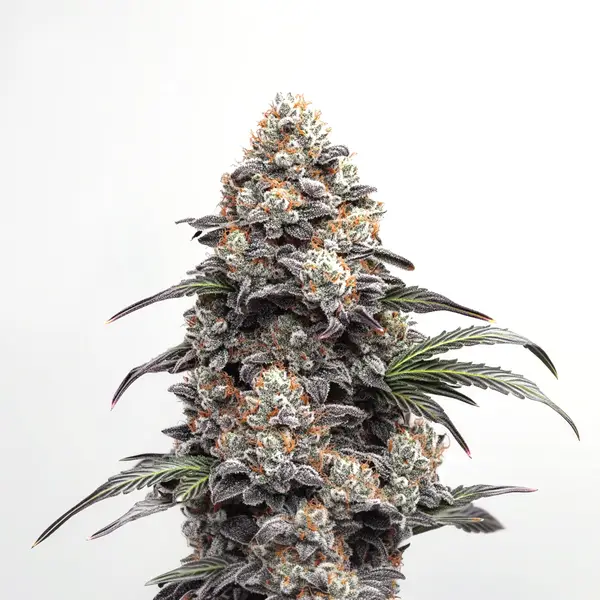
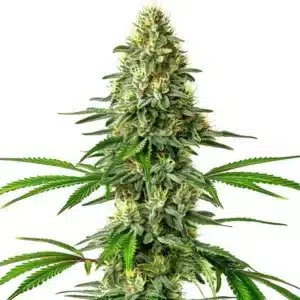
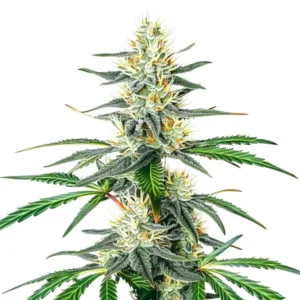
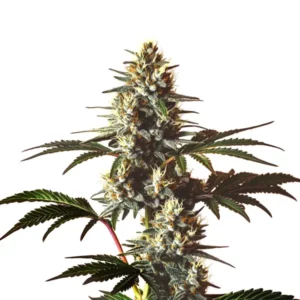
Alien GG

|
THC | 23% - 24% (High) |

|
Type | Feminized |

|
Yield | High |

|
Phenotype | 70% Indica / 30% Sativa |

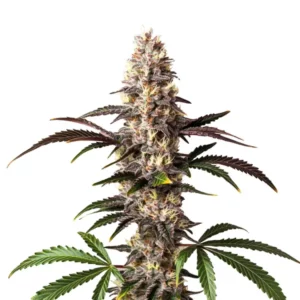
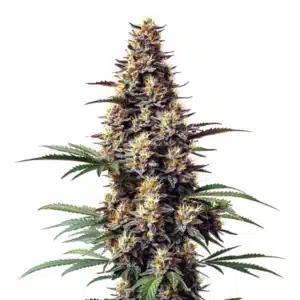
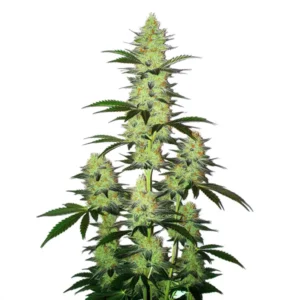
GG x Girl Scout Cookies
|
|
THC | 19% - 25% (High) |
|
|
Type | Feminized |
|
|
Yield | High |
|
|
Phenotype | 45% Indica / 55% Sativa |
Implementing Trellis and Plant Support
Benefits of Using Trellis for Cannabis
Implementing a trellis system in cannabis cultivation offers numerous advantages. It maximizes space efficiency by allowing plants to grow horizontally, which is particularly beneficial in confined indoor environments. This method also improves light distribution across the canopy, promoting even growth and increasing the potential yield by up to 20%.
Using cannabis trellis netting is essential for optimizing plant stability and yield. The netting supports branches laden with buds, preventing breakage and ensuring that plants can support the weight of their flowers. This is crucial for strains with heavy buds like GG4, known for its dense, resinous flowers.
Comparing Trellis Netting for Climbing Plants and Cannabis
Trellis netting for climbing plants and cannabis serve similar purposes but differ in application. While climbing plants use trellises to reach sunlight, cannabis plants benefit from improved light exposure and airflow. This distinction is vital for cultivators aiming to enhance photosynthesis and increase cannabinoid production.
Experienced growers report that using trellis netting can improve airflow by up to 30%, reducing humidity-related issues like mold. This is particularly important in dense canopies where airflow is restricted. Proper trellis setup ensures that each plant receives adequate light and air, essential for robust growth.
Promos & Deals
How to Set Up Trellis for Indoor Cannabis Growth
Step-by-Step Guide for Indoor Trellis Setup
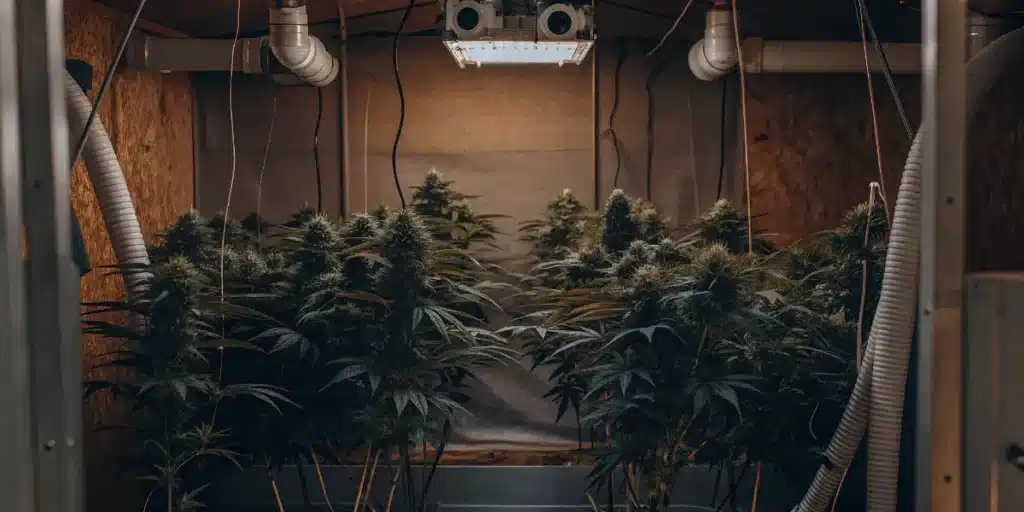
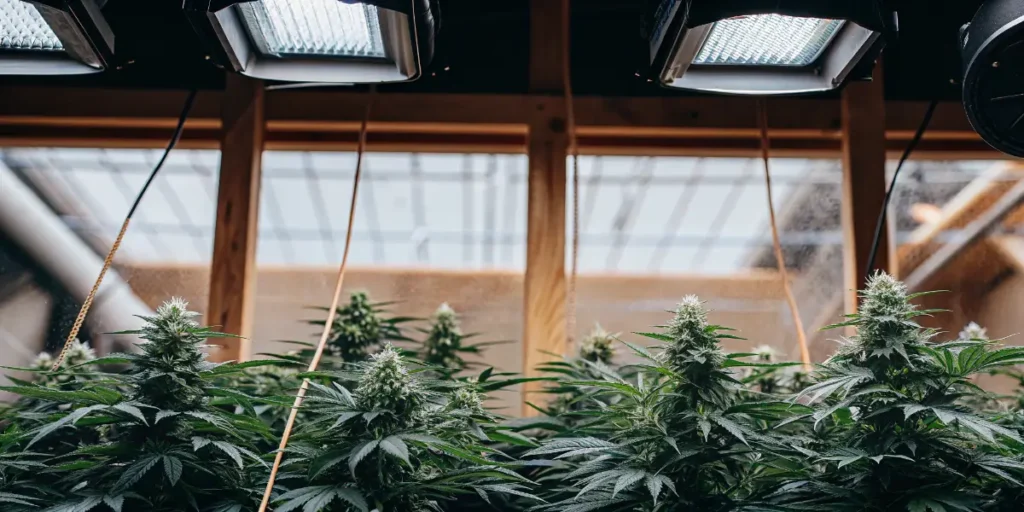
Setting up a trellis indoors requires careful planning. Start by measuring your grow space and selecting a trellis netting that fits your dimensions. Install the netting at a height of 12-18 inches above the soil to allow for plant growth. Secure the netting to the grow tent’s frame using zip ties or hooks.
Ensure that the trellis netting is taut, as this will provide the necessary support for heavy branches. As plants grow, guide them through the netting to promote horizontal growth. This technique increases light exposure to lower branches, enhancing overall plant health and yield.
Importance of Local Resources for Trellis Installation
Finding trellis netting locally is crucial for quick and effective installation. Local suppliers often offer tailored solutions that fit specific grow spaces, reducing setup time. Additionally, purchasing locally supports the community and ensures that you have access to customer support if needed.
Master growers have pointed out that using locally sourced materials can reduce setup costs by up to 15%, making it a cost-effective option for both small and large-scale operations. This approach also allows for customization, ensuring that your trellis system meets the unique needs of your grow environment.
Outdoor Trellis Techniques for Cannabis
Best Practices for Outdoor Trellis Installation
Outdoor trellis systems must withstand environmental factors like wind and rain. Use sturdy materials such as metal or treated wood to construct a durable framework. Position the trellis to maximize sunlight exposure, ideally facing south in the northern hemisphere.
Supporting cannabis plants outdoors with a trellis can prevent damage from strong winds, which can break branches and reduce yield. Many cultivators share that a well-constructed trellis can increase plant resilience, allowing them to withstand adverse weather conditions while maintaining optimal growth.
Advantages of Cannabis Trellis Outdoor
Cannabis trellis outdoor systems provide essential support against environmental stressors. They help maintain plant structure during heavy rain or wind, which can otherwise cause significant damage. This support is particularly beneficial for tall sativa strains prone to bending under their weight.
By integrating a trellis system, outdoor growers can achieve a more uniform canopy, enhancing light penetration and airflow. This setup not only boosts photosynthesis but also reduces the risk of mold and mildew, ensuring a healthier crop.
Using Trellis Netting in Grow Tents
How to Use Trellis Netting in Grow Tent
To effectively use trellis netting in grow tent environments, start by setting the netting at a strategic height to guide plant growth. This technique optimizes space by encouraging horizontal expansion, allowing for more plants per square foot.
Ensure the netting is adjustable, enabling you to raise it as plants grow. This flexibility is crucial for accommodating different growth stages and maximizing light exposure. Master growers recommend adjusting the netting every two weeks to maintain optimal plant positioning.
Maximizing Space with Trellis Netting
Using trellis netting in a grow tent maximizes space by allowing plants to spread horizontally. This method increases light exposure to lower branches, which often receive less light in traditional setups. By optimizing light distribution, growers can achieve higher yields and better quality buds.
In artisanal cultivation circles, it’s noted that trellis systems can increase yield by up to 20% in grow tents, making it a valuable technique for maximizing limited space. This approach also enhances airflow, reducing the risk of mold and pests.
Common Mistakes and How to Avoid Them
Troubleshooting Trellis Issues
One common mistake is installing the trellis too late in the growth cycle, which can hinder plant development. Ensure that the trellis is in place before plants enter the flowering stage to allow for proper training and support.
Another issue is using inadequate materials that cannot support the weight of mature plants. Choose durable materials like metal or treated wood to prevent collapse. Experienced growers report that investing in quality materials can prevent costly damage and ensure a successful harvest.
Preventing Overcrowding with Trellis Systems
Overcrowding is a frequent issue when using trellis systems. Ensure that plants have enough space to grow without competing for light and nutrients. This can be achieved by spacing plants adequately and training them to grow horizontally.
Master growers have communicated that maintaining a distance of at least 18 inches between plants can prevent overcrowding and promote healthy growth. This spacing allows for optimal light penetration and airflow, reducing the risk of disease and improving overall plant health.
| Feature | GG4 | Alien Gorilla Glue | Gorilla Glue X Girl Scout Cookies |
|---|---|---|---|
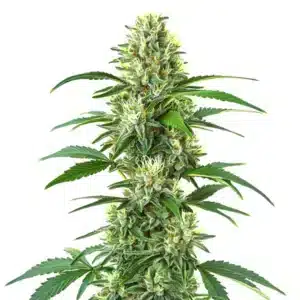
| THC Content | 27% | 23-24% | 19-25% |
| Dominant Terpene | Humulene | Caryophyllene | Limonene |
| Yield (Indoor) | 1.64 – 1.97 oz/ft² | 500 – 600 g/m² | 1.31 – 1.97 oz/ft² | 400 – 600 g/m² | 1.31 – 1.8 oz/ft² | 400 – 550 g/m² |
| Flowering Time | 8-10 weeks | 8-10 weeks | 8-10 weeks |
| Effect | Happy, Relaxed, Talkative | Calming, Happy, Relaxed | Energetic, Euphoric, Relaxed |
Professional Tips for Trellis and Plant Support
- Maintain 40-50% RH during flowering to prevent mold. Use a digital hygrometer for accuracy.
- Install trellis before flowering for optimal support. Late installation can hinder growth.
- Space plants 18 inches apart to avoid overcrowding and ensure even light distribution.
- Use metal or treated wood for outdoor trellis to withstand weather conditions.
- Adjust trellis netting every two weeks to accommodate plant growth and maximize light exposure.
- Choose durable materials for trellis to prevent collapse and ensure plant stability.
Frequently Asked Questions
What materials are best for outdoor trellis systems?
For outdoor trellis systems, metal or treated wood are recommended due to their durability. These materials withstand environmental stressors like wind and rain, ensuring long-term stability. Using high-quality materials reduces the risk of collapse, protecting your cannabis plants and enhancing overall yield.
Can trellis systems be used with autoflowering strains?
Yes, trellis systems can be effectively used with autoflowering strains. They help manage plant height and improve light exposure, crucial for maximizing yield. Autoflowers typically have a shorter lifecycle, so installing trellis early in the vegetative stage is essential for optimal support.
How does trellis netting improve airflow?
Trellis netting enhances airflow by creating space between branches, reducing humidity-related issues. Improved airflow decreases the risk of mold and mildew, promoting healthier growth. This setup is particularly beneficial in dense canopies where airflow is naturally restricted.
What is the ideal height for installing trellis netting indoors?
The ideal height for installing trellis netting indoors is 12-18 inches above the soil. This height allows for adequate plant growth and training, optimizing light exposure and maximizing yield. Adjust the netting as plants grow to maintain optimal positioning and support.
Why is it important to adjust trellis netting regularly?
Regularly adjusting trellis netting is important to accommodate plant growth and ensure optimal light exposure. As plants grow, repositioning the netting helps maintain even canopy distribution, enhancing photosynthesis and yield. Adjusting every two weeks is recommended for best results.