Core Principles for Growing High-Quality Cannabis

Optimal Conditions for Cannabis Growth: Achieving high-quality cannabis involves managing light, temperature, and nutrients effectively. Maintaining a temperature range of 70-85°F (21-29°C) during the vegetative stage enhances growth and resin production. Proper nutrient balance and light exposure are crucial for maximizing yield and potency. These core principles are essential for successful cultivation.
To cultivate premium cannabis, focus on terpenes and flowering time. Terpenes like Myrcene and Limonene not only influence aroma but also enhance the entourage effect. Flowering periods, typically 8-9 weeks, are critical for resin development. Mastering these elements can significantly improve both the quality and yield of your harvest.
Recommended Strains
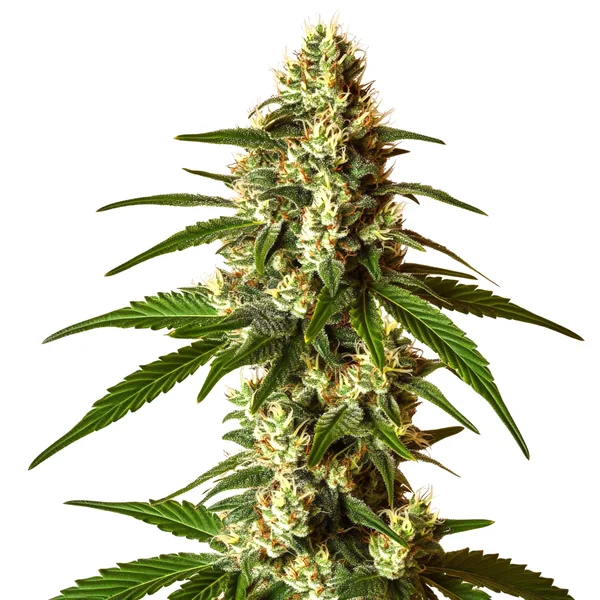
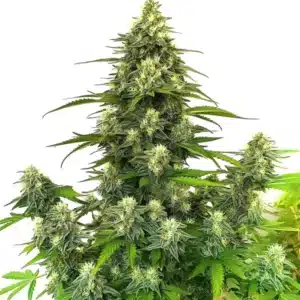
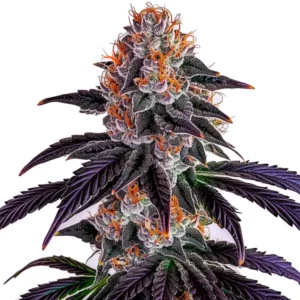
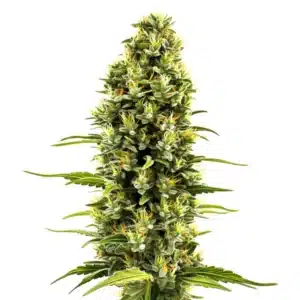
Lemon Kush

|
THC | 17% - 26% (High) |

|
Type | Feminized |

|
Yield | High |

|
Phenotype | 55% Indica / 45% Sativa |
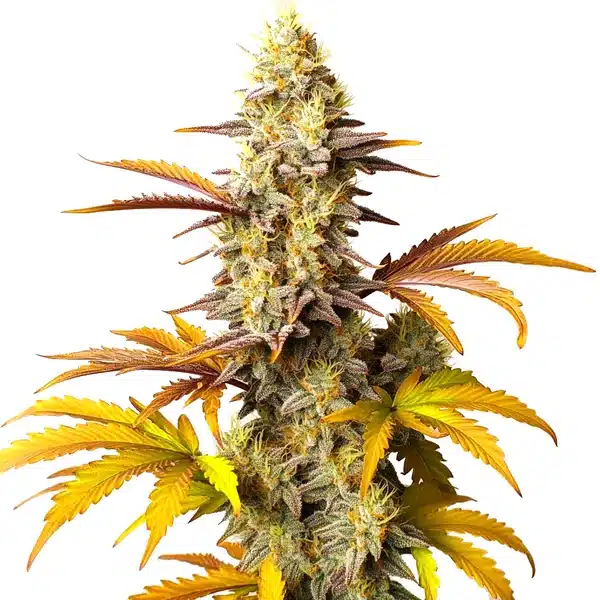
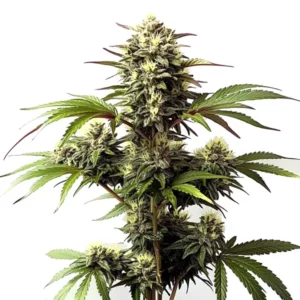
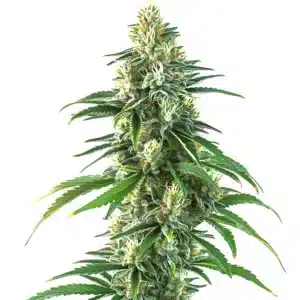
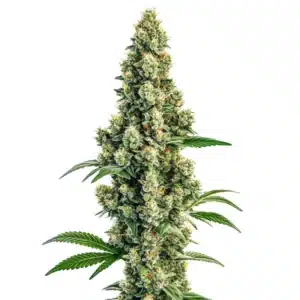
Blue Cheese Autoflower
|
|
THC | 14% - 16% (Medium) |
|
|
Type | Autoflowering |
|
|
Yield | High |
|
|
Phenotype | 80% Indica / 20% Sativa |
Key Stages in Cannabis Growth
Seedling to Vegetative Phase
In the seedling stage, cannabis plants require high humidity levels of 65-70% and temperatures around 75°F (24°C) to thrive. This phase lasts about 2-3 weeks, during which the plants develop their first true leaves. A cannabis grow guide week by week can help track progress and ensure optimal conditions are maintained.
Transitioning to the vegetative phase, plants demand increased light intensity, ideally 400-600 µmol/m²/s, and a reduced humidity of 50-60%. This stage typically lasts 4-8 weeks, depending on the strain. An N:P:K ratio of 3:1:2 is recommended to support robust growth.
Flowering and Harvesting
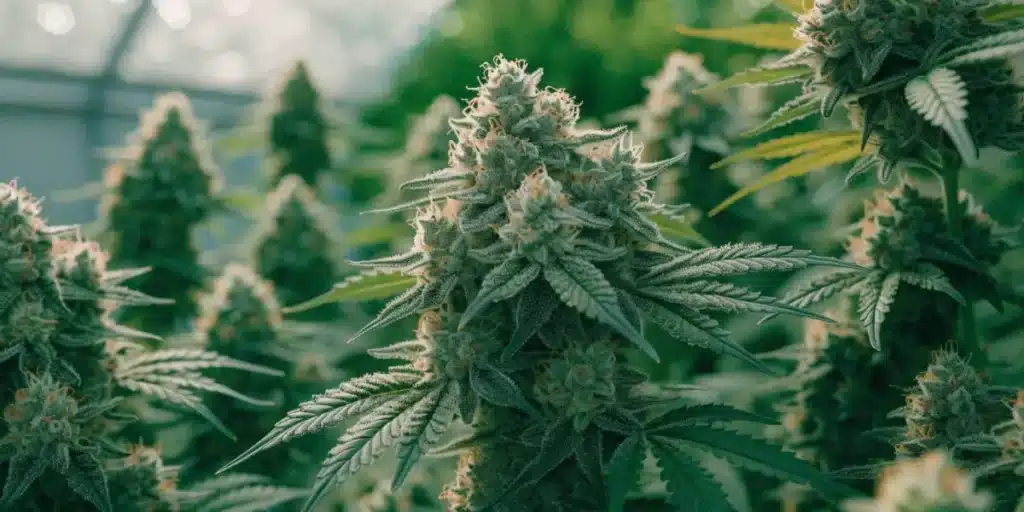
During flowering, a 12/12 light schedule is crucial. Temperatures should be maintained between 68-77°F (20-25°C) to optimize bud development. The flowering stage lasts 8-9 weeks for most strains, and nutrient ratios should shift to 1:3:2 to enhance bud formation.
Harvesting requires precision; trichomes should be milky white with some amber hues. This indicates peak potency. Drying should occur at 60-70°F (15-21°C) with 50-60% humidity to preserve terpenes and cannabinoids.
Promos & Deals
Core Principles for Growing High-Quality Cannabis
Light and Temperature Management
Light intensity and spectrum play a pivotal role in cannabis cultivation. For optimal growth, maintain a light intensity of 800-1000 µmol/m²/s during peak flowering. Experienced growers report that maintaining 70-85°F (21-29°C) supports vigorous growth and resin production.
Temperature fluctuations can stress plants, leading to reduced yields. Use fans and air conditioning to stabilize the environment. Avoid temperatures below 60°F (16°C) or above 90°F (32°C) to prevent growth inhibition and heat stress.
Nutrient and Watering Strategies
Choosing the best nutrients for bigger buds is crucial for quality. An N:P:K ratio of 1:3:2 during flowering supports bud development. Regularly test soil pH, aiming for a range of 6.5 for soil to ensure nutrient uptake.
Overwatering is a common mistake; allow the top inch of soil to dry out before re-watering. This prevents root rot and promotes healthy root systems. Consider using a cannabis growing kit for beginners to streamline nutrient management.
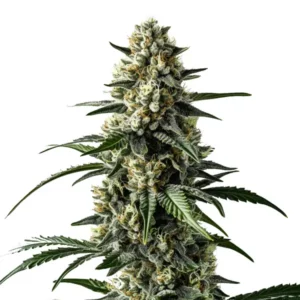
| Feature | GG4 Auto | Lemon Kush | Blue Cheese Auto |
|---|---|---|---|
| THC Content | 18-24% | 17-26% | 14-16% |
| Flowering Time | 8-10 weeks | 8-10 weeks | 8-10 weeks |
| Dominant Terpene | Caryophyllene | Limonene | Myrcene |
| Yield Indoor | 1.31 – 1.97 oz/ft² | 400 – 600 g/m² | 1.47 – 1.8 oz/ft² | 450 – 550 g/m² | 1.47 – 1.64 oz/ft² | 450 – 500 g/m² |
| Effect | Happy, Relaxed, Talkative | Happy, Relaxed, Talkative | Creative, Energetic, Uplifted |
Best Practices for Indoor and Outdoor Setups
Best Grow Setup for Indoors
Optimize your indoor space with essential equipment like LED lights, fans, and a carbon filter. This setup ensures proper air circulation and odor control, critical for maintaining plant health and discretion.
Temperature control is vital; maintain 70-80°F (21-27°C) with humidity levels of 40-50% during flowering. Use a hygrometer to monitor conditions. Invest in quality soil and nutrients to support vigorous growth.
Outdoor Cannabis Training Techniques
Outdoor cannabis training can enhance plant resilience and yield. Techniques like topping and LST (Low-Stress Training) encourage bushier growth and more bud sites. This is particularly effective in maximizing sunlight exposure and airflow.
Monitor weather conditions closely; sudden temperature drops below 50°F (10°C) can stress plants. Use protective measures like row covers to shield against cold snaps. Proper training and care can significantly boost outdoor yields.
Professional Tips for High-Quality Cannabis Growth
- Maintain 58-62% RH during curing to preserve terpenes. Below 55% arrests development; above 65% promotes mold.
- Use a light intensity of 800-1000 µmol/m²/s during flowering for optimal bud development.
- Avoid overwatering by letting the top inch of soil dry out before re-watering.
- Monitor soil pH, aiming for 6.5, to ensure nutrient uptake and prevent lockout.
- Implement LST techniques to increase light penetration and maximize yield.
- Keep flowering temperatures between 68-77°F (20-25°C) to optimize resin production.
FAQs on Cannabis Cultivation
What are the optimal growing conditions for cannabis?
The optimal growing conditions for cannabis include maintaining temperatures between 70-85°F (21-29°C) during vegetative growth and 68-77°F (20-25°C) during flowering. Humidity should be 50-60% in veg and 40-50% in flower. Light intensity should be 400-600 µmol/m²/s in veg and 800-1000 µmol/m²/s in flower.
How can I maximize my cannabis yield?
Maximize yield by using high-intensity lighting, maintaining optimal temperatures, and implementing training techniques like topping and LST. Ensure nutrient ratios are adjusted for each growth stage, with a focus on phosphorus and potassium during flowering. Regularly monitor environmental conditions to prevent stress.
What is the best way to manage cannabis pests?
Manage pests by maintaining a clean growing environment and using natural predators like ladybugs. Regularly inspect plants for signs of infestation and apply organic pesticides as needed. Ensure proper airflow to prevent mold and mildew, which can attract pests.
How important is pH in cannabis cultivation?
pH is crucial in cannabis cultivation as it affects nutrient uptake. Soil pH should be maintained at 6.5, while hydroponic systems require a pH of 5.5-6.5. Regularly test and adjust pH levels to prevent nutrient lockout and ensure healthy plant growth.
What are the benefits of using LED lights for cannabis growing?
LED lights are energy-efficient and produce less heat, reducing the risk of heat stress. They offer a full spectrum of light, promoting robust growth and higher yields. LEDs have a longer lifespan compared to traditional lighting, making them a cost-effective choice for indoor cultivation.