What Is a Haze Strain? Genetics and Effects

Haze is one of the most important names in cannabis, a family of sativa-dominant strains known for soaring, energetic highs, long flowering times, and bright, spicy citrus flavors. If you have ever wondered what makes a strain a Haze, this guide breaks down the genetics, the effects, the flavor, and why Haze reshaped the modern market.
What makes a strain a Haze?
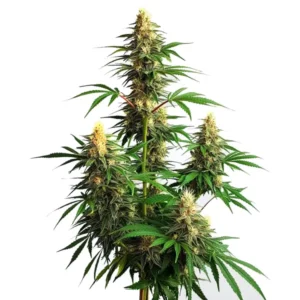
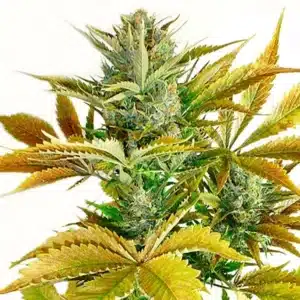
Haze refers to a lineage of sativa-dominant strains that trace back to the original Haze, bred in California in the 1970s from a blend of sativa landraces from regions such as Mexico, Colombia, Thailand, and South India. That mix of pure sativas is the source of the family’s defining traits.
Recommended Strains
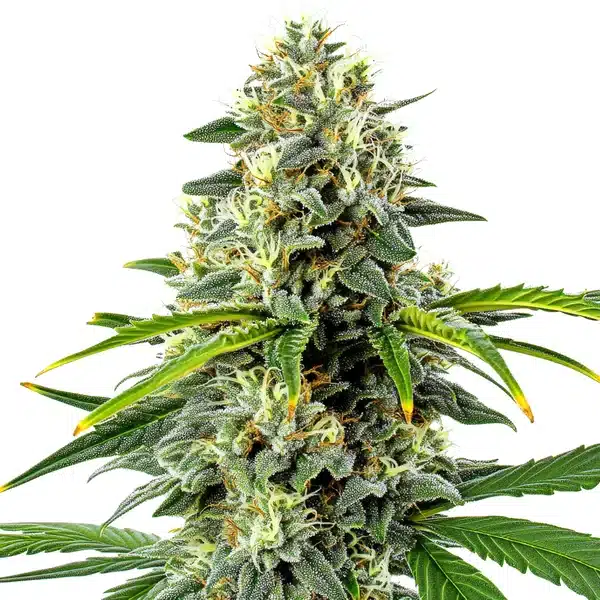
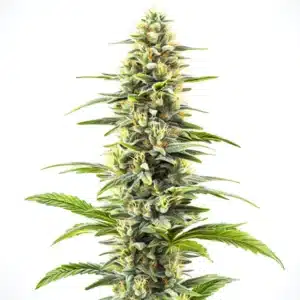
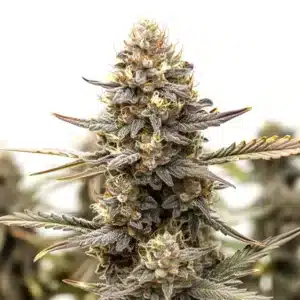
Haze Autoflower

|
THC | 18% - 24% (High) |

|
Type | Autoflowering |

|
Yield | High |

|
Phenotype | 20% Indica / 80% Sativa |

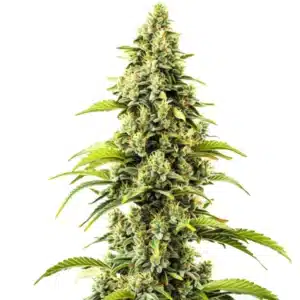
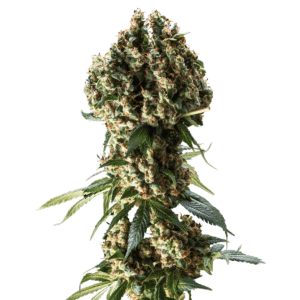
American Haze
|
|
THC | 24% - 28% (High) |
|
|
Type | Feminized |
|
|
Yield | High |
|
|
Phenotype | 5% Indica / 95% Sativa |
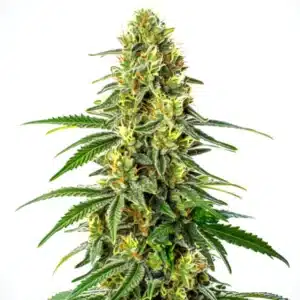
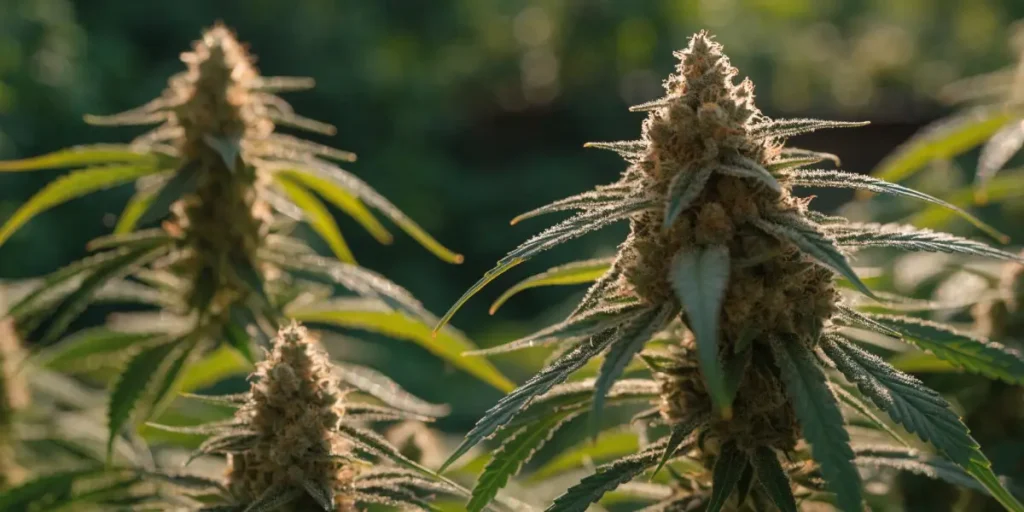
A strain is considered a Haze when it carries that genetic background and shows its hallmarks: a tall, airy structure, a long flowering time, and an energetic, cerebral high. The name is less about a single strain and more about a whole branch of the cannabis family tree.
Promos & Deals


Haze effects
The Haze effect is the family’s calling card. It is energetic, uplifting, and strongly cerebral, sparking a happy, creative, and talkative headspace rather than a sedating body stone. That makes Haze strains a classic choice for daytime use, social settings, and creative work.
Because the highs are potent and fast-acting, Haze strains can feel intense for people sensitive to sativas, so a modest dose is wise if you are new to them. You can explore the family in our Haze strains category and the wider sativa seeds collection.
Aroma and flavor
Haze strains share a recognizable aroma and flavor: bright and complex, usually citrus-forward with spicy, earthy, incense, and sometimes sweet notes. It is a fresh, zesty profile that stands apart from the dense, sweet, or gassy flavors of modern indica hybrids.
That classic taste is part of why Haze has stayed beloved for decades. Even as breeders added other genetics to tame the long flowering, the citrus-and-spice character tends to carry through, which is a reliable sign of Haze in a strain’s background.
Popular Haze strains
The Haze family is huge, but a few members stand out. Amnesia Haze and Super Silver Haze are multiple Cannabis Cup winners and benchmarks for the energetic Haze effect, while names like Lemon Haze and Super Lemon Haze pushed the citrus side further. Each keeps the core Haze character while adding its own twist.
If you want to see how the family spreads across different flavors and effects, our roundup of the top Haze strains is a good overview, and the Amnesia Haze page is a classic starting point for the real thing.
Growing Haze strains
Growing Haze is more demanding than growing most indicas, which is the trade-off for that soaring high. True Haze strains stretch tall and take a notably longer flowering time, often several weeks beyond a typical indica, so they reward patience, height, and a warm climate or an indoor space built for them.
Modern Haze hybrids have been bred to tame some of that difficulty by adding faster-finishing genetics, which is why many of today’s Haze crosses are more manageable than the originals. Still, if you want the full, classic Haze experience, plan for extra time and vertical room, and train the plant early to keep the tall, airy canopy even.
Haze vs modern indica hybrids
The easiest way to understand Haze is to contrast it with the dense, candy-flavored indica hybrids that dominate shelves today. Those modern strains are usually bred to finish fast, stay compact, hit hard in the body, and taste sweet or gassy. Haze is almost the opposite: tall and airy, slow to flower, cerebral and energizing, with a bright citrus-and-spice flavor.
That contrast is why Haze still has a devoted following. For people who find heavy indicas too sedating or one-note, a Haze offers a clear-headed, uplifting high that suits getting things done. The trade-off is patience and space in the garden, but for a genuine daytime sativa experience, nothing from the modern indica camp quite replaces it.
Why Haze matters
Haze is not just another strain family, it is one of the foundations of modern cannabis. The original Haze genetics sit behind an enormous number of today’s sativas and hybrids, and the family essentially defined what an energetic, cerebral high is supposed to feel like.
For anyone building a real understanding of cannabis, knowing Haze is essential. Whether you grow a pure, old-school Haze or a modern cross that carries its genetics, you are tapping into a lineage that shaped the plant as we know it, and that remains a benchmark for daytime, uplifting effects.
Frequently asked questions
What does Haze mean in cannabis?
Haze refers to a family of sativa-dominant strains descended from the original Haze, bred in California in the 1970s from Mexican, Colombian, Thai, and South Indian sativa landraces. A strain is called a Haze when it carries that background and shows the family’s hallmarks: a tall, airy structure, a long flowering time, and an energetic, cerebral high.
Are Haze strains indica or sativa?
Haze strains are sativa-dominant. The effect is energetic, uplifting, and strongly cerebral, sparking a happy, creative, and talkative headspace rather than a sedating body stone. That makes them a classic choice for daytime use, social settings, and creative work. Because they are potent, newer users should start with a small amount.
What do Haze strains taste like?
Haze strains share a bright, complex flavor that is usually citrus-forward with spicy, earthy, incense, and sometimes sweet notes. It is a fresh, zesty profile that stands apart from the dense, sweet, or gassy flavors of modern indica hybrids. That citrus-and-spice character is a reliable sign of Haze in a strain’s background.
Why do Haze strains take so long to flower?
Their long flowering comes from their pure-sativa, equatorial landrace heritage, where plants evolved to flower slowly over a long warm season. That is the trade-off for the soaring Haze high. Modern Haze hybrids are often bred with faster-finishing genetics to shorten the timeline, but true Haze strains still take several extra weeks.
Are Haze strains good for beginners to grow?
Pure Haze strains are better suited to experienced growers because of their height and long flowering time. Beginners who want the Haze flavor and effect are often better off with a modern Haze hybrid bred to finish faster and stay more manageable. Either way, plan for vertical space and train the plant early to keep the canopy even.