Creating the Ideal Environment for Cannabis Growth

Optimal cannabis growth conditions: Achieving the ideal environment for cannabis involves balancing key factors like temperature and humidity. Aim for temperatures between 68-77°F (20-25°C) during the day and slightly cooler at night, with humidity levels around 40-60%. These conditions are critical for maximizing plant health and yield, ensuring robust growth and high-quality harvests. Adjusting these parameters can significantly impact the overall success of your cultivation efforts.
When cultivating cannabis, the synthesis of terpenes during flowering is crucial. Terpenes not only influence aroma and flavor but also interact with cannabinoids to enhance effects. A well-managed environment can significantly reduce flowering time, ensuring a quicker turnaround and increased productivity. By focusing on these elements, you can optimize your grow room for maximum efficiency.
Recommended Strains

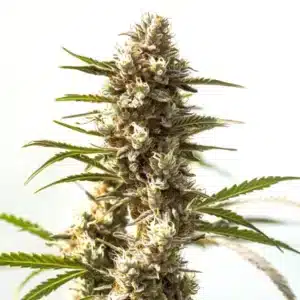
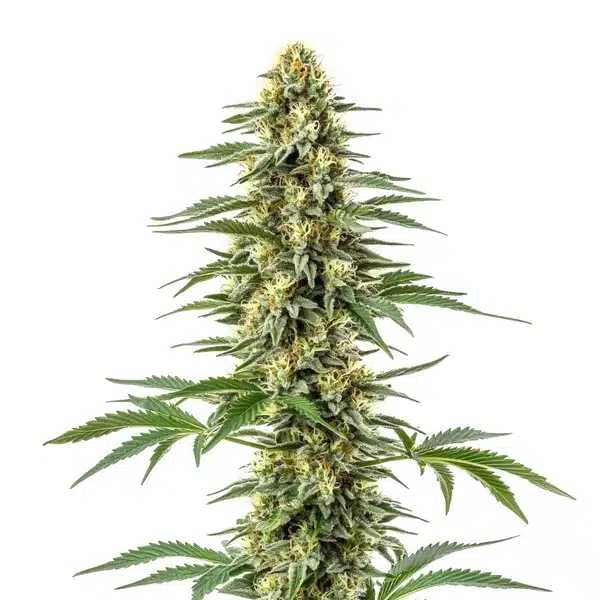
Lemon Diesel

|
THC | 15% - 23% (Medium) |

|
Type | Feminized |

|
Yield | Medium |

|
Phenotype | 45% Indica / 55% Sativa |
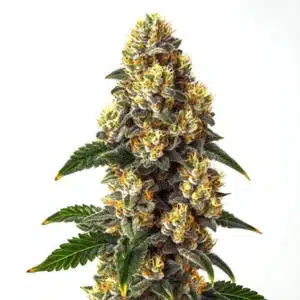
Amnesia Kush
|
|
THC | 15% - 20% (Medium) |
|
|
Type | Feminized |
|
|
Yield | High |
|
|
Phenotype | 30% Indica / 70% Sativa |
Key Cannabis Growing Conditions
Temperature and Humidity Essentials
Temperature and humidity are pivotal in cannabis cultivation. Maintaining a temperature range of 68-77°F (20-25°C) during the day is crucial for optimal growth. If temperatures exceed 85°F (29°C), plants may experience heat stress, leading to reduced yields. Conversely, temperatures below 60°F (15°C) can slow growth and affect plant health. Humidity levels should be kept between 40-60% to prevent mold and mildew, which thrive in overly humid conditions.
Using a cannabis grow temperature and humidity chart is essential for monitoring these parameters. Such charts help growers visualize the ideal ranges and make necessary adjustments. For instance, during the flowering stage, lowering humidity to 40-50% can enhance resin production, crucial for strains like GG4, known for its high resin content.
Best Conditions for Growing Cannabis
The best conditions for growing cannabis involve a balance of light, temperature, and humidity. Indoor cannabis cultivation allows for precise control over these factors. Light schedules, such as a 16-24 hour light cycle during the vegetative stage, are essential for promoting growth. Additionally, maintaining consistent temperatures and humidity levels can prevent common issues like nutrient burn or pest infestations.
Many cultivators share that using a grow room temp and humidity chart can optimize conditions, leading to healthier plants and higher yields. By adjusting these factors, you can create an environment that supports robust growth and maximizes the genetic potential of your chosen strains.
Promos & Deals

Creating the Ideal Environment for Cannabis Growth
Indoor Cannabis Cultivation Tips
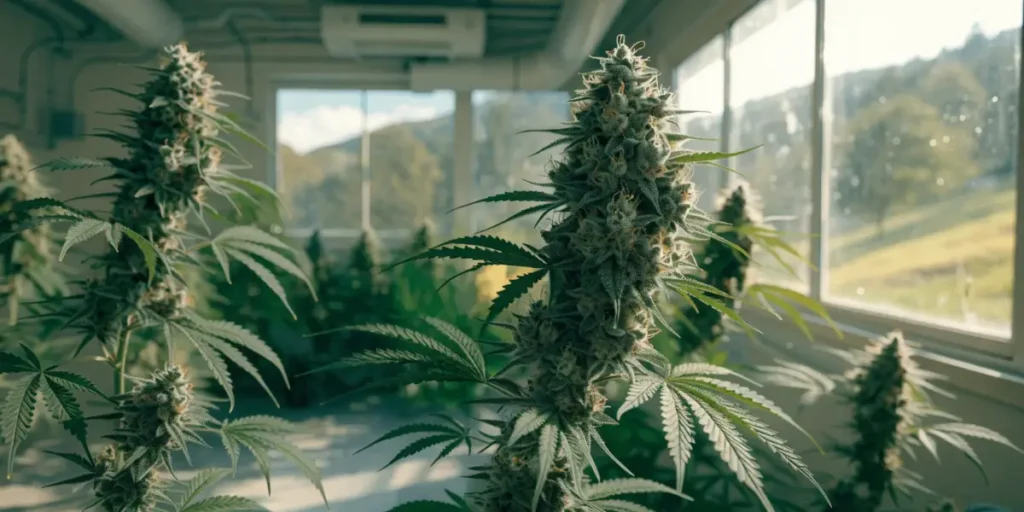
Indoor cannabis cultivation offers the advantage of controlling environmental factors. To achieve the best results, maintain a temperature range of 68-77°F (20-25°C) during the day and slightly cooler at night. Humidity should be adjusted according to the plant’s life stage, with higher levels during vegetative growth and lower levels during flowering.
Experienced growers report that using LED lights can help maintain optimal temperatures while providing the necessary light spectrum for growth. Additionally, implementing a cannabis environment chart can help visualize and adjust conditions to meet the specific needs of your plants.
Growing Cannabis in Soil vs. Other Methods
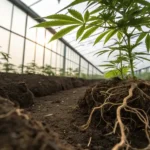
Growing cannabis in soil is a traditional method that offers a natural environment for plants. Soil provides essential nutrients and supports microbial life, which can enhance plant health. However, hydroponic systems offer faster growth rates and higher yields by delivering nutrients directly to the roots.
When comparing soil to other methods, consider factors such as cost, maintenance, and environmental impact. Soil is generally more forgiving and requires less technical knowledge, making it ideal for beginners. However, hydroponics can offer superior control over nutrient delivery and growth conditions.
| Feature | GG4 | Lemon Diesel | Amnesia Kush |
|---|---|---|---|
| THC Content | 27% | 15-23% | 15-20% |
| Dominant Terpene | Humulene | Limonene | Myrcene |
| Yield Indoor | 1.64 – 1.97 oz/ft² | 500 – 600 g/m² | 1.15 – 1.31 oz/ft² | 350 – 400 g/m² | 1.64 – 1.97 oz/ft² | 500 – 600 g/m² |
| Flowering Time | 8-10 weeks | 8-10 weeks | 8-10 weeks |
| Effect | Happy, Relaxed, Talkative | Calming, Happy, Relaxed | Euphoric, Happy, Tingly |
Best Practices for Climate Control
Using a Grow Room Temp and Humidity Chart
A grow room temp and humidity chart is an invaluable tool for cannabis cultivators. It allows you to track and adjust environmental conditions, ensuring they remain within optimal ranges. For example, during the flowering stage, maintaining lower humidity levels can prevent mold and enhance terpene production.
Master growers have pointed out that using digital hygrometers and thermometers can provide accurate readings, allowing for precise adjustments. This practice is essential for achieving high-quality yields and maintaining plant health.
Implementing a Cannabis Environment Chart
Implementing a cannabis environment chart can help visualize the ideal conditions for your plants. These charts provide a detailed overview of temperature, humidity, light, and nutrient levels, allowing you to make informed decisions about your cultivation practices.
Many cultivators share that these charts are especially useful for identifying trends and making necessary adjustments. By closely monitoring these factors, you can optimize your grow room environment and maximize the potential of your cannabis plants.
Professional Tips for Cannabis Cultivation
- Maintain 68-77°F (20-25°C) for optimal growth. Temperatures outside this range can stress plants, reducing yield.
- Keep humidity at 40-60% to prevent mold. High humidity can lead to Botrytis, damaging your crop.
- Use LED lights for efficient energy use and optimal light spectrum. Avoid excessive heat with proper ventilation.
- Choose soil for a forgiving medium. Hydroponics offers faster growth but requires more technical knowledge.
- Monitor VPD (Vapor Pressure Deficit) to balance temperature and humidity, optimizing plant transpiration.
- Utilize a cannabis environment chart to track and adjust conditions, ensuring consistent growth and health.
FAQs About Cannabis Cultivation
Where does cannabis grow best naturally?
Cannabis grows best in regions with warm, sunny climates and well-drained soil. Naturally, it thrives in areas like the Hindu Kush mountains and parts of Central Asia. These regions offer optimal conditions with temperatures ranging from 68-77°F (20-25°C) and moderate humidity levels, supporting robust plant growth.
What are the ideal grow conditions for cannabis?
Ideal grow conditions for cannabis include temperatures between 68-77°F (20-25°C) and humidity levels of 40-60%. Light schedules should be 16-18 hours for vegetative growth and 12/12 for flowering. These conditions promote healthy growth and maximize yield potential, ensuring high-quality harvests.
How can I achieve the best grow conditions for cannabis?
To achieve the best grow conditions, maintain a temperature of 68-77°F (20-25°C) and humidity at 40-60%. Use a cannabis environment chart to monitor and adjust conditions. Implementing proper ventilation and lighting schedules can further enhance growth and yield.
What is the best temperature for growing cannabis?
The best temperature for growing cannabis is between 68-77°F (20-25°C). This range supports optimal metabolic processes and nutrient uptake, promoting vigorous growth. Temperatures outside this range can stress plants, affecting yield and quality.
Can growing cannabis in soil improve flavor?
Growing cannabis in soil can enhance flavor by supporting microbial life that influences terpene development. Soil-grown plants often exhibit richer, more complex flavor profiles compared to hydroponically grown counterparts, due to the natural interactions between soil nutrients and plant roots.