Best Soil for Cannabis: A Grower’s Guide

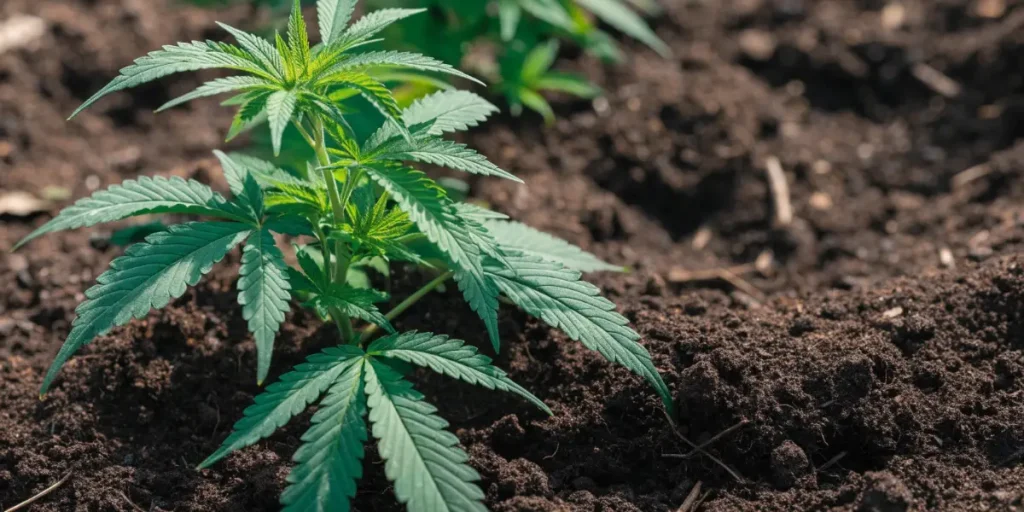
Soil is the foundation of a healthy cannabis plant, and getting it right makes everything else easier. The best soil holds moisture without staying soggy, feeds the roots steadily, and sits in the right pH range. Here is what cannabis soil actually needs, the main types to choose from, and how to pick the right one for your grow.
What cannabis soil needs
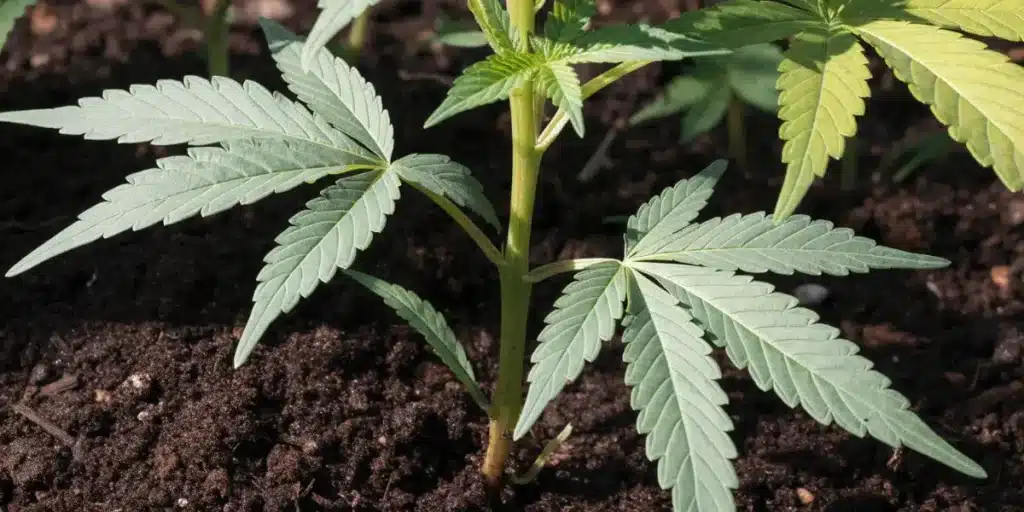
Good cannabis soil comes down to a few core traits. It needs a light, airy texture so roots get oxygen and water drains freely, because cannabis roots hate sitting in waterlogged soil. At the same time, it has to hold enough moisture and nutrients to feed the plant between waterings.
Recommended Strains
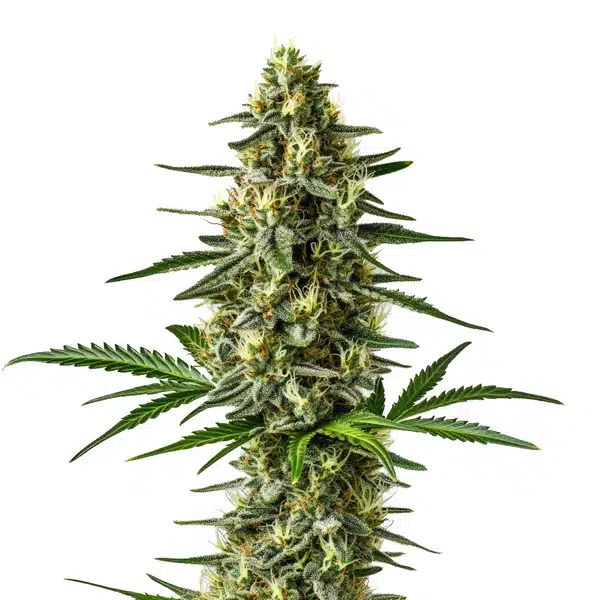
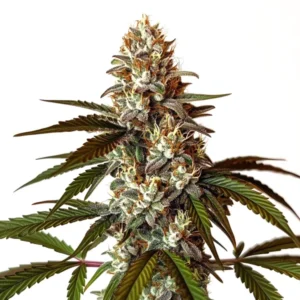
Afghan

|
THC | 16% - 21% (Medium) |

|
Type | Feminized |

|
Yield | High |

|
Phenotype | 90% Indica / 10% Sativa |

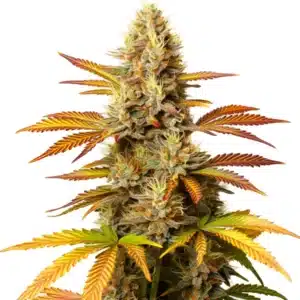
Jack Herer
|
|
THC | 20% (Medium) |
|
|
Type | Feminized |
|
|
Yield | High |
|
|
Phenotype | 40% Indica / 60% Sativa |
The other essentials are structure and pH. A mix of ingredients that keeps the soil loose and alive supports healthy roots, while a slightly acidic pH, generally around 6.0 to 7.0 in soil, lets the plant actually absorb the nutrients that are present. Miss the pH range and even well-fed soil can leave a plant looking starved.
Promos & Deals

Types of cannabis soil
Not all soil is the same, and the right choice depends on how hands-on you want to be.
- Pre-mixed potting soil for cannabis: ready to use and often lightly fertilized, a good, low-effort starting point for most growers.
- Amended or “super” soil: soil built up with compost, worm castings, and natural amendments so it can feed the plant for much of its life with little added nutrients.
- Coco-based mixes: blends using coco coir for airy, fast-draining structure, closer to a soilless grow and very forgiving of overwatering.
Many growers start with a quality pre-mixed soil and adjust from there, since it removes a lot of guesswork while they learn how their plants behave.
Indoor vs outdoor soil
Where you grow changes what the soil has to do. Indoors, in pots, the soil is the plant’s entire world, so a light, well-draining, nutrient-rich mix in the right container matters enormously. There is no larger ecosystem to buffer mistakes, so texture and pH control are critical.
For a deeper look at choosing and dialing in an indoor mix, see our dedicated guide to the best soil for growing weed indoors. Outdoors, you are working with or amending native ground, where drainage, existing soil type, and building up organic matter over time become the main concerns, and a large volume of earth is more forgiving of small errors.
Feeding and amendments
Soil is not just a container, it is a living system you can improve. Organic amendments such as compost, worm castings, and natural dry inputs build fertility and feed the microbial life that helps roots take up nutrients, which is the idea behind amended or super soils that need little bottled feeding.
If you prefer a simpler route, a lightly fertilized pre-mix plus measured nutrients through the grow also works well. Either way, our overview of organic dry amendments is a useful starting point for understanding what each input does and when to add it.
Common soil mistakes
Most soil problems come from a handful of avoidable errors. Using heavy, dense garden soil that compacts and suffocates roots is a frequent one, as is ignoring pH so nutrients get locked out no matter how much you feed. Overwatering a soil that drains poorly is another, and it is often mistaken for a nutrient problem.
The fix is usually simpler than growers expect: start with a light, airy, well-draining mix, check your pH, and let the soil dry appropriately between waterings. Getting those basics right prevents a surprising number of the issues that show up later as discolored or struggling plants.
Matching soil to your strain and setup
The best soil also depends on what you are growing. Hungry, high-yielding photoperiod plants benefit from richer, well-amended soil that can keep up with their appetite, while autoflowers often prefer a lighter, airier mix with gentler feeding, since their short life leaves little time to recover from nutrient stress.
Think of soil as one half of a pairing with your genetics and your space. Once you have a mix that drains well, holds nutrients, and sits in the right pH range, you can fine-tune it to the strains you grow. Browse our feminized seeds collection to match dependable genetics to the soil setup you are building.
Preparing and reusing soil
A little preparation before planting pays off all season. Letting amended or super soil “cook” for a few weeks before use gives the compost and microbial life time to break down and stabilize, so the mix is ready to feed roots gently rather than burning a young plant. Moistening the soil evenly and checking its pH before you transplant also heads off early problems.
Soil can often be reused too, which saves money and waste. After a harvest, many growers refresh their mix by removing old roots, adding fresh compost and amendments, and sometimes top-dressing with worm castings to rebuild fertility. Done carefully, this turns a one-time purchase into a living base you improve grow after grow, as long as it stays disease-free and well-aerated.
Frequently asked questions
What is the best soil for growing cannabis?
The best cannabis soil is light and airy for good drainage and root oxygen, yet holds enough moisture and nutrients to feed the plant, and sits around pH 6.0 to 7.0. For most growers, a quality pre-mixed potting soil made for cannabis is the easiest reliable choice, which can then be amended with compost or worm castings over time.
What pH should cannabis soil be?
In soil, cannabis generally does best in a slightly acidic range of about 6.0 to 7.0. That range lets the roots absorb the nutrients present in the soil. If the pH drifts too far outside it, the plant can show signs of deficiency even in well-fed soil, because the nutrients become locked out and unavailable to the roots.
Is soil or coco better for cannabis?
Both work well, and the choice depends on your style. Soil, especially amended or super soil, is forgiving and can feed the plant with minimal input, which suits hands-off growers. Coco-based mixes drain fast, resist overwatering, and respond quickly to feeding, which suits growers who want more control. Beginners often find a quality soil mix the simplest start.
Can I use regular garden soil for cannabis?
Plain garden soil is usually a poor choice on its own, since it tends to be heavy and compacts easily, which suffocates cannabis roots and drains badly. If you grow outdoors in the ground, amend native soil with compost and material that lightens the texture. For pots, a purpose-made cannabis or potting mix is far more reliable.
Do autoflowers need different soil?
Autoflowers generally prefer a lighter, airier mix with gentler feeding than hungry photoperiod plants. Because their life cycle is short, they have little time to recover from nutrient stress or overfeeding, so a milder, well-draining soil suits them. Many growers use a lighter mix or add extra aeration material when growing autoflowers in pots.