Expert Guide: Proven Ways to Tackle Arsenic Contamination in Cannabis

Arsenic contamination in cannabis is a pressing concern for both beginners and seasoned growers. Knowing arsenic contamination in cannabis: causes and control is essential, as this toxic element can find its way into cannabis plants through various channels, leading to significant health risks. Ensuring that your cannabis is free from arsenic is not just about compliance with regulations; it’s about safeguarding the health of consumers.
Arsenic contamination in cannabis: causes and control is a multifaceted issue. One primary cause is the presence of arsenic in the soil. Cannabis plants are notorious for absorbing heavy metals, including arsenic, from their growing environment. It’s crucial to understand how these elements are taken up by the plants and what can be done to mitigate this risk.
Recommended Strains


By exploring practical strategies, growers can effectively manage arsenic levels. From choosing the right soil and water sources to implementing advanced cultivation techniques, every step counts in reducing arsenic contamination. Let’s dive into methods that are both tested and trusted by the cannabis community.
Causes of Arsenic Contamination in Cannabis
The soil is the primary source of arsenic contamination in cannabis. Many regions have naturally occurring arsenic in the ground, which can be further exacerbated by industrial activities. This makes it essential for growers to test their soil before planting.
Water sources can also be a significant contributor. In areas where groundwater is contaminated with arsenic, irrigating cannabis plants can inadvertently introduce this toxic element. Using filtered or tested water can mitigate this risk and is a simple step for growers to implement.
Additional research into arsenic contamination in cannabis soil sources has highlighted the function of historical agricultural practices. The use of arsenic-based pesticides and fertilizers in former agricultural lands can lead to residual contamination. Growers must be aware of the land’s history to make informed decisions about soil management and remediation techniques.
Moreover, urban farming presents unique challenges, as soil in city environments may contain higher levels of arsenic due to pollution and construction materials. Urban growers should employ comprehensive soil testing and consider raised beds or container gardening to reduce exposure to contaminated soil.
Arsenic Uptake in Cannabis Plants
Arsenic uptake in cannabis plants is a well-documented phenomenon. These plants have a natural tendency to absorb not just nutrients but also heavy metals from their environment. This is due to their deep-rooting system and rapid growth cycle, which makes them efficient at drawing up elements from the soil.
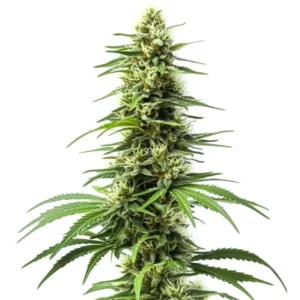
Research into how plants absorb arsenic has shown that certain strains may be more susceptible than others. For example, strains like GG4 from Blimburn Seeds have been studied for their uptake rates. Selecting strains with lower uptake can be a proactive step in managing contamination.
Recent arsenic uptake in cannabis plants research has focused on genetic markers that influence metal absorption. Identifying these markers could lead to breeding programs that produce strains with reduced arsenic uptake, offering a long-term solution to contamination issues.
Furthermore, knowing the function of mycorrhizal fungi in assisting nutrient uptake can aid in developing strategies to reduce arsenic in cannabis cultivation. These fungi form symbiotic relationships with the plant roots, potentially altering the uptake dynamics of arsenic and other heavy metals.
Impact of Arsenic on Cannabis Product Safety
The impact of arsenic on cannabis product safety cannot be overstated. Even trace amounts of arsenic can pose health risks to consumers, particularly when cannabis is used medicinally. This makes regular testing and monitoring a non-negotiable part of the cultivation process.
Arsenic contamination in cannabis affects not just the plant but also the derived products such as oils and edibles. When cannabis is processed, any arsenic present can become concentrated, increasing the potential for harm. Therefore, ensuring the initial plant material is clean is crucial.
Beyond health concerns, arsenic contamination can affect the marketability of cannabis products. Consumers are increasingly aware of product safety, and companies must prioritize transparency and rigorous testing to maintain consumer trust and regulatory compliance.
Implementing robust strategies to reduce arsenic in cannabis cultivation can enhance product safety and quality. This includes integrating advanced filtration systems for water and adopting organic farming practices that improve soil health, ultimately reducing the risk of contamination.
Promos & Deals
Strategies to Control Arsenic Contamination
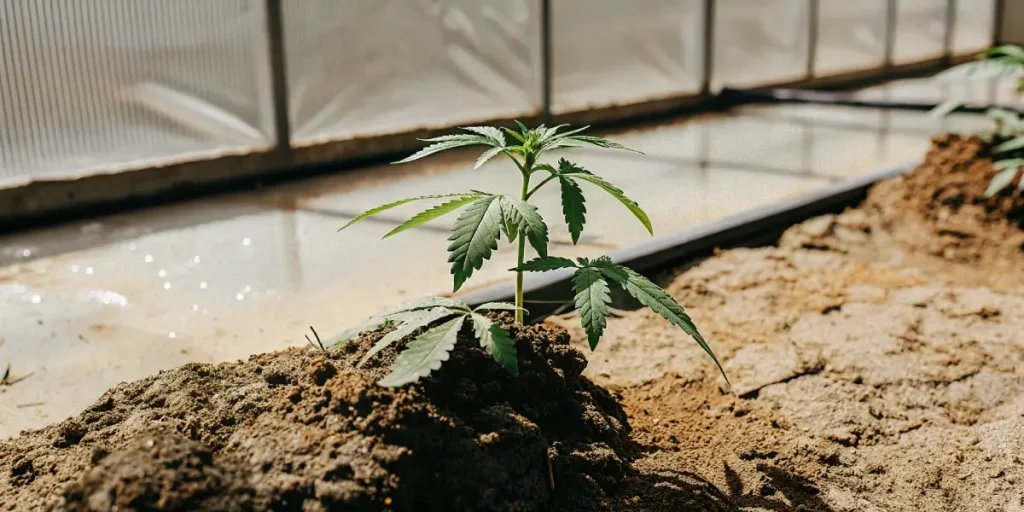
Controlling arsenic contamination begins with soil management. Using clean, certified soil and regularly testing it can prevent arsenic from entering the growing cycle. Soil amendments that bind arsenic, preventing its uptake, are also effective.
Hydroponic systems offer another layer of control. By growing cannabis in a water-based, nutrient-rich solution, growers can eliminate soil-related risks entirely. This method, while requiring an initial investment, provides precise control over nutrient and contaminant levels.
Incorporating organic matter into soil can significantly enhance its ability to immobilize arsenic, thereby preventing its uptake by cannabis plants. Compost and well-rotted manure are excellent choices for improving soil structure and fertility while reducing arsenic mobility.
Another innovative approach involves the use of biochar, a form of charcoal used to improve soil. Biochar has been shown to sequester heavy metals, including arsenic, and improve soil health, making it a valuable tool in cannabis heavy metal contamination prevention methods.
Prevention Methods for Heavy Metal Contamination
Prevention is better than cure when it comes to cannabis heavy metal contamination. Implementing strict quality control measures throughout the cultivation process is essential. This includes testing not just soil and water but also the final product.
Strategies such as crop rotation and cover cropping can improve soil health and reduce arsenic uptake. These agricultural practices enhance the microbial activity in the soil, which can naturally degrade arsenic and other contaminants.
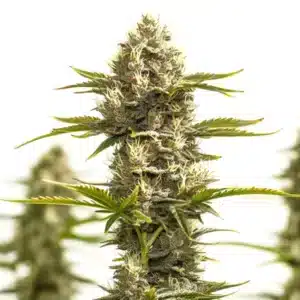
Utilizing strains like OG Kush from Blimburn Seeds, which are bred for robustness and lower absorption rates, can also be part of a comprehensive prevention plan. Selecting the right strains is a simple yet effective method to minimize risks.
Moreover, implementing physical barriers such as geotextiles can limit root penetration into contaminated soil layers, effectively reducing the risk of arsenic absorption. These barriers are particularly useful in areas with known soil contamination issues.
FAQs about arsenic contamination in cannabis: causes and control
What are the common sources of arsenic contamination in cannabis soil?
Arsenic contamination in cannabis soil sources primarily from natural deposits in the earth. Certain regions have higher concentrations of arsenic due to geological formations. Additionally, industrial pollution and the use of arsenic-based pesticides in past agricultural practices can contribute to soil contamination.
Growers should conduct thorough soil testing before cultivation begins. This testing will identify any underlying contamination issues, allowing for informed decisions about soil amendments or alternative growing methods like hydroponics to be made.
Another potential source is contaminated compost or mulch, which can introduce arsenic into the soil if derived from materials exposed to industrial pollutants. Sourcing certified organic amendments can mitigate this risk and ensure a cleaner growing medium.
Additionally, erosion and water runoff from nearby contaminated areas can introduce arsenic into otherwise clean soils. Implementing effective water management practices, such as well-designed drainage systems, can help prevent this form of contamination.
How does arsenic impact cannabis plant health?
Arsenic can severely impact cannabis plant health, leading to stunted growth and reduced yields. This is because arsenic interferes with essential nutrient uptake, causing deficiencies that weaken the plant. Over time, this can lead to more significant issues, including increased susceptibility to diseases.
Monitoring plant health regularly and adjusting cultivation practices accordingly is important. Techniques such as adjusting pH levels and using chelating agents can help manage arsenic uptake, ensuring healthier plants and better yields.
Additionally, arsenic stress can lead to physiological changes in cannabis plants, such as chlorosis and necrosis of leaves, further compromising their growth and productivity. Knowing these symptoms can aid growers in early detection and intervention.
Implementing strategies that bolster plant resilience, such as optimizing nutrient balance and enhancing soil microbiome health, can mitigate the impact of arsenic on plant vitality. Encouraging beneficial microbes in the soil can play a crucial role in protecting plants from heavy metal stress.
What prevention methods can growers use against heavy metal contamination?
Prevention methods for cannabis heavy metal contamination include regular testing and monitoring of soil and water sources. Implementing physical barriers to restrict root contact with contaminated soil layers can also be effective.
Incorporating organic matter and using biochar can improve soil structure and reduce heavy metal mobility. These methods, combined with selecting low-uptake cannabis strains, create a robust defense against contamination.
Employing advanced filtration systems for irrigation water can further safeguard against heavy metal introduction, ensuring that water sources remain uncontaminated throughout the growing process.
Growers should also consider establishing buffer zones around their cultivation sites to prevent contamination from neighboring lands. These zones can act as protective barriers, reducing the risk of cross-contamination from external sources.
Can certain cannabis strains resist arsenic uptake better than others?
Yes, some cannabis strains are more resistant to arsenic uptake. These strains are bred for their ability to thrive in less-than-ideal conditions, reducing the risk of contamination. Selecting strains like those offered by Blimburn Seeds can be an effective strategy in managing arsenic levels.
Research into cannabis genetics continues to expand, offering growers more options in terms of strains that naturally resist heavy metal uptake. This genetic diversity is an asset in combating contamination challenges.
Genetic studies have identified specific traits associated with lower metal uptake, providing valuable insights for breeding programs aimed at developing resilient strains. These advances hold promise for creating cannabis varieties tailored to particular growing environments with high contamination risks.
By selecting strains with a proven track record of low arsenic absorption, growers can significantly reduce the likelihood of contamination, ensuring the production of safe and high-quality cannabis products.
How can growers ensure their cannabis products are safe from arsenic contamination?
Ensuring cannabis products are safe from arsenic contamination involves a multi-faceted approach. This includes starting with clean soil and water, regularly testing plants during the growing cycle, and choosing low-uptake strains.
After harvest, testing the final product is crucial. This ensures that any potential contamination is caught before the product reaches consumers. Transparency with testing results builds trust and maintains high safety standards in the cannabis industry.
Implementing a comprehensive quality assurance program can further enhance product safety. This includes training staff in best practices for contamination prevention and establishing protocols for addressing any identified contamination issues.
Collaborating with third-party laboratories for independent testing can also provide an unbiased assessment of product safety, reinforcing consumer confidence and aligning with industry regulations for arsenic contamination in cannabis: causes and control.