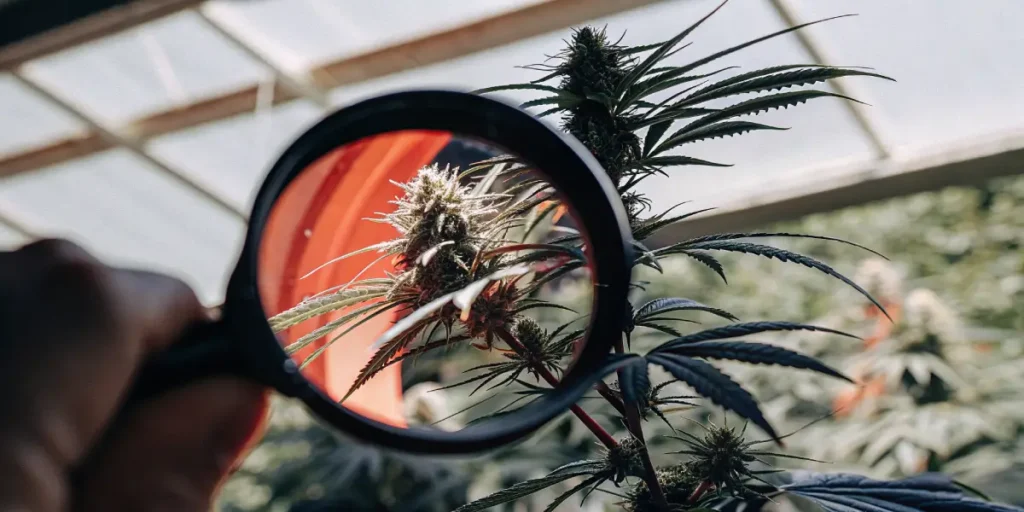
Proven Ways: How to Diagnose Low Brix in Cannabis Plants

How to Diagnose Low Brix in Cannabis Plants is crucial knowledge for achieving healthy and potent crops. The Brix level, which measures the sugar content in plant sap, is a direct indicator of plant health. Low Brix can signal underlying issues that need addressing. First-time cannabis seed buyers and seasoned growers alike can benefit from knowing Brix readings for cannabis health assessment to improve their yields.
Identifying nutrient deficiencies in cannabis using Brix is a practical approach. High Brix levels often reflect optimal nutrient uptake, while low levels can indicate poor nutrition or other stressors. By monitoring Brix levels, growers can troubleshoot low Brix in cannabis growing conditions and make informed decisions to enhance plant health.
Recommended Strains

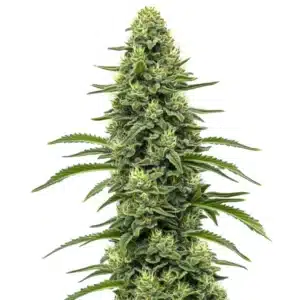
GG4

|
THC | 27% (High) |

|
Type | Feminized |

|
Yield | High |

|
Phenotype | 40% Indica / 60% Sativa |

Blue Dream
|
|
THC | 17% - 24% (Medium) |
|
|
Type | Feminized |
|
|
Yield | High |
|
|
Phenotype | 50% Indica / 50% Sativa |
Real-life examples of successful cannabis cultivation often involve regular Brix monitoring. For instance, growers of Blimburn Seeds’ strains like GG4 notice improved resin production when maintaining optimal Brix levels. This practice isn’t just for experts; even beginners can leverage Brix readings to transform their growing experience.
Why Brix Levels Matter in Cannabis Cultivation
How to Diagnose Low Brix in Cannabis Plants is essential knowledge for growers aiming to improve plant health through Brix level monitoring. Brix levels indicate sugar content, which correlates with plant vigor and resistance. A higher Brix level means more sugars, translating to a healthier plant. This is why it’s essential to pay attention to Brix levels throughout the cannabis growth cycle.
Low Brix levels can be a red flag indicating stress in your cannabis plants. Stress can result from inadequate nutrients, pests, or environmental factors. For example, a grower cultivating Blue Dream from Blimburn Seeds might observe a dip in Brix levels during a heatwave, suggesting that the plants are under stress and need prompt action.
Knowing Brix readings for cannabis health assessment goes beyond just monitoring sugar levels. It involves a holistic approach to plant care, where each reading provides insight into the plant’s current state. Experienced growers often use Brix levels to predict potential problems, such as nutrient lockout or impending pest attacks, allowing them to take preventive measures.
Moreover, keeping track of Brix levels can aid in fine-tuning the nutritional regimen of cannabis plants. By correlating Brix readings with growth phases and environmental changes, growers can identify patterns that lead to optimal plant health. This proactive approach not only enhances yields but also ensures the production of high-quality cannabis with rich flavors and potent effects.
Promos & Deals



Tools and Techniques for Measuring Brix Levels
How to Diagnose Low Brix in Cannabis Plants often starts with using the right tools. The most common tool for measuring Brix is a refractometer. This device is simple to use and provides immediate readings of your plant’s sugar levels. To use it, place a drop of plant sap on the refractometer’s glass and look through the eyepiece to read the Brix level. This non-invasive method allows for regular monitoring without harming your plants.
Another technique involves using a hydrometer, which measures the density of liquids. While less common for Brix measurement in plants, some growers find it useful for double-checking their refractometer readings. Consistent monitoring helps in diagnosing low Brix levels in cannabis cultivation effectively.
To get the most accurate readings, it is crucial to use clean and calibrated equipment. Regularly calibrating your refractometer ensures that your Brix readings are precise, allowing for reliable assessment of plant health. Many growers also keep a log of their readings to track changes over time and correlate them with external factors like nutrient adjustments and environmental conditions.
Besides to using refractometers and hydrometers, some advanced growers may incorporate digital sensors that can continuously monitor Brix levels. These sensors offer real-time data, enabling growers to make immediate adjustments to their cultivation practices. This technology, while still emerging, represents the future of precision agriculture in cannabis cultivation.
Common Causes of Low Brix in Cannabis Plants
How to Diagnose Low Brix in Cannabis Plants often starts with understanding that nutrient deficiencies are a primary cause of low Brix levels. Cannabis plants require a balanced mix of macro and micronutrients for optimal growth. If any nutrient is lacking, Brix levels can drop, indicating a problem. For example, insufficient nitrogen or phosphorus can lead to low Brix readings, signaling the need for nutrient adjustments.
Environmental conditions also play a crucial role. Factors like temperature, humidity, and light exposure can influence Brix levels. Cannabis plants stressed by extreme temperatures or inadequate light may show reduced Brix levels, reflecting their struggle to produce sugars efficiently.
Besides to nutrients and environment, water quality can significantly affect Brix levels. Poor water quality, often containing high levels of dissolved salts or an imbalanced pH, can hinder nutrient uptake and stress plants, leading to reduced Brix levels. Ensuring that your water source is clean and properly balanced is essential for maintaining healthy Brix levels in cannabis.
Genetic factors can also influence Brix levels. Some cannabis strains naturally produce higher or lower sugar concentrations due to their genetic makeup. When selecting strains from Blimburn Seeds or any other seed company, consider those known for robust growth and high Brix levels to increase your chances of a successful harvest.
Steps to Correct Low Brix Levels
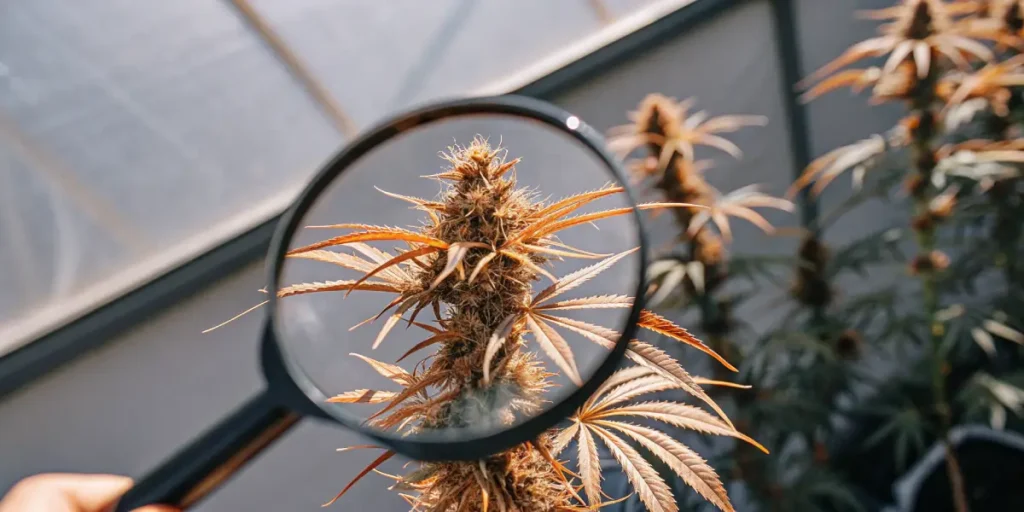
Once low Brix levels are identified, it’s important to take corrective steps promptly. Begin by assessing nutrient levels and adjusting your feeding schedule as necessary. Ensure that your cannabis plants receive a balanced diet of essential nutrients.
Improving environmental conditions is another crucial step. Ensure your grow room or outdoor setup maintains optimal temperature and humidity levels. Adjust lighting if necessary to provide adequate exposure for photosynthesis and sugar production.
Incorporating organic matter into the soil can enhance nutrient uptake and improve Brix levels. Organic amendments, such as compost or worm castings, can boost microbial activity in the soil, aiding in nutrient availability and absorption. This natural approach not only corrects low Brix levels but also promotes sustainable growing practices.
Regularly testing and adjusting the pH levels of your growing medium is essential for optimizing nutrient absorption. Cannabis plants thrive in a slightly acidic to neutral pH range, and maintaining this balance can prevent nutrient lockout, a common cause of low Brix levels. Proper pH management is a cornerstone of effective cannabis cultivation.
FAQs about How to Diagnose Low Brix in Cannabis Plants
What are Brix levels, and why are they important for cannabis plants?
Brix levels measure the sugar content in the sap of plants. In cannabis cultivation, higher Brix levels are associated with healthier, more robust plants. Monitoring these levels can provide insights into the overall health of your plants and help identify issues before they become significant problems.
Knowing Brix levels helps growers optimize their cultivation practices. By maintaining high Brix levels, growers can improve plant health, increase resistance to pests and diseases, and enhance the quality of their harvest. It’s a simple yet powerful tool for any cannabis cultivator.
Brix levels are not just an indicator of sugar content but also reflect the plant’s overall metabolic health. High Brix levels often correlate with increased terpene and cannabinoid production, leading to more aromatic and potent cannabis. Thus, monitoring Brix can be a strategic tool for improving the sensory and therapeutic qualities of your harvest.
Additionally, growers who consistently check Brix levels can better anticipate and manage the effects of environmental stressors. Whether it’s a sudden change in weather or an unexpected pest outbreak, being proactive through Brix monitoring can mitigate potential damages and ensure a successful growing season.
How can I measure Brix levels in my cannabis plants?
Measuring Brix levels is straightforward with a refractometer. This tool allows you to take a drop of your plant’s sap and instantly read the sugar content. Regular use of a refractometer can help you track changes in Brix levels and address any issues in a timely manner.
Besides to a refractometer, some growers use hydrometers for cross-verification. Consistent monitoring is key. By maintaining a regular schedule, you can ensure your plants are always at their healthiest, optimizing your cultivation efforts.
For best results, consider measuring Brix levels at the same time of day and under similar conditions to minimize variability. External factors such as time of day and plant hydration status can influence readings, so consistency is crucial for accurate comparisons over time.
Some growers also experiment with foliar sprays that claim to increase Brix levels. While these products might offer temporary boosts, it is essential to address the root causes of low Brix, such as nutrient deficiencies or environmental stress, for sustainable improvement in plant health.
What should I do if I discover low Brix levels?
First, examine your nutrient regimen. Ensure your plants receive a balanced mix of nutrients, as deficiencies can lead to low Brix levels. Adjust your feeding schedule to correct any imbalances and monitor the effects closely.
Check your growing conditions. Ensure your environment supports optimal growth, with correct temperature, humidity, and light exposure. Addressing these factors can significantly improve Brix levels and overall plant health.
Increasing the frequency of Brix measurements can help you better understand the immediate impacts of any changes you make. By closely observing how Brix levels respond to adjustments in nutrients or environment, you can fine-tune your approach for maximum efficacy.
Engage with the cannabis growing community, especially those familiar with diagnosing low Brix levels in cannabis cultivation. Online forums and local grower groups can provide valuable insights and share successful strategies for improving Brix and overall plant health.
Can Brix levels indicate nutrient deficiencies in cannabis?
Yes, Brix levels can be an indicator of nutrient deficiencies. Low Brix often suggests that plants are not receiving the nutrients they need, or they are unable to absorb them effectively. This can be due to poor soil quality, incorrect pH levels, or other environmental stressors.
By monitoring Brix levels, growers can identify and address nutrient deficiencies before they affect plant health. This proactive approach ensures that cannabis plants remain vigorous and productive throughout their growth cycle.
In practice, identifying nutrient deficiencies in cannabis using Brix involves correlating low readings with visible signs of deficiency. For instance, yellowing leaves paired with low Brix levels might signal a nitrogen deficiency, prompting immediate corrective action.
For those cultivating multiple cannabis strains, such as those from Blimburn Seeds, recognizing how different genetics respond to nutrient regimens through Brix monitoring can be especially beneficial. Tailoring nutrient plans to specific strains can optimize plant health and yield.
How do environmental factors affect Brix levels in cannabis plants?
Environmental factors such as temperature, light, and humidity directly impact Brix levels. Extreme temperatures can stress plants, reducing their ability to produce sugars and lowering Brix levels. Similarly, inadequate light can limit photosynthesis, which is essential for sugar production.
Maintaining optimal environmental conditions is crucial for healthy Brix levels. Regular monitoring and adjustments can help ensure that your cannabis plants thrive, resulting in better yields and higher quality harvests.
Sudden changes in environmental conditions, such as a drop in temperature or an increase in humidity, can lead to stress responses in cannabis plants, impacting their Brix levels. To mitigate these effects, consider using environmental control systems like automated fans or humidifiers to maintain stability.
In outdoor settings, selecting the right planting site is vital for optimizing environmental conditions. Choose locations that provide adequate sunlight while offering protection from harsh weather. This foresight can lead to consistently high Brix levels throughout the growing season.