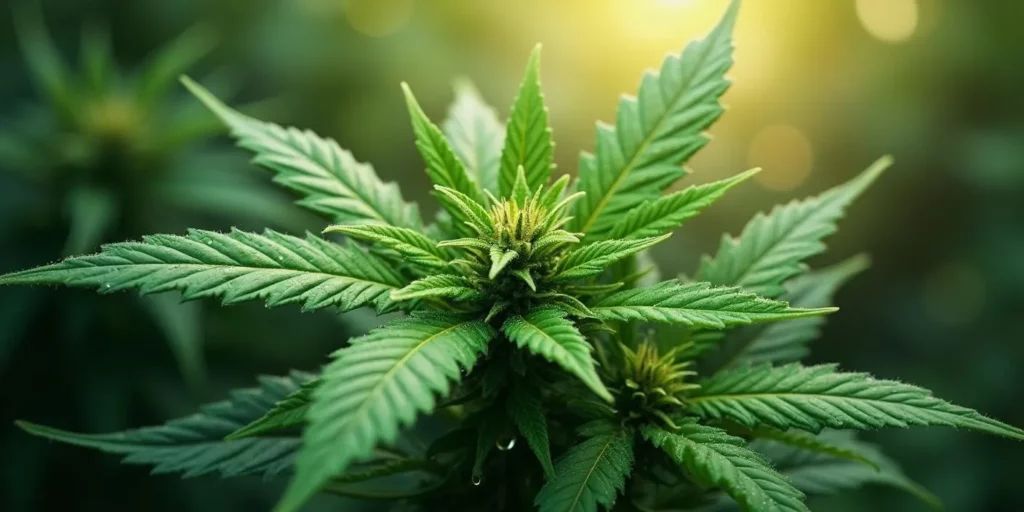
3 Leaf Cannabis Plant: Why It Happens and What to Do

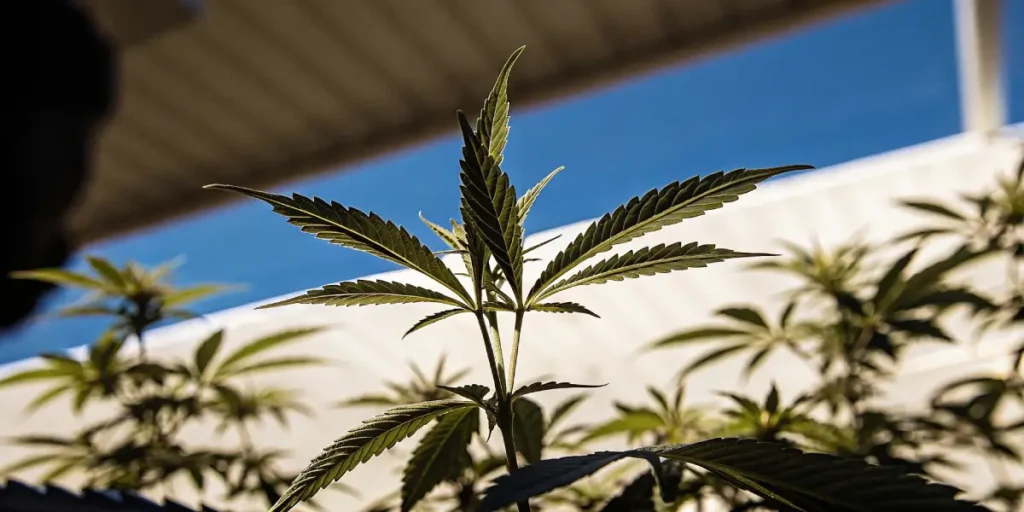
If your cannabis plant is showing leaves with only three fingers instead of the usual five or seven, the first thing to know is that this is usually normal. Young seedlings almost always start with single, then three-finger leaves before they fill out to five and seven as they mature. On an established plant, a return to three-finger leaves is most often a sign of stress or re-vegetation, not a special trait.
So a three-finger leaf is a stage or a signal, not a strain type. It does not, on its own, change a plant’s terpene profile or flowering time. What matters is reading it correctly: is this a young plant developing normally, or a mature plant telling you something is off? This guide walks through both.
Recommended Strains
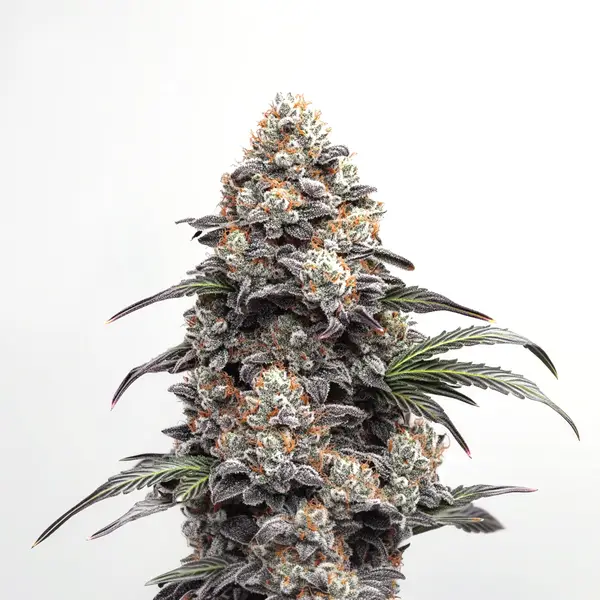


What Does a 3 Leaf Cannabis Plant Mean?
A three-finger leaf simply has three leaflets instead of the common five or seven. In seedlings and early veg this is the normal order of development and nothing to worry about. Later in life, it usually points to an environmental cause, temperature swings, light stress or a nutrient issue, rather than a fixed genetic trait.
Fewer leaflets means slightly less leaf area for photosynthesis, so a plant stuck with three-finger leaves may grow a little slower. In a young plant this corrects itself; in an older one, it is worth checking the environment. Either way, the fix is good basic care, not special treatment.
Promos & Deals
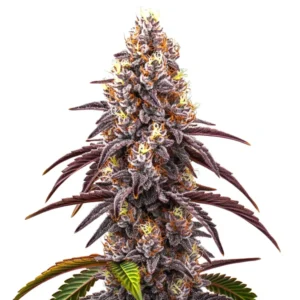
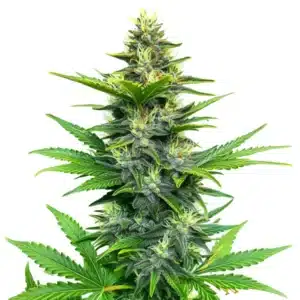
What Causes Three-Finger Leaves
There are two main causes. The first is simply age: every plant goes through a three-finger stage early on. The second is stress, inconsistent light cycles, nutrient imbalances or temperature extremes, which can push even a mature plant to throw simpler leaves. Genetics plays a minor role; environment is almost always the bigger factor.
In practice, that means two things. Keep a consistent 18/6 light schedule in veg, since erratic light is a common stressor. And hold temperature in the 68-77F (20-25C) range with a balanced N:P:K (around 3:1:2 in veg), because temperature extremes and nutrient imbalances are frequent triggers of odd leaf growth.
How to Care for an Affected Plant
Care comes down to reading the plant and keeping things steady. Watch leaf color and texture for clues: yellowing lower leaves usually mean a nitrogen shortage, while dark, clawing leaves suggest too much. Correct the imbalance, hold your environment stable, and a healthy plant will go back to full five and seven-finger leaves on its own.
With a three-leaf or otherwise odd-leaved plant specifically, the best medicine is often patience: it is usually a young-plant or mild-stress phase that corrects itself as the plant matures and conditions stabilize. Keep light, water and feeding steady and resist the urge to over-intervene. Only worry if the unusual growth comes with clear signs of disease, pests or deficiency.
Light and Environment
Light is the easiest lever to get right. A steady 18/6 cycle in veg keeps plants calm and prevents stress-driven leaf changes, and a good full-spectrum LED supports strong, even photosynthesis. Consistency matters more than intensity here.
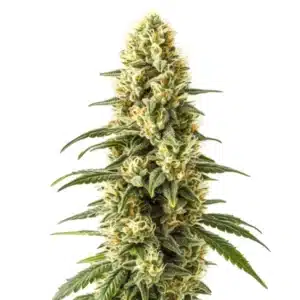
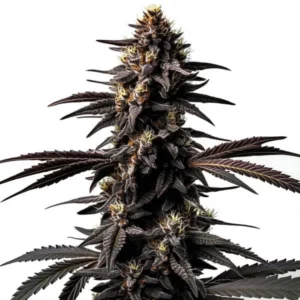
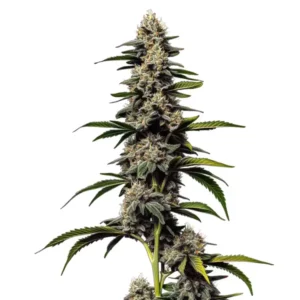
Environment matters just as much: aim for 68-77F (20-25C) and 50-60% humidity to support healthy growth and keep mold and pests at bay. If you are starting a new grow, these are a few popular, resilient strains to consider:
| Strain | THC | Dominant terpene | Flowering | Flavor |
|---|---|---|---|---|
| Grape Ape Auto | 22-25% | Myrcene | 8-9 weeks | Fruity, grape |
| Banana Kush | 24-27% | Limonene | 9-10 weeks | Sweet, banana |
| Gelato | 20-24% | Caryophyllene | 8-9 weeks | Creamy, berry |
Terpenes, Flavor and Effects
A plant’s flavor and effect come from its terpenes, not from how many leaflets its leaves have. Terpenes like myrcene, limonene and caryophyllene shape aroma and flavor and influence the character of the high. Knowing a strain’s dominant terpene helps you predict the kind of experience to expect.
Myrcene gives an earthy, musky note and is popularly linked to a more relaxing, sedative feel, though the idea that it boosts THC absorption is widely repeated rather than firmly proven. Limonene brings bright citrus and a mood lift, while caryophyllene adds a peppery note and is well documented for binding to CB2 receptors.
Strain Examples
Different strains deliver very different experiences. Banana Kush offers sweet, fruity flavors with a relaxing high, while Gelato brings a creamy, berry taste and balanced euphoria. Choosing a strain whose terpene and effect profile matches what you want is far more useful than chasing a particular leaf shape.
One thing to keep in mind is that leaflet count is not a strain trait, so a three-leaf quirk can show up in any genetics rather than defining a particular strain. The examples here are simply popular, enjoyable varieties; an occasional odd leaf is a developmental hiccup, not a feature of the strain you chose.
Professional Tips
- Hold 68-77F (20-25C) through growth; temperature swings are a common trigger for odd leaf patterns.
- Feed a balanced N:P:K (around 3:1:2 in veg) to avoid the deficiencies that stress young plants.
- Keep a steady 18/6 light schedule in veg. Erratic light is one of the quickest ways to stress a plant.
- Use gentle organic inputs like compost tea to support soil life and a smooth nutrient supply.
- Inspect regularly for pests and disease; early, light intervention keeps small problems small.
- Above all, be patient with young plants: single and three-finger leaves early on are completely normal.
FAQs about 3 Leaf Cannabis Plants
Why does my cannabis plant only have 3 leaves?
Most often it is completely normal. Seedlings and young plants naturally grow single and three-finger leaves before filling out to five and seven. If a mature plant suddenly reverts to three-finger leaves, it usually points to stress, inconsistent light, temperature swings or a nutrient issue, which steady conditions will correct.
What fertilizer makes buds bigger?
During flowering, a phosphorus- and potassium-heavy feed (for example an N:P:K around 1:3:2) supports bigger, denser buds. Match the dose to the plant’s stage and avoid overfeeding, which causes nutrient burn. Healthy roots and stable conditions matter just as much as the fertilizer itself.
Does ruderalis make you high?
On its own, not really. Pure ruderalis is low in THC, often under 3%, so it has minimal psychoactive effect. Its real value is genetic: it carries the autoflowering trait, which breeders cross into high-THC strains to create potent autoflowers that finish fast without a light-schedule change.
Will a 3-finger leaf plant still produce good buds?
Yes, especially if the three-finger leaves were just early growth. Once the plant matures and conditions are stable, it develops normal leaves and buds normally. If stress caused the reversion, fix the cause and it usually recovers. Persistent stress, like the kind that causes a hermie, is the bigger threat to your harvest.
How do you identify a 3 leaf sativa?
Look at the leaflets and overall shape. Sativas have narrow, slender fingers and grow tall and lanky, so a young sativa with three-finger leaves will still show those thin leaflets. As it matures it adds more fingers, but the narrow shape stays, which is the real sativa tell.