Proven Ways: How Humidity and Temperature Cause Cannabis Microbial Growth

Cannabis growers, whether you’re just starting or have been cultivating for years, knowing how humidity and temperature cause cannabis microbial growth is crucial. Microbial growth, including molds, can affect the quality and safety of your cannabis. This is why managing these environmental factors is essential for a successful harvest.
Humidity and temperature are interconnected. When the air is too humid, it creates a breeding ground for mold and other microbes. On the other hand, if the temperature is too high or too low, it can either foster unwanted organisms or stress the plants, making them more susceptible to infection.
Recommended Strains


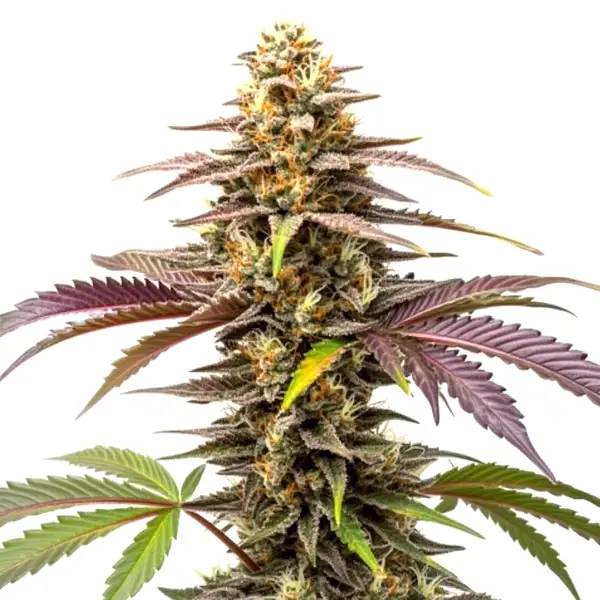
It’s important to recognize that different stages of cannabis growth demand different levels of humidity and temperature. For instance, seedlings thrive in more humid conditions, while flowering plants need a drier environment to prevent mold. Knowing these nuances helps in controlling the environment effectively.
Impact of Humidity on Cannabis Microbial Contamination
Humidity is the amount of moisture in the air. When it comes to cannabis cultivation, maintaining the optimal humidity temperature for cannabis mold prevention is key. High humidity levels, especially above 60%, can lead to an increased risk of mold and mildew. These microorganisms thrive in moist environments, and if left unchecked, they can ruin entire crops.
For instance, during the flowering stage, it’s advisable to keep humidity levels between 40-50%. This range reduces the likelihood of mold formation. One practical method to manage humidity is using a dehumidifier, especially in areas where natural ventilation is not feasible. Additionally, placing fans strategically can help circulate air, reducing stagnant, humid spots.
It’s not just about reducing humidity; knowing its effects is equally important. High humidity can lead to waterlogging, which stresses the plants and makes them more vulnerable to pathogens. This is why growers should regularly inspect their plants for signs of overhydration, such as yellowing leaves or slowed growth.
Moreover, humidity influences the development of beneficial microbes in the soil. While excessive moisture can encourage harmful pathogens, a balanced humidity level supports the growth of beneficial bacteria and fungi that can help protect cannabis plants from disease. Striking this balance is key to achieving a healthy crop.
Relationship Between Cannabis Microbial Growth and Climate Conditions
Climate conditions play a significant role in how humidity and temperature cause cannabis microbial growth. In regions with high natural humidity, growers may face more challenges in controlling microbial contamination. Conversely, in drier climates, the risk is lower but not absent, especially if irrigation practices are not managed properly.
For growers in humid areas, investing in quality equipment like hygrometers to monitor humidity levels can make a difference. Additionally, choosing strains that are resistant to mold can be beneficial. For instance, Blimburn Seeds offers strains like “Z OG” which is known for its resilience against mold.
The relationship between cannabis microbial growth and climate conditions is complex, necessitating a tailored approach for each growing environment. Coastal areas, for example, often experience fluctuating humidity levels that can challenge even seasoned growers. Here, advanced climate control systems can help stabilize conditions.
On the other hand, desert climates present their own set of challenges, primarily due to extreme temperature swings between day and night. These fluctuations can cause stress, making plants more susceptible to microbial infection. Implementing shading and mulching practices can help moderate these temperature shifts.
Promos & Deals
Controlling Temperature to Reduce Cannabis Microbial Growth
Temperature control is as crucial as humidity management in preventing the growth of microbes. Cannabis plants thrive in temperatures ranging between 68-77°F (20-25°C). Deviations from this range can stress plants, making them more vulnerable to microbial attacks.
High temperatures can exacerbate humidity problems by increasing evaporation rates, while low temperatures can slow down plant metabolism, leading to moisture retention in the soil. Both scenarios can promote microbial growth if not addressed. Using temperature control systems such as air conditioning or heaters can help maintain the desired range.
Controlling temperature to reduce cannabis microbial growth requires consistent monitoring and adjustment. Sudden temperature spikes can lead to increased transpiration in plants, causing them to draw up more water from the soil and potentially creating a humid microenvironment around the roots.
Furthermore, maintaining a stable temperature is crucial during the flowering stage when plants are most vulnerable to microbial threats. Temperature fluctuations can disrupt the delicate balance needed for optimal bud development, leading to compromised yields and quality.
Cannabis Storage Conditions: Humidity and Temperature Impact
Once harvested, cannabis must be stored under optimal conditions to prevent microbial growth. Improper storage conditions can degrade quality and potency, making it essential to understand how humidity and temperature impact storage.
The recommended storage conditions for cannabis include a temperature of around 60-70°F and relative humidity of 59-63%. These conditions minimize the risk of mold and preserve the plant’s terpenes and cannabinoids. Using airtight containers can help maintain these conditions by limiting exposure to air and moisture.
Cannabis storage conditions, including humidity and temperature impact, are vital for long-term preservation. Storing cannabis in a dark environment also helps reduce the risk of degradation, as light exposure can break down cannabinoids and terpenes.
Additionally, the use of humidity control packs can maintain the ideal environment within storage containers, ensuring that the cannabis remains fresh and potent. This practice is particularly beneficial for strains like Blimburn Seeds “GG4,” which require careful handling to retain their potent effects.
Effects of Humidity on Cannabis Microbial Contamination
Humidity does not only affect the plant during the growing phase; it also plays a role post-harvest. High humidity levels during drying and curing can lead to microbial contamination. This is why maintaining proper drying conditions is essential for preserving the quality of cannabis.
During the drying process, maintaining a humidity level of around 45-55% is recommended. This moisture level helps prevent mold development while allowing the cannabis to dry evenly. Using a hygrometer can ensure these levels are consistently maintained.
The effects of humidity on cannabis microbial contamination are particularly pronounced during the curing phase. If the buds are not properly dried before curing, residual moisture can lead to mold growth within jars or other storage containers.
To combat these risks, growers should “burp” jars regularly during curing to release excess moisture and gases. This practice helps maintain an optimal environment within the container and reduces the likelihood of microbial contamination.
FAQs about how humidity and temperature cause cannabis microbial growth
What is the optimal humidity temperature for cannabis mold prevention?
The optimal humidity temperature for cannabis mold prevention varies depending on the growth stage. During the vegetative stage, humidity levels of 40-70% are suitable. However, during the flowering stage, it’s best to keep humidity between 40-50% to minimize mold risk.
Maintaining a consistent temperature of 68-77°F (20-25°C) complements these humidity levels, providing a stable environment that reduces the likelihood of mold. Always use reliable tools like hygrometers and thermostats to monitor these conditions.
Knowing how humidity and temperature cause cannabis microbial growth is crucial for achieving the optimal humidity temperature for cannabis mold prevention. These parameters are not just numbers; they are critical factors that determine the success of your harvest.
By investing in advanced climate control technologies and regularly calibrating your monitoring equipment, you can maintain these optimal conditions, ultimately ensuring a healthy and productive growing environment.
How can I control temperature to reduce cannabis microbial growth?
Controlling temperature to reduce cannabis microbial growth involves using environmental controls like air conditioners and heaters. These tools help maintain the ideal temperature range of 68-77°F (20-25°C), which discourages microbial proliferation.
Additionally, ensuring proper air circulation with fans can help distribute temperature evenly, preventing hot or cold spots where microbes might thrive. Regularly checking and adjusting your setup based on environmental changes is also beneficial.
One effective way to control temperature is to automate your climate control systems. Using smart thermostats and sensors can provide real-time data and adjustments, ensuring that your grow space remains within the ideal temperature range at all times.
Moreover, insulating your grow space can help maintain stable temperatures by minimizing the impact of external weather fluctuations. This approach is particularly useful in areas with extreme climates, where temperature swings can be severe.
How do climate conditions affect cannabis microbial growth?
Climate conditions significantly affect cannabis microbial growth. In humid climates, the risk of mold increases due to higher moisture levels in the air, making humidity control critical. Conversely, drier climates reduce mold risks but require attention to irrigation practices to prevent creating artificial humidity.
Growers in varying climates should adapt their strategies accordingly. For instance, using dehumidifiers in humid areas or ensuring proper drainage in irrigation setups in drier climates can help manage these risks effectively.
The relationship between cannabis microbial growth and climate conditions is a dynamic one, influenced by factors such as seasonal changes and geographical location. Coastal areas may experience high humidity, while mountainous regions might offer cooler temperatures but with increased rainfall.
To effectively mitigate risks, growers must remain adaptable and informed about local climate patterns. This knowledge can guide decisions on when to plant, how to protect crops from adverse weather, and which strain selections, like those from Blimburn Seeds, are best suited to each unique environment.
What are the effects of humidity on cannabis microbial contamination during storage?
During storage, high humidity can lead to microbial contamination, degrading the quality of cannabis. Maintaining a relative humidity of 59-63% in storage areas helps preserve the plant’s integrity and prevents mold growth.
Using tools like airtight containers and humidity packs can help maintain these levels. Consistently monitoring the storage environment ensures that conditions remain optimal, safeguarding your harvest’s quality over time.
The effects of humidity on cannabis microbial contamination during storage extend to the preservation of cannabinoids and terpenes. High humidity can accelerate the breakdown of these compounds, leading to a loss of potency and flavor.
For long-term storage, consider using vacuum-sealed bags to protect against environmental fluctuations. This method reduces oxygen exposure, further safeguarding against microbial threats and maintaining the cannabis’s desired characteristics.
Why is it important to understand the relationship between cannabis microbial growth and climate conditions?
Knowing the relationship between cannabis microbial growth and climate conditions is vital for preventing crop loss and maintaining quality. Different climates present different challenges, such as increased humidity in coastal regions or extreme temperatures in desert areas.
By tailoring your growing practices to suit your climate, you can effectively manage risks associated with microbial growth. This knowledge helps in choosing appropriate strains, like those offered by Blimburn Seeds, which are bred for resilience in various climates.
Recognizing how humidity and temperature cause cannabis microbial growth allows growers to implement preventative measures that are both proactive and reactive. This approach not only improves yields but also enhances the overall health and resilience of the plants.
Furthermore, knowing local climate conditions can inform infrastructure investments, such as greenhouses or shade houses, which can provide additional layers of protection against adverse weather and microbial threats.