Essential Guide to Soil-Borne Pathogens in Cannabis Cultivation

Soil-borne pathogens in cannabis cultivation can be a sneaky enemy. These microscopic organisms live in the soil and can wreak havoc on your plants, affecting growth and yield. Whether you’re a first-time cannabis seed buyer or a seasoned grower, it’s crucial to know about these threats.
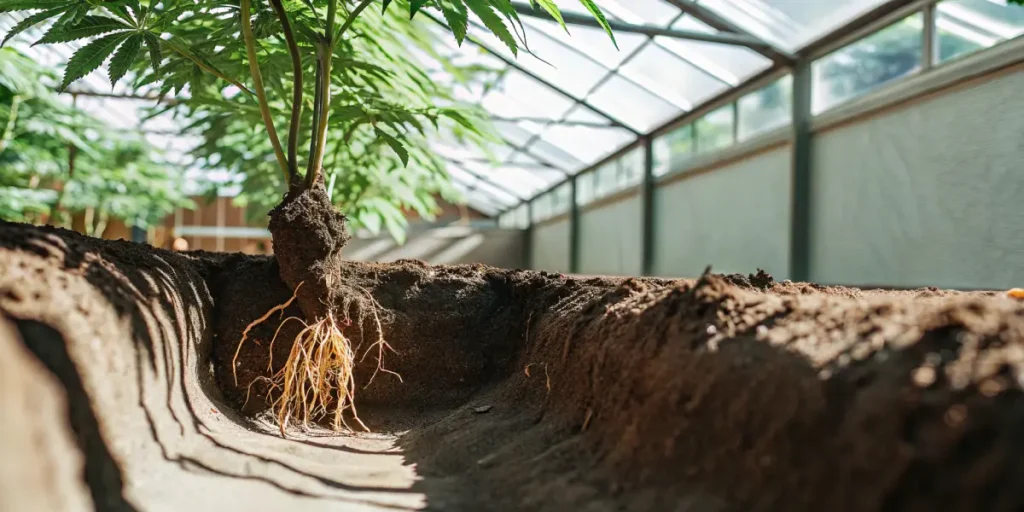
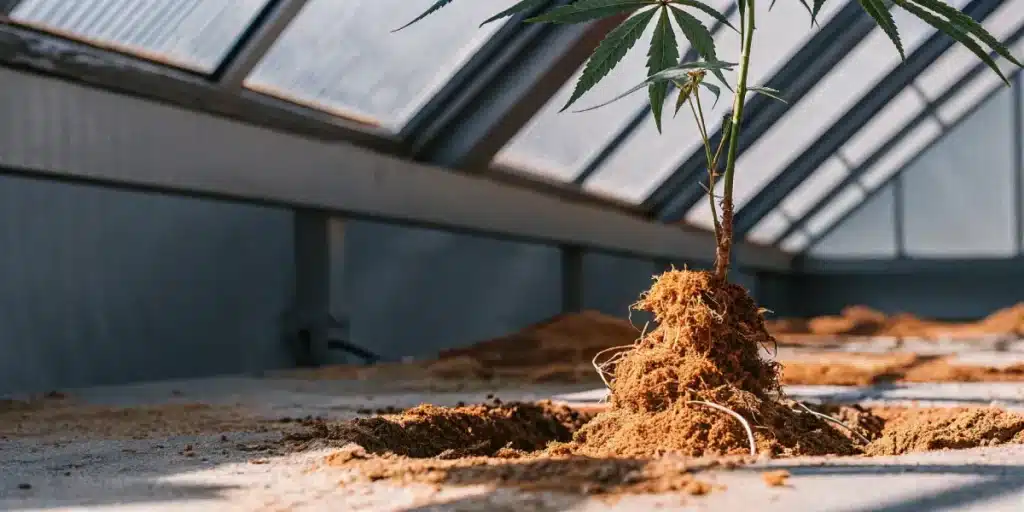
Soil-borne pathogens often lead to root rot, a condition that severely damages cannabis roots. When roots are infected, they can’t absorb water or nutrients effectively, which stunts plant growth. In the worst cases, it can kill your plants. Knowing how to manage these pathogens can save your plants from disaster.
Recommended Strains
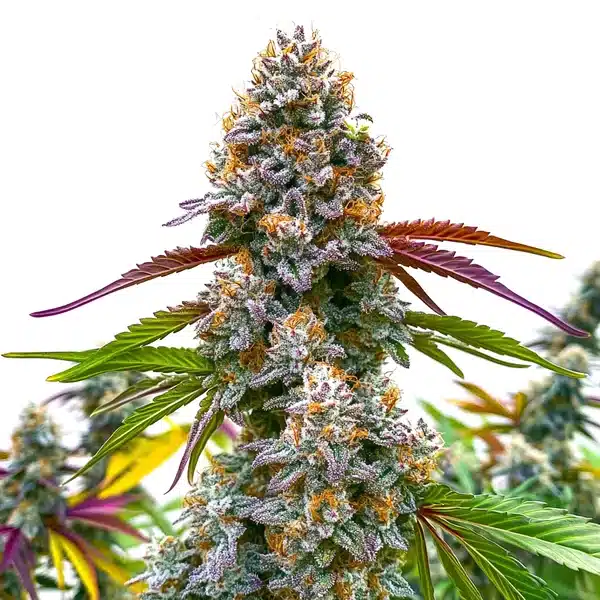
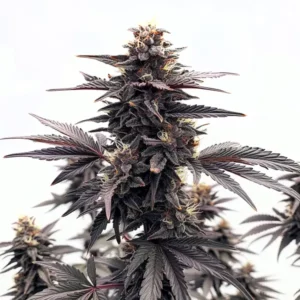
Critical Daddy Purple

|
THC | 19% (Medium) |

|
Type | Feminized |

|
Yield | High |

|
Phenotype | 50% Indica / 50% Sativa |

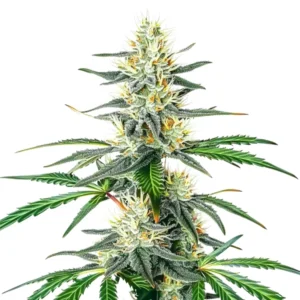
GG4
|
|
THC | 27% (High) |
|
|
Type | Feminized |
|
|
Yield | High |
|
|
Phenotype | 40% Indica / 60% Sativa |
Effective soil-borne pathogen management in cannabis involves several strategies. From monitoring soil conditions to applying organic treatments, there are various ways to protect your crops. Identifying these pathogens early can prevent severe damage and ensure a healthy yield.
Common Soil-Borne Pathogens in Cannabis
Pythium, Fusarium, and Rhizoctonia are some of the most notorious soil-borne pathogens in cannabis cultivation. Each has its own characteristics and ways of infecting plants. Pythium is known for causing damping-off, a disease that affects seedlings. Fusarium, on the other hand, can cause wilting and yellowing of leaves.
Rhizoctonia attacks plant roots, leading to root rot. These pathogens thrive in wet, poorly drained soils. If your cannabis plants are growing in such conditions, they are at risk. Regularly checking your soil and maintaining proper drainage can help prevent these pathogens from taking hold.
Knowing the life cycles of these pathogens is pivotal in managing them. For instance, Pythium spores can persist in soil for long periods, waiting for favorable conditions to attack. Early intervention and consistent monitoring are essential to disrupt their growth cycle and prevent outbreaks.
It’s also important to rotate crops and avoid planting cannabis in the same soil repeatedly. This practice reduces the chance of pathogen build-up. By diversifying the types of plants in your cultivation area, you can naturally reduce the concentration of specific pathogens, thereby minimizing disease risks.
Identifying Soil Pathogens
Cannabis soil pathogen identification methods involve observing plant symptoms and testing soil samples. Look for signs like yellowing leaves, stunted growth, or wilting. If you notice these symptoms, it’s time to test your soil. Simple soil tests can identify the presence of harmful pathogens.
Lab tests can provide a more detailed analysis, helping you understand which pathogen is present. This information is crucial for choosing the right treatment. Remember, early detection is key to preventing widespread damage.
Diagnostic kits available in the market can offer quick results, allowing growers to make timely decisions. These kits are beneficial for on-the-spot testing, giving immediate insights into soil health and pathogen presence. Utilizing such tools is an integral part of effective soil-borne pathogen management in cannabis.
Besides to visual and lab testing, growers can also consider environmental factors that might encourage pathogen growth. High humidity levels, poor ventilation, and excessive watering are common culprits that exacerbate pathogen problems. Addressing these factors can significantly reduce the risk of infection.
Promos & Deals


Impact on Cannabis Yield
The impact of soil pathogens on cannabis yield can be significant. When roots are compromised, plants can’t access the nutrients they need. This leads to poor growth and lower yields. In severe cases, you might lose entire plants, drastically reducing your harvest.
Healthy soil is the foundation of productive cannabis plants. By managing soil-borne pathogens, you ensure your plants grow strong and produce high yields. Investing time in soil health pays off with bountiful cannabis harvests.
Knowing the impact of soil pathogens on cannabis yield underscores the importance of proactive management. Even a slight infestation can lead to a noticeable drop in quality and quantity of your harvest. This is why continuous monitoring and preventive measures are essential components of successful cultivation.
Moreover, soil-borne pathogens in cannabis cultivation can affect the plant’s cannabinoid profile, potentially altering its potency and efficacy. Maintaining optimal soil conditions not only ensures robust plant growth but also preserves the desired characteristics of your cannabis strain.
Preventing Root Rot
Preventing root rot in cannabis plants starts with proper soil management. Ensure your soil drains well and avoid overwatering. Waterlogged soils are breeding grounds for pathogens like Pythium. Using well-aerated pots and soil mixes can improve drainage.
Another strategy is to use resistant cannabis strains. For instance, Blimburn Seeds offers strains that are known for their resilience, such as GG4, Blue Dream, and Critical Daddy Purple. These strains are less likely to succumb to root rot, making them ideal for growers concerned about soil-borne pathogens.
Besides to selecting resistant strains, introducing beneficial microbes can further bolster plant defenses against root rot. These microbes help create a balanced soil ecosystem, suppressing the growth of harmful pathogens. This biological approach is an effective and sustainable way to protect your plants.
Regularly sanitizing gardening tools and equipment can also reduce the spread of soil-borne pathogens. Simple practices like cleaning pots and tools after each use can prevent contamination and help maintain a pathogen-free environment, essential for preventing root rot in cannabis plants.
Organic Treatments for Soil Pathogens
Organic treatments for cannabis soil pathogens include using biological controls and natural fungicides. Beneficial microbes can outcompete harmful pathogens in the soil. Products like mycorrhizal fungi help strengthen plant roots and improve soil health.
Natural fungicides, such as neem oil, can also combat soil-borne pathogens. These treatments are safe for organic cannabis cultivation and can be used throughout the growing season. Consistent treatment ensures your plants stay healthy and productive.
Incorporating compost tea into your soil management routine can enhance soil microbial activity, further aiding in pathogen suppression. This nutrient-rich liquid fertilizer provides beneficial microbes that compete with and reduce pathogen populations, making it a valuable tool in organic treatments for cannabis soil pathogens.
Additionally, integrating crop rotation and cover crops into your cultivation strategy can naturally manage soil health. These practices not only prevent the build-up of specific pathogens but also enhance soil structure and fertility, creating a more resilient environment for cannabis growth.
Implementation of Organic Methods
Implementing organic treatments involves integrating them into your regular plant care routine. For example, apply mycorrhizal fungi when transplanting seedlings to encourage strong root systems from the start. This proactive approach sets a solid foundation for healthy growth.
Neem oil can be applied as a foliar spray or soil drench. Regular applications help prevent fungal infections and keep soil pathogens at bay. These organic treatments are not only effective but also environmentally friendly, making them ideal for sustainable cannabis cultivation.
Creating a schedule for organic treatments ensures consistency and effectiveness. By systematically applying treatments like neem oil or compost tea, you can maintain a healthy balance of soil organisms, vital for combating soil-borne pathogens in cannabis cultivation.
Furthermore, educating yourself and your team about organic practices can improve implementation success. Workshops or training sessions on organic methods can provide insights into the latest techniques, ensuring that everyone involved in the cultivation process is equipped to manage soil health effectively.
FAQs about Soil-Borne Pathogens in Cannabis Cultivation
What are the first signs of soil-borne pathogens in cannabis?
The first signs often include yellowing leaves and stunted growth. These symptoms indicate that the roots might be affected, preventing the plant from absorbing nutrients effectively. It’s important to act quickly if you notice these signs.
Other symptoms include wilting even when the soil is moist, and brown or black roots visible when you inspect the root system. These are clear indicators that soil-borne pathogens might be present, requiring immediate attention.
Prompt action upon noticing these symptoms can prevent further damage. Implementing cannabis soil pathogen identification methods at the first sign of trouble can help confirm the presence of these pathogens and guide you in selecting appropriate treatments.
Additionally, maintaining records of plant health and soil conditions can help track recurring issues and identify patterns. This data-driven approach enables more accurate diagnosis and helps refine future preventative and treatment strategies.
How can I manage soil pathogens without chemicals?
Managing soil pathogens without chemicals involves using organic treatments and improving soil health. Incorporating beneficial microbes like mycorrhizal fungi can help outcompete harmful pathogens. Regularly applying organic fungicides such as neem oil can also keep pathogens in check.
Maintaining proper soil drainage and avoiding overwatering are crucial steps in organic management. These practices create an environment that is less conducive to pathogen growth, ensuring healthier plants and soil.
Integrating permaculture principles, such as companion planting, can further enhance soil health. Certain plants can naturally repel pests and pathogens, providing a symbiotic environment that supports robust cannabis growth.
Moreover, enhancing biodiversity within your cultivation area can create a balanced ecosystem where beneficial organisms thrive. This natural balance is key to sustainable soil-borne pathogen management in cannabis without relying on chemical interventions.
Are there specific cannabis strains resistant to soil pathogens?
Yes, some cannabis strains are bred for resistance to common pathogens. Strains from Blimburn Seeds, such as GG4, Blue Dream, and Critical Daddy Purple, are known for their robust growth and resistance to root diseases.
These strains are ideal for growers facing challenges with soil-borne pathogens. Selecting resistant strains can reduce the likelihood of disease and ensure more reliable yields, making your cultivation process smoother.
Choosing resistant strains not only minimizes the risk of root diseases but also enhances plant resilience against varying environmental conditions. This adaptability is particularly valuable in regions with fluctuating climates or unpredictable weather patterns.
Additionally, consulting with seed producers like Blimburn Seeds can provide insights into the latest breeding advancements. Staying informed about new resistant strains can help you continually optimize your cultivation strategy to combat soil-borne pathogens in cannabis cultivation effectively.
How do soil-borne pathogens affect cannabis yield?
Soil-borne pathogens can significantly reduce cannabis yield by damaging the root system. When roots are compromised, the plant’s ability to absorb water and nutrients is impaired. This leads to stunted growth and lower flower production.
In severe cases, entire plants can be lost to root diseases, drastically impacting your harvest. Preventative measures and effective management of soil pathogens are key to maintaining high yields and healthy plants.
Beyond the immediate impact on yield, soil-borne pathogens can also affect the quality of the final product. Infected plants may produce buds with altered terpene profiles, affecting aroma and flavor, which can diminish the overall consumer experience.
Implementing a comprehensive soil health program not only safeguards yield but also ensures the production of high-quality cannabis. By prioritizing soil health, growers can achieve consistent and premium harvests, even in the face of potential pathogen threats.
What are the best practices for preventing root rot in cannabis plants?
Preventing root rot involves ensuring proper drainage and avoiding overwatering. Use well-draining soil and pots, and monitor soil moisture levels regularly to prevent waterlogged conditions. This reduces the risk of pathogens like Pythium thriving.
Incorporating resistant cannabis strains and using organic treatments can also help prevent root rot. By adopting these practices, you create a conducive environment for healthy root development, which is essential for robust plant growth.
Implementing a regular inspection routine can catch early signs of root issues before they escalate. By checking root health during transplanting or routine maintenance, you can identify and address problems swiftly, preventing root rot in cannabis plants.
Additionally, employing raised beds or containers with adequate drainage systems can enhance air circulation around the roots. This simple modification can significantly reduce the likelihood of water-related root issues, contributing to healthier plants overall.
Related articles
Want to dig further into this subject? We cover it from other angles in Proven LC-MS/MS Method for PGR Residues in Cannabis: Expert Guide and Proven Amendments That Reduce Lead Availability in Soil Fast, so give them a read to round out your understanding before your next grow.