Proven Integrated Nutrient Plan to Easily Avoid PGR-like Additives

When cultivating cannabis, it’s essential to focus on an integrated nutrient plan to avoid PGR-like additives. These plant growth regulators (PGRs) can often bring unwanted chemical residues into your crop, potentially affecting both the quality and safety of your cannabis. By focusing on natural and organic solutions, you can cultivate healthier plants that produce higher yields without the risks associated with synthetic additives.
Integrating nutrient management strategies for sustainable agriculture is a robust approach to growing cannabis. This involves using natural alternatives to plant growth regulators in crop production. By selecting nutrients that enhance plant growth organically, you ensure that your cannabis plants develop strong roots and robust flowers. This method not only benefits the plants but also supports a cleaner environment.
Recommended Strains

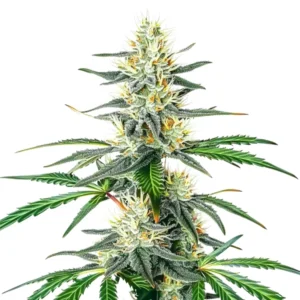
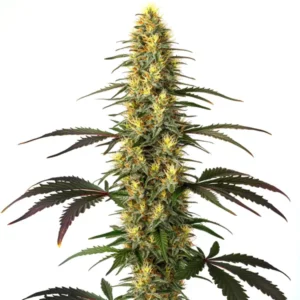
Tangie

|
THC | 19% - 22% (Medium) |

|
Type | Feminized |

|
Yield | High |

|
Phenotype | 30% Indica / 70% Sativa |

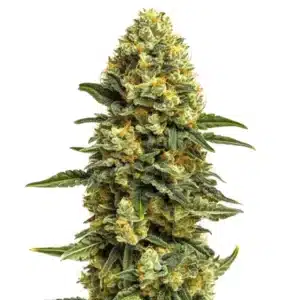
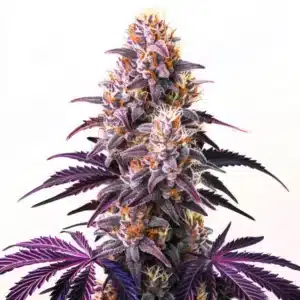
Blue Dream
|
|
THC | 17% - 24% (High) |
|
|
Type | Feminized |
|
|
Yield | High |
|
|
Phenotype | 50% Indica / 50% Sativa |
Designing nutrient plans to eliminate synthetic PGRs is vital for both novice and experienced growers. For those just starting, knowing the basics of soil health and natural fertilizers can be the first step. For seasoned cultivators, advancing your nutrient strategies can lead to optimized crop yield with organic nutrient plans. It is about creating a balance that ensures the plant’s needs are met while avoiding over-reliance on chemical growth additives.
Natural Alternatives to PGRs
Switching to natural alternatives to plant growth regulators is not just beneficial for the environment but also enhances the quality of your cannabis. Products like kelp, fish emulsion, and compost tea are excellent natural options that promote healthy plant growth. These alternatives provide essential nutrients that encourage vigorous growth without the adverse effects associated with synthetic PGRs.
For instance, using seaweed extracts offers a rich source of cytokinin, a natural growth hormone. Cytokinin encourages cell division and growth, which can help your plants develop more robust foliage. This is a key component in optimizing crop yield with organic nutrient plans. When used correctly, seaweed extracts can be as effective as any synthetic product on the market.
Additionally, incorporating humic and fulvic acids into your nutrient plan can significantly enhance nutrient uptake and soil health. These organic compounds are known for chelating minerals, making them more available to plants. This not only boosts plant growth but also improves overall soil structure, further supporting sustainable farming practices without chemical growth additives.
Another effective natural option is mycorrhizal fungi, which form symbiotic relationships with plant roots. These fungi extend the root system, allowing the plant to access nutrients more efficiently. In return, the plant provides the fungi with carbohydrates. This mutualistic relationship is a cornerstone of integrated nutrient management strategies for sustainable agriculture, aiding in the cultivation of resilient cannabis crops.
Implementing Organic Nutrient Plans
Creating an organic nutrient plan involves knowing what your cannabis plants need at each growth stage. During the vegetative phase, a higher nitrogen content is beneficial. As plants move to the flowering stage, they require more phosphorus and potassium. This shift in nutrient needs is a natural part of the plant’s lifecycle and must be supported by your nutrient plan.
Take, for example, a strain like the Tangie from Blimburn Seeds. This strain thrives on a balanced nutrient plan that includes organic matter. By using composted materials rich in phosphorus and potassium, you can ensure that the Tangie develops vibrant flowers. It’s about matching the nutrient needs with the plant’s growth stage to maximize yield.
Knowing the specific nutrient demands of each strain also plays a critical role in designing nutrient plans to eliminate synthetic PGRs. By tailoring your approach to the unique characteristics of your plants, you can effectively meet their nutritional requirements while enhancing their natural flavor and aroma.
Moreover, implementing an integrated nutrient plan to avoid PGR-like additives requires a continuous commitment to learning and adapting. Regularly analyzing plant performance and experimenting with different organic inputs can lead to discovering the most effective strategies for each growth phase, ultimately resulting in a more potent and flavorful cannabis crop.
Promos & Deals
Practical Tips for Nutrient Plan Success
Implementing an integrated nutrient plan requires attention to detail and consistency. Regularly monitor your soil’s pH levels to ensure that your plants can absorb nutrients effectively. The ideal pH range for cannabis is between 6.0 and 7.0. Keeping your soil in this range allows you to maximize the benefits of your organic fertilizers.
Consider using a strain like the Blue Dream from Blimburn Seeds, which is known for its resilience and high yield. By following a sustainable farming practice without chemical growth additives, you can produce a bountiful harvest. Mulching with organic matter like straw or leaves can enhance soil health and keep your plants thriving.
Besides to mulching, integrating cover crops into your cultivation strategy can further improve soil health. Cover crops such as clover or vetch can prevent soil erosion, fix nitrogen, and provide organic matter that enhances nutrient availability. This practice supports sustainable farming practices without chemical growth additives by naturally enriching the soil.
To ensure consistent success, it’s also important to maintain records of your nutrient applications and plant responses. This data can help you refine your integrated nutrient plan over time, allowing you to make informed decisions that support the growth of healthy and high-yielding cannabis plants.
Monitoring and Adjusting Your Plan
It’s crucial to continuously monitor your plants for any signs of nutrient deficiencies or excesses. Yellowing leaves, for instance, can indicate a nitrogen deficiency, while burnt leaf tips might suggest nutrient burn. Adjusting your nutrient plan accordingly ensures your plants remain healthy and productive.
Regular soil testing can provide insights into nutrient availability and help you make informed decisions about your nutrient plan. If your plants are showing signs of stress, adjusting your nutrient mix or pH can often resolve the issue without the need for synthetic additives.
Using tools such as soil moisture meters and EC meters can enhance your ability to assess plant needs accurately. These instruments help you determine the optimal watering and nutrient application schedule, ensuring that your integrated nutrient plan to avoid PGR-like additives remains effective.
Furthermore, engaging with a community of fellow growers can provide valuable insights and support. Sharing experiences and learning from others can inspire new ideas and techniques, allowing you to continuously improve your approach to integrated nutrient management strategies for sustainable agriculture.
FAQs about integrated nutrient plan to avoid PGR-like additives
What are PGRs and why should they be avoided?
Plant growth regulators (PGRs) are chemicals used to control the growth of plants. They can alter the size, shape, and timing of plant development. While they can be effective, they often leave behind chemical residues that may not be safe for consumption, particularly in cannabis.
Using an integrated nutrient plan to avoid PGR-like additives ensures that your cannabis remains pure and safe. The focus should be on natural growth processes that enhance plant health without introducing potentially harmful substances.
Furthermore, avoiding PGRs supports the integrity of organic cannabis cultivation. By relying on natural alternatives to plant growth regulators in crop production, you safeguard not only the quality of your cannabis but also contribute to a healthier environment.
Ultimately, the choice to avoid PGRs aligns with a broader commitment to sustainable agriculture practices. By prioritizing natural methods, you ensure that your cannabis cultivation efforts are both environmentally responsible and conducive to producing high-quality, flavorful products.
How does an integrated nutrient plan benefit cannabis growth?
An integrated nutrient plan benefits cannabis growth by providing a balanced supply of nutrients that support each stage of the plant’s lifecycle. This approach reduces the reliance on synthetic additives and promotes healthier, more resilient plants.
By utilizing natural alternatives, you not only protect the environment but also enhance the quality of your cannabis. The result is a product that is more potent, flavorful, and safe for consumption.
Moreover, this strategy encourages the development of robust root systems and stronger plants, which are better equipped to resist pests and diseases. This natural resilience is a key advantage of adopting integrated nutrient management strategies for sustainable agriculture.
Besides to improving plant health, an integrated nutrient plan can lead to cost savings over time. By maximizing the efficiency of nutrient use and minimizing the need for chemical inputs, growers can achieve higher yields with lower input costs, making the cultivation process more economically viable.
Can organic nutrient plans match the effectiveness of synthetic options?
Yes, organic nutrient plans can match and often exceed the effectiveness of synthetic options. By focusing on natural inputs like compost and organic fertilizers, you provide your plants with all the necessary nutrients without the risks associated with chemical additives.
Many growers find that organic methods lead to better-tasting and more aromatic cannabis. The long-term benefits for soil health and sustainability are additional reasons to choose organic over synthetic.
The transition to organic nutrient plans often involves a learning curve, but the rewards in terms of plant health and environmental impact are significant. As more growers embrace sustainable farming practices without chemical growth additives, the collective knowledge and experience in the community continue to grow.
Ultimately, the success of organic nutrient plans relies on a commitment to knowing and meeting the unique needs of each cannabis strain. By consistently refining your approach, you can achieve results that rival or surpass those of conventional methods.
What role do cannabis strains play in nutrient planning?
Cannabis strains play a significant role in nutrient planning because different strains have unique nutrient requirements. Knowing these differences allows you to tailor your nutrient plan to meet the specific needs of each strain.
For instance, a strain like Tangie may require different nutrients compared to Blue Dream. By customizing your approach, you ensure that each strain reaches its full potential in terms of yield and quality.
Additionally, the growth characteristics and environmental preferences of each strain should be considered when designing nutrient plans to eliminate synthetic PGRs. This tailored approach not only optimizes plant health but also enhances the natural profile of each strain.
By leveraging the knowledge of strain-specific needs, you can implement a more precise integrated nutrient plan to avoid PGR-like additives, resulting in cannabis that is both potent and true to its genetic lineage.
How can I transition from synthetic to organic nutrient plans?
Transitioning from synthetic to organic nutrient plans involves gradually incorporating organic inputs into your current regimen. Start by replacing one synthetic product with a natural alternative, and monitor your plants for any changes.
Over time, you can increase the use of organic materials while reducing reliance on synthetic chemicals. This gradual approach allows your plants to adapt without experiencing nutrient deficiencies or stress.
Engaging with experienced organic growers and seeking guidance from resources dedicated to sustainable agriculture can provide valuable insights. This support network can help you navigate the transition and overcome any challenges you may encounter.
Ultimately, the shift towards organic cultivation is an investment in the long-term health of both your plants and the environment. By embracing natural alternatives to plant growth regulators in crop production, you contribute to a more sustainable future for cannabis cultivation.