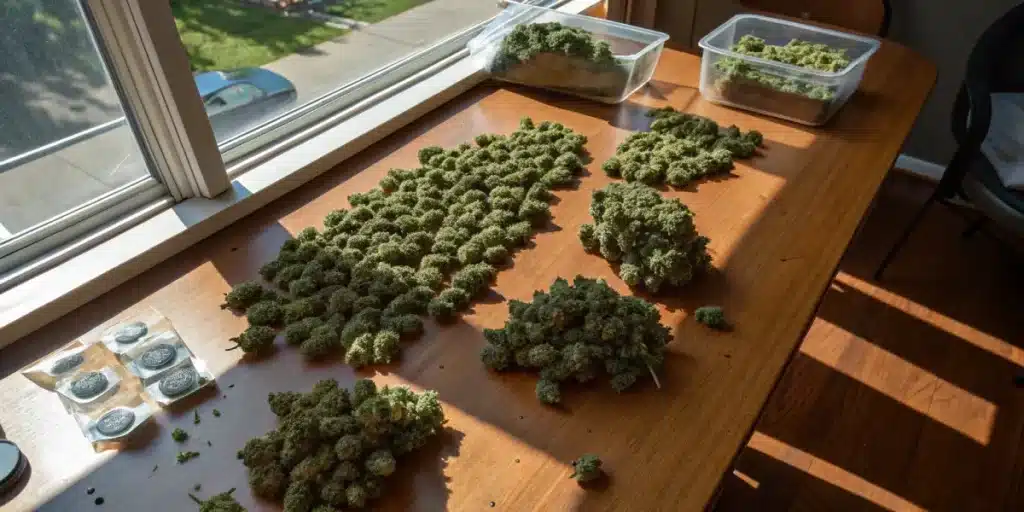
Expert Guide: False Positives What Can Mimic PGR-Looking Buds

False positives: what can mimic PGR-looking buds can be a headache for both novice and seasoned cannabis growers. You might think your plants are showing signs of plant growth regulators (PGR), but it could be something else entirely. This guide will help you identify what might be mimicking PGR effects in your buds.
Plant growth regulators are chemicals used to alter plant growth patterns. They often lead to denser, heavier buds, which some growers mistakenly attribute to genetic traits. But sometimes, nature or other cultivation practices can create similar appearances without any chemical use.
Recommended Strains
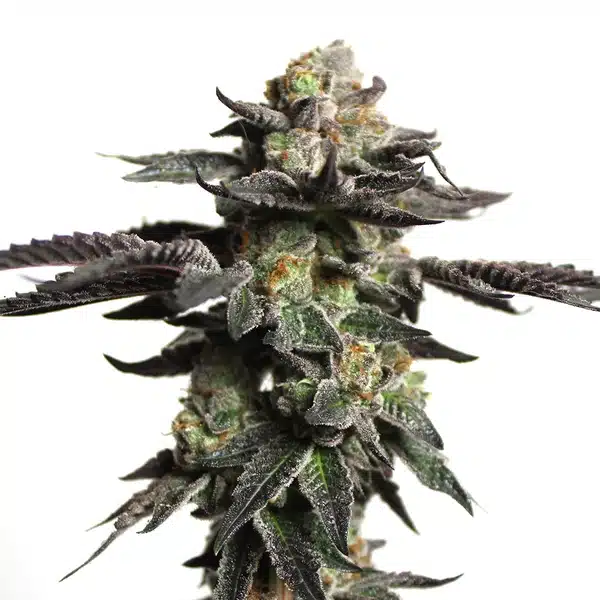
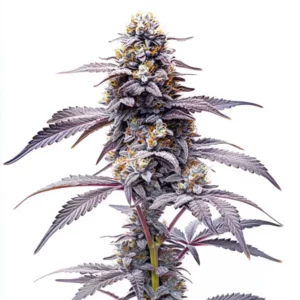
Zombie Death Fuck

|
THC | 23% (Medium) |

|
Type | Feminized |

|
Yield | Medium |

|
Phenotype | 50% Indica / 50% Sativa |

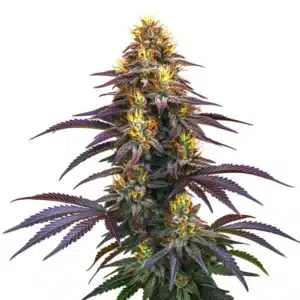
GG4
|
|
THC | 27% (High) |
|
|
Type | Feminized |
|
|
Yield | High |
|
|
Phenotype | 40% Indica / 60% Sativa |
Understanding false positives: what can mimic PGR-looking buds is crucial. Misidentifying these can lead to unnecessary changes in your growing practices, which might not be beneficial for your plants.
Common Natural Factors Mimicking PGR Effects
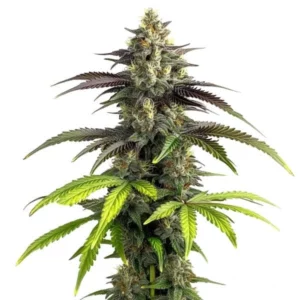
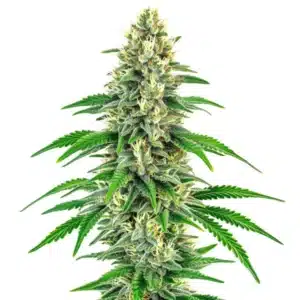
Several natural factors can make your cannabis buds look like they’ve been influenced by PGRs. One primary factor is the strain itself. Certain cannabis strains naturally produce dense, compact buds that resemble those grown with PGRs.
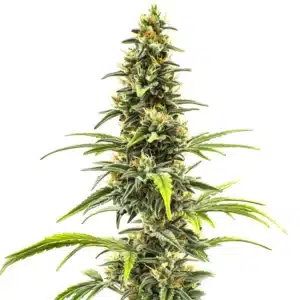
For example, the GG4 strain from Blimburn Seeds is known for its dense bud structure. It’s easy to mistake these naturally occurring characteristics for PGR effects. But rest assured, with genetics like these, you’re in the clear.
Another crucial aspect to consider is the plant’s stage of growth. During the flowering phase, some strains naturally develop tighter buds as a part of their maturation process. This natural progression can be confused with PGR influence, yet it is a normal part of the plant’s lifecycle.
Environmental adaptation is another factor contributing to PGR mimicry in plant buds. Cannabis plants often adapt to their surroundings, and this adaptation can sometimes result in growth patterns that closely resemble those induced by PGRs. Being aware of these adaptations helps in identifying false positives in plant growth regulators.
Promos & Deals
Cultivation Techniques That Can Cause False Positives
Beyond genetics, cultivation techniques can also lead to false positives in plant growth regulators. Techniques like pruning, topping, and training can create growth patterns that resemble PGR influence.
Techniques such as the Sea of Green (SOG) method can result in multiple dense colas, which might be mistaken for PGR mimicry in plant buds. However, these methods are all-natural and do not involve any chemical regulators.
Another popular technique is Low-Stress Training (LST), which encourages plants to grow more horizontally, resulting in fuller canopy coverage and potentially denser buds. This can easily lead to assumptions of PGR effects, yet it’s purely a result of mechanical manipulation.
Similarly, the use of hydroponic systems can sometimes cause false positives. Due to the efficient nutrient delivery in hydroponics, plants can grow quickly and produce dense buds, which might resemble PGR-treated plants. However, this rapid growth is a feature of the system, not chemical influence.
Identifying False PGR Positives in Your Grow
The first step in identifying false PGR positives is closely examining your growing environment. Are you using any techniques that might lead to denser buds? Consider the light spectrum, as certain spectrums can influence bud density.
Next, evaluate your nutrient regimen. Sometimes, an overabundance of certain nutrients can cause dense, heavy buds that look like they’ve been treated with PGRs. Ensure you’re not overfeeding your plants, as this can lead to misidentification.
To further identify false positives, closely monitor the plant’s response to changes in its environment. If altering the light or nutrient levels results in noticeable changes in bud structure, this indicates that the appearance was due to cultivation practices, not PGRs.
Another effective method is to compare growth across different plants. If one plant shows signs of PGR influence while others under similar conditions do not, it’s likely a false positive. This approach helps in distinguishing PGR effects from natural growth variations.
Distinguishing PGR Effects from Natural Growth
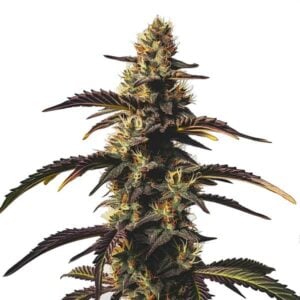
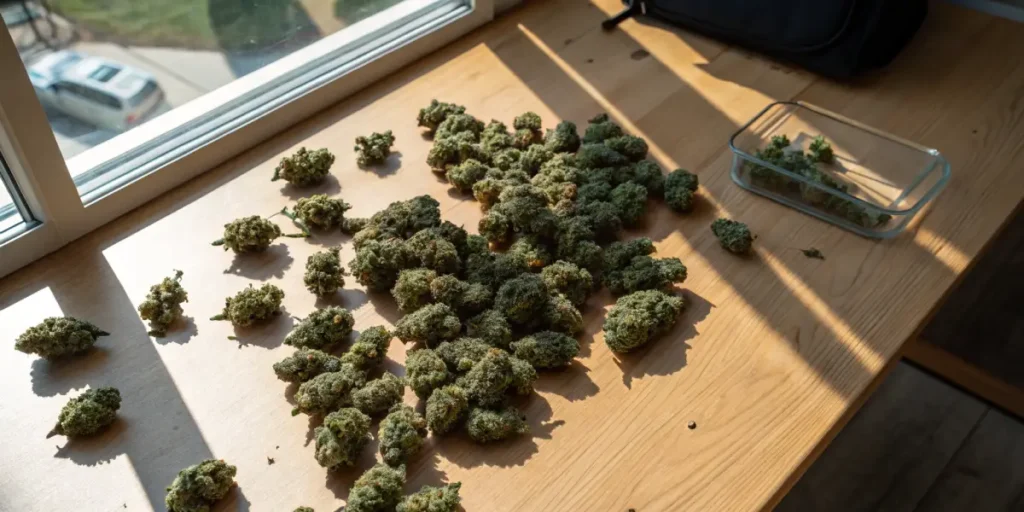
Learning to distinguish PGR effects from natural growth is key. PGR-treated buds often have an unnaturally hard feel and might lack the aroma typical of naturally grown cannabis. On the other hand, strains like Zombie Death Fuck from Blimburn Seeds naturally produce dense buds with robust aromas.
Another indicator is the plant’s overall health. PGR-treated plants can sometimes show stunted growth in other areas, whereas naturally dense buds usually come from a healthy, vigorously growing plant.
Further distinguishing features include the leaf texture and color. PGR-treated plants might exhibit a glossy or overly dark hue, unlike natural growth, where leaves maintain a healthy green. Observing these subtle differences can aid in identifying false PGR positives in plants.
Consistent record-keeping of your growing conditions and plant responses can also highlight deviations that suggest PGR mimicry. By analyzing growth patterns over time, growers can better pinpoint whether their results are due to natural factors or chemical interference.
Environmental Factors Contributing to PGR-Like Appearance
Environmental factors can also contribute to false positives: what can mimic PGR-looking buds. Temperature fluctuations, for instance, can influence bud density and structure. Cooler temperatures can lead to tighter buds, mimicking PGR influence.
Watering practices also play a role. Overwatering can lead to waterlogged plants, which may develop denser buds due to the excess moisture. Adjust your watering schedule to ensure your plants are thriving.
In addition to temperature and watering, soil quality and composition can affect plant development. Poor soil conditions can stress plants, leading to growth patterns that might resemble PGR effects. Ensuring healthy soil can minimize these false positives.
Moreover, seasonal changes can impact plant growth. Shorter daylight hours often result in denser buds as plants prepare for winter, an adaptation that might be mistaken for PGR influence. Understanding these seasonal effects is crucial for accurate identification.
FAQs about false positives: what can mimic PGR-looking buds
What are false positives in plant growth regulators?
False positives in plant growth regulators occur when natural or other non-PGR factors cause plants to exhibit characteristics similar to those affected by PGRs. This might lead growers to mistakenly believe their plants have been chemically treated.
These false readings can be due to genetic traits, environmental conditions, or cultivation techniques. Knowing these factors helps growers make informed decisions without jumping to conclusions about chemical use.
Recognizing these false positives involves ongoing education and awareness of the various influences on plant growth. By staying informed, growers can avoid unnecessary alterations to their cultivation practices.
Besides, networking with other growers and sharing experiences can provide valuable insights into distinguishing genuine PGR effects from natural growth phenomena. Community knowledge is a powerful tool in the identification process.
How can I identify PGR mimicry in plant buds?
Identifying PGR mimicry in plant buds involves careful observation of your plants. Look at the bud density, aroma, and trichome production. Naturally dense buds will still have a rich smell and notable trichomes, unlike PGR-treated ones.
Additionally, pay attention to the plant’s overall health and growth patterns. Healthy plants with natural dense buds usually grow vigorously, while PGR-treated ones might show signs of stress or stunted growth.
Using tools like moisture meters or light sensors can provide quantitative data to support your observations. These tools help eliminate guesswork by offering concrete evidence of environmental conditions contributing to false positives.
Comparing plant growth across different environments or setups can also highlight discrepancies that suggest PGR mimicry. This comparative approach provides a broader perspective on what might be affecting your plants.
Are there specific cannabis strains that naturally resemble PGR-treated plants?
Yes, certain cannabis strains naturally produce dense, compact buds similar to those grown with PGRs. For instance, strains like GG4 and Zombie Death Fuck from Blimburn Seeds are known for their naturally robust bud structure.
These strains are bred to produce dense buds without the need for chemical regulators, providing growers with the desired results naturally and safely.
Another notable strain is Mamba Negra from Blimburn Seeds, which also showcases naturally dense and aromatic buds. These genetic traits offer a safer alternative for growers seeking PGR-like results without chemical intervention.
Opting for these strains not only ensures natural growth but also maintains the integrity and safety of your cultivation practices. Emphasizing natural genetics is a sustainable approach to achieving dense bud structures.
What cultivation techniques might lead to false PGR positives?
Various cultivation techniques can result in false positives. Techniques such as topping, pruning, and using the Sea of Green (SOG) method can produce growth patterns that resemble PGR influence.
Additionally, controlling environmental factors like light, water, and nutrients can help manage growth without triggering false positives, ensuring your plants develop naturally.
Implementing vertical farming strategies can also lead to dense bud development, often perceived as PGR effects. However, this technique merely optimizes space and light exposure, enhancing natural growth.
Techniques like defoliation, which involves removing excess leaves, can increase light penetration and bud density. This method, when used correctly, can amplify natural growth characteristics without chemical interference.
Can environmental conditions lead to a false PGR appearance?
Environmental conditions such as temperature, humidity, and light can indeed lead to false PGR appearances. For example, cooler temperatures can result in denser buds, while poor airflow may encourage mold growth, mimicking PGR effects.
Managing these conditions by adjusting temperature, humidity, and light can help maintain optimal plant health and prevent misidentification of growth patterns.
Soil pH levels also influence plant growth, with imbalances potentially causing stress responses that mimic PGR appearance. Regularly testing and adjusting pH can prevent these misleading outcomes.
Furthermore, ensuring a balanced ecosystem in your grow space, including beneficial insects or companion planting, can promote natural plant health, reducing the likelihood of misinterpreting growth as PGR-induced.