How to Weigh Weed Without a Scale: Effective Methods

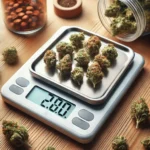
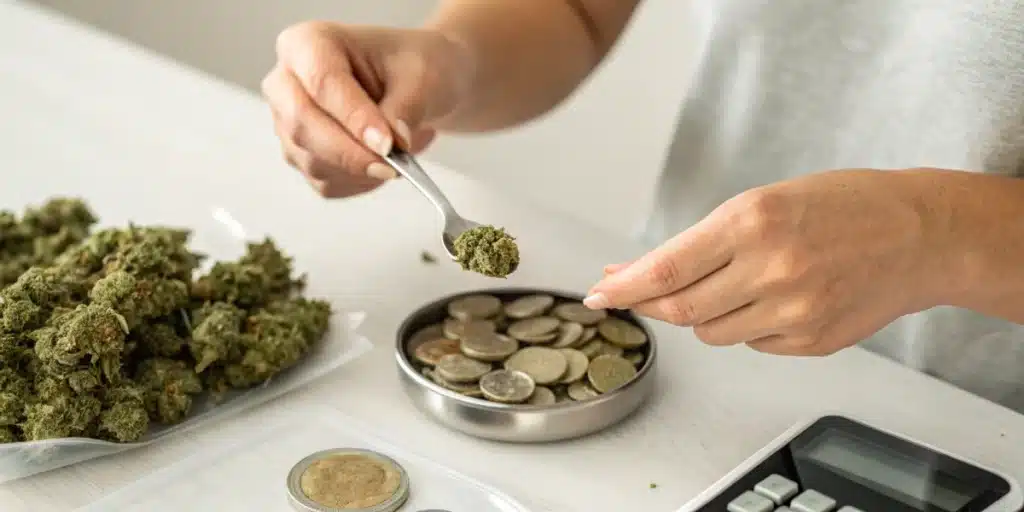
Weighing weed without a scale can be tricky, but you can use household items like coins or create a DIY balance scale for decent accuracy. For example, a U.S. nickel weighs about 5 grams, serving as a handy reference. These methods provide a practical solution when a digital scale isn’t available, ensuring better dosing accuracy.
Estimating the weight of cannabis without a scale requires creativity and precision. Embrace the art of using visual cues and household items to gauge your stash. Consider the terpenes like Myrcene, which can enhance your experience, and remember that flowering time varies, affecting the weight and potency of your harvest.
Recommended Strains
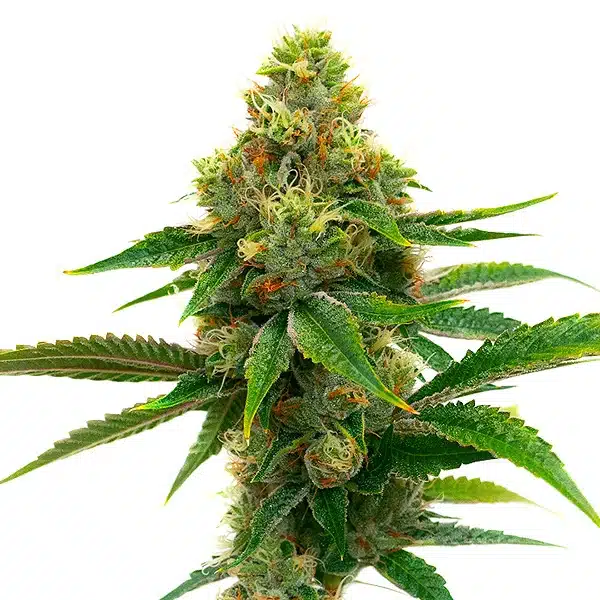
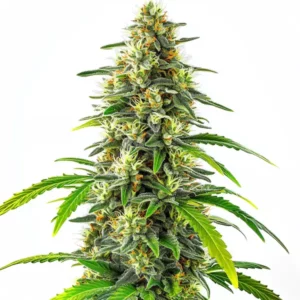
Banana Cream

|
THC | 28% - 30% (High) |

|
Type | Feminized |

|
Yield | Medium |

|
Phenotype | 70% Indica / 30% Sativa |

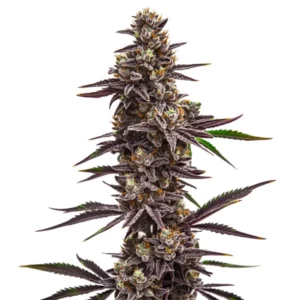
Banana Kush
|
|
THC | 17% - 21% (Medium) |
|
|
Type | Feminized |
|
|
Yield | High |
|
|
Phenotype | 60% Indica / 40% Sativa |
Challenges of Weighing Weed
Density and Moisture Considerations
Cannabis density and moisture content significantly influence weight estimation. Dense strains like GG4 can weigh more than fluffier varieties like Lambs Bread. Freshly harvested buds contain higher moisture, impacting weight. For example, cannabis with 15% moisture content may weigh more than dried buds at 10% moisture.
Moisture affects not only weight but also cannabinoid and terpene preservation. High moisture levels can lead to mold, while too low can degrade terpenes like Limonene, which contributes citrusy aromas and anti-anxiety effects. Maintain 58-62% RH to preserve these compounds.
Transpiration plays a crucial role in moisture management. Stomata release H2O and O2, facilitating CO2 uptake for photosynthesis. This process impacts weight, as moisture loss during transpiration reduces overall weight. Monitoring environmental conditions ensures optimal transpiration rates, preserving weight and quality.
Practical Application & Yield
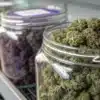
Understanding density and moisture helps you estimate weight more accurately. Use a consistent container, like a small jar, to compare weights visually. A commercial cigarette weighs about 0.9 grams, serving as a reference. This method aids in approximating weight by eye, ensuring better dosing.
Expert Tip: Use a hygrometer to monitor moisture levels. Ensure your cannabis is cured properly at 60°F – 70°F (15°C – 21°C) to maintain quality and weight consistency over time.
Temperature fluctuations also affect weight. Daytime temperatures should remain between 20°C – 25°C (68°F – 77°F), with a night drop of 8°C – 11°C. This range optimizes metabolic processes, ensuring consistent weight and quality.
Promos & Deals
Common Methods to Estimate Weight
Using Household Items as References
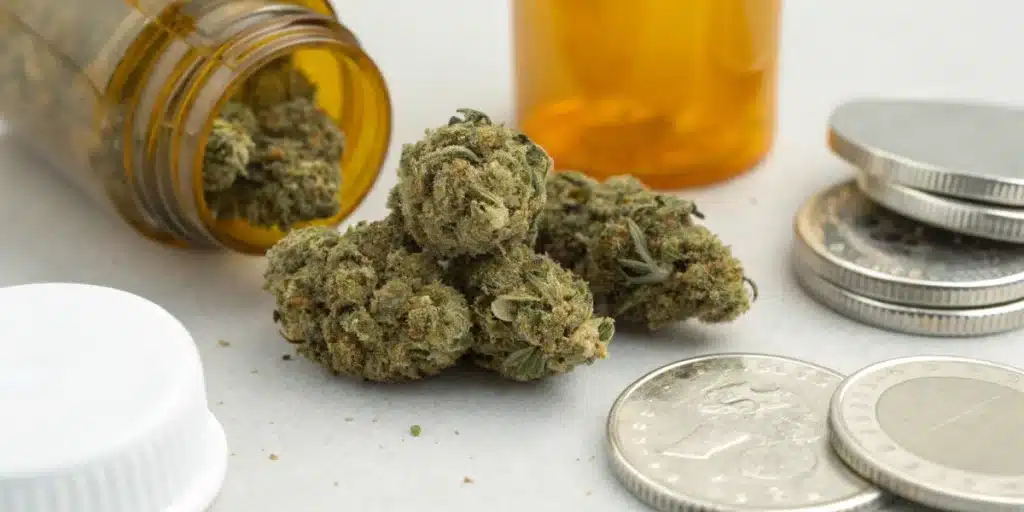
Household items like coins and bags offer practical ways to measure weed without a scale. A U.S. nickel weighs 5 grams, while a standard sandwich bag weighs about 3 grams. By comparing your cannabis to these known weights, you can estimate more accurately.
For instance, if your cannabis fills a bag and balances with two nickels, it likely weighs around 10 grams. This method is simple yet effective for those without digital scales. Practice improves the accuracy of these estimations.
Visual estimation techniques complement these methods. Recognizing cannabis sizes and shapes helps refine your skills. A gram of weed is roughly the size of a small marble, while an eighth (3.5 grams) resembles a golf ball. Consistent practice sharpens your estimation ability.
Visual Estimation Techniques
Visual estimation involves recognizing cannabis sizes and shapes. A gram of weed is roughly the size of a small marble, while an eighth (3.5 grams) resembles a golf ball. Creating a visual guide with photos of different weights helps refine your skills.
Regular practice with visual cues sharpens your estimation ability. Use a consistent reference, like a small container, to enhance accuracy. Over time, you’ll develop an intuitive grasp of different weights, making this method reliable.
Incorporating visual guides with photos of different weights enhances accuracy. These guides serve as references, helping you develop an intuitive grasp of weight estimation. Consistent practice with these guides improves your skills over time.
| Feature / Merkmal | GG4 | Lambs Bread | Super Silver Haze Auto |
|---|---|---|---|
| THC Content | 27-30% | 16-19% | 18-22% |
| Terpene Profile | Myrcene 1.2% | Limonene 0.8% | Caryophyllene 0.5% |
| Yield | 1.8 oz/ft² (550 g/m²) | 1.5 oz/ft² (450 g/m²) | 1.6 oz/ft² (500 g/m²) |
| Flowering Time | 8-9 weeks | 9-10 weeks | 10-11 weeks |
| Climate Suitability | Indoor/Outdoor | Outdoor | Indoor |
DIY Weighing Tools
Crafting a Homemade Balance Scale
Creating a balance scale at home can be a fun and educational project. Use a coat hanger and two small containers to make a simple balance. Ensure both sides are even to compare weights accurately.
Another method involves using a ruler as a lever. Place cannabis on one end and known weights on the other. This technique demands precision and patience but offers a reliable way to weigh weed without a scale.
Consider using a seesaw method for balance scales. This approach involves a fulcrum and lever system, where the cannabis and reference weights are balanced on opposite ends. This method enhances precision, offering a reliable way to weigh weed without a scale.
Consistency and Practice
Consistent practice with these methods enhances accuracy. Use the same containers and references each time. Record your estimates and compare them with actual weights when possible. This habit sharpens your skills over time.
Expert Tip: Always calibrate your homemade tools with known weights. Regular recalibration ensures ongoing accuracy and reliability in your measurements.
Regular calibration with known weights, like coins, ensures ongoing accuracy. This practice maintains the reliability of your homemade scales, enhancing your ability to weigh weed without a scale.
Professional Tips for Accurate Estimation
- Maintain 58-62% RH during curing to preserve terpenes and cannabinoids. This range prevents mold and degradation.
- Use a consistent container for visual estimation. A small jar or vial helps maintain accuracy.
- Regularly practice visual estimation with a reference guide. This sharpens your skills over time.
- Calibrate homemade scales with known weights, like coins, for ongoing accuracy.
- Monitor moisture levels with a hygrometer to ensure cannabis is properly cured.
- Record estimates and compare with actual weights to refine your technique.
FAQs on Weighing Weed Without a Scale
How can I weigh grams without a scale?
To weigh grams without a scale, use household items like coins. A U.S. nickel weighs 5 grams, serving as a reference. Visual estimation with consistent practice also helps. Create a guide with photos of different weights to improve accuracy. Regular practice refines your skills, making this method reliable.
How can I weigh 1 gram at home?
Weighing 1 gram at home can be done using visual estimation. A gram of cannabis is roughly the size of a small marble. Use a consistent reference, like a small container, to enhance accuracy. Practice regularly to develop an intuitive grasp of different weights.
How do I figure out my weight without a scale?
Figuring out weight without a scale involves using household items or visual estimation. Coins like nickels (5 grams) serve as references. Practice with a consistent method to improve accuracy. Over time, you’ll develop an intuitive grasp of different weights, making this method reliable.
What can I use to weigh my weed?
To weigh weed without a scale, use household items like coins or bags. A U.S. nickel weighs 5 grams, while a sandwich bag weighs about 3 grams. Visual estimation techniques also help. Practice regularly to refine your skills and improve accuracy.
Can visual estimation be reliable for dosing weed?
Visual estimation can be reliable for dosing weed with practice. Recognize different sizes and shapes, like a gram being the size of a small marble. Use a consistent reference, like a small container, to enhance accuracy. Regular practice sharpens your estimation ability, making this method dependable.