How to Use Egg Shells for Plants: A Complete Guide

Natural calcium source: Eggshells serve as a natural calcium provider for plants. To utilize them, rinse and dry the shells thoroughly, bake at 200°F to 300°F for 15-20 minutes, and then grind into a fine powder. This powder can be sprinkled directly into the soil or added to compost, enhancing plant health.
Enhancing plant growth with egg shells is a sustainable practice that enriches soil with essential nutrients. Unlike chemical fertilizers, egg shells provide a slow-release calcium source, crucial for cell wall development. This guide explores the preparation and application of egg shells, offering insights into their benefits for both indoor and outdoor gardening.
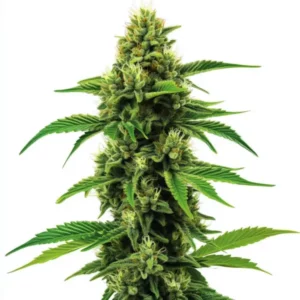
Recommended Strains

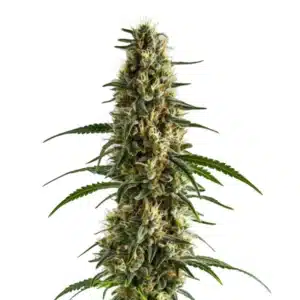
Super Lemon Haze CBD (1:1)

|
CBD | 8% – 10% (Low) |

|
Type | CBD Feminized |

|
Yield | High |

|
Phenotype | 70% Indica / 30% Sativa |

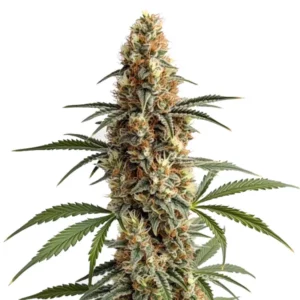
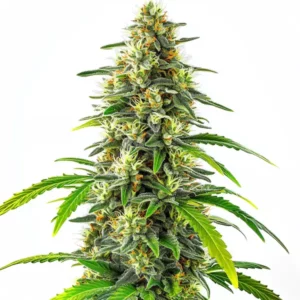
White Russian Fast Version

|
THC | 18% - 22% (Medium) |
|
|
Type | Fast Flowering |
|
|
Yield | High |
|
|
Phenotype | 60% Indica / 40% Sativa |
Benefits of Using Egg Shells for Plants
Nutritional Value of Egg Shells
Egg shells are primarily composed of calcium carbonate, making up about 95% of their structure. This mineral is vital for plants, particularly in strengthening cell walls and promoting robust growth. In addition to calcium, egg shells contain trace amounts of other nutrients like magnesium, which can aid in chlorophyll production and overall plant vitality.
Experienced growers report that using egg shells can prevent blossom end rot in tomatoes and peppers, a condition often caused by calcium deficiency. This natural amendment can be particularly beneficial in soils with low pH, where calcium availability is limited. By incorporating egg shells, you can maintain a balanced soil pH, typically around 6.5 to 7.0, ideal for most plants.
Promos & Deals
How to Prepare Egg Shells for Plant Use
Cleaning and Drying
Before using egg shells in your garden, it’s crucial to clean them thoroughly. Rinse each shell under warm water to remove any residual egg white or yolk, which can attract pests. Once cleaned, allow the shells to dry completely, ideally in a sunny spot for about 24 hours. This step ensures that the shells are free from bacteria and mold.
Boiling egg shells can help sterilize them before use in your garden. Boil the shells for 5-10 minutes, then let them dry. This process not only sanitizes the shells but also makes them easier to crush. Once dried, the shells can be stored in an airtight container until you’re ready to use them.
Grinding into Powder
To maximize the benefits of egg shells, grind them into a fine powder. This increases the surface area, allowing the calcium to be released more efficiently into the soil. Use a coffee grinder or mortar and pestle to achieve a fine consistency. The resulting powder can be directly applied to the soil or mixed into compost.
When grinding, aim for a texture similar to coarse sand. This consistency ensures that the calcium is readily available for plant uptake. Applying approximately 1 tablespoon of ground egg shells per plant every few months can significantly improve soil health and plant growth.
How to Use Egg Shells for Plants
Application in Outdoor Gardens
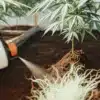
In outdoor gardens, egg shells can be used as a direct soil amendment or as a component of compost. Sprinkle the ground shells around the base of plants, particularly those prone to calcium deficiencies like tomatoes and peppers. This method provides a steady release of nutrients as the shells break down over time.
For best results, apply egg shells at the start of the growing season. This timing ensures that the calcium is available when plants need it most. Additionally, incorporating egg shells into compost can enhance the overall nutrient profile, making it more effective when applied to garden beds.
Crushed Eggshells for Indoor Plants
Using crushed eggshells for indoor plants can help improve soil aeration and provide calcium. Learn how to use eggshells for plants indoors by incorporating them into potting soil. This method is particularly beneficial for potted plants that may not receive as many nutrients as those grown outdoors.
To apply, mix the ground egg shells into the top layer of potting soil, ensuring even distribution. This practice not only supplies calcium but also aids in preventing soil compaction, promoting better root growth and water retention.
Best Plants for Egg Shell Use
What Flowering Plants Like Egg Shells in Pots
Many flowering plants, such as roses and geraniums, benefit from the calcium boost provided by egg shells. This nutrient supports strong stem development and enhances bloom quality.
Egg shells for flowers can enhance bloom quality by providing essential nutrients. When used in pots, egg shells can help maintain a balanced pH level, crucial for optimal flowering. Incorporate ground shells into the potting mix or sprinkle them on top of the soil for best results.
What Plants Benefit from Crushed Egg Shells
Identify plants that benefit from the calcium boost of crushed egg shells. Vegetables like tomatoes, peppers, and eggplants are particularly responsive to the addition of egg shells. These plants often suffer from calcium deficiencies, leading to issues like blossom end rot.
By adding crushed egg shells to the soil, you can prevent these common problems and promote healthier growth. Apply the shells at planting time and periodically throughout the growing season to ensure a consistent supply of calcium.
Combining Egg Shells with Other Materials
Coffee Grounds and Egg Shells for Plants
Combining coffee grounds and egg shells for plants can enhance soil quality. Coffee grounds add organic matter and nitrogen, while egg shells provide calcium. This combination creates a balanced nutrient profile, supporting robust plant growth.
To use, mix equal parts of ground coffee and egg shells, then incorporate them into garden beds or potting soil. This blend improves soil structure, promotes microbial activity, and enhances nutrient availability, leading to healthier plants.
Vinegar and Egg Shells for Plants
Using vinegar with egg shells can help break down the shells faster. The acetic acid in vinegar reacts with calcium carbonate, speeding up decomposition and making calcium more accessible to plants. This method is particularly useful in soils with low pH.
To apply, soak crushed egg shells in vinegar for 24 hours before adding them to the soil. This process creates a calcium-rich solution that can be used as a liquid fertilizer, providing an immediate nutrient boost to plants.
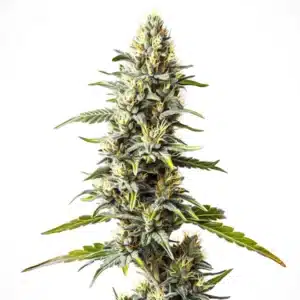
| Feature | CBD Super Lemon Haze 11 | White Russian Fast Version | Clementine |
|---|---|---|---|
| THC Content | 8-10% | 18-22% | 18-22% |
| Dominant Terpene | Limonene | Myrcene | Caryophyllene |
| Flavor Profile | Citrus, Earthy, Lemon | Sweet, Woody | Citrus, Lemon, Orange |
| Effect | Creative, Energetic, Uplifted | Creative, Giggly, Relaxed | Happy, Hungry, Relaxed |
| Suitable for | Daytime Use | Evening Use | Social Events |
Professional Tips for Using Egg Shells
- Apply 1 tablespoon of ground egg shells per plant every 3 months to maintain optimal calcium levels.
- Ensure egg shells are completely dry before grinding to prevent mold growth.
- Mix egg shells with coffee grounds to balance nitrogen and calcium in the soil.
- Use vinegar to speed up the decomposition of egg shells for quicker calcium release.
- Incorporate egg shells into compost to enhance its nutrient profile.
- Monitor soil pH regularly when using egg shells to maintain a balanced environment for plant growth.

FAQs About Egg Shells in Gardening
Which plants like egg shells?
Plants like tomatoes, peppers, and roses benefit greatly from egg shells due to their calcium needs. Calcium strengthens cell walls, preventing issues like blossom end rot. Apply ground egg shells to the soil around these plants to support healthy growth and robust blooms.
What plants don’t like eggshells?
Plants preferring acidic soils, such as blueberries and azaleas, may not benefit from egg shells. Egg shells can raise soil pH, which is unsuitable for these acid-loving plants. It’s crucial to test soil pH before applying egg shells to ensure compatibility with plant needs.
Can I mix coffee grounds and eggshells together for my garden?
Yes, mixing coffee grounds and egg shells is beneficial for garden soil. Coffee grounds add nitrogen, while egg shells provide calcium, creating a balanced nutrient mix. Apply this combination to improve soil structure and nutrient availability, enhancing plant growth and health.
How often should I put egg shells in my plants?
Apply ground egg shells to plants every 3-4 months. This frequency ensures a steady supply of calcium, supporting plant growth and preventing deficiencies. Adjust the application based on plant type and soil conditions to maintain optimal health.
Are boiled egg shells better for plants?
Boiling egg shells can be beneficial as it sterilizes them, reducing the risk of introducing pathogens. Boiled shells are easier to crush, enhancing calcium availability. Use boiled egg shells in gardens to ensure a clean, efficient calcium source for plants.