How Far Does Weed Smell Travel? Distances and Odor Control

How far does weed smell travel? Outdoors, the smell of weed can carry anywhere from a few feet in still air to several hundred feet (up to about 300 ft / 91 m) in a strong breeze. Indoors, a carbon filter and good ventilation keep it largely contained to the grow space. The two big variables are how much is burning or flowering, and the wind.
The smell itself comes from terpenes, the aromatic compounds in cannabis. Pungent, myrcene-heavy strains like Blue Cheese travel and linger more than milder, citrusy ones. During flowering the aroma peaks, which is when odor control matters most for growers who want to keep the peace with neighbors.
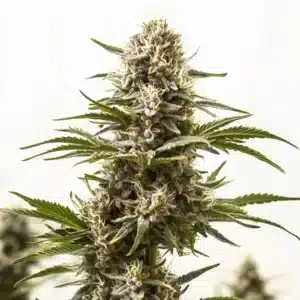
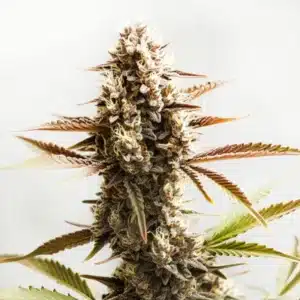
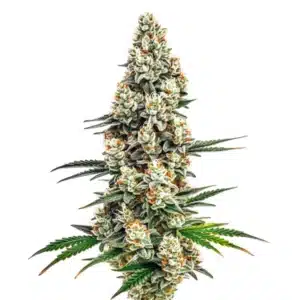
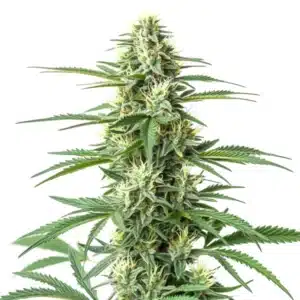
Recommended Strains

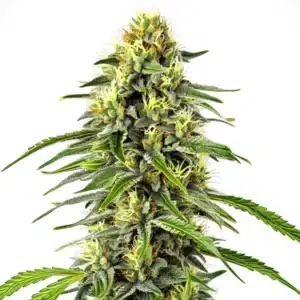
Permanent Marker

|
THC | 32% - 34% (High) |

|
Type | Feminized |

|
Yield | High |

|
Phenotype | 50% Indica / 50% Sativa |

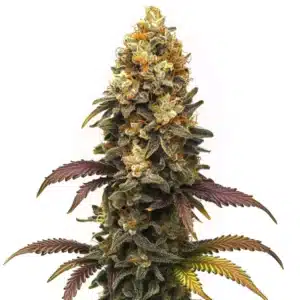
Permanent Marker Auto
|
|
THC | 32% - 34% (High) |
|
|
Type | Autoflowering |
|
|
Yield | High |
|
|
Phenotype | 50% Indica / 50% Sativa |
| Scenario | Approx. distance the smell can carry | Biggest factor |
|---|---|---|
| Smoking a joint outdoors, still air | Tens of feet (roughly 10-20 ft) | Amount smoked |
| Smoking outdoors, windy | Several hundred feet (up to ~300 ft / 91 m) | Wind speed and direction |
| Inside a car | Up to ~100 ft (30 m) if windows are open | Ventilation / open windows |
| Indoor grow, no odor control | Can escape the building via vents and windows | Number of flowering plants |
| Indoor grow with carbon filter + sealed room | Largely contained to the grow space | Filter and sealing quality |
What Affects How Far Weed Smell Travels
Strain and Terpene Differences
Each strain has its own terpene profile, and that drives how strong and far-reaching the smell is. Myrcene-heavy strains like Blue Cheese have a strong, musky aroma that carries; lighter, citrusy strains are more discreet. If keeping odor down matters, strain choice is your first lever.
Terpenes also shape the character of the smell: caryophyllene brings peppery, spicy notes (as in Blue Haze), while limonene brings citrus. Knowing a strain’s dominant terpene gives you a good idea of how loud, and how far-traveling, its aroma will be.
Environmental Conditions (Wind, Heat, Humidity)
Wind is the biggest outdoor factor by far: in still air the smell fades within tens of feet, but a steady breeze can carry it 300 feet (91 m) or more, and always downwind. Heat matters too, since warmth makes terpenes more volatile and pushes the smell further, which is why an indoor room held at 68-77F (20-25C) stays more contained. Indoors, keeping humidity around 50-60% helps as well, because very humid air seems to carry scent more.
Promos & Deals
How to Control Cannabis Odor
Carbon Filters and Ventilation
For indoor growers, a carbon filter is the single most effective tool: it traps the odor particles before they leave the grow area. Size it to your space, a 4-6 inch (10-15 cm) filter suits most small-to-medium tents, and pair it with the exhaust fan.
Ventilation does the other half of the job: an exhaust fan around 400 CFM handles a 10×10 ft (3×3 m) room. Keep the system maintained, check the pre-filter regularly and replace the carbon roughly every 12-18 months, so it never clogs or leaks smell.
Choosing Less Smelly Strains
Choosing milder genetics reduces odor at the source. Strains like Cheese and Blue Headband have less overpowering aromas while still delivering solid potency (around 18-22% THC), which makes them friendlier for discreet grows.
Knowing a strain’s dominant terpene helps you predict its loudness: citrus-forward, limonene-rich strains tend to smell brighter and less skunky than heavy myrcene ones, and are often the more discreet choice.
Advanced Odor Control
For stubborn odors, some growers add ozone generators, which release ozone that binds and neutralizes odor particles. Use them with real caution, though: ozone is harmful to breathe in any quantity, so it should never run in an occupied space.
Negative ion generators are a gentler option: they emit charged ions that make odor particles clump and drop out of the air. They are less aggressive than ozone, though generally also less powerful for heavy grow-room odors.
Why Cannabis Smells Travel (Briefly)
Briefly, the science: plants release terpenes partly through their stomata (tiny pores on the leaves), and light and humidity change how open those pores are, which affects how much aroma escapes at any moment. In practice, aroma tends to be stronger during ‘lights on’, when those pores are wide open, and lower at night, which is one reason a grow room can smell stronger at certain times of day.
| Feature | Blue Cheese Auto | Blue Haze | Cheese |
|---|---|---|---|
| Dominant terpene | Myrcene (musky) | Caryophyllene (peppery) | Limonene (citrus) |
| THC | 18-22% | 20-24% | 18-22% |
| Aroma | Musky, earthy | Spicy, herbal | Citrus, sweet |
| Typical effect | Relaxing | Uplifting | Calming |
| Odor intensity | High | Moderate | Lower |
Quick Ways to Reduce the Smell When You Smoke
Most people asking how far the smell travels just want to keep it low-key when they smoke. A few simple habits make a big difference:
- Smoke downwind and outdoors: open air disperses smoke fast, and staying downwind keeps it away from doors and neighbors.
- Use a sploof: exhaling through a cardboard tube packed with a dryer sheet or activated carbon cuts the smell of each exhale sharply.
- Vape instead of smoke: a dry-herb vaporizer produces far less lingering odor than a joint or bong.
- Ventilate and contain: a window fan blowing outward, a towel under the door, and an air purifier keep smoke from settling into a room.
- Choose edibles or milder strains when discretion matters most, since they produce little to no smoke smell.
Quick Tips for Managing Cannabis Odor
- Use a carbon filter: a 4-6 inch filter matched to your tent size is the single most effective indoor odor control.
- Match your exhaust fan: around 400 CFM suits a 10×10 ft (3×3 m) room; clean it regularly so airflow stays strong.
- Maintain the filter: check it regularly and replace the carbon roughly every 12-18 months (sooner with heavy use).
- Control temperature: keeping the room at 68-77F (20-25C) limits terpene volatility, so less smell escapes.
- Seal the room: weather-strip windows and doors so odor does not leak toward neighbors.
- Pick milder strains: lower-odor genetics like Cheese or Blue Headband help if discretion matters.

FAQs About How Far Weed Smell Travels
How far does weed smell travel outside?
Outside, weed smell travels from just a few feet in still air to several hundred feet in a breeze, commonly up to around 300 feet (91 m) downwind when smoking. Wind is the main factor, followed by how much is burning. On a calm day the smell fades much faster and closer to the source.
Can neighbors smell your weed?
Yes, they can, if there is no odor control. Outdoors the smell can carry over 300 feet (91 m) in wind, and an unfiltered indoor grow leaks scent through vents and windows to nearby homes. A carbon filter, a sealed room and milder strains are what keep it from reaching the neighbors.
How far can you smell weed outside a car?
Weed smell can carry roughly up to 100 feet (30 m) from a car, further if the windows are open or there is a breeze. Storing cannabis in an airtight, smell-proof container greatly cuts down how far the odor escapes while you transport it.
Does the smell of weed leave a room?
Yes, but it can linger for several hours if the room is not ventilated. Opening windows, running an air purifier and using odor neutralizers all speed it up. For how long the smell actually lasts, see our guide on how long the smell of weed lingers.
Will smoking weed outside leave a smell?
Yes. Smoking outdoors produces a smell that can travel several hundred feet downwind, though it also dissipates faster in open air than indoors. How strong and far it goes depends mostly on the wind and the strain’s pungency; a calm, open spot disperses it quickest.
What makes cannabis odor travel far?
Cannabis odor comes from terpenes, volatile aromatic compounds. What carries them far is mainly wind, plus heat, which makes terpenes more volatile. Pungent, high-terpene strains (think heavy myrcene) travel further than milder ones, so both the strain and the weather decide the range.