How to Grow Marijuana Indoors Without Smell

To grow marijuana indoors without smell, the single most important tool is a carbon (charcoal) filter on your exhaust fan, which scrubs the air of odor before it leaves your grow space, backed by a well-sealed room or tent with proper negative-pressure ventilation so unfiltered air can’t escape. Add good internal airflow, and you can keep even a flowering grow discreet. You can also reduce the problem at the source by choosing low-odor strains, which are bred to be far less pungent.
Bear in mind the smell is strongest during flowering (when terpene production peaks), so that’s when odor control matters most. Truly ‘odorless’ growing is hard, but with a carbon filter, a sealed space and low-odor genetics, you can get very close. Below: the causes, stage-by-stage control, and the gear you need.
Recommended Strains
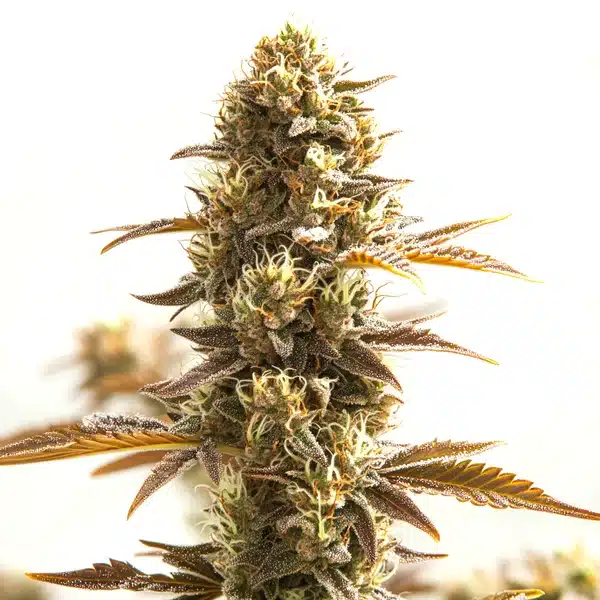
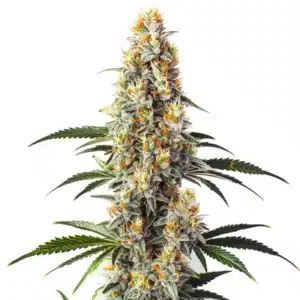
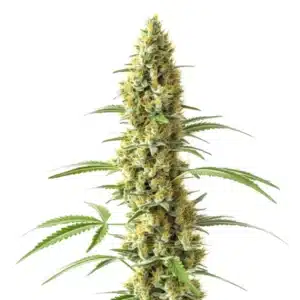
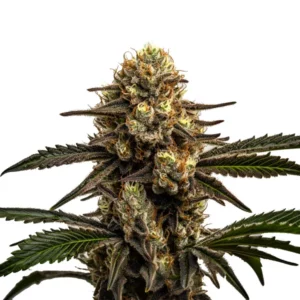
Orange Bud

|
THC | 16% - 23% (Medium) |

|
Type | Feminized |

|
Yield | Medium |

|
Phenotype | 45% Indica / 55% Sativa |
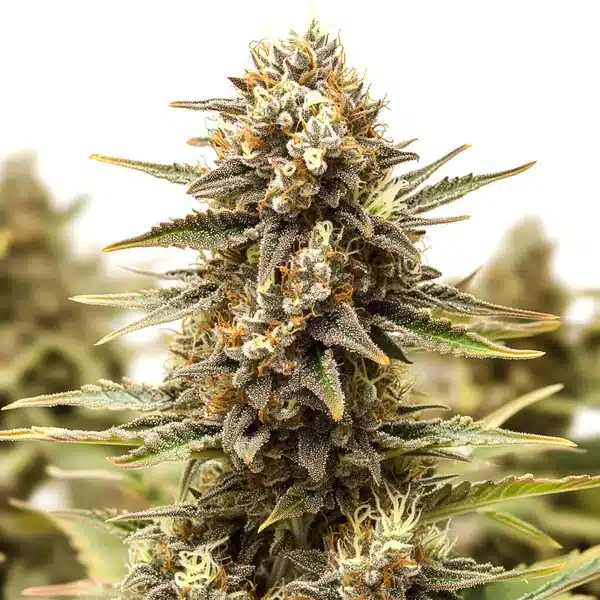
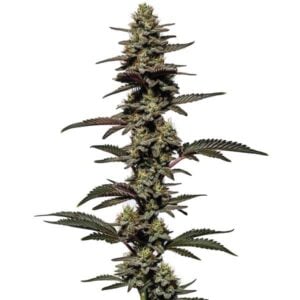
Orange Cake
|
|
THC | 18% - 23% (Medium) |
|
|
Type | Feminized |
|
|
Yield | High |
|
|
Phenotype | 50% Indica / 50% Sativa |
Odor Control Methods (Ranked)
What actually keeps a grow discreet:
| Method | Role |
|---|---|
| Carbon filter on exhaust | Scrubs odor from air before it leaves (essential) |
| Sealed room/tent + negative pressure | Stops unfiltered air escaping |
| Good airflow / circulation | Prevents stagnant, smelly pockets; aids filter |
| Low-odor strains | Less pungent at the source |
| Air purifier / odor neutraliser | Extra control for the room |
Promos & Deals
Why Growing Cannabis Smells
Cannabis plants smell because of terpenes, the aromatic compounds that give each strain its scent and flavor, and a growing (especially flowering) plant releases these into the air continuously. The more terpene-rich and pungent the strain, the stronger the smell, and factors like temperature, humidity and airflow affect how much odor builds up and lingers. Knowing this tells you exactly how to control it: you either capture and destroy the odor-carrying air (a carbon filter), prevent it escaping (a sealed, negative-pressure space), choose plants that produce less of it (low-odor strains), or neutralise it in the room (air purifiers, neutralisers).
Simply masking the smell with air fresheners doesn’t work for a grow, the plant produces odor constantly, so you need to actually remove or contain it. That’s why serious indoor growers build odor control into the setup rather than treating it as an afterthought.
The Carbon Filter: Your Main Weapon
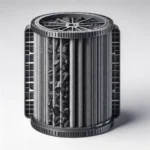
A carbon (activated charcoal) filter is the backbone of odor-free growing. Fitted to your extraction fan, it pulls the grow space’s air through activated carbon that traps the odor molecules, so the air leaving your tent or room is scrubbed of that tell-tale cannabis smell. For it to work, the filter must be sized correctly to your space and fan (too small and it can’t keep up), and paired with a properly ventilated, sealed setup. Carbon filters do wear out over time, so replace yours as needed.
Done right, a good carbon filter is remarkably effective, it’s how commercial and discreet home grows stay odor-free even in full flower. If you do only one thing for odor control, make it a correctly-sized carbon filter on a solid extraction system; everything else supports it. It’s the difference between a grow nobody notices and one the whole building can smell.
Sealing and Ventilation (Negative Pressure)
A carbon filter only works if the air is forced through it, which is where sealing and ventilation come in. Set up your grow as a sealed space (a zipped tent or sealed room) and run the extraction fan so it creates slight negative pressure, meaning the space pulls air inward through intakes and pushes all outgoing air through the carbon filter, rather than letting unfiltered, smelly air leak out through gaps. Seal cracks, run cables through sealed ports, and make sure the only significant air exit is via the filter.
Good internal circulation fans also help by keeping air moving so odor and humidity don’t build up in pockets. This sealed, negative-pressure, filtered airflow is the core system behind odor-free growing: contain the air, pass it through carbon, and nothing smelly escapes. Get the sealing and airflow right and your filter can do its job properly.
Low-Odor Strains and Stage-by-Stage Control
You can also fight odor at the source and by timing. Some strains are simply far less pungent than others, so choosing low-odor strains makes discreet growing much easier, a big help if ventilation is limited. Timing matters because odor isn’t constant: seedlings and early veg smell relatively little, odor ramps up through veg, and flowering is by far the smelliest stage as terpene production peaks (which is why ‘no smell during flowering’ is a common worry), with drying and curing also releasing strong aromas.
So scale your odor control up for flower and the post-harvest period especially. Combine low-odor genetics with the carbon-filter-and-sealed-space system, add an air purifier or neutraliser in the room if needed, and manage drying/curing in a controlled area. For more, see our guide to controlling the smell of marijuana plants.
The Bottom Line on Growing Weed Without Smell
You can’t make a cannabis grow truly odorless, but you can get very close. The core system is a correctly-sized carbon filter on your exhaust, a sealed grow space running slight negative pressure so all air exits through the filter, and good internal airflow, back it up with low-odor strains and, if needed, a room air purifier or neutraliser. Remember odor peaks in flowering and during drying/curing, so ramp up control then.
Masking smells with air fresheners won’t work; you have to capture, contain or reduce the odor at the source. Build odor control into your setup from the start and your indoor grow can stay genuinely discreet. For removing lingering smell generally, see our guide on getting rid of weed smell.

FAQs: How to grow Marijuana Indoors Without Smell
How can I grow marijuana without smell?
Fit a correctly-sized carbon (charcoal) filter to your exhaust fan to scrub odor from the air, in a sealed grow space running slight negative pressure so all air exits through the filter, with good internal airflow. Add low-odor strains and, if needed, a room air purifier. Truly odorless is hard, but this gets a grow very discreet.
Why is flowering the smelliest stage?
Because terpene production, the source of cannabis aroma, peaks during flowering, so a flowering plant releases far more odor than a seedling or veg plant. Drying and curing also release strong smells. That’s why odor control (carbon filter, sealed space) matters most in flower and post-harvest; scale your setup up for those stages.
Do carbon filters stop grow odor?
Yes, a correctly-sized activated-carbon filter on your extraction fan is remarkably effective, it traps the odor molecules so the air leaving your space is scrubbed clean, which is how commercial and discreet home grows stay odor-free even in flower. It must be sized to your space and paired with a sealed, negative-pressure setup, and replaced as it wears out.
Do low-odor strains exist?
Yes. Some strains are bred to be far less pungent than typical gassy or skunky varieties, making discreet growing much easier, especially where ventilation is limited. Choosing a low-odor strain reduces the problem at the source, but it’s best combined with a carbon filter and sealed space rather than relied on alone, since all cannabis produces some smell in flower.