Water Activity and Volatile Loss in Stored Cannabis

Water activity and volatile loss: In stored cannabis, maintaining water activity between 0.55 and 0.65 is crucial for preserving volatile compounds. These compounds are essential for the plant’s aroma and therapeutic effects. Proper management of water activity and volatile loss in stored cannabis can significantly impact the quality and longevity of stored cannabis, ensuring it remains potent and effective over time.
Preserving the aromatic and therapeutic qualities of cannabis involves understanding the role of terpenes and cannabinoids, which are highly sensitive to storage conditions. The balance between humidity and temperature is key to maintaining these compounds. By optimizing storage environments, you can significantly extend the shelf life of cannabis, keeping it fresh and potent.
Recommended Strains
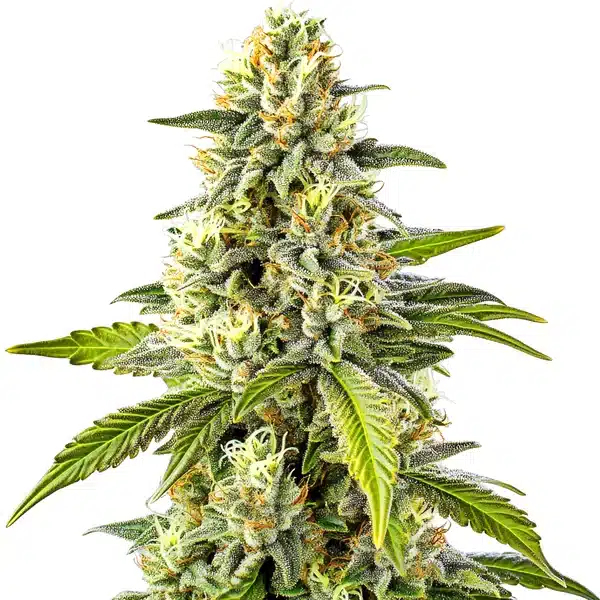
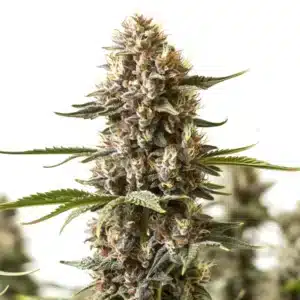
Cheese

|
THC | 14% - 18% (Medium) |

|
Type | Feminized |

|
Yield | Medium |

|
Phenotype | 60% Indica / 40% Sativa |
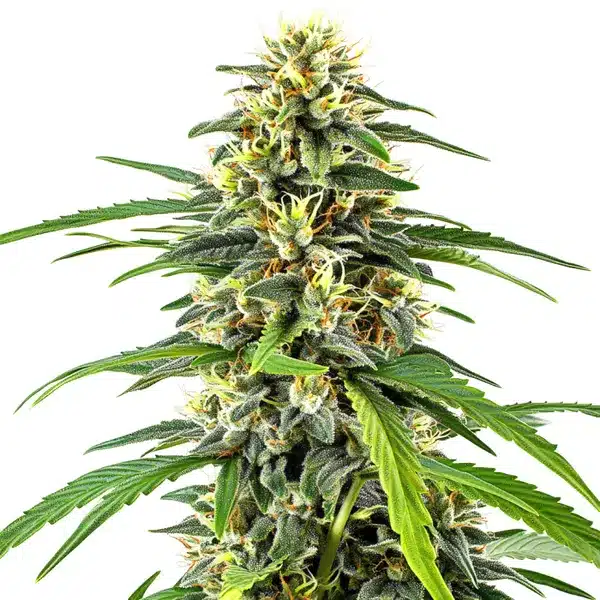
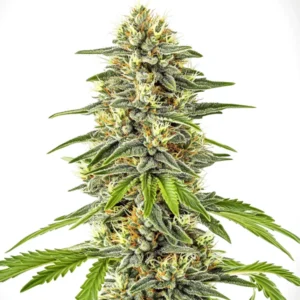
Amnesia Haze
|
|
THC | 18% - 22% (Medium) |
|
|
Type | Feminized |
|
|
Yield | High |
|
|
Phenotype | 30% Indica / 70% Sativa |
What is Water Activity in Cannabis?
Measuring Water Activity
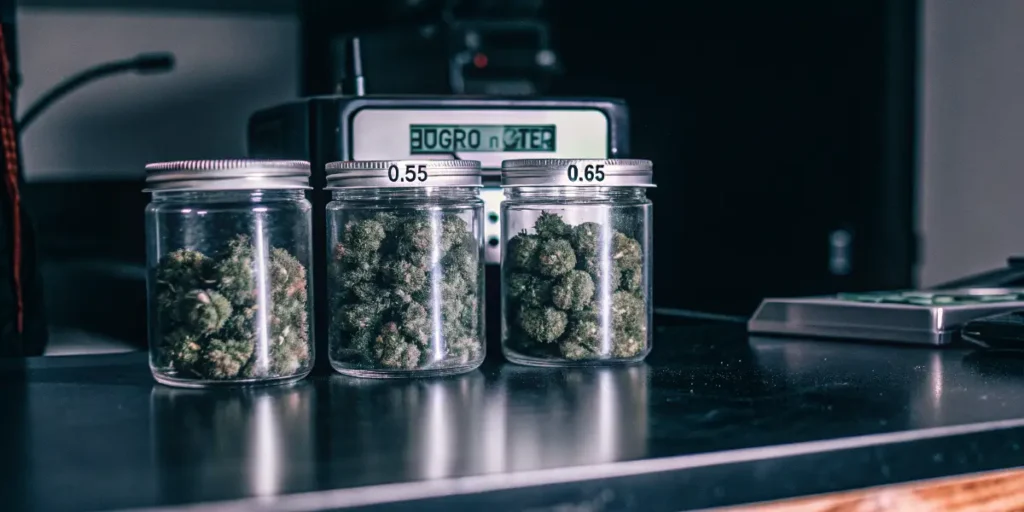
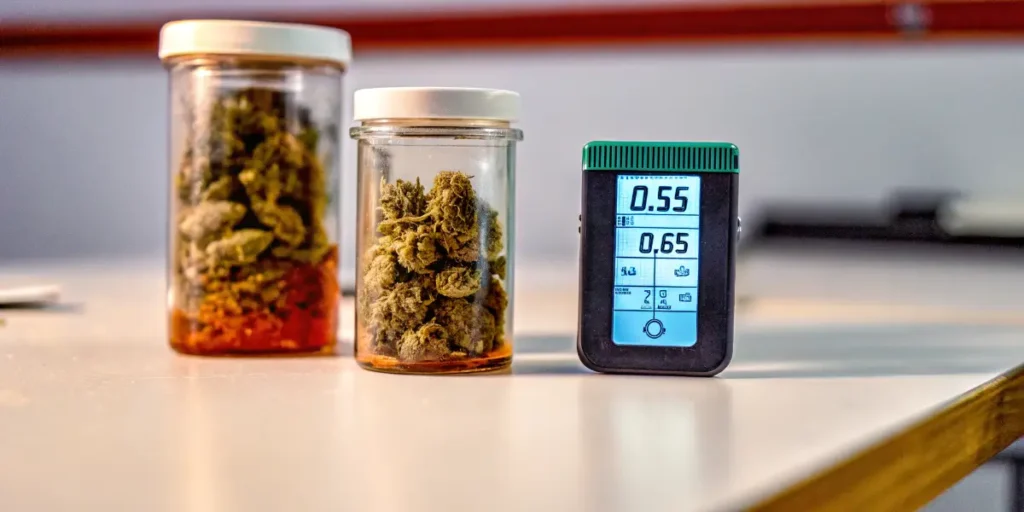
Water activity in cannabis refers to the availability of water molecules for microbial growth, not the total moisture content. It is measured on a scale from 0 to 1, with cannabis ideally kept between 0.55 and 0.65. This range minimizes the risk of mold while preserving terpenes and cannabinoids, which are crucial for the plant’s flavor and potency.
Experienced growers use digital hygrometers to measure water activity accurately. These devices help ensure that cannabis is stored within the ideal range, preventing the degradation of valuable compounds. Maintaining this balance is essential for both safety and quality, as too much moisture can lead to mold, while too little can cause volatile loss.
Practical Application & Impact
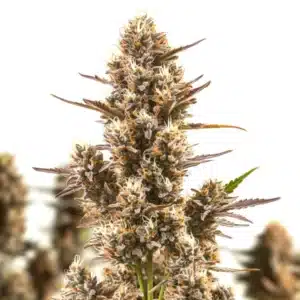
Properly managing water activity ensures that stored cannabis retains its full spectrum of effects and flavors. For instance, strains like Cheese are known for their resin production, which can be compromised if water activity is not controlled. This strain’s unique terpene profile, dominated by caryophyllene, contributes to its earthy aroma and therapeutic benefits.
Maintaining optimal water activity also prevents the loss of cannabinoids, which are critical for the plant’s psychoactive and medicinal properties. By using airtight containers and monitoring humidity levels, you can protect these compounds, ensuring your cannabis remains potent and effective for longer periods.
Promos & Deals
Volatile Compounds in Cannabis
Effects of Volatile Loss
Volatile compounds, including terpenes and flavonoids, are responsible for the distinctive aroma and flavor of cannabis. These compounds evaporate easily, especially when exposed to high temperatures or low humidity. Volatile loss not only diminishes the sensory experience but also impacts the therapeutic effects, as terpenes interact synergistically with cannabinoids.
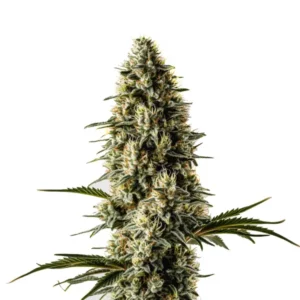
For example, myrcene, a common terpene in strains like Amnesia Haze, enhances THC uptake, providing a more potent psychoactive experience. Maintaining proper storage conditions helps preserve these compounds, ensuring that the full entourage effect is achieved, maximizing both flavor and efficacy.
Preventive Measures for Storage
To prevent volatile loss, store cannabis in a cool, dark place, ideally at temperatures between 59°F and 70°F (15°C and 21°C). Use airtight containers to minimize exposure to air, which can accelerate the evaporation of volatile compounds. Amber glass jars are particularly effective, as they block UV light, further protecting the integrity of the cannabis.
Regularly check the humidity levels in your storage area, aiming for 58-62% RH. This range helps maintain the balance between preserving moisture and preventing mold growth. By implementing these measures, you can ensure that your cannabis retains its full spectrum of flavors and effects over time.
Relationship Between Water Activity and Volatile Loss
Preventive Measures for Storage
Maintaining the correct water activity is crucial for minimizing volatile loss. When cannabis is stored at the appropriate water activity level, it helps retain its terpenes and cannabinoids. This preservation is vital for ensuring the plant’s full therapeutic and sensory benefits are available upon consumption.
To achieve this, use humidity control packs that stabilize the environment within storage containers. These packs can absorb or release moisture to maintain the desired humidity level, preventing the degradation of valuable compounds. This method is particularly effective for long-term storage, where fluctuations in humidity can lead to significant volatile loss.
Ideal Conditions and Tools
For optimal storage, keep cannabis in a cool, dark environment with a consistent temperature of 59°F to 70°F (15°C to 21°C). This range helps prevent the breakdown of cannabinoids and terpenes. Use airtight containers, such as glass jars with rubber seals, to protect against air exposure, which can accelerate volatile loss.
Invest in a digital hygrometer to monitor humidity levels accurately. This tool provides real-time data, allowing you to adjust storage conditions as needed to maintain the ideal environment. By taking these precautions, you can ensure that your cannabis remains potent and flavorful for months.
Best Practices for Storing Cannabis
Ideal Conditions and Tools
Storing cannabis properly involves maintaining a stable environment that protects against light, air, and humidity fluctuations. Use opaque, airtight containers to shield the plant from UV light, which can degrade cannabinoids and terpenes. These containers also prevent air exposure, which can lead to the oxidation of valuable compounds.
Keep your storage area at a consistent temperature between 59°F and 70°F (15°C and 21°C) to minimize the risk of degradation. Avoid storing cannabis in areas with high humidity, as this can promote mold growth. Instead, aim for a relative humidity of 58-62%, which is ideal for preserving the plant’s integrity.
Professional Tips
- Maintain 58-62% RH during storage to prevent mold and preserve terpenes.
- Store cannabis at 59°F to 70°F (15°C to 21°C) to protect cannabinoids from degradation.
- Use airtight containers to minimize air exposure and volatile loss.
- Check humidity levels regularly with a digital hygrometer for accurate monitoring.
- Use humidity control packs to stabilize the environment within storage containers.
- Avoid storing cannabis in direct sunlight to prevent UV degradation.
FAQs about water activity and volatile loss in stored cannabis
What is the ideal water activity for cannabis?
The ideal water activity for cannabis is between 0.55 and 0.65. This range helps prevent mold growth while preserving terpenes and cannabinoids, which are essential for the plant’s flavor and potency. Maintaining this balance ensures that stored cannabis retains its quality and therapeutic effects over time.
What is the 60-60 rule for drying cannabis?
The 60-60 rule for drying cannabis refers to maintaining 60% relative humidity and 60°F (15.5°C) during the drying process. This balance helps preserve terpenes and cannabinoids while preventing mold growth. Proper drying is crucial for maximizing the flavor and potency of the final product.
How to get moisture back in cannabis?
To rehydrate overdried cannabis, use humidity control packs or place a small piece of citrus peel in the storage container. These methods help restore moisture levels, preventing further volatile loss. Ensure the container is airtight to maintain the desired humidity and avoid mold growth.
What happens when you overdry cannabis?
Overdrying cannabis can lead to the loss of terpenes and cannabinoids, reducing its flavor and potency. It can also make the plant brittle, affecting its overall quality. To avoid this, monitor humidity levels and use airtight containers to maintain optimal storage conditions.
Can volatile loss affect the therapeutic effects of cannabis?
Yes, volatile loss can significantly impact the therapeutic effects of cannabis. Terpenes, which contribute to the plant’s aroma and flavor, also play a role in its medicinal properties. Preserving these compounds is essential for achieving the full entourage effect and maximizing the plant’s benefits.