High AW Cannabis Flower Risks and Fixes Explained

High AW Risks: High water activity (AW) in cannabis flowers can lead to mold growth, reducing potency and quality. Proper drying and curing can decrease AW by up to 50%, ensuring a safer product. Maintaining AW levels below 0.65 is crucial to prevent microbial growth and preserve cannabinoid integrity, helping growers avoid the high aw cannabis flower risks and fixes commonly associated with improper storage and curing conditions.
High water activity in cannabis flowers can severely impact the terpene profile and overall aroma. The ideal flowering time for reducing AW is between 8 to 10 weeks, depending on the strain. Ensuring proper environmental conditions during this period is key to preserving the plant’s natural flavors and effects.
Recommended Strains
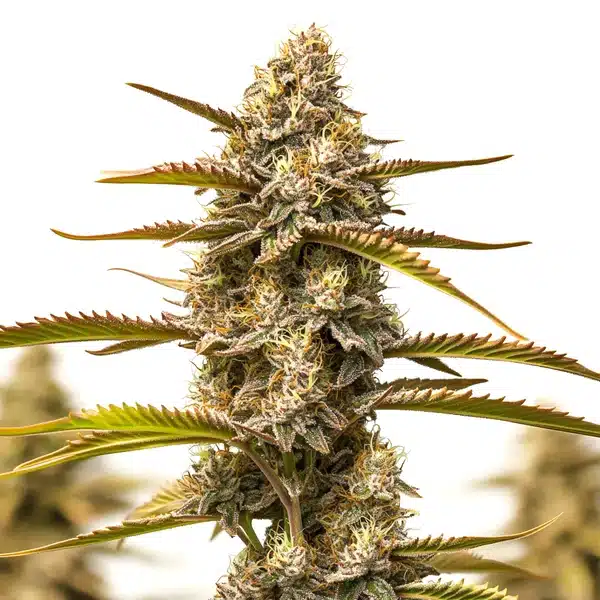
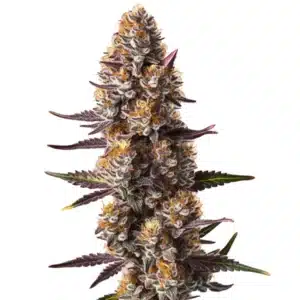
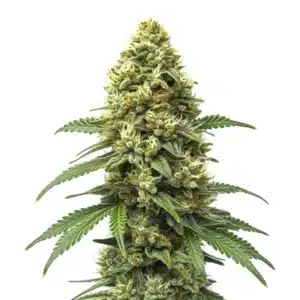
Z OG Grape Bubble Autoflower

|
THC | 20% - 24% (High) |

|
Type | Autoflowering |

|
Yield | Medium |

|
Phenotype | 40% Indica / 60% Sativa |

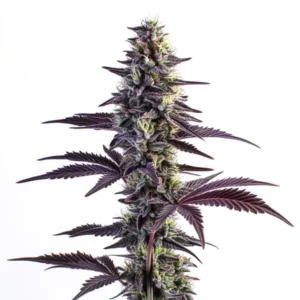
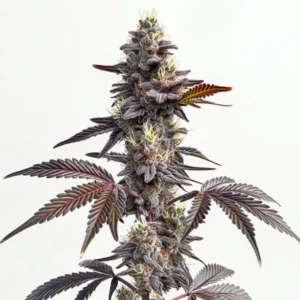
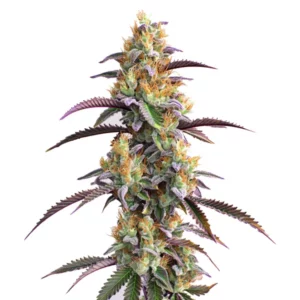
9 Pound Hammer
|
|
THC | 18% - 23% (Medium) |
|
|
Type | Feminized |
|
|
Yield | High |
|
|
Phenotype | 80% Indica / 20% Sativa |
High AW in Cannabis Flowers: What You Need to Know
What is AW and Why Does it Matter?
AW, or water activity, measures the free moisture in cannabis flowers, crucial for preventing mold and maintaining quality. High AW levels, above 0.65, can lead to microbial growth, impacting the flower’s integrity and highlighting the importance of knowing high aw cannabis flower risks and fixes. Experienced growers report that controlling AW involves maintaining a relative humidity (RH) of 58-62% during curing. This range helps preserve cannabinoids and terpenes, enhancing the flower’s potency and flavor. Deviations can lead to quality degradation within days.
Cannabis Use and AW Management
When considering cannabis use, it’s essential to understand AW to ensure quality. High AW can compromise the flower’s safety and efficacy. Proper drying and curing techniques are essential to maintain the desired effects and prevent spoilage. Master growers have pointed out that using hygrometers to monitor RH during storage is vital. This practice helps maintain AW within the safe range, preventing mold and preserving the flower’s therapeutic properties.
Promos & Deals
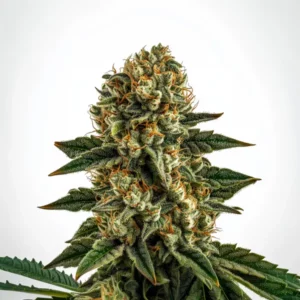
High AW Cannabis Flower Risks
Mold and Mildew Concerns
Mold and mildew thrive in environments with high AW, posing significant risks to cannabis flowers. These pathogens can develop rapidly when AW exceeds 0.70, leading to health hazards for consumers. Many cultivators share that maintaining AW below 0.65 can significantly reduce mold risks. Using dehumidifiers and ensuring adequate airflow during the drying process are effective strategies to achieve this goal.
Effects on Potency and Quality
High AW not only increases mold risks but also affects the potency and quality of cannabis. It can lead to cannabinoid degradation, reducing the flower’s therapeutic effects. In artisanal cultivation circles, maintaining AW within the optimal range preserves the flower’s cannabinoid profile. This ensures the desired effects, whether it’s the calming influence of CBD or the psychoactive experience of THC.
Fixes for High AW in Cannabis Flowers
Drying and Curing Techniques
Proper drying and curing are essential to manage AW in cannabis flowers. Drying should occur at 60-70°F (15-21°C) with 45-55% RH to gradually reduce moisture. This process typically takes 7-14 days, depending on environmental conditions. Learn effective drying techniques with Blimburn Seeds’ guide on drying and curing. This resource provides detailed steps to ensure quality preservation and mold prevention.
Storage Solutions
Once cured, storing cannabis at 58-62% RH and 59-70°F (15-21°C) helps maintain AW levels. Using airtight containers, such as mason jars, prevents moisture fluctuations that can lead to quality degradation. Prevent mold in your cannabis by following Blimburn Seeds mold prevention tips. These strategies are crucial for long-term storage and maintaining the flower’s potency and flavor.
| Feature / Merkmal | Zkittlez Grape Bubble Autoflower | 9 Pound Hammer | Bruce Banner 3 |
|---|---|---|---|
| THC% | 20-24% | 18-23% | 20-29% |
| Dominant Terpene | Myrcene | Myrcene | Caryophyllene |
| Flavors | Candy, Citrus, Fruity, Sweet | Berry, Citrus, Fruity, Grape, Sweet | Earthy, Fruity, Sweet |
| Effects | Energetic, Euphoric, Happy | Euphoric, Powerful, Relaxed | Happy, Relaxed, Talkative |
| AW Management | Moderate | High | Moderate |
Long-term Effects of High AW on Cannabis
Effects of Cannabinoids on the Brain
High AW can alter the composition of cannabinoids, impacting their effects on the brain. Cannabinoids like THC and CBD interact with the brain’s receptors, influencing mood and perception. Maintaining optimal AW ensures these compounds remain effective. Knowing high aw cannabis flower risks and fixes is essential, as long-term effects of cannabinoids on the brain can include anxiety and altered behavior. Ensuring proper AW management helps preserve the therapeutic benefits of cannabis, minimizing potential negative outcomes.
Is Cannabis Bad?
Is cannabis bad? This question often arises due to concerns about high AW and its effects. While cannabis has therapeutic benefits, improper storage can lead to quality degradation, impacting its efficacy. Proper AW management is crucial for safe and effective use. Ensuring proper AW levels helps preserve the flower’s therapeutic properties, reducing potential risks.
Professional Tips for Managing AW
- Maintain 58-62% RH during curing to preserve terpenes and cannabinoids. Below 55% arrests development; above 65% promotes mold.
- Store cannabis at 59-70°F (15-21°C) to prevent moisture fluctuations. Use airtight containers to maintain AW.
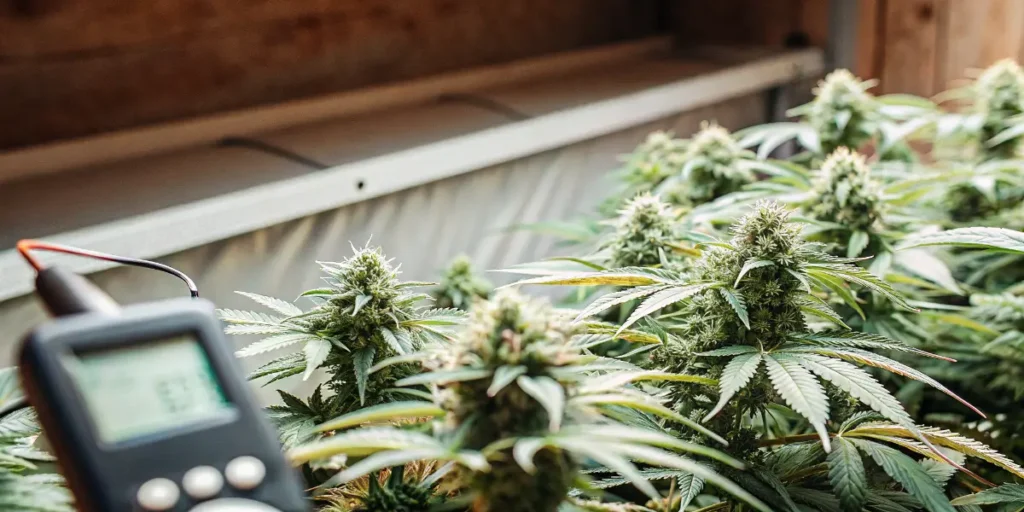
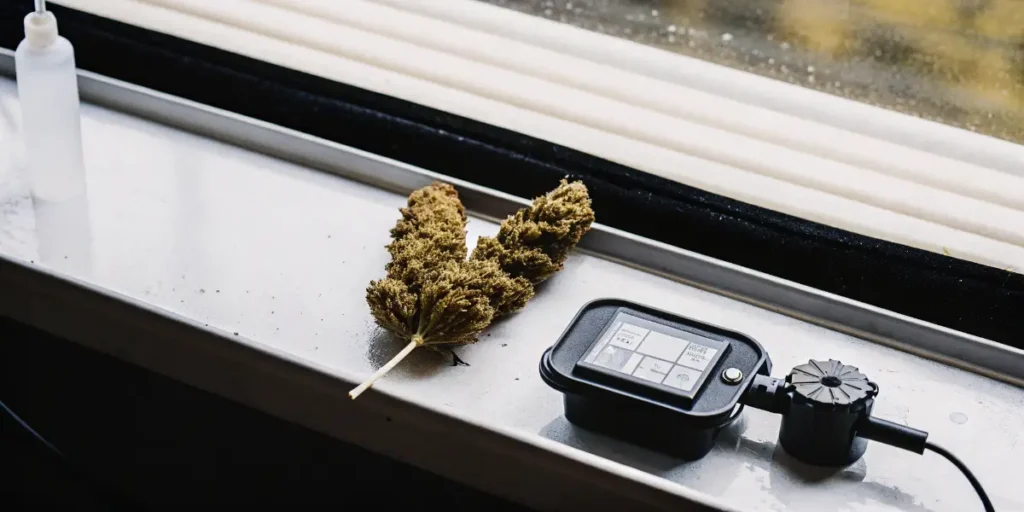
- Use a calibrated digital hygrometer for accurate RH readings. Avoid analog devices for precise monitoring.
- Ensure adequate airflow during drying to reduce AW effectively. Stagnant air can lead to uneven drying and mold growth.
- Regularly check stored cannabis for signs of moisture or mold. Early detection prevents quality degradation.
- Consider using desiccant packs in storage containers to control humidity. Replace them regularly to maintain effectiveness.
FAQs about High AW Cannabis Flowers
What are the first signs of cannabinoid hyperemesis syndrome?
Cannabinoid hyperemesis syndrome is characterized by severe nausea, vomiting, and abdominal pain. It often occurs in chronic cannabis users. Symptoms can escalate quickly, requiring medical attention. Recognizing these signs helps in early detection and management.
What are the symptoms of too high AW in cannabis flowers?
Too high AW in cannabis flowers can lead to mold growth, a musty odor, and reduced potency. These symptoms indicate compromised quality, making the product unsafe for consumption. Regular monitoring of AW levels is essential to prevent these issues.
What is the most common issue with cannabis flowers?
The most common issue with cannabis flowers is mold growth due to high AW. This can occur when AW exceeds 0.70, leading to health risks and quality loss. Proper drying and curing techniques are vital to prevent this problem.
How does AW affect the potency of cannabis?
AW affects cannabis potency by influencing cannabinoid stability. High AW can lead to degradation of THC and CBD, reducing their effectiveness. Maintaining AW below 0.65 helps preserve these compounds, ensuring the flower’s potency.
Can improper AW management lead to long-term effects?
Improper AW management can lead to long-term effects such as cannabinoid degradation and mold growth. These issues compromise the flower’s quality and safety. Regular monitoring and proper storage techniques are essential to prevent these outcomes.