How to Safely Raise Aw in Overdried Buds

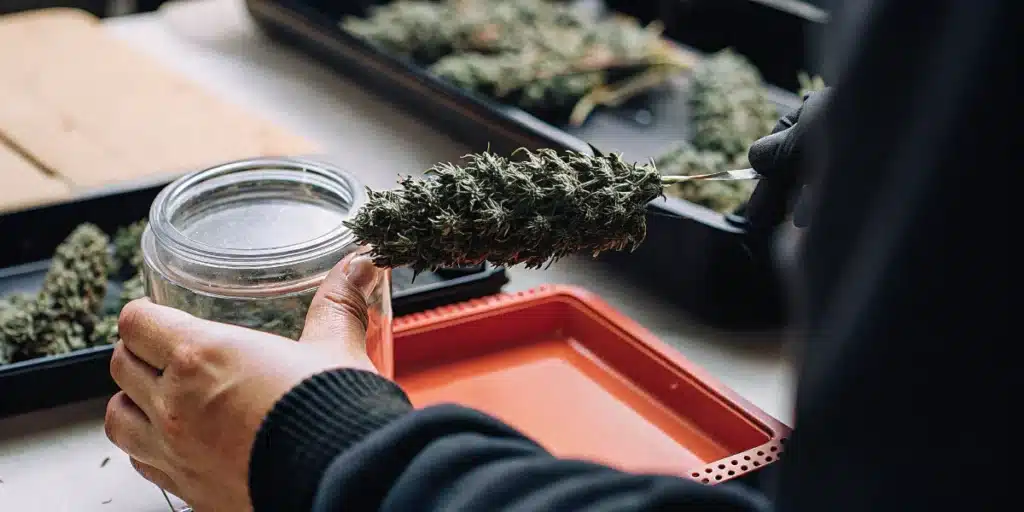
Restoring Water Activity: To safely raise the water activity (aw) in overdried cannabis buds, use controlled rehydration techniques like humidity packs or moisture-rich environments. These methods help increase aw without promoting mold growth. Aim for an aw range of 0.55 to 0.65 to preserve cannabinoids and terpenes effectively, as recommended by experienced growers.
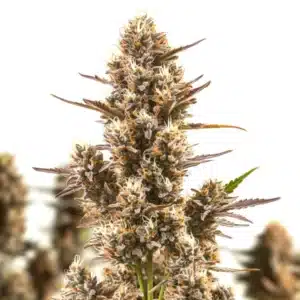
When cannabis buds dry out excessively, they lose essential terpenes and cannabinoids, impacting flavor and potency. If you’re wondering how do I raise aw safely for overdried buds, proper humidity control during the curing process can help restore moisture without compromising quality. By focusing on terpene preservation and optimal flowering times, you can enhance the overall quality of your harvest. Balancing drying and curing is crucial for maintaining the desired effects and aromas in strains like GG4 Auto.
Recommended Strains
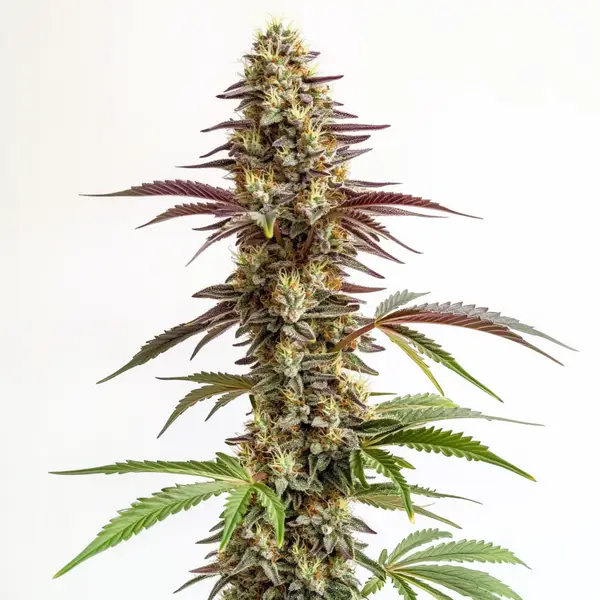
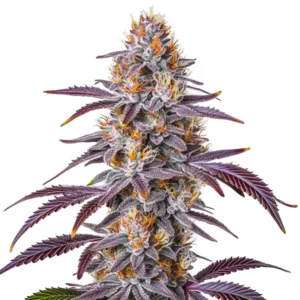
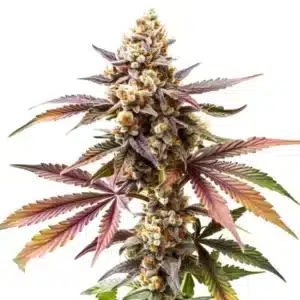
Blue Cookies

|
THC | 18% - 21% (Medium) |

|
Type | Feminized |

|
Yield | Medium |

|
Phenotype | 90% Indica / 10% Sativa |

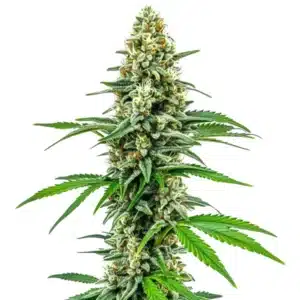
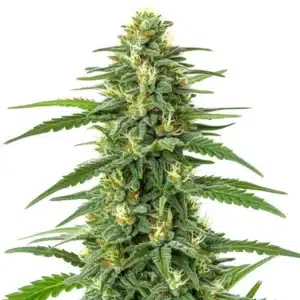
Gelato FBV
|
|
THC | 19% - 22% (Medium) |
|
|
Type | Fast Flowering |
|
|
Yield | High |
|
|
Phenotype | 50% Indica / 50% Sativa |
How Do I Raise Aw Safely for Overdried Buds?
Methods to Increase Aw
To safely raise aw in overdried buds, use humidity packs that maintain a stable RH. These packs, often set at 62%, gradually rehydrate buds without risking mold. If you’re wondering how do I raise aw safely for overdried buds, humidity packs are generally the most reliable option. Alternatively, placing buds in a sealed container with a small piece of citrus peel can also increase moisture content, but should be monitored closely to avoid overhydration.
Another method involves using a damp paper towel inside a sealed container. This indirect moisture source helps control the rehydration process. Ensure the towel does not contact the buds directly, as this can lead to uneven moisture distribution and potential mold growth.
Common Mistakes to Avoid
Avoid direct contact with water, as it can cause mold within 48 hours. Instead, aim for gradual rehydration using controlled methods. Overhydrating buds can lead to a musty smell and compromised quality. Always monitor the RH inside curing jars, keeping it within the 58-62% range.
Many cultivators mistakenly believe that quick fixes like spraying water directly on buds are effective. However, this can lead to uneven moisture levels and increase the risk of mold. Instead, opt for slow, controlled rehydration techniques that maintain the integrity of the buds.
| Feature | GG4 Auto | Gelato FBV | Blue Cookies |
|---|---|---|---|
| THC Content | 18-24% | 19-22% | 18-21% |
| Dominant Terpene | Caryophyllene | Myrcene | Myrcene |
| Flavor Profile | Fruity, Pine | Earthy, Sweet | Berry, Earthy, Herbal |
| Ideal Aw Range | 0.55-0.65 | 0.55-0.65 | 0.55-0.65 |
| Effect | Happy, Relaxed, Talkative | Happy, Relaxed, Talkative | Creative, Euphoric, Uplifted |
Promos & Deals

Quick Drying Buds for Testing
When Testing New Strains
When testing new strains like GG4 Auto, quick drying methods are useful for immediate results. Techniques such as using a food dehydrator or placing buds in a warm, dry room can expedite the process. However, this may sacrifice some terpene content, affecting the overall aroma and flavor.
Quick drying is ideal for small samples intended for potency and effect testing. Ensure the drying temperature does not exceed 100°F (37.8°C) to prevent cannabinoid degradation. This method provides a rapid assessment of the strain’s characteristics without waiting for the full curing process.
Balancing Speed and Quality
While quick drying offers speed, it can compromise quality. For strains like Gelato Fbv, known for its complex terpene profile, it’s crucial to balance drying speed with quality preservation. Consider using a fan to circulate air, reducing drying time while maintaining some aromatic compounds.
Experienced growers suggest testing small batches first to evaluate the impact on flavor and potency. This approach allows for adjustments in drying techniques, ensuring that the final product meets quality expectations without unnecessary delays.
Drying and Curing for Beginners
Essential Techniques
Beginners often struggle with the drying and curing process, which is crucial to maintaining optimal aw levels. Start by hanging buds in a dark room with 60% RH and 70°F (21°C) temperature. This environment supports slow drying, preserving terpenes and cannabinoids.
After initial drying, transfer buds to curing jars, maintaining 58-62% RH. This step enhances flavor and potency over time. Use a hygrometer to monitor humidity, ensuring it remains within the ideal range to prevent mold and preserve quality.
Common Challenges
New growers may face challenges like overdrying or mold. To avoid these, monitor environmental conditions closely. Use airtight jars for curing, opening them daily to release excess moisture. This practice, known as burping, helps maintain the desired aw and prevents spoilage.
Patience is key during curing, as rushing the process can lead to subpar results. Allow buds to cure for at least two weeks, checking regularly for any signs of mold or excessive dryness. This careful approach ensures a high-quality final product.
Best Curing Jars for Bud
Choosing the Right Container
Selecting the best curing jars is essential for preserving the aw of your cannabis buds. Glass jars with airtight seals are preferred, as they prevent air exchange while allowing for easy monitoring. Consider using jars with built-in hygrometers for constant humidity tracking, especially if you’re wondering how do I raise aw safely for overdried buds during the curing and storage process.
For larger harvests, use multiple jars to avoid overcrowding. This ensures even air distribution and prevents mold. Label each jar with the strain and curing date for easy tracking and quality control.
Maintaining Optimal Conditions
Store jars in a cool, dark place, maintaining 58-62% RH. Avoid plastic containers, as they can impart unwanted flavors and allow moisture loss. Regularly check the RH and adjust using humidity packs if necessary to maintain the ideal curing environment.
Experienced growers recommend rotating jars periodically to ensure even curing. This practice helps maintain consistent quality across the entire batch, preserving the unique characteristics of each strain.
How Long to Dry Buds Before Jarring
Insights from Reddit
Typically, buds should dry for 5-7 days before jarring to ensure proper aw. According to Reddit users, the drying period can vary based on environmental conditions. Factors like humidity and temperature play significant roles in determining the optimal drying time.
Monitor the drying process closely, checking for signs of overdrying or mold. Buds should feel dry to the touch but not brittle. This balance ensures a smooth transition to the curing phase, preserving the desired quality and potency.
Adjusting for Environment
In humid climates, extend the drying period to prevent mold. Conversely, in dry areas, reduce drying time to avoid excessive moisture loss. Use a hygrometer to track RH, adjusting environmental controls as needed to maintain the ideal drying conditions.
For consistent results, consider using a drying rack to promote even air circulation. This method helps achieve uniform drying, reducing the risk of uneven moisture levels and ensuring a high-quality final product.
Drying Buds in Paper Bag
Advantages of Paper Bags
Using a paper bag can help control the drying process and maintain aw. The bag allows for gradual moisture release, preventing overdrying. Place buds loosely in the bag, folding the top to close it without sealing completely, allowing for air exchange.
This method is ideal for small batches, offering a simple and effective way to dry cannabis. Ensure the bag is stored in a cool, dark place, checking regularly for any signs of mold or excessive dryness.
Monitoring Progress
Check the buds daily, feeling for dryness and monitoring aroma. Adjust the bag’s closure to control moisture levels, ensuring a slow and even drying process. This technique helps preserve the unique flavors and effects of strains like Blue Cookies.
For best results, transfer buds to curing jars once they reach the desired dryness. This transition helps maintain quality, allowing for further flavor development and potency enhancement during the curing phase.
Managing an Over Dried Harvest
Rehydration Techniques
An over dried harvest can be salvaged by carefully rehydrating the buds. Use humidity packs to gradually restore moisture, placing them in sealed containers with the buds. Monitor RH closely, aiming for 58-62% to prevent mold.
Alternatively, use a damp paper towel in a sealed container, ensuring it does not touch the buds directly. This method provides controlled moisture release, helping to restore the buds’ texture and aroma without risking spoilage.
Preventing Future Issues
To prevent future overdrying, monitor drying conditions closely. Use a hygrometer to track RH, adjusting environmental controls as needed. Consider investing in a dehumidifier or humidifier to maintain optimal conditions.
Experienced growers recommend planning the drying process carefully, accounting for environmental factors and adjusting techniques as necessary. This proactive approach helps maintain the desired quality and potency of your cannabis harvest.
Why Buds Dry in 5 Days
Factors Influencing Drying Time
Factors like humidity and temperature can cause buds to dry in as little as 5 days. High temperatures and low humidity accelerate moisture loss, leading to faster drying. Monitor these conditions closely to prevent overdrying and preserve quality.
In controlled environments, adjust temperature and RH to slow the drying process. Aim for 70°F (21°C) and 60% RH to achieve a balanced drying time, ensuring optimal preservation of terpenes and cannabinoids.
Balancing Speed and Quality
While quick drying can be convenient, it often sacrifices quality. For strains like Gelato Fbv, known for its complex flavor profile, it’s crucial to prioritize quality over speed. Adjust drying conditions to ensure a slow, even process, preserving the unique characteristics of each strain.
Regularly check buds for dryness, feeling for the right texture and aroma. This hands-on approach helps maintain quality, allowing for adjustments in drying techniques to achieve the desired results.
Professional Tips for Maintaining Aw
- Maintain 58-62% RH during curing to preserve terpenes. Below 55% can arrest terpene development, while above 65% promotes mold within 48 hours. Use a digital hygrometer for accuracy.
- Dry buds at 70°F (21°C) to balance moisture loss and quality. Temperatures above 77°F (25°C) can degrade cannabinoids, while below 68°F (20°C) slows drying excessively.
- Use glass jars for curing to prevent air exchange. Plastic containers can leach chemicals and alter flavor profiles, compromising quality.
- Rotate curing jars weekly to ensure even moisture distribution. This prevents mold and maintains consistent quality across the batch.
- Check buds daily during drying for signs of overdrying or mold. Adjust environmental controls as needed to maintain optimal conditions.
- Use humidity packs for controlled rehydration of overdried buds. Avoid direct water contact, which can cause mold and uneven moisture levels.
FAQs on Raising Aw and Cannabis Drying
Should I adjust watering practices to prevent overdrying during flowering?
Yes, adjust watering based on plant needs and environmental conditions. During flowering, reduce watering frequency but increase volume to prevent overdrying. Maintain soil moisture at 60-70% to support healthy bud development, avoiding overwatering which can lead to root rot.
What techniques can help increase bud size without overdrying?
To increase bud size, use techniques like topping and low-stress training (LST). These methods promote even canopy growth, enhancing light exposure and airflow. Maintain 60-70% RH during flowering to prevent overdrying while encouraging robust bud development.
What are the safest methods to rehydrate overdried cannabis buds?
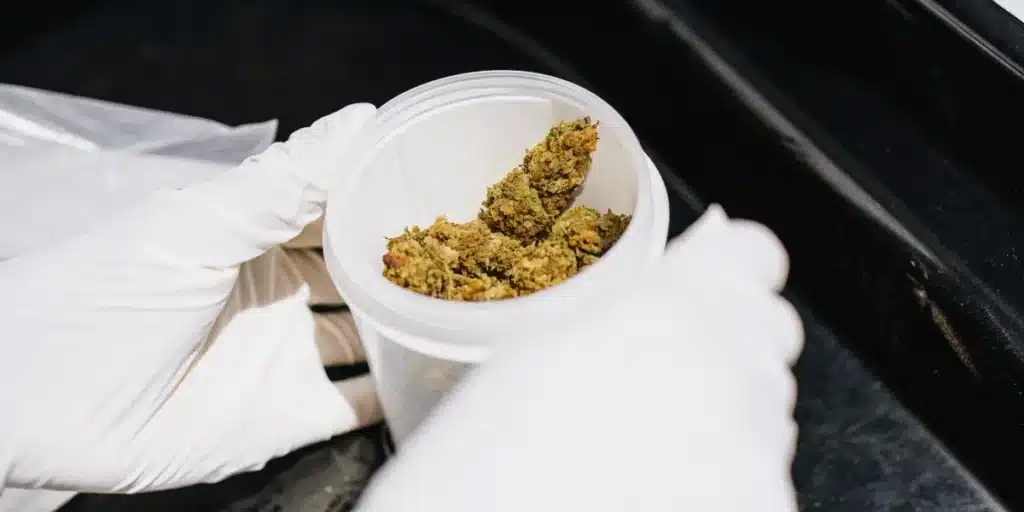
Safely rehydrate overdried buds using humidity packs or a damp paper towel in a sealed container. Monitor RH closely, aiming for 58-62% to prevent mold. Avoid direct water contact, which can cause uneven moisture levels and spoilage.
How to store cannabis to maintain optimal aw?
Store cannabis in airtight glass jars at 58-62% RH and 70°F (21°C). Avoid direct sunlight and high temperatures, which can degrade cannabinoids. Use humidity packs to maintain consistent moisture levels, preserving flavor and potency over time.
Can quick drying methods affect the potency of cannabis?
Yes, quick drying can affect potency by degrading terpenes and cannabinoids. High temperatures and low humidity accelerate this process, reducing flavor and therapeutic effects. For best results, dry slowly at 70°F (21°C) with 60% RH to preserve quality.