Signs Your Cannabis Water Activity (Aw) Is Too High

If your cannabis water activity (aw) is too high, meaning the buds hold too much free moisture (above roughly 0.65 aw, or around 65%+ relative humidity in the jar), the warning signs are clear: buds feel damp, soft or spongy rather than properly cured, you see condensation on the inside of the jar, and the smell turns musty, damp or ammonia-like instead of fresh and aromatic.
High aw is dangerous because it invites mold and microbial growth. The fix is to dry the buds down gently and control humidity toward the safe 0.55 to 0.65 range before sealing them away.
Recommended Strains

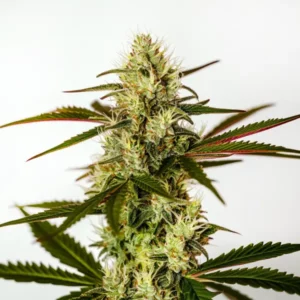
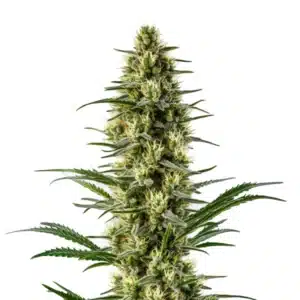
Blueberry x Jack Herer Auto

|
THC | 14% - 18% (Medium) |

|
Type | Autoflowering |

|
Yield | Low |

|
Phenotype | 30% Indica / 70% Sativa |

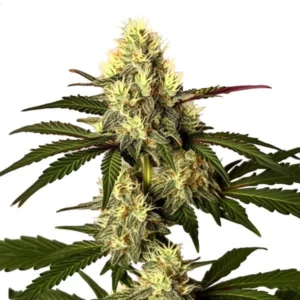
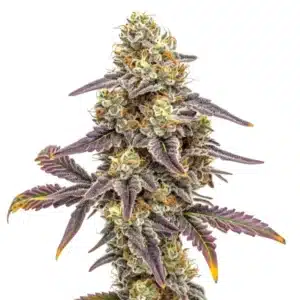
Agent Orange Regular
|
|
THC | 16% - 19% (Medium) |
|
|
Type | Regular |
|
|
Yield | High |
|
|
Phenotype | 30% Indica / 70% Sativa |
What ‘High Water Activity’ Actually Means
First, a clarification this topic badly needs: ‘high AW’ here means high water activity, a measure of free moisture in the buds, not anything to do with feeling high. Water activity (aw) runs from 0 to 1 and is the most precise indicator of whether cured cannabis is safe to store. The target range is about 0.55 to 0.65. When aw climbs above roughly 0.65, there is enough available moisture for mold and bacteria to grow, which is why high aw is a storage-safety problem. Knowing aw as a moisture measurement, nothing more, is the key to reading the signs correctly.
Promos & Deals
The Signs of Too-High Water Activity
Watch for these physical signs that your buds hold too much moisture:
| Sign | What it indicates |
|---|---|
| Damp, soft or spongy buds | Too much free moisture; aw too high |
| Condensation inside the jar | Excess humidity being released |
| Musty, damp or ammonia-like smell | Early microbial/mold activity, a red flag |
| Buds that do not break up when dry-handled | Still holding moisture internally |
| Hygrometer reading above ~65% | Jar humidity (and aw) too high |
How to Check by Feel, Smell and Sight
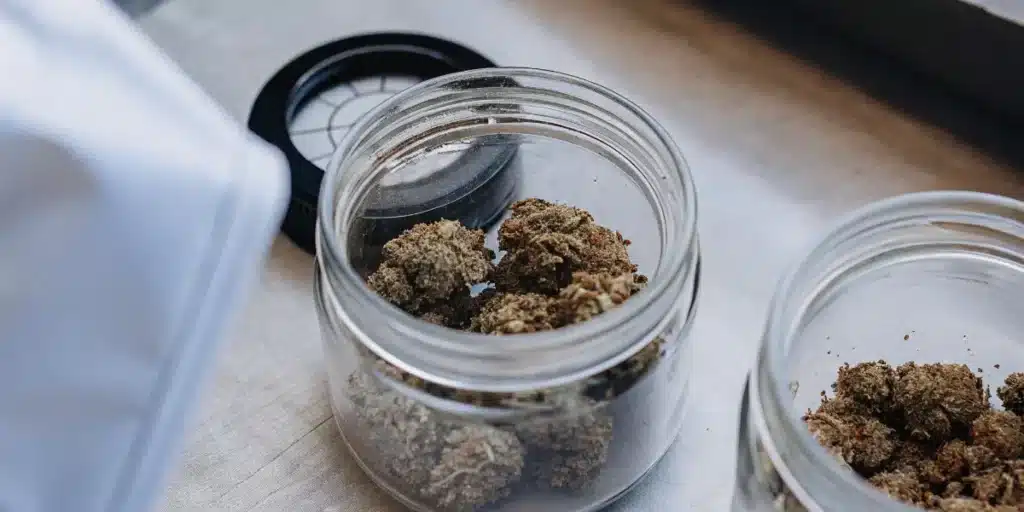
Even without lab gear, your senses catch most cases. By feel, properly cured buds are dry on the outside with a slight springiness, while high-aw buds feel damp, soft or spongy and may compress rather than crumble. By smell, a fresh terpene aroma is good; a musty, damp or sharp ammonia note means moisture and microbial activity, stop and inspect.
By sight, look for condensation inside the jar after it has been closed a while, and for any fuzzy or discolored spots that signal mold has already started. If feel, smell or sight raise concern, act immediately rather than sealing the jar back up and hoping.
How to Measure Water Activity
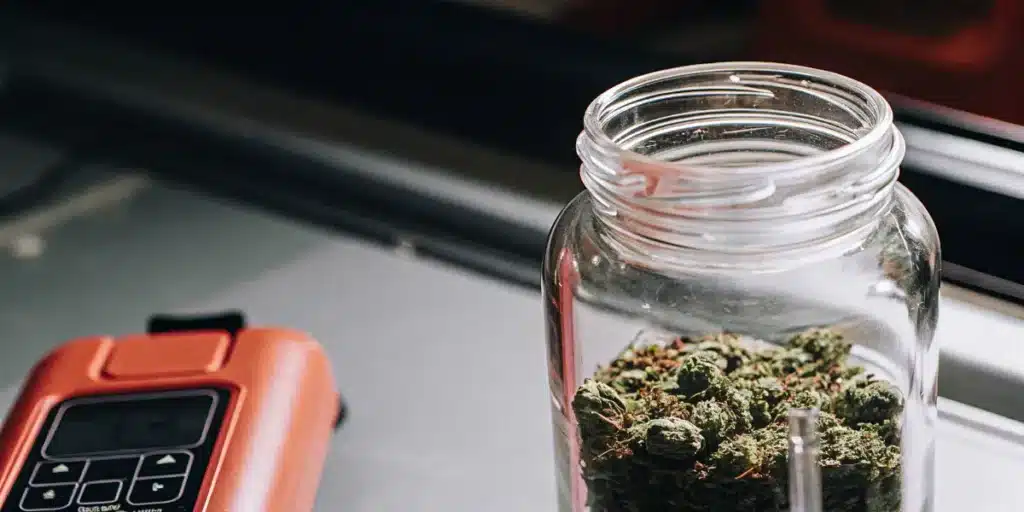
For a precise reading, a dedicated water activity meter measures aw directly and is the standard in labs and compliance testing, where the safe threshold (commonly aw at or below about 0.65) matters for legal sale. For home growers, a simple hygrometer placed in the sealed jar is a practical proxy: let the jar equilibrate, then read the relative humidity, aiming for roughly 58 to 62%, and treat readings creeping toward or above 65% as a sign aw is too high. Measuring beats guessing, because buds can feel ‘about right’ while actually sitting in a risky moisture range.
What to Do If Aw Is Too High
If you catch high aw, act promptly. Open the jars and let the buds breathe, returning them to drying conditions (cool, dark, well-ventilated) to shed the excess moisture gradually, and burp frequently as you would during curing. Do not seal damp buds away and hope they stabilise, that is exactly how mold takes hold. If you already see fuzzy growth or smell strong must, discard the affected buds rather than risk your health.
Once moisture is back in the safe range, reseal with a two-way humidity pack to hold it steady. For the full remediation detail, see our guide to high-aw risks and fixes.
High Aw vs Too-Dry: Finding the Balance
Aw problems run both ways. Too high (above ~0.65) risks mold and is the focus here; too low (below ~0.55) leaves buds brittle, harsh and stripped of aroma. The goal is the middle, roughly 0.55 to 0.65, where cannabis is safe to store yet still flavorful and smooth.
If you have over-corrected and dried buds out too far, the fix is the opposite: gentle rehydration, which we cover in our guide to safely raising aw in overdried buds. Reading the signs and measuring lets you land in that safe window rather than overshooting in either direction.
The Bottom Line on High Water Activity
High cannabis water activity, too much free moisture, shows up as damp, spongy buds, jar condensation and musty or ammonia-like smells, and it matters because it invites mold and spoilage. Check by feel, smell and sight, confirm with a hygrometer or aw meter, and if aw is too high, dry the buds down gently and control humidity back to the safe 0.55 to 0.65 range before sealing them.
Catch it early, never seal damp buds, and discard anything moldy. Managing aw is one of the simplest ways to keep cured cannabis safe and high quality.
FAQs on Cannabis Water Activity
What are the signs cannabis water activity is too high?
Damp, soft or spongy buds, condensation inside the jar, and a musty, damp or ammonia-like smell instead of fresh aroma. A jar hygrometer reading above about 65% also signals high aw. These mean too much free moisture, which risks mold, so act quickly to dry the buds back toward the safe 0.55 to 0.65 range.
What aw is too high for cannabis?
An aw above roughly 0.65 (around 65%+ relative humidity in the jar) is too high, because that is where mold and microbial growth become likely. The safe target is about 0.55 to 0.65. Below 0.55 the buds become too dry and harsh, so the middle of that range is ideal for safe, quality storage.
How do I fix cannabis with too-high water activity?
Open the jars and return the buds to cool, dark, ventilated drying conditions to shed moisture gradually, burping often, then reseal with a two-way humidity pack once they reach the safe range. Never seal damp buds away. If you see fuzzy growth or smell strong must, discard the affected buds, mold is a health risk.
Do I need a water activity meter, or is a hygrometer enough?
A dedicated aw meter is the precise, lab-standard tool, needed for compliance. For home use, a hygrometer in the sealed jar is a practical proxy: aim for about 58 to 62% relative humidity and treat readings nearing or above 65% as too high. Measuring either way beats guessing, since buds can feel fine while sitting at a risky moisture level.