AW Meter Calibration Standards for Cannabis: A Complete Guide

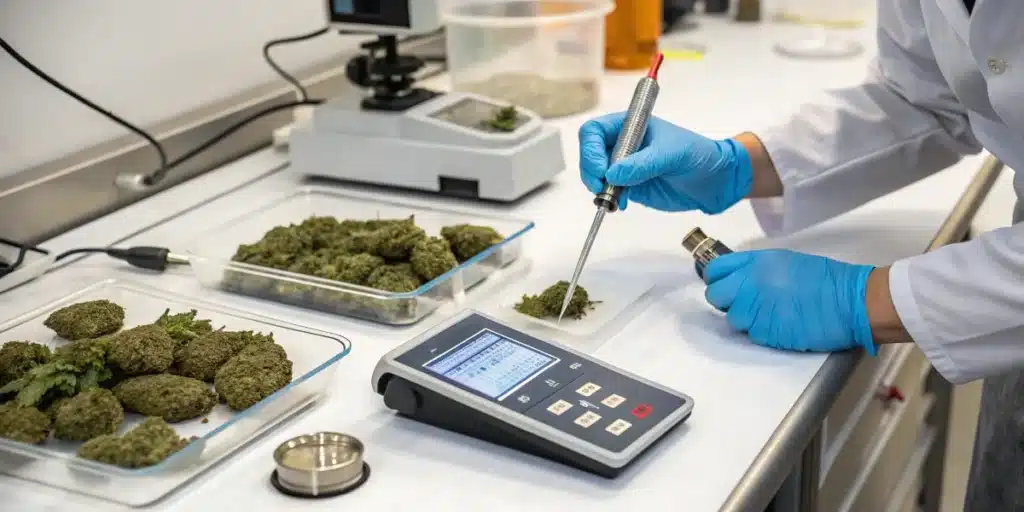
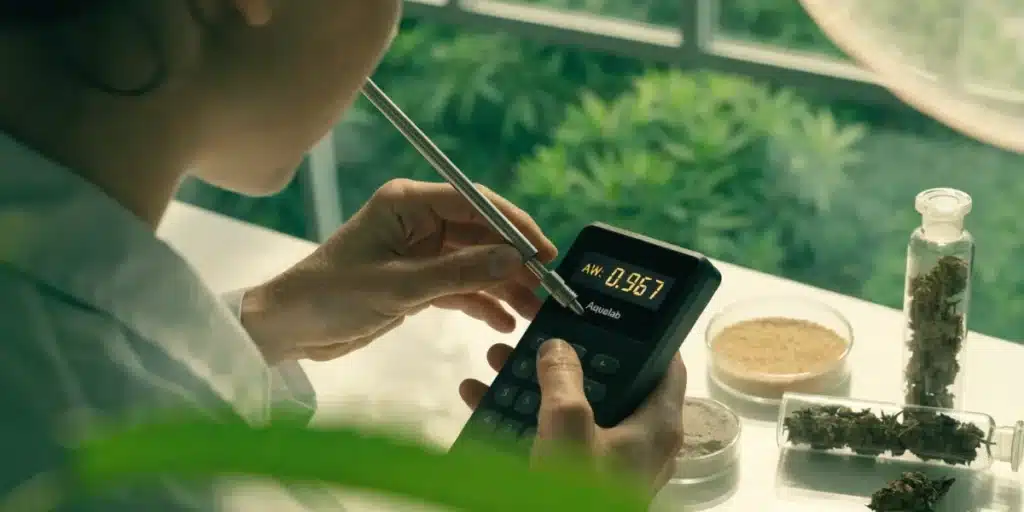
AW Meter Calibration: Ensuring accurate water activity measurements in cannabis is crucial for quality and safety. AW meter calibration standards for cannabis involve precise steps, often using tools like the Aqualab and PAWKIT meters. Proper calibration helps maintain optimal water activity levels, preventing mold and preserving potency. Regular calibration checks are vital, especially when using advanced meters like the Aqualab 4te, which require adherence to specific guidelines.
For cannabis cultivators, maintaining the right water activity levels is essential. This impacts terpene preservation, aroma, and overall quality. Master growers have communicated that AW meter calibration can significantly affect your harvest’s success. With a focus on tools like the Aqualab 4te and PAWKIT, this guide provides insights into achieving precise measurements and avoiding common pitfalls in calibration.
Recommended Strains

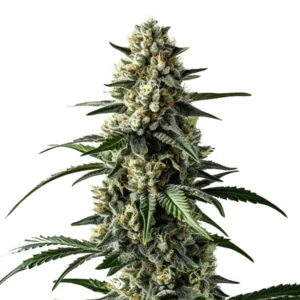
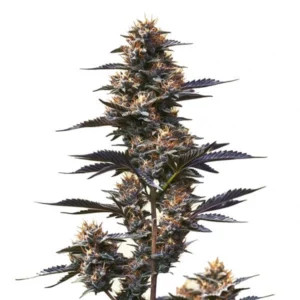
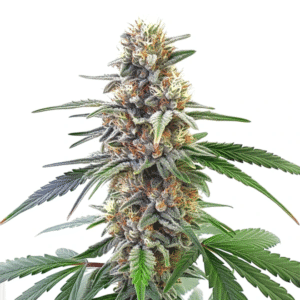
Zoap

|
THC | 24% - 26% (High) |

|
Type | Feminized |

|
Yield | High |

|
Phenotype | 50% Indica / 50% Sativa |
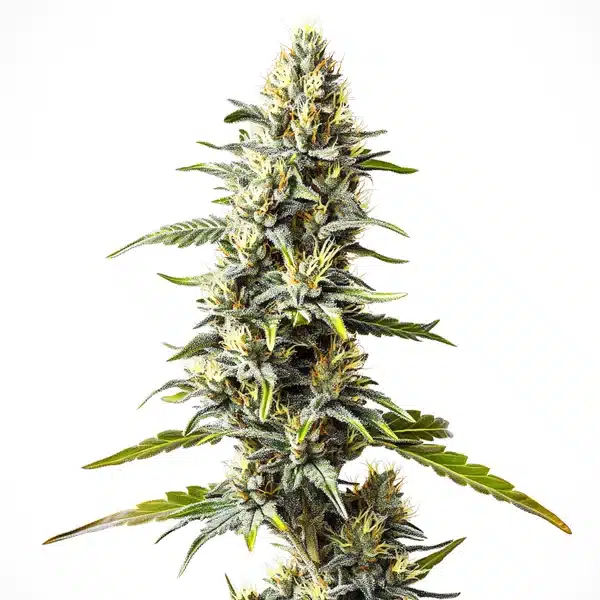
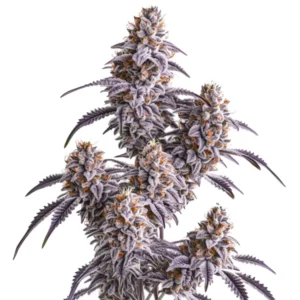
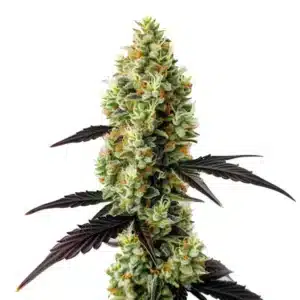
Cream Caramel
|
|
THC | 19% - 24% (High) |
|
|
Type | Feminized |
|
|
Yield | High |
|
|
Phenotype | 90% Indica / 10% Sativa |
AW Meter Calibration Standards for Cannabis
Importance of Calibration in Cannabis
Calibrating your AW meter is essential to ensure accurate moisture readings in cannabis, which directly affects product quality. Incorrect readings can lead to mold growth or loss of potency. Experienced growers emphasize the need for regular calibration, especially when using advanced devices like the Aqualab water activity meter, which can cost between $1,500 and $2,500.
Calibration involves using standard solutions to adjust the meter, ensuring it reads correctly. For cannabis, maintaining water activity levels between 0.55 and 0.65 is crucial to prevent microbial growth. This range ensures the preservation of terpenes, which contribute to the plant’s aroma and therapeutic effects.
Tools and Equipment Needed
To calibrate an AW meter effectively, you’ll need specific tools and aw meter calibration standards for cannabis. Aqualab water activity meters are popular due to their precision, but they require regular maintenance. Refer to the Aqualab water activity meter manual for detailed instructions on calibration. The PAWKIT water activity meter is another option, known for its portability and ease of use.
Calibration kits typically include standard solutions, which are essential for adjusting the meter’s readings. The Aqualab 4te manual suggests using solutions with known water activity levels to ensure accuracy. Regularly checking your meter against these standards helps maintain consistent results.
Promos & Deals
Step-by-Step Guide to AW Meter Calibration
Calibration Process Explained
When calibrating an Aqualab water activity meter, follow these specific steps to ensure accuracy. Begin by cleaning the sensor with a soft cloth to remove any residues. Next, use a standard solution with a known water activity level, such as 0.76, to calibrate the meter. The Aqualab 4te calibration process involves adjusting the meter until it reads the solution’s exact value.
For the PAWKIT water activity meter, the process is similar. Insert the standard solution, wait for stabilization, and adjust as necessary. Regular calibration checks, ideally every month, are recommended to maintain accuracy, especially in environments with fluctuating temperatures, helping preserve the quality and consistency of strains such as Zoap.
Common Calibration Standards for Cannabis
Adhering to meter water activity standards is crucial for consistent results. The Aqualab 4te manual provides detailed guidelines on maintaining these standards and following aw meter calibration standards for cannabis. Knowing the price range of Aqualab meters can help budget for quality calibration tools, ensuring your cannabis remains within the ideal moisture range.
Calibration standards often involve using solutions with water activity levels of 0.25, 0.50, and 0.75. These benchmarks help ensure your meter remains accurate across different conditions. Regularly comparing your readings to these standards helps identify any deviations early.
Troubleshooting and Best Practices
Avoiding Common Calibration Mistakes
One of the most frequent errors in AW meter calibration is neglecting regular maintenance. Dust and residue can affect sensor accuracy, leading to incorrect readings. For those using a Mettler Toledo water activity meter, consider these best practices: clean the sensor regularly and store the meter in a stable environment to prevent fluctuations.
Another common mistake is using expired standard solutions. Always check the expiration date before calibration. Using outdated solutions can lead to inaccurate calibration, affecting your cannabis quality. Experienced growers recommend keeping a log of calibration dates and solutions used.
Maintaining Your AW Meter
Regular maintenance of your AW meter is crucial for long-term accuracy. Ensure the device’s sensors are clean and free from contaminants. The Aqualab 4te manual suggests a monthly check-up to ensure all components function correctly. This practice helps extend the meter’s lifespan and maintains its precision, supporting consistent quality control for cannabis varieties such as Cream Caramel.
Store your AW meter in a dry, stable environment. Fluctuations in temperature or humidity can affect its readings. Many cultivators share that using a protective case can prevent damage during transport. Always calibrate your meter after any long-distance travel to ensure accuracy.
Professional Tips for AW Meter Calibration
- Calibrate your AW meter monthly using standard solutions with known water activity levels. This ensures accuracy and prevents mold growth in cannabis.
- Maintain a stable environment for your meter, ideally between 68°F – 77°F (20°C – 25°C), to avoid fluctuations in readings.
- Always use fresh standard solutions for calibration. Expired solutions can lead to inaccurate readings.
- Regularly clean the sensor with a soft cloth to remove any residues that might affect accuracy.
- Store your meter in a protective case to prevent damage during transport, especially if using portable models like the PAWKIT.
- Keep a calibration log, noting dates and solutions used, to track accuracy over time.
FAQs about aw meter calibration standards for cannabis
What should the moisture meter read for cannabis?
The ideal moisture meter reading for cannabis should be between 0.55 and 0.65 water activity. This range ensures the preservation of terpenes and prevents mold growth. Maintaining this level is crucial for product quality and safety, as readings above 0.70 can lead to microbial contamination.
How to calibrate a smart water activity meter?
To calibrate a smart water activity meter, start by cleaning the sensor. Use a standard solution with a known water activity level, such as 0.76, and adjust the meter until it reads accurately. Regular calibration checks, ideally monthly, help maintain precision.
How do you measure water activity in cannabis?
Measuring water activity in cannabis involves using an AW meter. Place a sample in the meter’s chamber, and the device will provide a reading. Aim for a water activity level between 0.55 and 0.65 to ensure quality and prevent mold growth.
What does a water activity of 1 mean?
A water activity level of 1 indicates pure water, meaning the sample is fully saturated. In cannabis, such a level would lead to rapid microbial growth and spoilage. Maintaining levels below 0.70 is essential to prevent these issues.
Why is regular calibration important for AW meters?
Regular calibration is crucial for AW meters to ensure accurate readings. Over time, sensors can drift, leading to incorrect measurements. Monthly calibration using standard solutions helps maintain the meter’s precision, ensuring cannabis quality and safety.