Essential Guide: Beneficial vs Harmful Microbes in Cannabis Cultivation

Microbes play a crucial role in the health and productivity of your cannabis plants. They form a complex community in the soil, affecting everything from nutrient uptake to disease resistance. But not all microbes are created equal. Some can significantly boost your crop, while others might wreak havoc if left unchecked. Knowing the balance of beneficial vs harmful microbes in cannabis cultivation can be the key to a thriving grow.
Beneficial microbes, such as certain bacteria and fungi, help cannabis plants by enhancing nutrient availability, improving soil structure, and protecting against pests. On the other hand, harmful microbes can cause diseases and other issues that compromise plant health. Let’s dive into how these tiny organisms impact your cannabis garden.
Recommended Strains

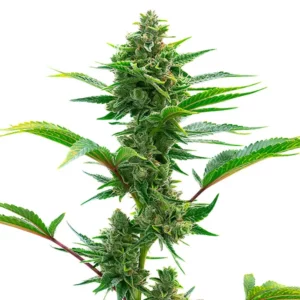
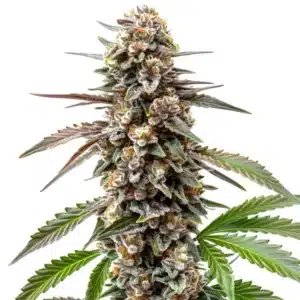
GG4

|
THC | 27% (High) |

|
Type | Feminized |

|
Yield | High |

|
Phenotype | 40% Indica / 60% Sativa |

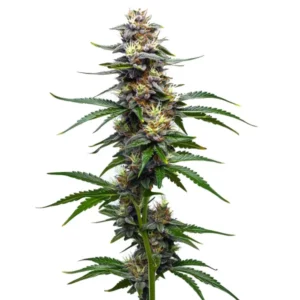
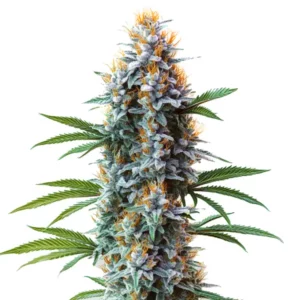
Blue Dream
|
|
THC | 17% - 24% (High) |
|
|
Type | Feminized |
|
|
Yield | High |
|
|
Phenotype | 50% Indica / 50% Sativa |
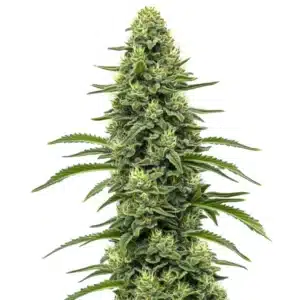
For instance, consider the popular Blimburn Seeds strain, GG4. This strain benefits immensely from a healthy microbial environment. The right balance of microbes can enhance its aroma and potency, making your harvest even more rewarding.
Beneficial Microbes in Cannabis Cultivation
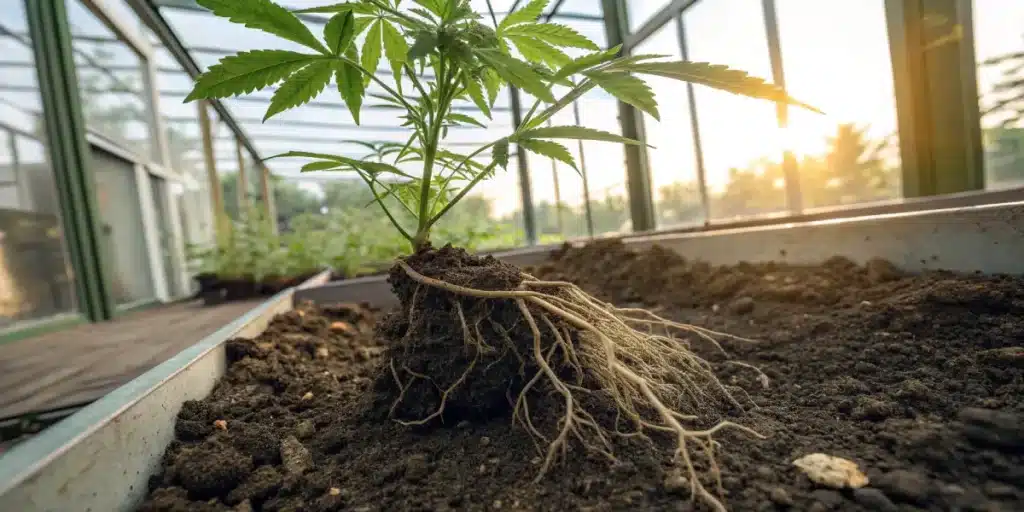
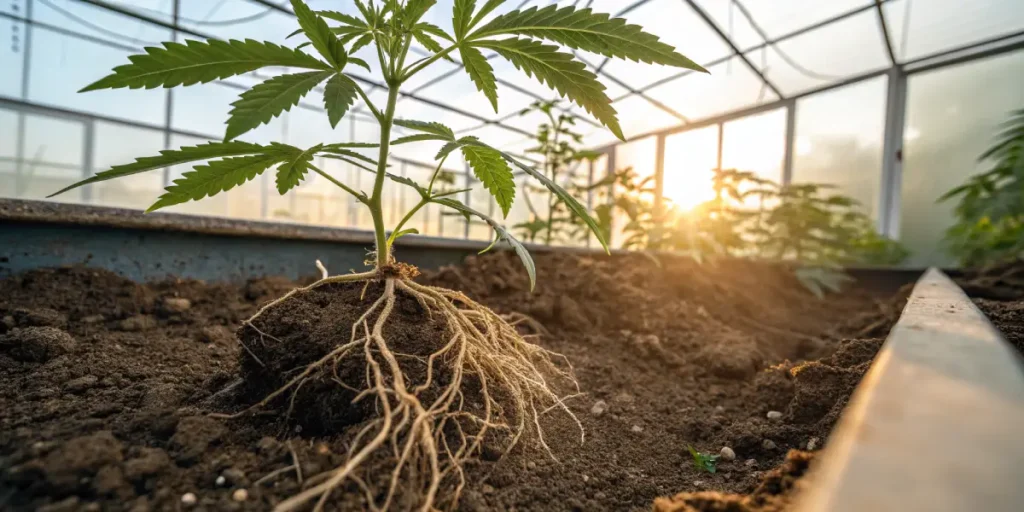
Beneficial microbes include bacteria and fungi that work symbiotically with cannabis plants. These microbes are like invisible allies, helping plants absorb nutrients more efficiently and enhancing their overall growth. Beneficial bacteria for cannabis plants, such as Bacillus species, can fix nitrogen from the atmosphere, making it available to plants.
Mycorrhizal fungi, another group of beneficial microbes, form a network of filaments that extend the plant’s root system. This increases the plant’s ability to draw nutrients and water from the soil. The result? Healthier, more vigorous growth. For example, strains like Blue Dream from Blimburn Seeds thrive when mycorrhizal fungi are present, leading to bigger, more resinous buds.
The function of microbes in cannabis health is multifaceted. They not only assist in nutrient uptake but also play a part in strengthening the plant’s immune system. By establishing a robust microbial community, growers can significantly reduce the need for chemical fertilizers and pesticides, creating a more sustainable cultivation practice.
Furthermore, beneficial microbes can enhance the flavor and terpene profile of cannabis, contributing to a more aromatic and potent product. For example, the microbial interactions in cannabis growing can influence the expression of certain terpenes, adding unique characteristics to the final product. This is particularly important for connoisseur strains from Blimburn Seeds that rely on distinctive flavors and scents.
Types of Beneficial Microbes
Beneficial microbes can be categorized into several types based on their function. Nitrogen-fixing bacteria convert atmospheric nitrogen into a form that plants can use. Phosphate-solubilizing bacteria make phosphorous more accessible, critical for root development and blooming.
Then there’s Trichoderma, a type of fungi known for its ability to combat soil-borne pathogens. It competes with harmful fungi in cannabis cultivation, reducing the likelihood of root diseases. By introducing Trichoderma into your grow, you can protect your plants and promote robust growth.
Besides to these, there are microbes that produce natural antibiotics which can suppress the growth of harmful pathogens. These beneficial bacteria for cannabis plants create a protective barrier, shielding plants from potential threats. This natural defense mechanism is an integral part of maintaining plant health.
Using biofertilizers that contain a mix of these beneficial microbes can boost plant resilience. These biofertilizers not only improve plant growth but also enhance soil health, creating an optimal environment for cannabis cultivation. They contribute to a balanced ecosystem where beneficial vs harmful microbes in cannabis cultivation are carefully managed.
Promos & Deals
Identifying Harmful Microbes in Cannabis Cultivation
While beneficial microbes can boost your grow, harmful microbes pose a threat. They can cause diseases that stunt growth, reduce yields, or even kill plants. Identifying harmful microbes in cannabis is critical to prevent potential damage.
Common harmful fungi in cannabis cultivation include Pythium, a root rot pathogen, and Botrytis, responsible for bud rot. These fungi thrive in wet, poorly ventilated conditions. Keeping your grow environment clean and well-aerated is crucial in managing these threats.
The process of identifying harmful microbes in cannabis involves regular monitoring of environmental conditions and plant health. By maintaining optimal humidity levels and ensuring proper ventilation, growers can create conditions that are less favorable for the proliferation of these pathogens.
Moreover, knowing the signs of microbial infections enables timely interventions. Education on the lifecycle of harmful fungi in cannabis cultivation can help growers implement preventative measures, reducing the likelihood of infestations before they occur. This proactive approach is essential in maintaining plant health and ensuring successful yields.
Signs of Harmful Microbial Activity
Vigilance is key when it comes to spotting the signs of harmful microbes. Look for yellowing leaves, wilting, or stunted growth. These symptoms could indicate the presence of unwanted pathogens. For instance, if you notice a mildew-like substance on your plants, it’s likely a fungal issue.
Regularly inspecting your plants and their growing medium can help you catch problems early. Using a microscope or a magnifying glass can aid in identifying fungal spores or bacterial colonies. Early detection allows for timely intervention, minimizing damage.
Harmful microbial activity often begins subtly, so it’s crucial to familiarize yourself with the early warning signs. Discoloration or unusual spotting on leaves can be precursors to more severe issues. By recognizing these early indicators, growers can implement control measures before the situation escalates.
Consistently monitoring your cannabis plants and employing integrated pest management strategies can help maintain a balance between beneficial vs harmful microbes in cannabis cultivation. These practices ensure that the beneficial bacteria for cannabis plants are not overshadowed by harmful pathogens.
Managing Microbial Interactions in Cannabis Growing
Managing the balance of beneficial vs harmful microbes in cannabis cultivation involves promoting beneficial species while suppressing harmful ones. This can be achieved through cultural practices and the use of microbial inoculants.
One effective method is crop rotation and soil amendments that encourage beneficial microbial communities. Organic matter, like compost, can boost microbial diversity, creating an environment less conducive to pathogens. Ensuring proper drainage and avoiding overwatering are also vital strategies.
Knowing microbial interactions in cannabis growing is essential for optimizing plant health. By fostering a diverse microbial ecosystem, growers can naturally suppress harmful microbes and enhance plant resilience. This involves not only adding beneficial microbes but also creating conditions that support their proliferation.
Additionally, the use of companion planting can further enhance microbial diversity. Certain plants can attract beneficial microbes, creating a symbiotic environment that supports cannabis growth. This holistic approach to management recognizes the interconnectedness of plant and microbial health, leading to more robust and productive cannabis gardens.
Tools for Microbial Management
There are numerous tools available to help manage microbial interactions effectively. Microbial inoculants are one such tool. They introduce beneficial bacteria and fungi into your soil or hydroponic system. Products containing Bacillus or mycorrhizal fungi can be particularly beneficial.
Bio-pesticides are another option, targeting harmful microbes without damaging beneficial ones. These natural pesticides are made from microbial extracts and can be an integral part of an integrated pest management system.
Soil testing kits are valuable tools for knowing the microbial composition of your cannabis grow medium. By analyzing the presence and abundance of various microbes, growers can tailor their cultivation practices to enhance beneficial vs harmful microbes in cannabis cultivation.
Innovative products like microbial boosters or activators can also enhance microbial activity. These products contain nutrients and stimulants that promote the growth and activity of beneficial bacteria for cannabis plants, ensuring they outcompete harmful microbes and contribute positively to plant health.
FAQs about beneficial vs harmful microbes in cannabis cultivation
What are beneficial bacteria for cannabis plants?
Beneficial bacteria for cannabis plants include species that help with nutrient uptake, such as nitrogen-fixing and phosphate-solubilizing bacteria. These bacteria convert nutrients into forms that plants can easily absorb. They also help suppress soil-borne pathogens by outcompeting them for resources.
Using products that contain these bacteria can enhance plant growth and increase yields. They’re particularly useful in organic growing setups where maintaining a healthy soil microbiome is crucial. Regular application of these bacteria ensures that your soil remains fertile and disease-free.
These beneficial bacteria play a critical role in maintaining soil health and fertility. By facilitating the breakdown of organic matter, they release essential nutrients back into the soil, making them available for plant uptake. This process is vital for sustaining long-term soil productivity and plant health.
Moreover, by creating a competitive environment for harmful microbes, beneficial bacteria help to stabilize the microbial community within the soil. This stabilization is key to preventing outbreaks of harmful fungi in cannabis cultivation and ensuring a balanced ecosystem that supports robust plant growth.
How do I identify harmful microbes in cannabis cultivation?
Identifying harmful microbes involves observing your plants for signs of disease, such as wilting, yellowing leaves, or moldy spots. Using a microscope can help identify specific pathogens by allowing you to see spores or bacterial colonies. Regular inspections are key to early detection.
Maintaining a clean grow environment and monitoring humidity levels can also prevent the spread of harmful microbes. If you suspect a microbial infection, act quickly by removing affected plant parts and adjusting your growing conditions to deter further growth.
The identification process often includes diagnosing the symptoms and cross-referencing them with known pathogen profiles. By knowing the lifecycle and environmental preferences of these pathogens, growers can adjust their cultivation practices to minimize the risk of infections.
Moreover, keeping detailed records of plant health and environmental conditions can aid in identifying patterns that may indicate microbial issues. This data-driven approach allows for more effective management of microbial interactions in cannabis growing, ensuring healthier plants and better yields.
Can beneficial microbes improve cannabis yield?
Yes, beneficial microbes can significantly improve cannabis yield. They enhance nutrient uptake, promote root development, and protect against diseases. As a result, plants grow healthier and produce more flowers. Strains like Blue Dream from Blimburn Seeds have shown improved yields when grown with a balanced microbial environment.
Applying microbial inoculants or compost teas can introduce these helpful organisms into your soil. Over time, they build a thriving ecosystem that supports robust plant growth, resulting in larger, more resinous buds.
Increased yield is often a direct result of improved nutrient efficiency and stress resilience provided by beneficial microbes. By enhancing the plant’s ability to access and utilize nutrients, these microbes support vigorous growth and prolific flowering, essential for high-yielding harvests.
Moreover, beneficial microbes also contribute to the plant’s resistance against environmental stresses such as drought or nutrient deficiencies. This resilience ensures that plants continue to thrive even under suboptimal conditions, leading to consistent and enhanced yields.
What are some common harmful fungi in cannabis cultivation?
Common harmful fungi include Pythium and Botrytis. Pythium causes root rot, which can lead to wilted plants and stunted growth. Botrytis, or bud rot, affects the flowers, turning them gray and mushy. Both fungi thrive in high humidity and poorly ventilated conditions.
Preventing these fungi involves maintaining optimal growing conditions. Ensure good air circulation and avoid overwatering. If detected early, fungicides or natural treatments can control their spread, protecting your crop from extensive damage.
Additionally, other harmful fungi in cannabis cultivation like Fusarium and Powdery Mildew can also cause significant damage. Fusarium attacks the vascular system of plants, leading to wilting and plant death, while Powdery Mildew covers leaves in a white, powdery substance, inhibiting photosynthesis.
Implementing cultural practices such as crop rotation, sanitation, and the use of resistant strains can effectively reduce the incidence of these fungi. Moreover, integrating biological controls such as beneficial microbes can naturally suppress these pathogens, promoting healthier plant growth.
How do microbial interactions in cannabis growing affect plant health?
Microbial interactions in cannabis growing can either promote or hinder plant health. Beneficial microbes support nutrient uptake and disease resistance, while harmful ones can cause infections and nutrient deficiencies. The balance of these interactions determines overall plant vitality.
Managing these interactions involves promoting beneficial microbes through the use of inoculants and good cultural practices. Regular soil testing and environmental monitoring help maintain a favorable microbial balance, ensuring healthy and productive plants.
These interactions are influenced by several factors, including soil composition, environmental conditions, and cultivation practices. By optimizing these factors, growers can encourage positive interactions that enhance plant growth and resilience.
Ultimately, knowing the complex web of microbial interactions in cannabis growing allows for more precise cultivation strategies. By aligning cultivation practices with the natural dynamics of microbial communities, growers can achieve healthier plants and superior yields, tapping into the full potential of their cannabis strains.