Essential Guide to Microbial Hot Spots in Cannabis Grow Rooms

Microbial hot spots in cannabis grow rooms can be a major challenge for both new and seasoned growers. These are areas where bacteria, mold, and other microorganisms thrive, potentially affecting the health and yield of your cannabis plants. Identifying and controlling these hot spots is crucial for maintaining a successful growing environment.
Microbial contamination in cannabis cultivation often starts in areas that are overlooked. These can include the corners of your grow room, the undersides of leaves, and even within the soil itself. Regular inspections and maintenance can help prevent these issues from becoming a larger problem.
Recommended Strains
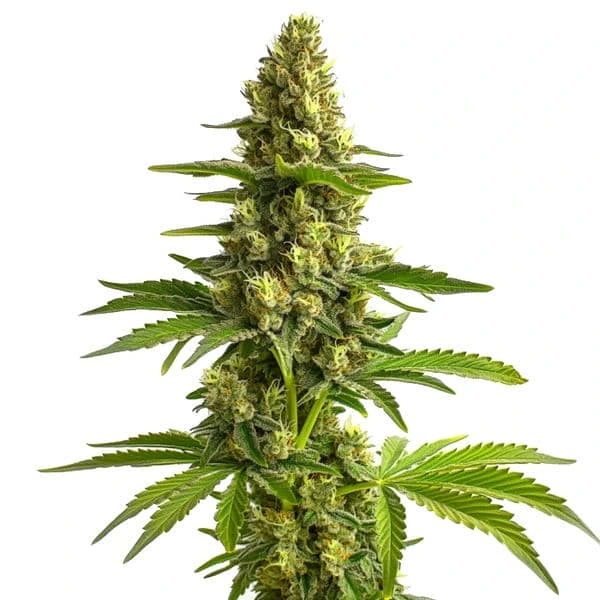
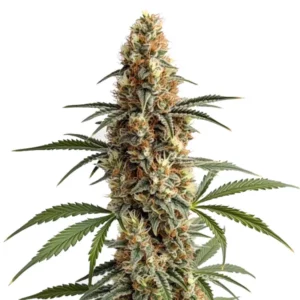
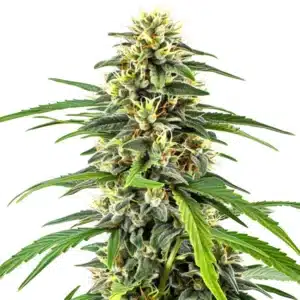
Bruce Banner #3

|
THC | 20% - 29% (High) |

|
Type | Feminized |

|
Yield | High |

|
Phenotype | 50% Indica / 50% Sativa |

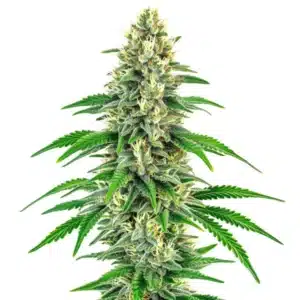
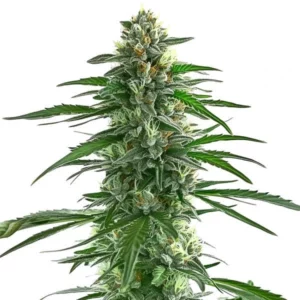
GG4
|
|
THC | 27% (High) |
|
|
Type | Feminized |
|
|
Yield | High |
|
|
Phenotype | 40% Indica / 60% Sativa |
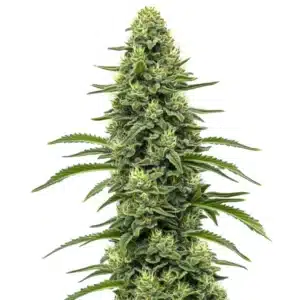
Consider the unique characteristics of the cannabis strains you are cultivating. For example, Blimburn Seeds GG4 might have different needs compared to their Bruce Banner 3 strain. These differences can influence where microbial hot spots are likely to form and how you might address them.
Identifying Microbial Hot Spots in Cannabis Grow Rooms
To control microbial hot spots, you first need to identify them. This involves knowing where moisture accumulates and where air circulation is poor. Both moisture and poor airflow can create ideal environments for mold and bacteria to thrive.
Regular microbial testing in cannabis grow facilities can help pinpoint problem areas. Testing tools can measure the presence of mold spores and bacteria, giving you valuable insights into where to focus your cleaning efforts. This is especially important for large-scale operations where visual inspections alone might miss some areas.
Besides to physical inspections, consider employing technology like infrared cameras to detect moisture levels that are not visible to the naked eye. These devices can help in identifying microbial hot spots in cannabis grow rooms by highlighting areas where condensation might be forming. Addressing these issues before they escalate can save both time and resources.
Training your staff on the importance of microbial contamination in cannabis cultivation is also beneficial. Employees who understand what to look for are more likely to identify potential hot spots early. Conduct regular workshops or training sessions to keep your team informed about the latest best practices in identifying and managing these issues.
Controlling Microbial Hot Spots
Once you’ve identified the hot spots, controlling them is your next step. Start by improving air circulation. Fans and ventilators can help reduce humidity levels, making it harder for mold and bacteria to grow. Ensure that air is circulating evenly throughout the grow room.
Sanitation is also crucial. Regularly clean all surfaces with appropriate cleaning agents. Pay extra attention to tools and containers that come into contact with your plants. For example, pruning shears should be disinfected before each use to prevent microbial transfer from plant to plant.
Implementing a rotating schedule for your cleaning routines can help in consistently controlling bacteria in cannabis growing environments. By staggering sanitation activities, you ensure that no area is neglected and that microbial hot spots are kept under control. This also helps in managing workload among staff, maintaining high standards without overburdening your team.
Consider investing in air purifiers equipped with HEPA filters to further control microbial hot spots in cannabis grow rooms. These devices can trap airborne particles, including mold spores and bacteria, improving the overall air quality. This step is particularly beneficial in facilities where controlling bacteria is a top priority.
Promos & Deals
Preventing Mold in Cannabis Grow Rooms
Mold prevention starts with controlling the environment. Keep humidity levels between 40-60%, depending on the growth stage of your plants. Young plants might require slightly higher humidity, while mature plants do better with lower levels to prevent mold.
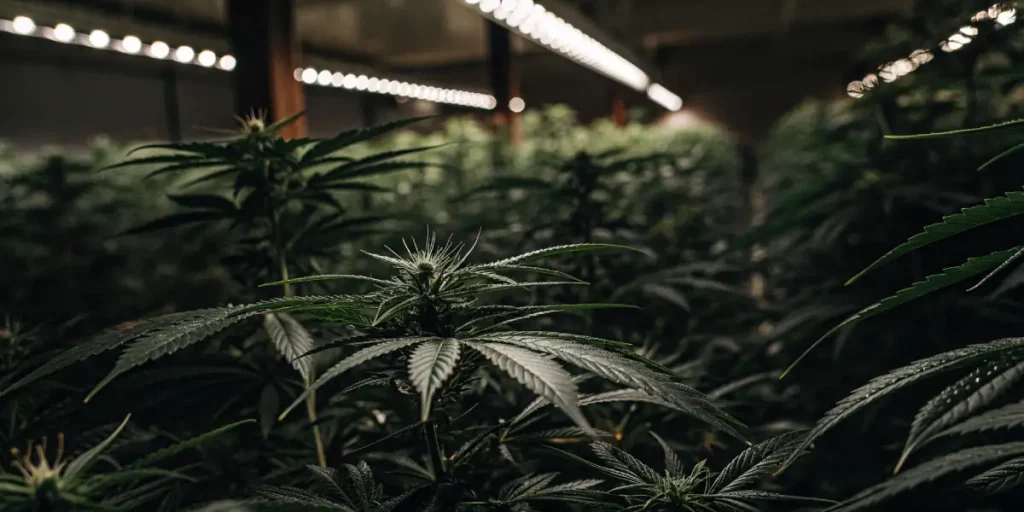
Lighting can also play a role. Ensure that your lighting setup does not create additional heat that could raise humidity levels. LED lights are often recommended as they produce less heat compared to traditional options. This can help maintain a stable environment.
Incorporate the use of hygrometers to constantly monitor humidity levels in your grow room. These devices provide real-time data, allowing you to make immediate adjustments to prevent mold in cannabis grow rooms. Quick responses to changes in humidity can drastically reduce the risk of mold outbreaks.
Additionally, ensure that your grow room is equipped with proper drainage systems. Accumulated water from over-irrigation or spills can become breeding grounds for mold. Effective drainage systems can prevent stagnant water, thereby reducing potential microbial contamination in cannabis cultivation.
Microbial Testing in Cannabis Grow Facilities
Regular microbial testing is an effective way to manage microbial hot spots. Testing kits are available that can detect various types of mold and bacteria. These kits often provide results quickly, allowing for timely intervention.
Document the results of each test to track changes over time. This data can help you identify patterns and potentially problematic areas that require more frequent attention. It also assists in adjusting your cleaning and maintenance routines.
Engage with third-party laboratories for advanced microbial testing in cannabis grow facilities. These labs can provide a deeper analysis of the microbial profiles present, offering insights that may not be captured by standard testing kits. This information can be invaluable in crafting a comprehensive strategy for controlling microbial hot spots.
Regular testing should be part of a broader quality control program. By integrating microbial testing with other quality assurance measures, you can ensure that your cannabis is not only free from microbial contamination but also meets regulatory standards, safeguarding both your business and your customers.
Cannabis Strains and Microbial Resistance
Some cannabis strains have natural resistance to microbial issues. When selecting seeds, consider strains that are known for their robustness. Blimburn Seeds offers strains like Blue Dream, which may provide some level of microbial resistance.
Research the specific needs of each strain you grow. Different strains might have varying levels of moisture tolerance and nutritional requirements. Tailoring your growing techniques to match these needs can help reduce the risk of microbial contamination.
Beyond natural resistance, consider utilizing plant health supplements that boost the plant’s immunity against microbial threats. Products that contain beneficial microbes can enhance the plant’s resilience, offering an additional layer of protection against microbial hot spots in cannabis grow rooms.
Moreover, maintain a diverse crop selection to minimize the risk of widespread microbial contamination. By rotating strains with different resistance profiles, you can reduce the chances of a single microbial outbreak impacting your entire crop. Blimburn Seeds offers a range of strains that can be strategically used to maintain genetic diversity and resilience.
FAQs about microbial hot spots in cannabis grow rooms
What are the most common microbial hot spots in cannabis grow rooms?
Common microbial hot spots include areas with high moisture levels, such as the base of the plants, corners of the grow room, and inside equipment like humidifiers. These spots often have poor air circulation, making them more susceptible to mold and bacteria.
Regular checks and maintenance can help identify these areas early. Using microbial testing kits can provide a more precise identification of these hot spots, allowing for targeted cleaning and prevention strategies.
Moreover, don’t overlook the importance of ventilation systems themselves as potential hot spots. Dust and microbial buildup in ducts and vents can contribute to contamination. Regular cleaning and maintenance of these systems are essential for ensuring they do not become a source of microbial contamination in cannabis cultivation.
Additionally, take care to monitor and maintain the cleanliness of water sources and irrigation systems. Contaminated water can quickly spread microbial issues throughout the grow room. Implement regular water testing to ensure it remains free from harmful microbial presence.
How can I prevent microbial contamination in cannabis cultivation?
Maintaining a clean environment is essential. Regularly sanitize all equipment and surfaces. Improve air circulation with fans and ventilators to keep humidity at optimal levels. Use dehumidifiers if necessary to control moisture.
Choose strains from reputable sources like Blimburn Seeds, which can offer more resilient options. Pay attention to the specific needs of each strain to create an environment that minimizes microbial risks.
Implement a strict protocol for handling and processing plant material. Gloves, masks, and protective clothing can minimize the risk of introducing new contaminants during routine maintenance and harvesting. This step is crucial in preventing microbial contamination in cannabis cultivation.
Finally, use natural deterrents such as beneficial insects and neem oil to manage pests that can contribute to microbial issues. These organic methods offer an eco-friendly approach to maintaining plant health without introducing harmful chemicals that could disrupt the microbial balance.
What role does microbial testing play in controlling hot spots?
Microbial testing helps in accurately identifying areas with high levels of mold and bacteria. These tests allow growers to apply targeted interventions, reducing the risk of widespread contamination.
Regular testing also provides data that can be used to adjust cleaning routines and environmental controls. This proactive approach can significantly reduce the chance of microbial issues affecting your grow room.
By integrating microbial testing into your routine inspections, you create a comprehensive strategy for maintaining plant health. This continuous monitoring helps in quickly identifying any deviations from the norm, ensuring prompt action can be taken to address emerging issues.
Utilizing the data from microbial testing, you can also refine your cultivation practices, enhancing your ability to create a stable and healthy growing environment. These insights can inform adjustments in irrigation, ventilation, and nutrition, further contributing to the prevention of microbial hot spots in cannabis grow rooms.
Are there specific cannabis strains that are more resistant to microbial hot spots?
Yes, certain strains have greater resilience against microbial issues. Blimburn Seeds offers strains like Blue Dream and Mamba Negra Auto, which might be more resistant to mold and bacteria.
However, resistance does not mean immunity. It’s crucial to continue practicing good hygiene and environmental control regardless of the strain’s natural resistance to ensure the health of your plants.
When selecting strains, consider those with a history of thriving in similar environmental conditions to your grow room. This adaptability can enhance their resistance to microbial hot spots in cannabis grow rooms, making them a reliable choice for any cultivation setup.
Evaluate the genetic lineage of potential strains as part of your selection process. Strains with a diverse genetic background may offer more robust resistance to various microbial threats, providing an additional safeguard against contamination.
What practical steps can I take to control bacteria in cannabis growing environments?
Improving air quality is a significant step. Use carbon filters and quality ventilation systems to reduce airborne bacteria. Regularly clean and disinfect all surfaces and equipment.
Monitor plant health closely. Yellowing leaves or stunted growth can indicate microbial issues. Address these signs promptly by adjusting environmental conditions and ensuring proper plant care.
Implement a routine for inspecting and cleaning water reservoirs and nutrient tanks. These can be breeding grounds for bacteria if not properly maintained, posing a significant risk to your crops. Regular sanitation of these areas is essential in controlling bacteria in cannabis growing environments.
Finally, ensure that all staff members are trained in recognizing early signs of bacterial issues. A well-informed team can act swiftly to mitigate potential problems, preventing minor issues from escalating into widespread contamination.