Expert Guide: How to Identify Powdery Mildew vs Botrytis in Cannabis

For cannabis growers, knowing how to identify powdery mildew vs botrytis in cannabis is crucial. Both are common fungal diseases that can severely damage your plants, yet they differ significantly in appearance, progression, and overall impact. Developing a trained eye to distinguish between these infections early can protect your cannabis garden from substantial losses and ensure healthier yields.
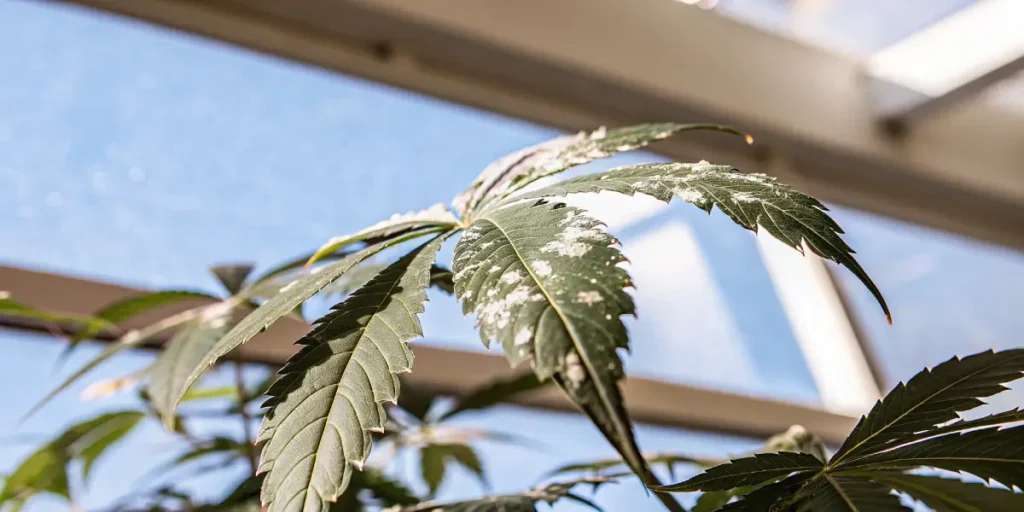
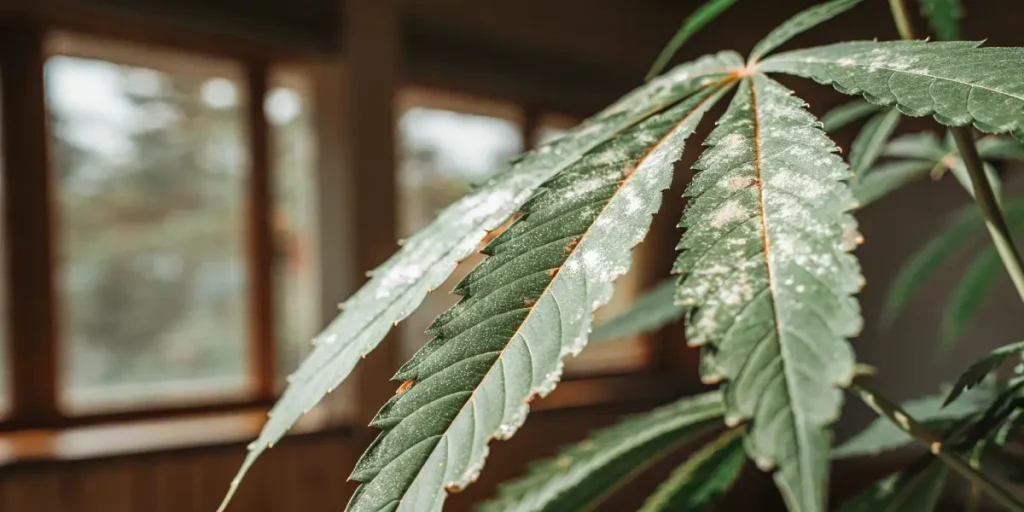
Powdery mildew appears as a white or gray powder on the surface of leaves. It’s like a dusting of flour and often covers the upper side of the leaves. In contrast, botrytis, also known as gray mold, is more aggressive. It causes the buds to rot and looks like a fuzzy gray mass. This disease usually strikes when conditions are damp and the airflow is poor.
Recommended Strains

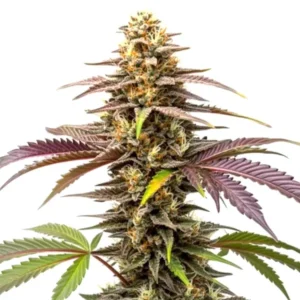
Blue Dream

|
THC | 17% - 24% (High) |

|
Type | Feminized |

|
Yield | High |

|
Phenotype | 50% Indica / 50% Sativa |

Sour Diesel
|
|
THC | 22% - 25% (High) |
|
|
Type | Feminized |
|
|
Yield | High |
|
|
Phenotype | 30% Indica / 70% Sativa |
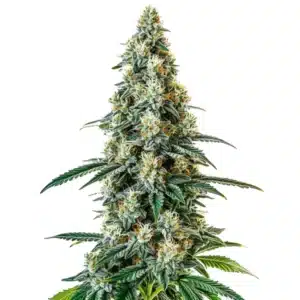
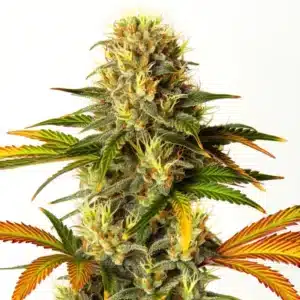
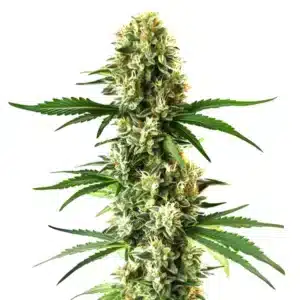
Knowing how to identify powdery mildew vs botrytis in cannabis will help you take prompt action. Growing strains like Blue Dream, Sour Diesel, and Z OG from Blimburn Seeds can also assist in managing these issues due to their resilience and growth characteristics.
Signs of Powdery Mildew vs Botrytis on Cannabis Plants
Identifying powdery mildew compared to botrytis in cannabis cultivation is about observing the visual differences and knowing the conditions that favor each disease. Powdery mildew thrives in environments with high humidity and moderate temperatures. It often starts on the lower leaves and progresses upwards.
Botrytis, on the other hand, flourishes in cool, damp conditions. Unlike powdery mildew, which stays on the surface, botrytis invades the plant tissue. It’s not just the leaves that suffer; the buds are the primary targets. Bud rot can devastate a harvest if not caught early.
To effectively manage these issues, early detection is key. Regular monitoring of plant health through visual checks can help growers act swiftly. Keep an eye out for any unusual white spots or fuzzy gray patches that could indicate the onset of these diseases. Utilizing preventative measures such as strain selection and environmental controls can also play a crucial role.
When considering how to differentiate powdery mildew and botrytis in cannabis, it’s important to understand their life cycles. Powdery mildew spores can travel through the air, making it relatively easy for this fungus to spread across your garden. In contrast, botrytis often requires direct contact with infected plant material, meaning it typically spreads more slowly but is more destructive once established.
Distinguishing Powdery Mildew from Botrytis in Cannabis Gardens
In a cannabis garden, recognizing the early signs of these diseases can prevent severe losses. Powdery mildew shows up first as small, white spots that quickly spread. If you touch the leaves, you might even get a bit of the white residue on your fingers.
Botrytis symptoms are more sinister. Initially, you might notice a small portion of the bud turning brown and soft. Over time, the entire bud can become mushy. This is why regular inspection of your plants is crucial. Simply brushing through your plants can help you detect these early signs.
By distinguishing powdery mildew from botrytis in cannabis gardens, growers can implement targeted treatments. For instance, increasing airflow and reducing humidity can help manage powdery mildew, while removing infected buds and improving sanitation practices are vital for controlling botrytis. Each disease requires a tailored approach to limit its impact on your crop.
Moreover, knowing the environmental triggers for each disease is critical. Powdery mildew tends to appear when there is a lack of air circulation coupled with warm, humid conditions. In contrast, botrytis thrives in cooler, wet environments, often following periods of rain or heavy dew. Adjusting your garden’s microclimate can greatly aid in preventing these issues from taking hold.
Promos & Deals
Practical Steps for Cannabis Powdery Mildew vs Botrytis Symptoms and Identification
Once you know how to identify powdery mildew vs botrytis in cannabis, immediate action is necessary. For powdery mildew, fungicides and improved air circulation can help. Regularly pruning your plants to maintain good airflow is a preventative measure.
When dealing with botrytis, removing affected buds immediately is crucial. Increase ventilation and reduce humidity levels in your growing area. Also, consider using organic fungicides to help manage the spread.
Incorporating resistant strains from Blimburn Seeds can significantly aid in reducing the susceptibility of your cannabis plants to these fungi. By selecting strains with natural resistance, you can minimize the risk of outbreak, ensuring a more productive yield.
Additionally, maintaining a clean growing environment is paramount. Regularly disinfecting tools and cleaning up debris can prevent the spread of spores. Implementing these practical steps will enhance your ability to combat cannabis powdery mildew vs botrytis symptoms and identification challenges.
FAQs about how to identify powdery mildew vs botrytis in cannabis
How can I prevent powdery mildew on my cannabis plants?
Preventing powdery mildew involves controlling the environment. Ensure that your plants have ample spacing to allow air to circulate. This reduces humidity levels around the foliage, making it harder for mildew to thrive. Additionally, maintaining a consistent temperature and avoiding water on the leaves will help.
Select strains known for their resilience against mildew. Strains like Blue Dream from Blimburn Seeds are known for their ability to withstand common fungal infections. Regularly inspect your plants and use preventative fungicides if necessary.
Implementing a proactive approach is vital. This includes regular monitoring for early signs of powdery mildew and adjusting environmental conditions as needed. By maintaining optimal growing conditions, you can significantly reduce the risk of mildew development.
Furthermore, integrating beneficial microorganisms, such as mycorrhizal fungi, can improve plant health and resistance. These beneficial microbes help create a balanced ecosystem that is less conducive to fungal outbreaks, offering an additional layer of protection for your plants.
What are the conditions that favor botrytis in cannabis gardens?
Botrytis thrives in cool, damp conditions with poor air circulation. It often attacks plants during cooler months or in overly humid grow rooms. When plants are crowded, it creates a microenvironment where botrytis can easily develop.
To combat this, keep your grow room well-ventilated. Use fans to ensure consistent airflow and control humidity with dehumidifiers if necessary. Regular pruning to remove dead or excess foliage will also help reduce the risk.
Paying attention to weather forecasts can aid in anticipating conditions favorable to botrytis. During periods of expected rain or high humidity, take extra precautions by increasing airflow and reducing plant density to prevent the onset of this disease.
Moreover, timely harvesting can prevent botrytis from damaging your crop. Monitor your plants closely as they approach maturity and harvest promptly to minimize exposure to conditions that promote botrytis development.
When should I inspect my cannabis plants for powdery mildew and botrytis?
Regular inspection is key in identifying powdery mildew compared to botrytis in cannabis cultivation. Check your plants at least once a week, paying close attention to the lower leaves and buds. These are usually the first areas to show signs of fungal infections.
During periods of high humidity or after rain, increase the frequency of inspections. Early detection allows for prompt action, minimizing damage and ensuring a healthier crop.
Inspections should not only focus on visible symptoms but also involve checking environmental conditions. Monitoring temperature, humidity, and air circulation can provide insights into the potential risk of fungal diseases taking hold.
Utilizing tools such as magnifying glasses can enhance your ability to detect early-stage symptoms. This attention to detail is crucial in managing and mitigating the impact of these fungal threats on your cannabis plants.
What should I do if I find powdery mildew on my cannabis plants?
Upon discovering powdery mildew, remove any heavily affected leaves to prevent the spread. Apply a fungicide suitable for powdery mildew on cannabis. Neem oil is a popular organic option that many growers use.
Improve air circulation around your plants and adjust watering practices to avoid splashing water on the leaves. These steps will help manage and reduce the occurrence of powdery mildew.
Consistent monitoring and treatment application are essential. Reapply fungicides as necessary, following the manufacturer’s guidelines, to ensure the mildew is effectively controlled and does not resurge.
Incorporating these measures into your routine will not only address current outbreaks but also serve as a preventative strategy against future occurrences, safeguarding your plants from powdery mildew.
Are certain cannabis strains more resistant to powdery mildew and botrytis?
Yes, some cannabis strains have genetic resistance to these diseases. Strains like Critical and Girl Scout Cookies from Blimburn Seeds are known for their sturdy nature and resilience against common molds and mildews.
Choosing resistant strains as part of your grow strategy can significantly reduce the likelihood of infection, allowing for a healthier and more productive cannabis garden.
Resistant strains not only survive better under adverse conditions but also require less intervention, allowing growers to focus on optimizing yield rather than constantly managing disease outbreaks.
Investing in these resilient strains is a wise decision for any grower looking to ensure a successful harvest with minimal loss due to powdery mildew or botrytis infestations.